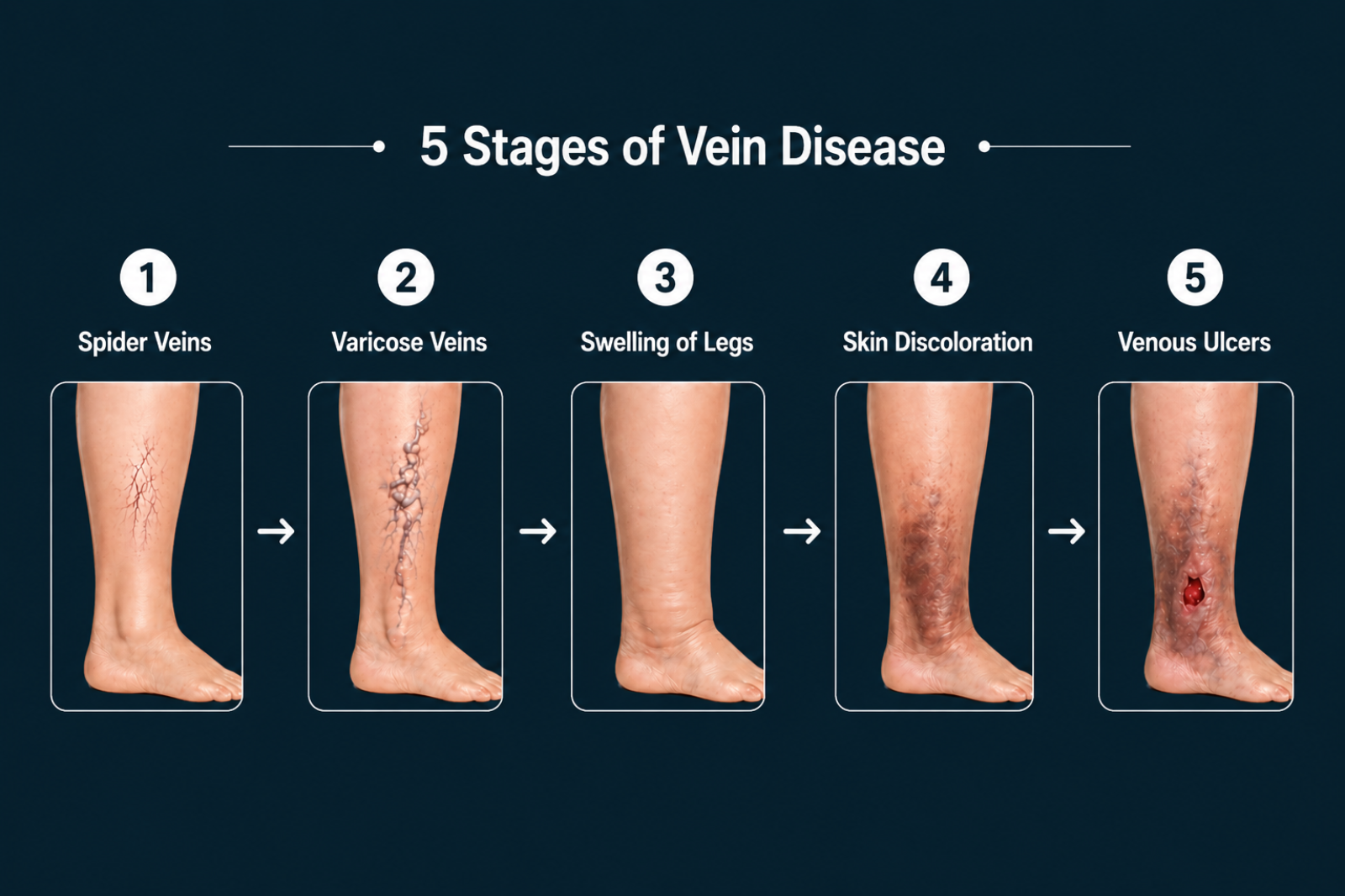
Most insurance companies cover the cost of varicose vein treatments if they are deemed medically necessary, but coverage for spider veins is often considered cosmetic and, therefore, not covered.
Varicose Veins Vs Spider Veins: What’s The Difference?
Confused about varicose veins vs. spider veins? Learn their differences, symptoms, and treatments to make informed decisions for healthier legs.


Key takeaways
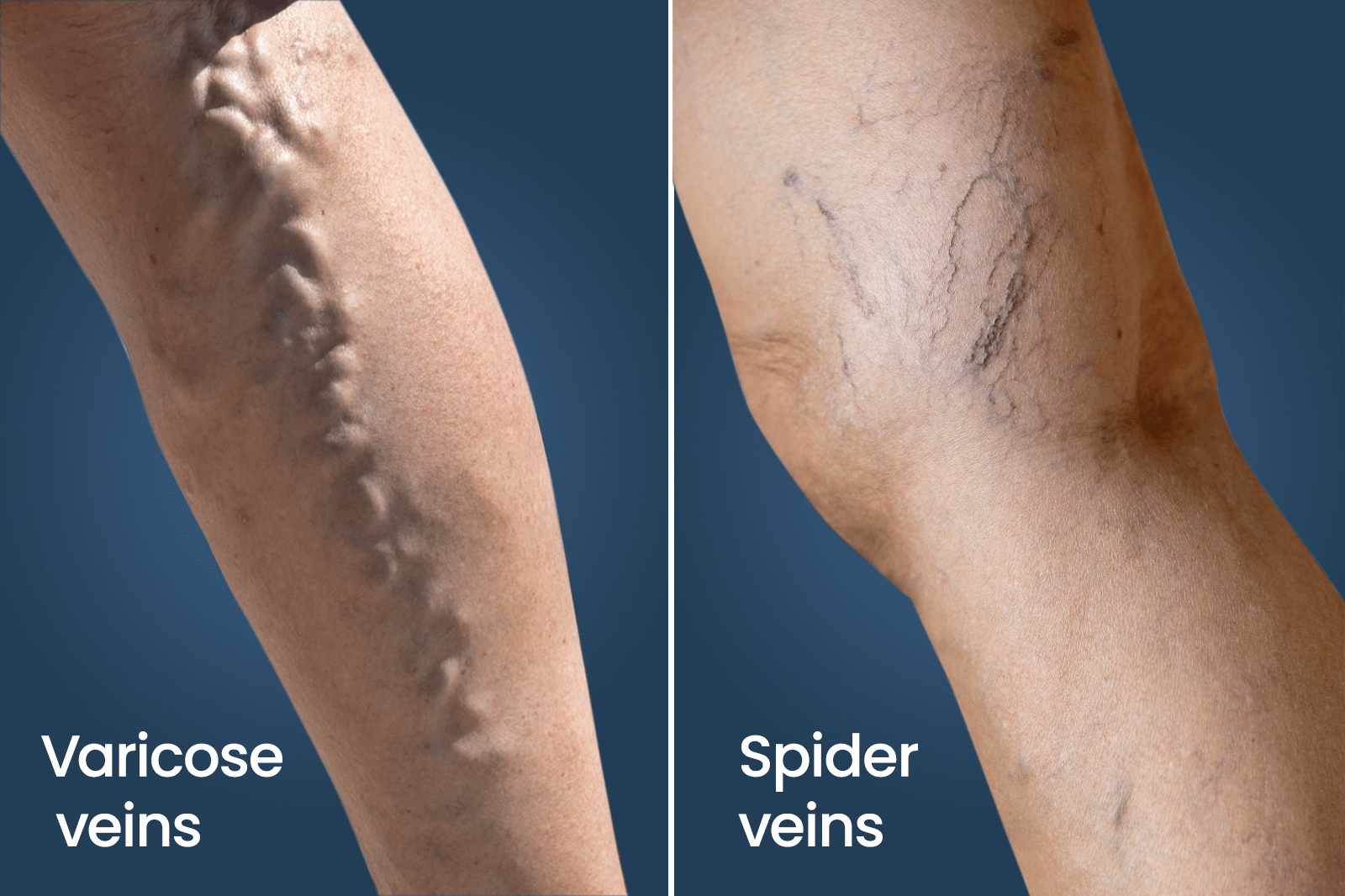
- Varicose veins are larger and may cause more discomfort than spider veins.
- Spider veins are smaller and closer to the surface of the skin.
- Both conditions can be treated with lifestyle changes, compression stockings, or medical procedures.
Table Of Contents
Understanding the complexities of vein health is vital to managing and preventing conditions like varicose veins and spider veins. This comprehensive guide will help you decipher the differences, similarities, and treatment options for these two common vein conditions.
Varicose veins: What are they?
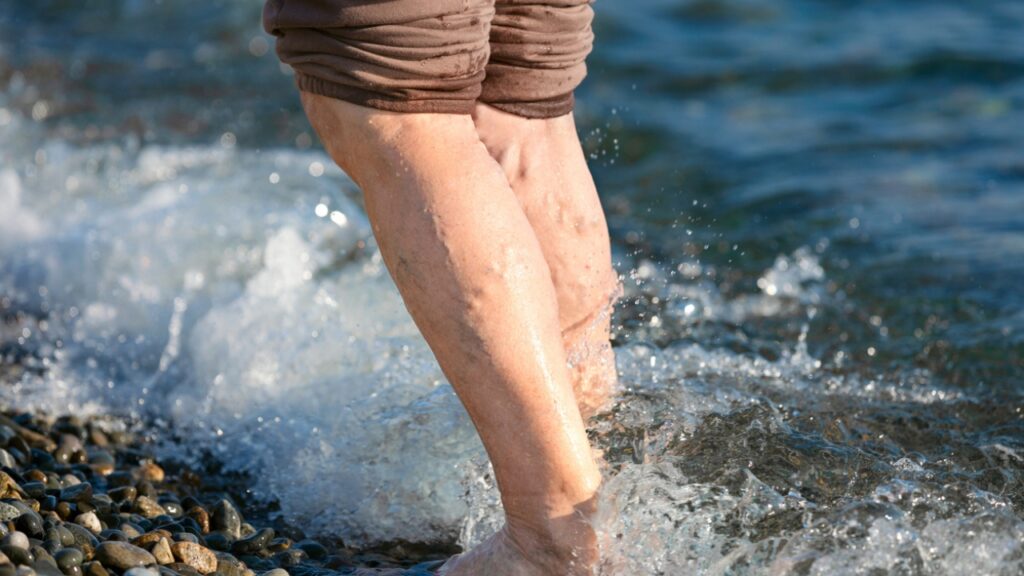
Varicose veins are enlarged, twisted veins that are usually blue or dark purple in appearance. They are a common medical condition that primarily affects the legs.
Common symptoms of varicose veins
- Visible, bulging veins, particularly in the legs and feet
- Heavy and uncomfortable legs
- Swelling legs
- Burning or throbbing in your legs
- Muscle cramps in your legs, particularly at night
- Dry, itchy, and thin skin over the affected veins
- Skin discoloration
Spider veins: What are they?
Spider veins, which are superficial veins medically known as telangiectasias, are small, unsightly veins that appear red or blue on the skin’s surface. They resemble spider webs or tree branches, hence their name, and are most commonly found on the legs and face.
Common symptoms of spider veins
- Visible, thin, and branching veins.
- Discoloration, often red, blue, or purple.
- Occasional mild discomfort or itching near affected veins.
While varicose veins usually present more severe complications, both conditions can cause significant discomfort and potential health risks. It’s important to consult with a healthcare professional if you’re experiencing any symptoms associated with these conditions.
Diagnosis of spider veins and varicose veins
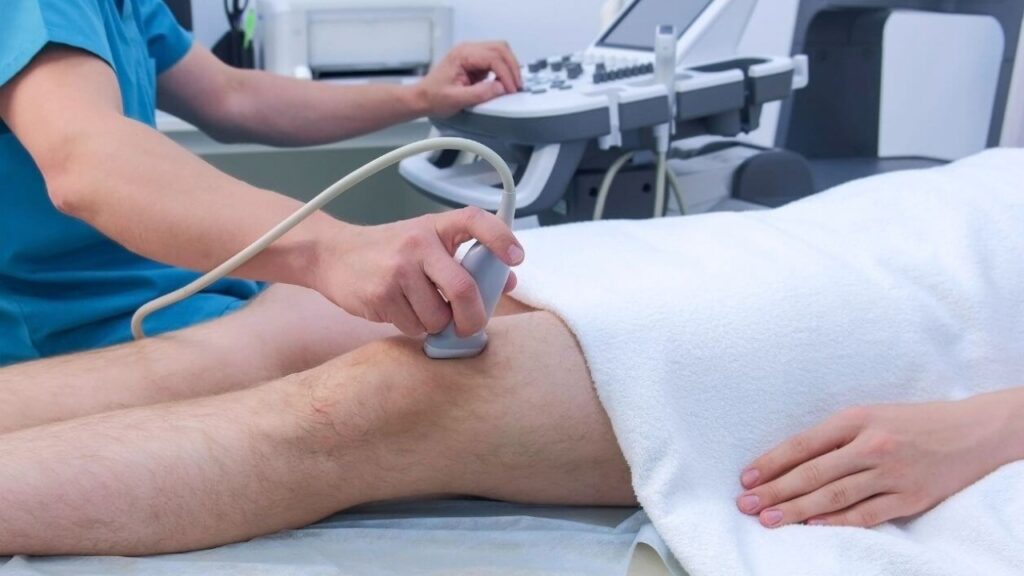
Both varicose veins and spider veins can be diagnosed through physical examination and medical history. Nevertheless, each condition may require a different approach due to its distinct characteristics.
Diagnosing spider veins
When diagnosing spider veins, your healthcare provider will typically:
- Perform a physical examination: The doctor will visually inspect the areas of concern for the appearance of spider veins. A good light source is crucial for this.
- Ask about your medical history: This includes family history, any history of blood clots, hormonal birth control therapy, or injury to the area.
Diagnosing varicose veins
Different from spider veins, diagnosing varicose veins may involve more detailed procedures:
- Perform a physical examination: This may include asking you to stand to check for swelling or changes in color in the veins and skin surface.
- Ask about your symptoms: Any pain, swelling, heaviness, leg fatigue, or other symptoms.
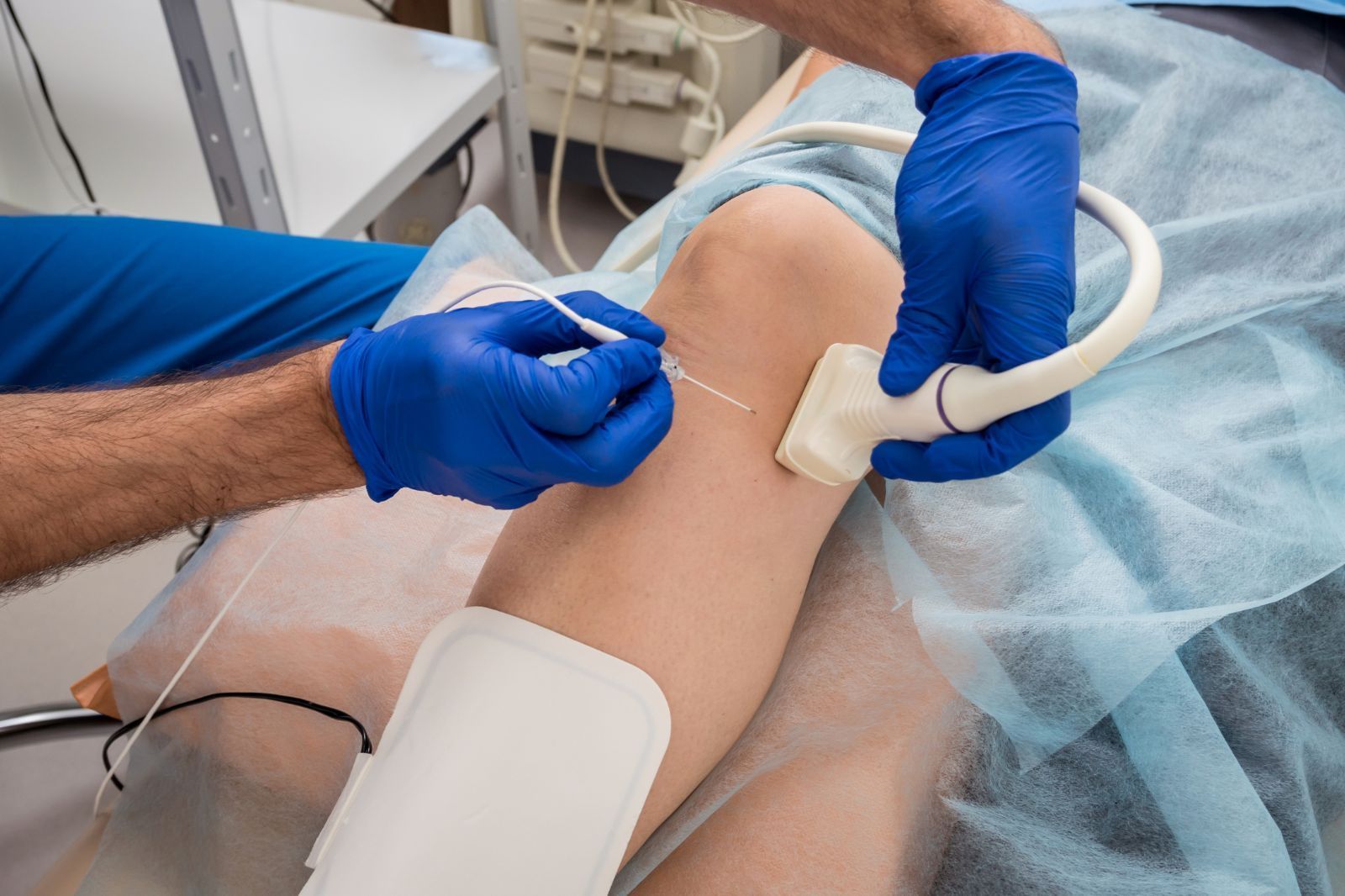
- Perform a duplex ultrasound: This test uses sound waves to visualize the structure of your veins and blood movement within them. It is highly effective in detecting any blood clots or blockages present.
Remember, early detection and diagnosis can help manage both spider veins and varicose veins effectively. If you notice any signs or symptoms, don’t hesitate to consult with your healthcare provider.
Treatment options for spider veins and varicose veins
Although varicose and spider veins are both issues with the vascular system, they differ in severity and therefore require different treatment methods. These range from simple lifestyle modifications to surgical interventions. It’s important to note that while treatments can alleviate symptoms and improve aesthetics, they may not fully eliminate the veins.
Fortunately, a wide range of treatments is available for both conditions. Treatment choice largely depends on the severity of the veins, the patient’s overall health, and personal preference.
Lifestyle modifications and conservative treatments for spider and varicose veins

Certain lifestyle modifications can help manage symptoms and prevent new veins from forming for both spider and varicose veins, including:
- Regular physical activity can help prevent and manage the symptoms.
- Maintaining a healthy weight reduces pressure on your veins.
- Elevating your legs when resting will help improve circulation.
- Avoid sitting or standing for long periods.
- Wearing compression stockings to apply pressure to your legs, helps veins and leg muscles move blood more efficiently.
Medical treatment options for spider veins and varicose veins
When lifestyle modifications aren’t enough, medical treatments may be necessary. The choice of treatment depends on the type and severity of the veins.
Sclerotherapy
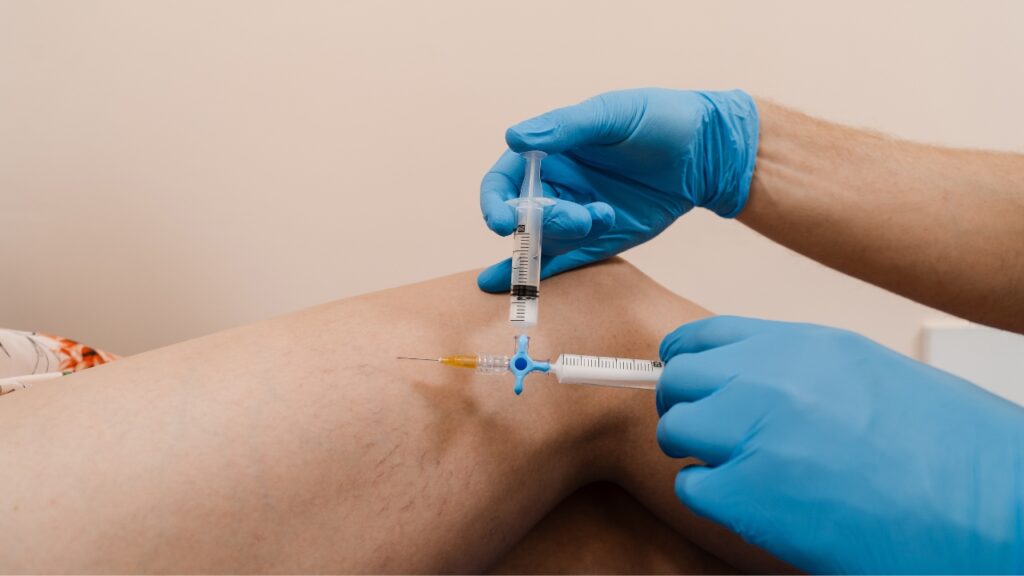
Sclerotherapy is a minimally invasive procedure primarily used to eliminate spider and small varicose veins. The procedure involves the injection of a solution into the problematic vein, which irritates the lining of the vein wall, causing it to collapse. Over time, the collapsed vein will disappear gradually, resulting in a smoother appearance of the skin.
Laser therapy
Laser therapy is an effective treatment for spider veins and smaller veins. This treatment is non-invasive and can lead to a significant improvement in the appearance of these veins.
Radiofrequency ablation (RFA)
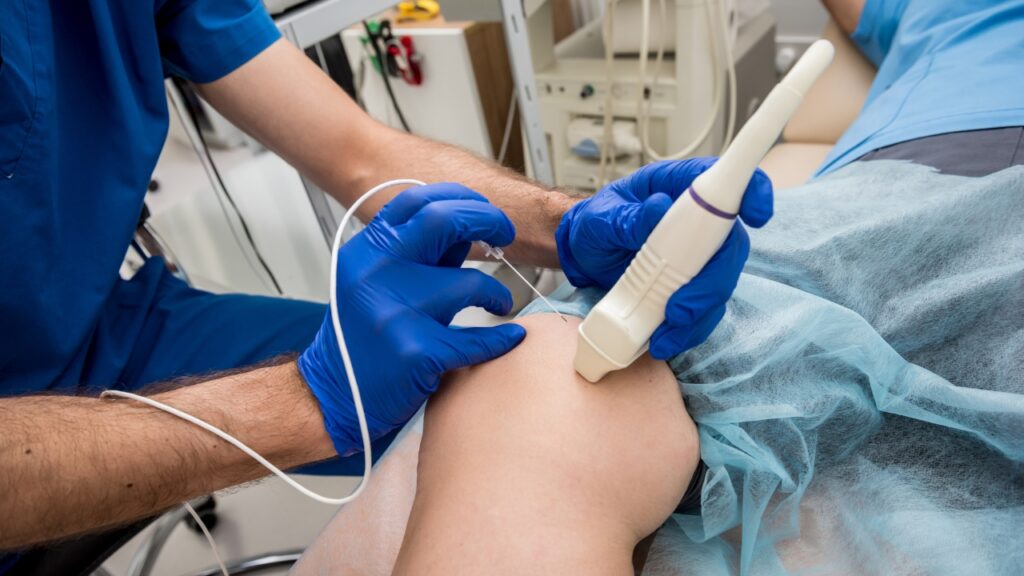
Radiofrequency ablation (RFA) is a minimally invasive medical procedure for larger varicose veins. It works by using heat generated from radiofrequency energy to damage the vein’s walls, causing it to collapse, scar, and eventually disappear.
Endovenous laser ablation
Endovenous laser ablation therapy (EVLT) treats varicose veins by using heat to damage and close off the problematic veins. A thin catheter is inserted into the affected vein, through which radiofrequency or laser energy is delivered, causing the vein to collapse and eventually be reabsorbed by deeper veins in the body.
Additional treatment options for varicose veins
Speak with your vein specialist about the numerous treatment options available to suit your individual needs, including:
Remember, each individual is different, and what works best for one person may not work well for another. It’s essential to consult with a healthcare professional specializing in vein treatment to discuss these options.
What is the cost of spider vein and varicose vein treatments?
Both spider vein and varicose vein treatments’ costs can vary widely depending on the severity of the condition, the specific treatment recommended, and the geographic location. In San Diego, California, these costs tend to be slightly higher than the national average due to the higher cost of living and medical services.
It’s highly recommended to consult with a vein specialist who can provide a detailed cost estimate based on your specific condition and treatment plan.
Frequently asked questions
While spider and varicose veins are related, spider veins do not necessarily turn into varicose veins. They are separate conditions, though they may occur simultaneously.
If you notice a sudden increase in the size or number of your spider or varicose veins, or if they become painful or tender to the touch, it may be time to consult a doctor. Other warning signs include changes in skin color around the vein, inflammation, or if the veins start to bleed.
Complications from spider and varicose veins can range from mild to severe. These complications can greatly impact a person’s quality of life and potentially lead to more serious health conditions.
- Spider veins: Although typically harmless, complications may include slight discomfort, burning, or itching. More severe cases may lead to skin ulcers.
- Varicose veins: These can cause aching pain and discomfort. In severe cases, large varicose veins might lead to more serious health problems like venous leg ulcers, blood clots, deep vein thrombosis, or skin infections.
Results from spider vein and varicose vein treatments can vary significantly depending on the individual’s health status and the specific treatment method used. Typically, most patients may observe noticeable improvements within a few weeks to several months post-treatment.
Yes, compression stockings can be beneficial in managing both spider veins and varicose veins. They work by applying pressure to your legs and veins, which can help blood flow more efficiently to healthy veins and alleviate symptoms such as swelling, aching, and heaviness. Visit your local medical supply stores for compression stocking options.
Yes, several natural remedies may help manage the symptoms. In addition to the lifestyle modifications we addressed above, here are some additional natural remedies to consider:
- Healthy diet: Consuming a diet rich in fiber and low in salt can help reduce swelling caused by water retention.
- Plant extracts: Certain plant extracts, such as horse chestnut, grape seed extract, and pine bark, are known for their potential benefits in vein health.
Bottom line
Spider and varicose veins are manifestations of venous insufficiency but differ in appearance, severity, and treatment. Although less severe, spider veins may cause discomfort and aesthetic concerns, while varicose veins can potentially lead to serious health complications if left untreated. Fortunately, advancements in medical technology have led to many safe and effective treatment options for both conditions.
Editorial standards
All iThriveVeins content is medically reviewed by board-certified vein specialists and written following evidence-based guidelines. We source our information from peer-reviewed medical journals, clinical studies, and established medical organizations. Our editorial process ensures accuracy, objectivity, and relevance to patient needs.