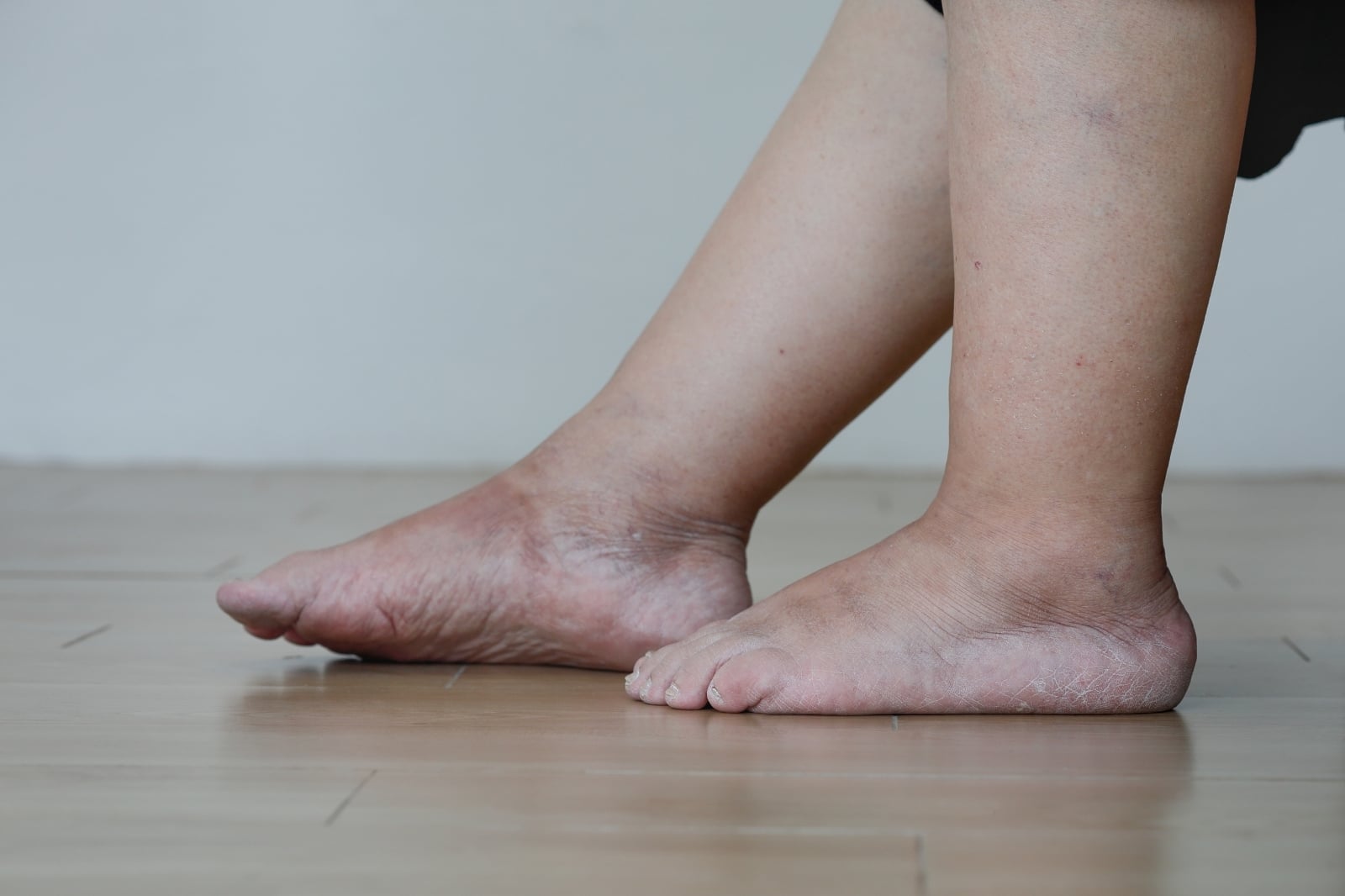
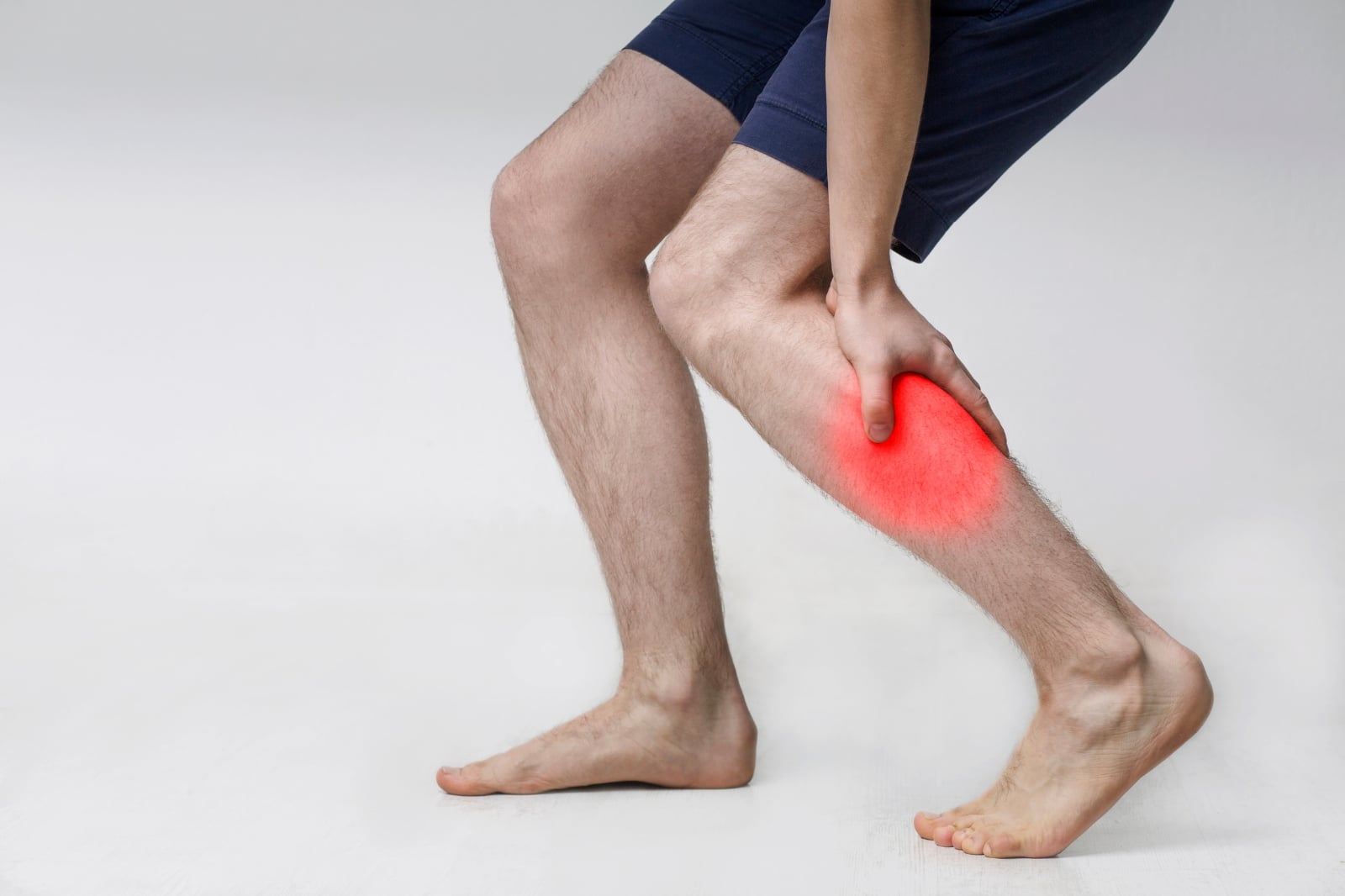
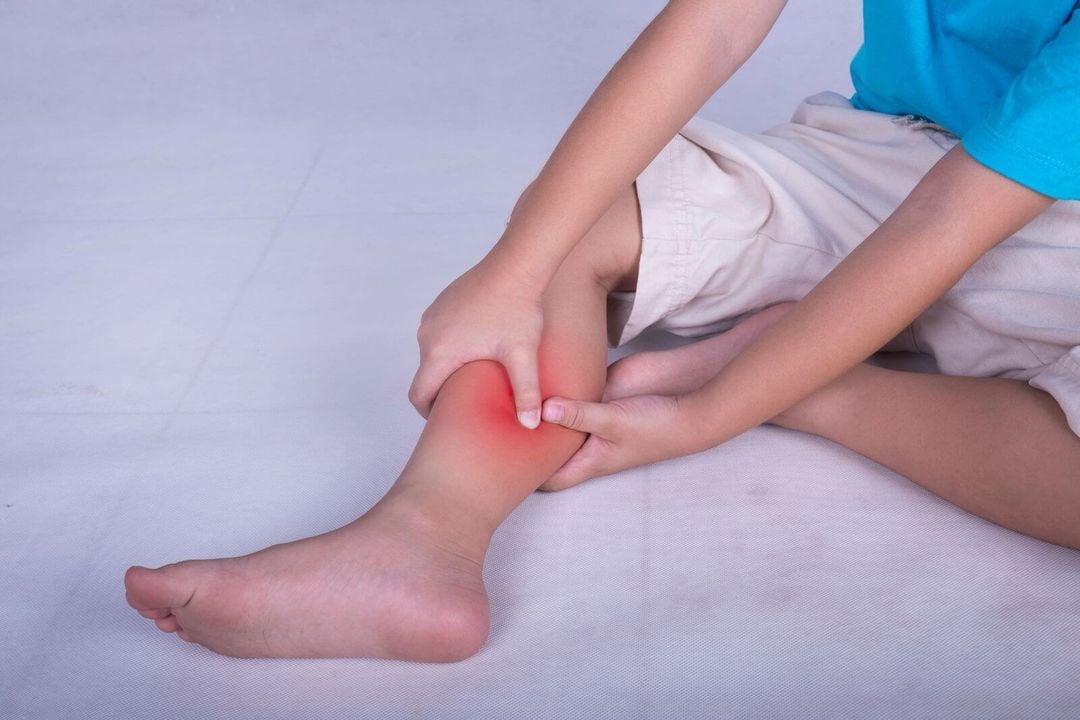
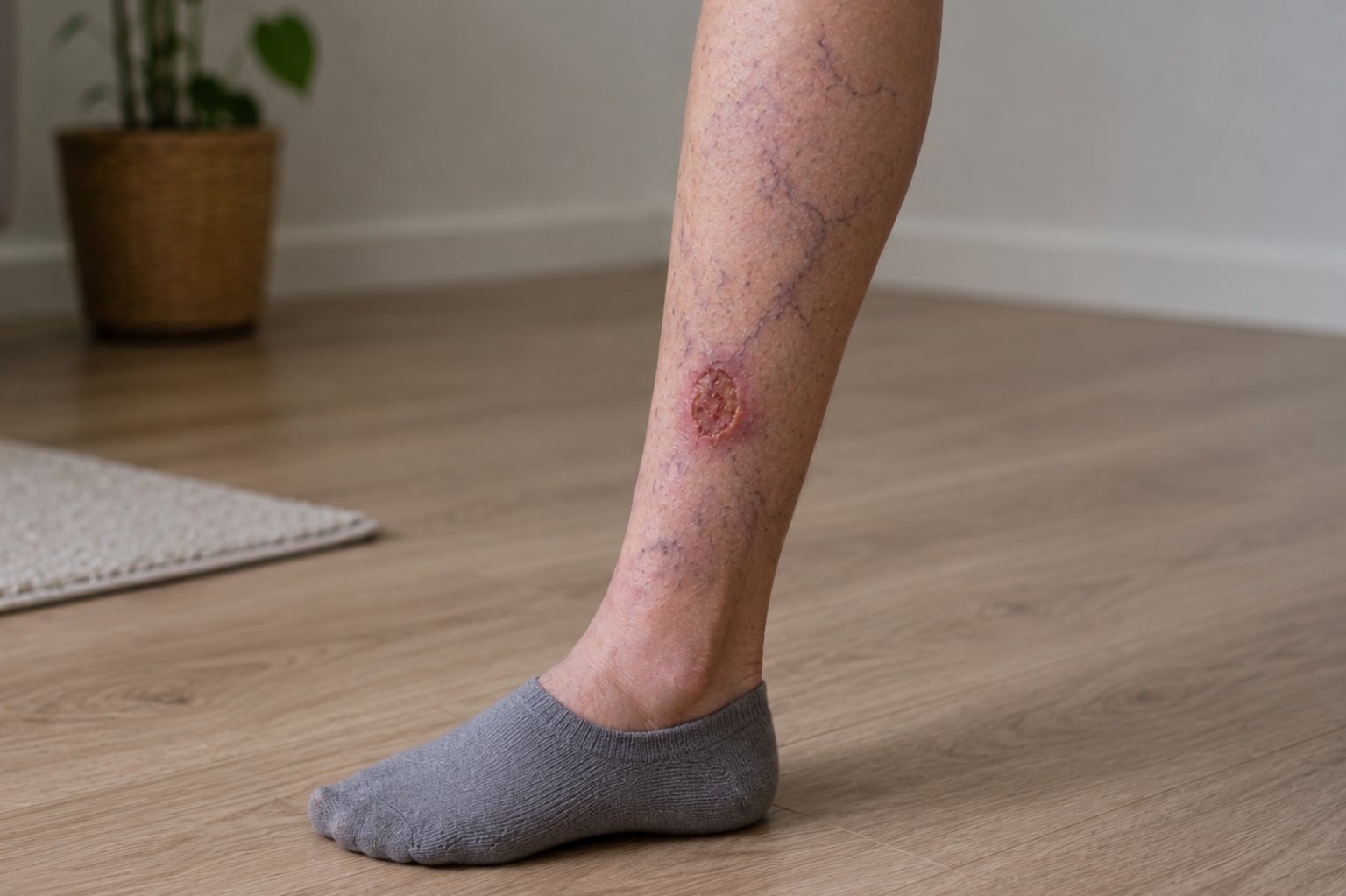
Complications of itchy legs can vary depending on the underlying cause. However, some potential complications may include sleep disturbances, anxiety, depression, skin injury, infection, and scarring.
Symptom Guide
Itchy Lower Legs: Causes & Treatment Options to Relieve It
Are you wondering why your lower legs itch? Find out the causes of itchy lower legs and explore various treatment options to alleviate discomfort.


Key takeaways
- Itchy lower legs can significantly impact daily life and quality of life.
- Seek professional help if your itchy legs persist or worsen, as they can be a symptom of an underlying medical condition.
- Itchy legs can be a symptom of underlying medical conditions such as vein disease, diabetes, kidney disease, and thyroid disorders.
Table Of Contents
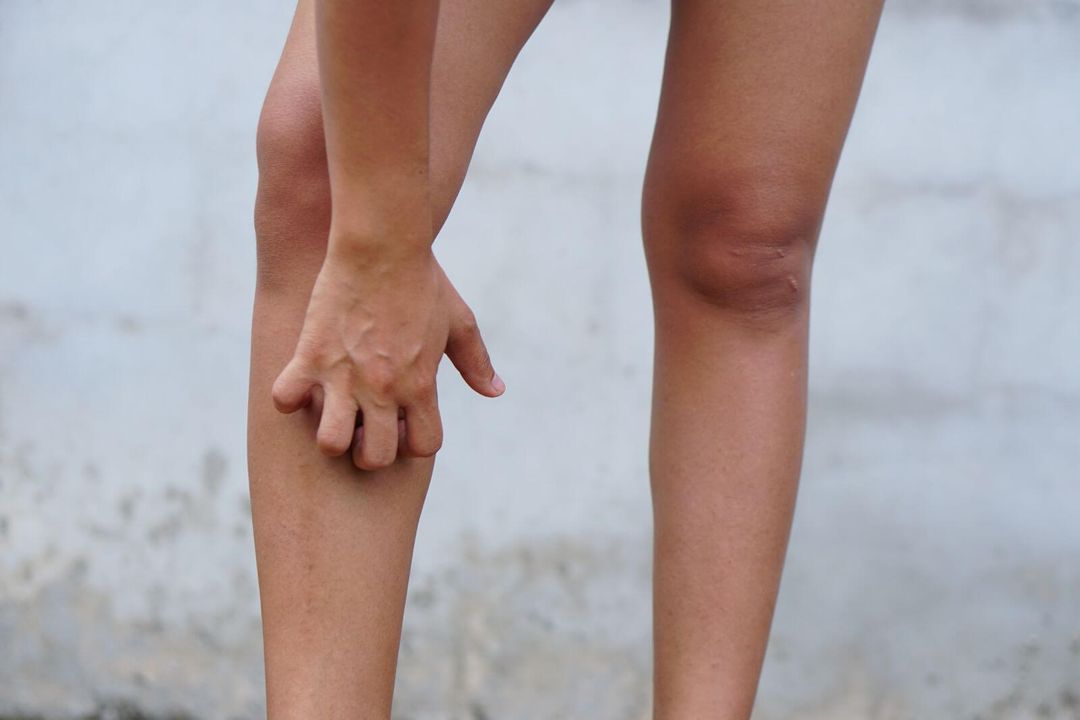
Itchy lower legs can be a bothersome and uncomfortable condition that can significantly impact your daily life and quality of life. Understanding the causes behind this itchiness is crucial in finding effective treatment options.
In this article, we will explore common causes of itchy lower legs and discuss various treatment approaches. Additionally, we will delve into how itchy legs can be a symptom of underlying medical conditions such as vein disease, diabetes, kidney disease, and thyroid disorders.
Impact on daily life and quality of life
The constant urge to scratch can be distracting and make it difficult to focus on the tasks at hand. It can also disrupt your sleep, leading to fatigue and irritability. Furthermore, persistent itching can cause skin damage and increase the risk of infection if left untreated.
Common causes of itchy lower legs
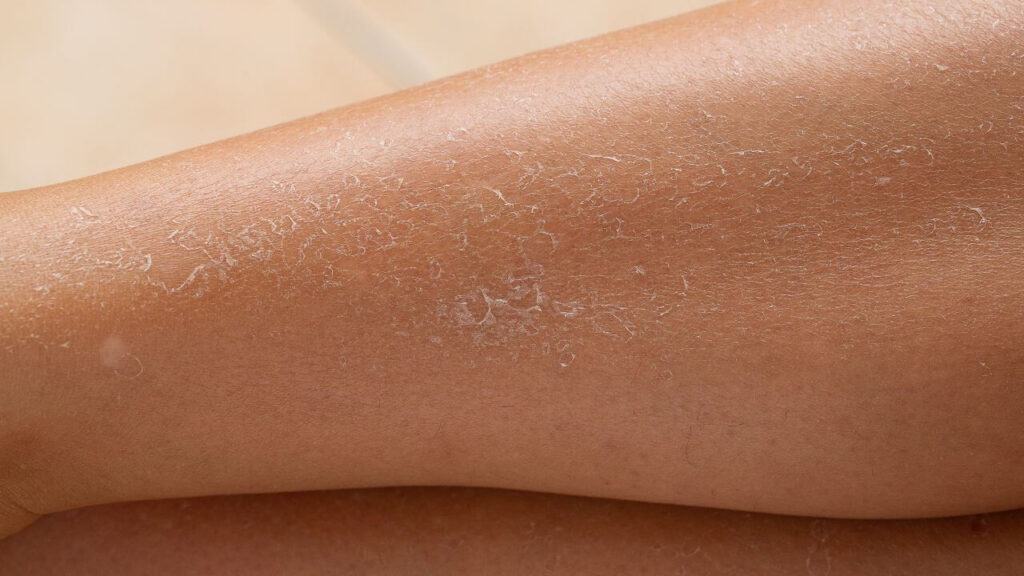
Several factors can contribute to itchy lower legs. Let’s explore some of the most common causes:
- Dry skin and lack of moisture: Dry skin is a common cause of itching. When the skin lacks moisture, it becomes dry and flaky, leading to itchiness. Dry skin can be exacerbated by factors such as cold weather, low humidity, and frequent hot showers.
- Allergic reactions and irritants: Allergic reactions to certain substances or exposure to irritants can trigger itchiness on the lower legs. Common culprits include harsh soaps, detergents, fragrances, and certain fabrics.
- Eczema: Also known as atopic dermatitis, is a chronic skin condition characterized by inflamed and itchy skin. It commonly affects the lower legs, leading to persistent itching and discomfort.
- Psoriasis: Psoriasis is another chronic skin condition that can cause itchy lower legs. It is characterized by the rapid buildup of skin cells, leading to red, scaly patches. It can affect various parts of the body, including the lower legs.
- Insect bites and stings: Insect bites and stings, such as those from mosquitoes or fleas, can cause localized itching on the lower legs. The body’s immune response to the insect’s saliva or venom often leads to an itchy, red bump.
- Medications and side effects: Certain medications, such as opioids, anticoagulants, and chemotherapy drugs, can cause itchiness as a side effect.
Is itchy legs a symptom of something?
Itchy lower legs can also indicate underlying medical conditions. Here are some conditions that may cause itchiness in the legs:
Vein disease
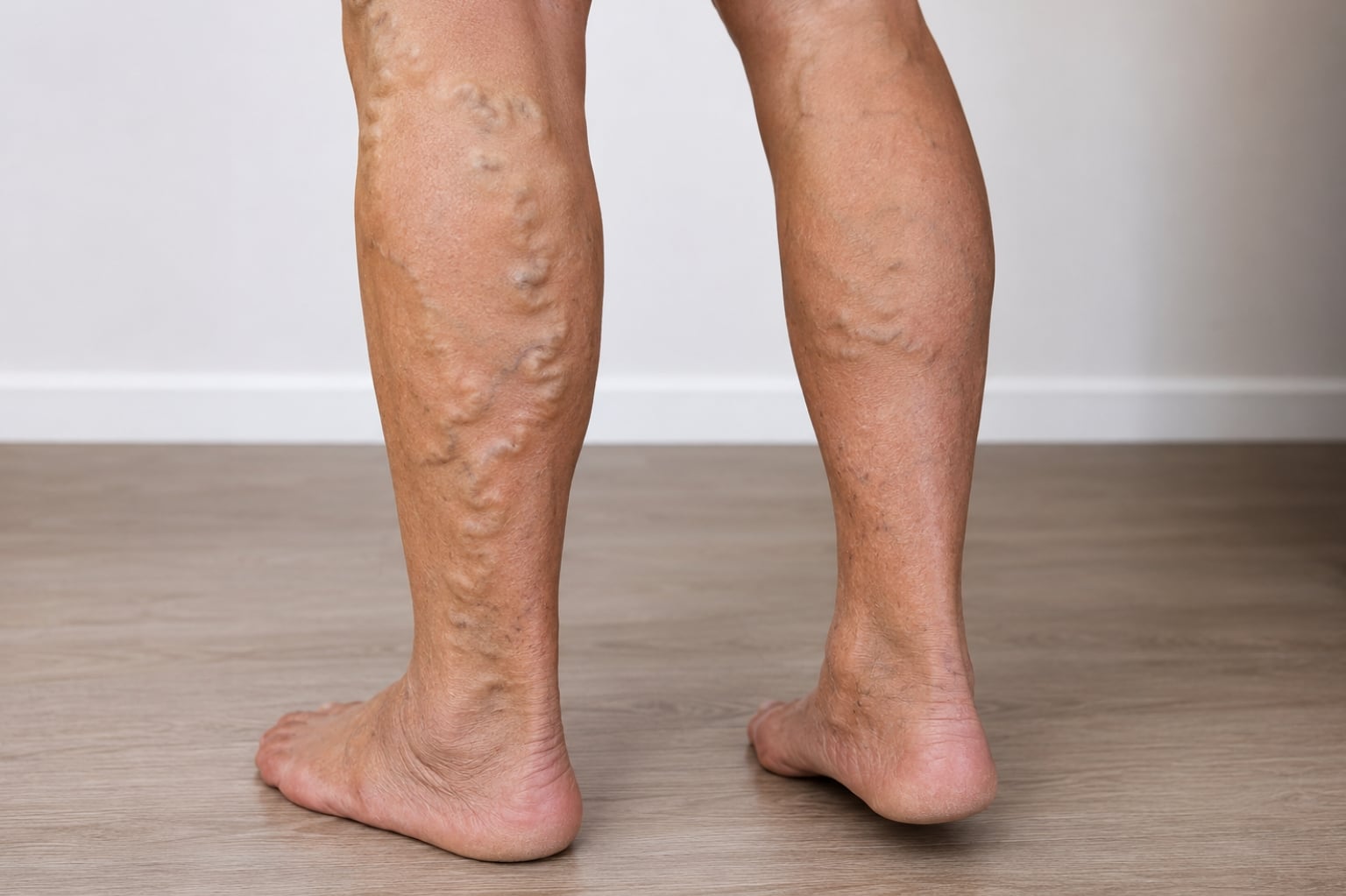
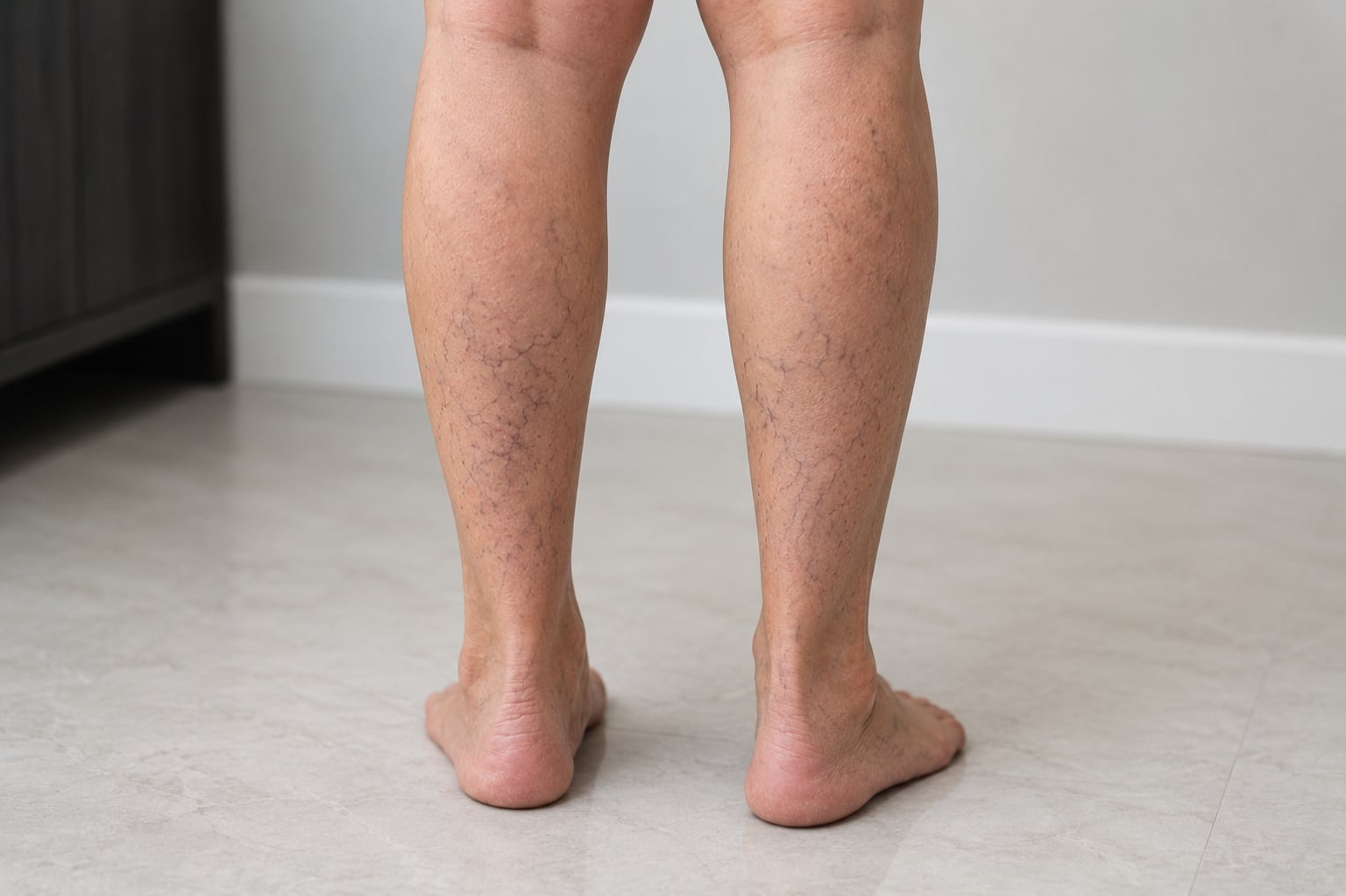
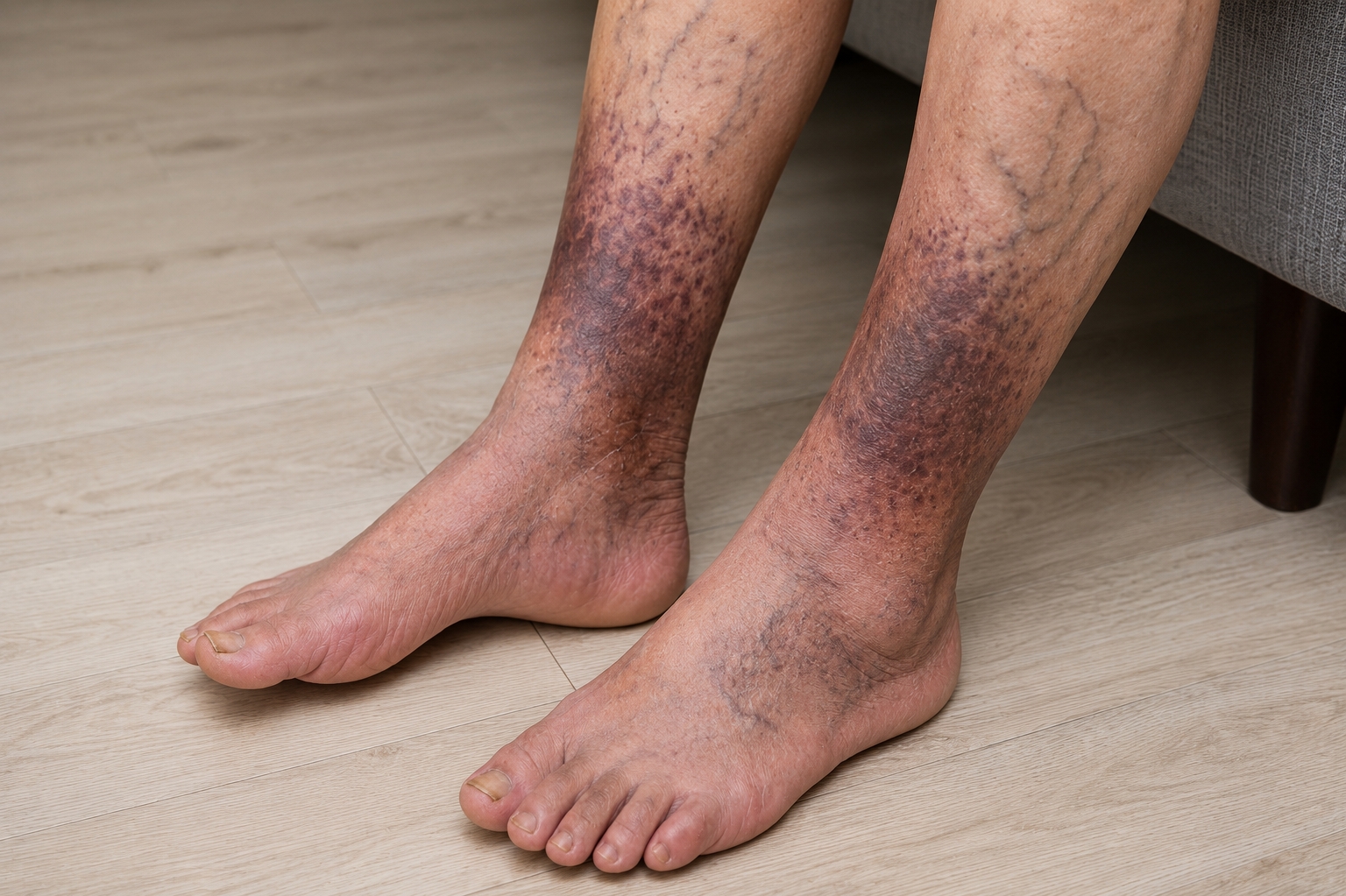
Vein diseases like chronic venous insufficiency (CVI), varicose veins, and spider veins can cause itchy lower legs. These conditions affect the proper functioning of the veins, leading to blood pooling and increased pressure in the legs. This can result in itchiness, along with other symptoms like swelling and pain.
How to identify if the internal itching sensation in the lower legs is related to vein disease?
If you experience persistent itching along with symptoms like leg pain, swelling, heavy legs, and skin discoloration, it may indicate vein disease. It is advisable to consult with a vein specialist for a detailed evaluation.
Diabetes
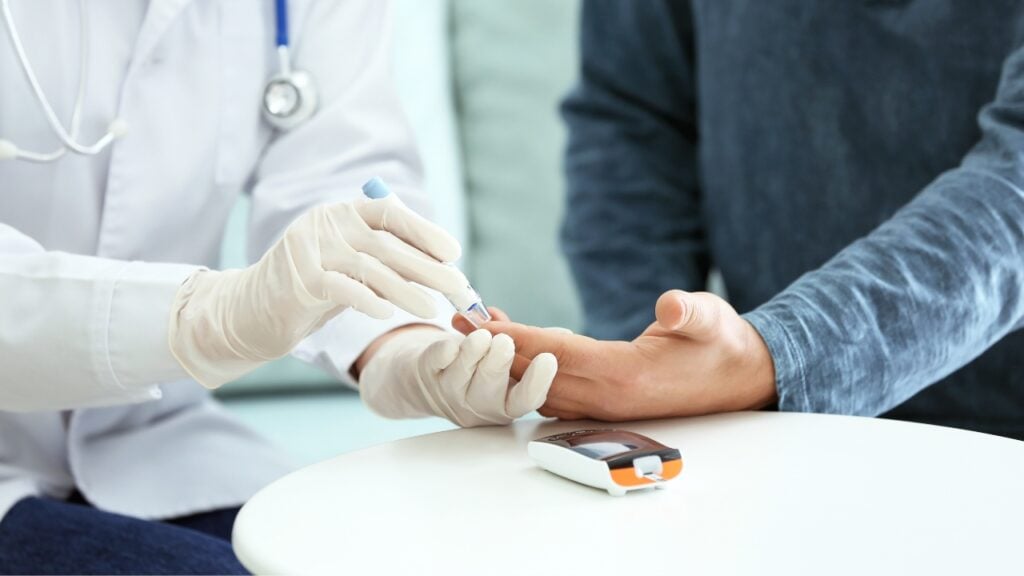
Diabetes can also contribute to itchy lower legs. High blood sugar levels can damage the nerves and lead to a condition called diabetic neuropathy. Itchy lower legs may be accompanied by other symptoms such as numbness, tingling, and burning sensations.
Liver disease
Liver disease, such as cirrhosis or hepatitis, can cause itchy lower legs. When the liver is unable to process toxins efficiently, they accumulate in the body and trigger itching
Kidney disease

Kidney disease can cause itchiness all over the body, including the lower legs. When the kidneys are not functioning properly, toxins build up in the bloodstream, leading to itchiness. Additionally, imbalances in minerals and nutrients can also contribute to itchy skin.
Thyroid disorders
Thyroid disorders, particularly hypothyroidism, can result in itchy lower legs. An underactive thyroid slows down various bodily functions, including the skin’s ability to retain moisture. This can lead to dryness and itching.
How to get rid of the internal itching sensation in the lower legs?

There are actions you can take at home to alleviate the internal itching sensation in your lower legs. Here are some tips:
- Keep your skin moisturized by applying a gentle moisturizer regularly.
- Avoid hot showers or baths, as hot water can strip the skin of its natural oils and worsen dryness.
- Wear loose-fitting clothing made of breathable fabrics to allow airflow and prevent friction.
- Avoid scratching, as it can further irritate the skin and lead to skin infections.
- Apply cold compresses to the itchy areas to provide temporary relief.
Treatment options to treat itchy sensations in the lower legs due to vein disease
If vein disease is the cause of your itchy lower legs, the following treatment options may be recommended:
Lifestyle changes

Making lifestyle changes such as exercising regularly, maintaining a healthy weight, elevating your legs, and avoiding prolonged periods of sitting or standing can help improve blood circulation and alleviate itching.
Compression stockings

Compression stockings are specially designed stockings that provide graduated pressure to the legs, improving blood flow and reducing swelling. They can help alleviate itching and other symptoms associated with vein disease.
Minimally invasive treatment
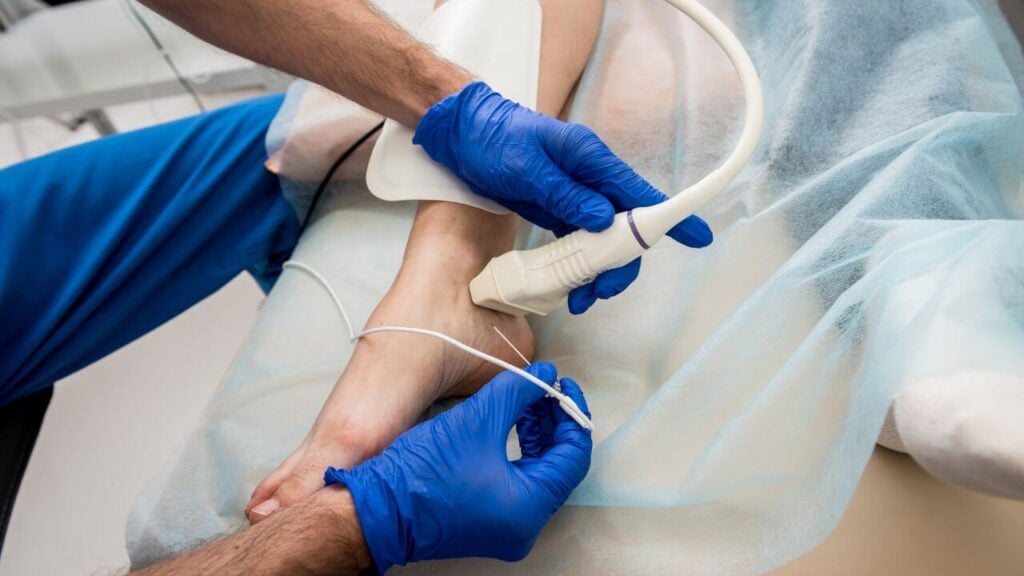
Minimally invasive treatments like sclerotherapy, endovenous laser treatment (EVLT), and radiofrequency ablation (RFA) can effectively treat underlying vein conditions, reduce itching, and improve overall leg health.
Surgery
Usually reserved for severe cases of vein disease that haven’t responded to other treatment options. The surgical procedures aim to remove or close off affected veins, improving blood flow and reducing itching.
When should you be concerned about itchy legs?
While most cases of itchy legs can be attributed to common causes and resolved with simple remedies, there are situations where you should seek medical attention. Consult a healthcare professional if you experience:
- Severe itching that interferes with daily activities and sleep.
- Itching is accompanied by other concerning symptoms like redness, swelling, or rash.
- Itching that persists for an extended period despite home remedies or over-the-counter treatments.
- Itching that worsens or spreads to other areas of the body.
Remember, it is always better to get a proper diagnosis from a medical professional to ensure appropriate treatment.
Frequently asked questions
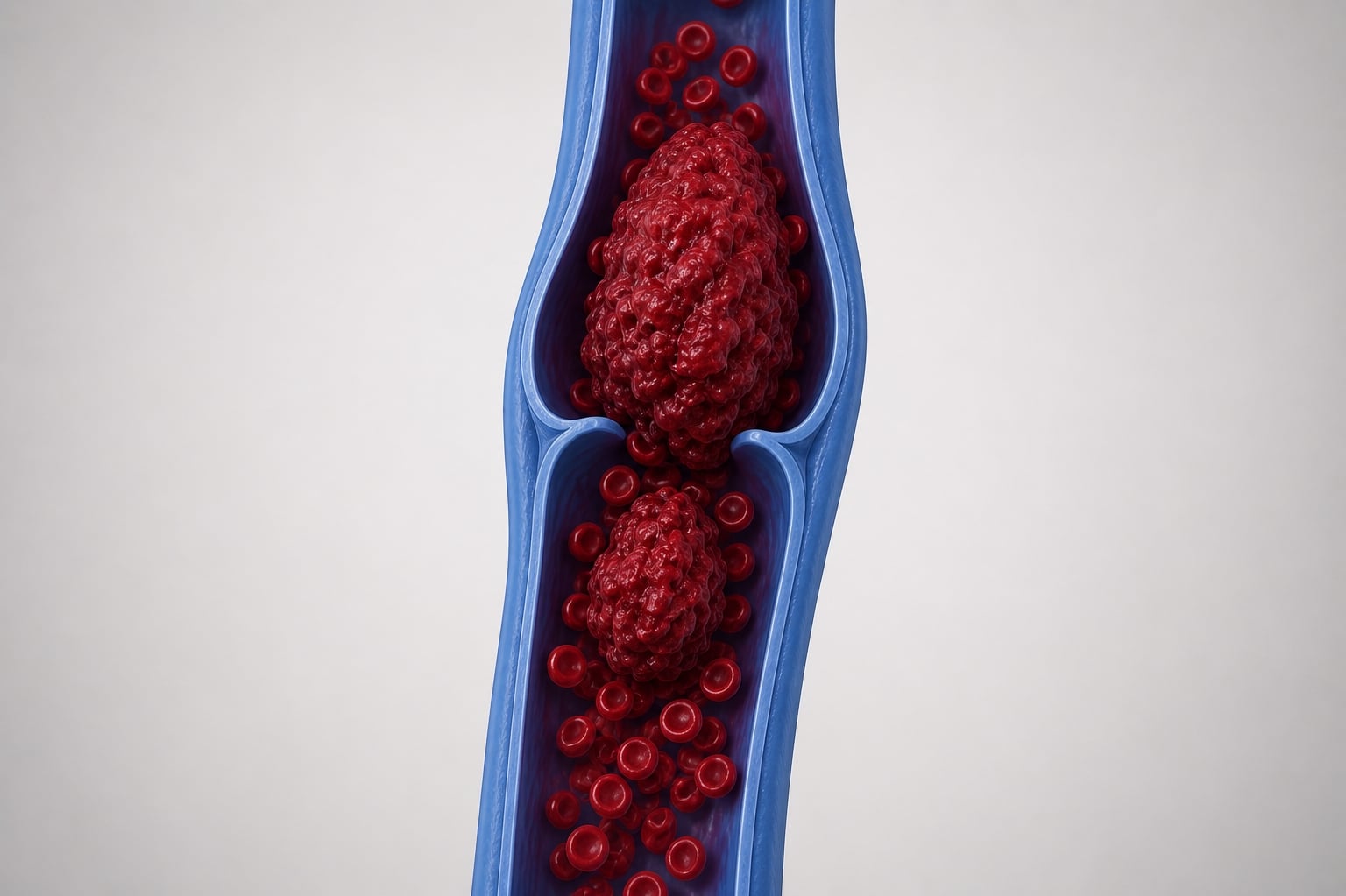
Yes, blood clots can cause itchy legs, especially if the clot is located deep within the veins (deep vein thrombosis). If you suspect a blood clot, seek immediate medical attention.
The best medicine for itchy legs depends on the underlying cause. Antihistamines or topical corticosteroids may be prescribed to alleviate itching associated with certain skin conditions. However, it’s important to consult a healthcare professional for an accurate diagnosis and appropriate treatment.
Bottom line
Itchy lower legs can be caused by a range of factors, from common conditions like dry skin to underlying medical issues such as vein disease or diabetes. Understanding the causes and seeking appropriate treatment is vital for finding relief and improving your quality of life.
- National Institutes of Health. 2021. Current Clinical Options for the Management of Itch in Atopic Dermatitis.
- National Institutes of Health. 2024. Eczema.
- National Institutes of Health. 2015. Pruritus in Kidney Disease.
- MedicalNewsToday. 2023. Managing psoriasis on the feet.
- MedicalNewsToday. 2023. What to know about opioid-induced itching.
- MedicalNewsToday. 2024. Does diabetes cause itching?
- MedicalNewsToday. 2022. What to know about hyperthyroid rash.
- HealthMatch. 2023. Liver Disease And Itching.
Editorial standards
All iThriveVeins content is medically reviewed by board-certified vein specialists and written following evidence-based guidelines. We source our information from peer-reviewed medical journals, clinical studies, and established medical organizations. Our editorial process ensures accuracy, objectivity, and relevance to patient needs.