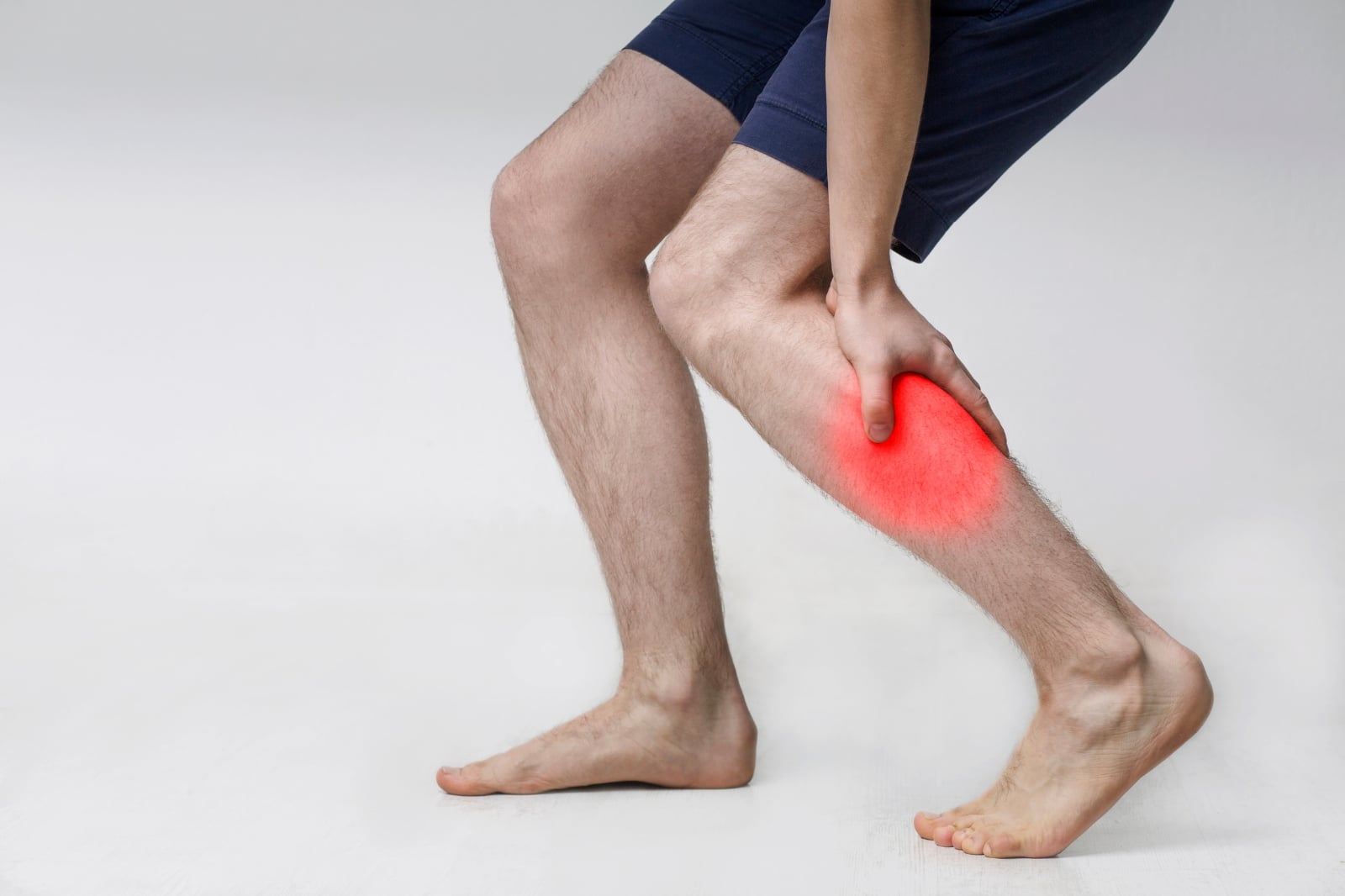
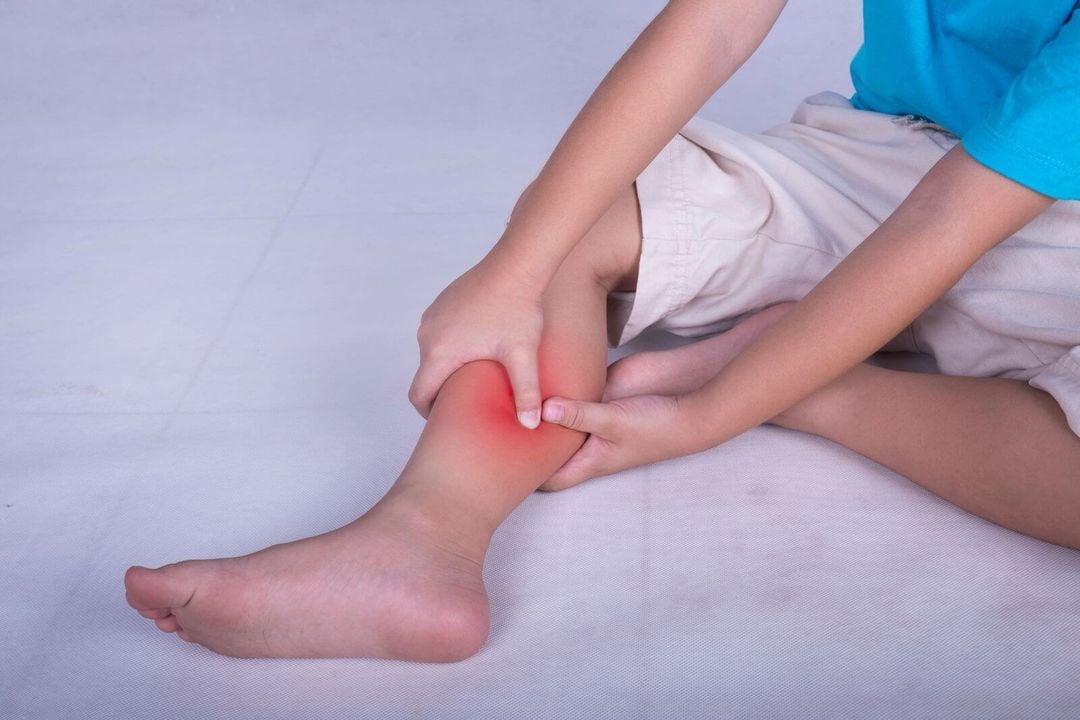
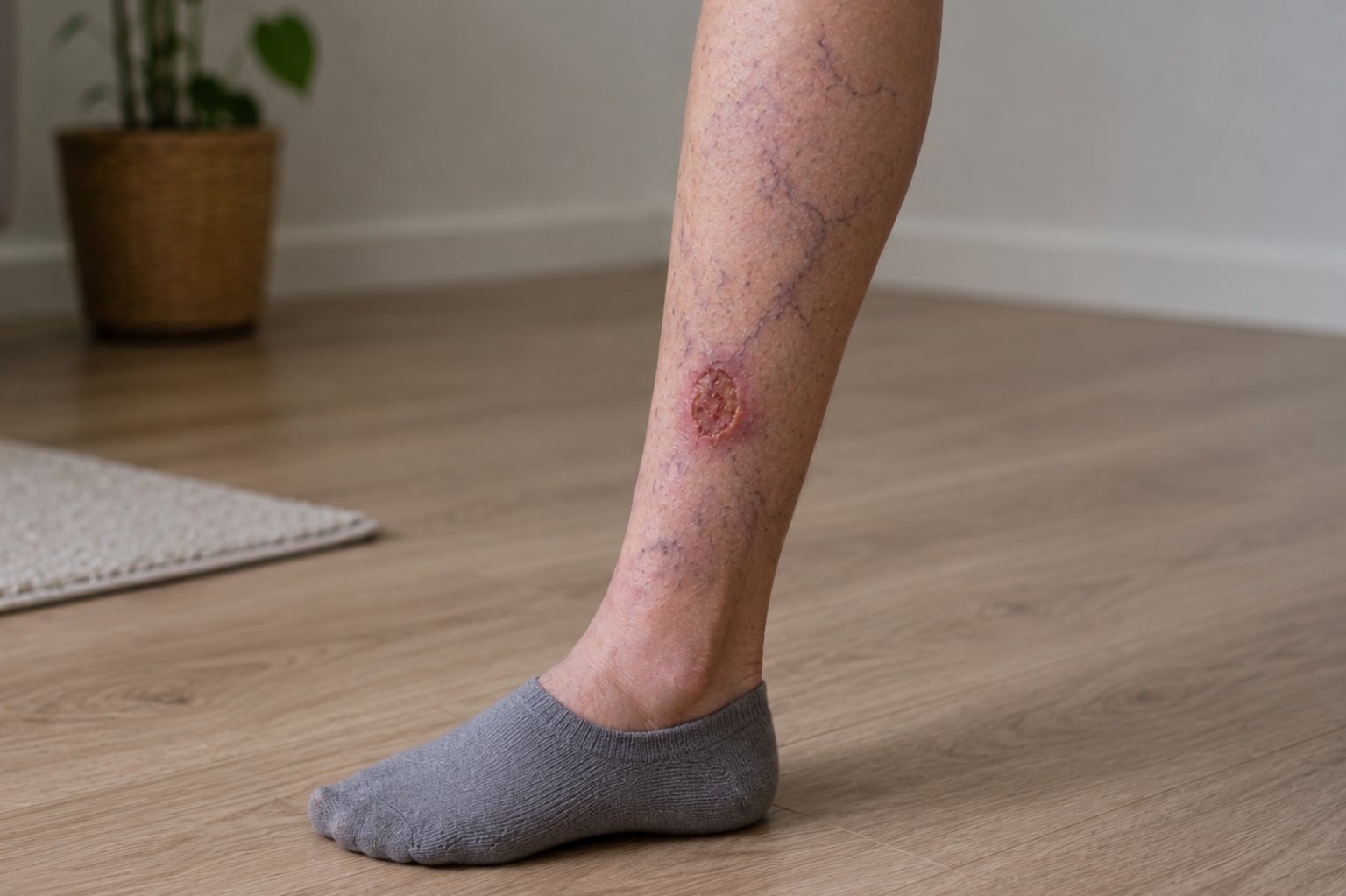
The leading causes of blood clots in legs are age, lack of movement, injury or surgery, pregnancy, taking birth control pills or hormone replacement therapy, being overweight or obese, smoking, cancer, sedentary behavior, family history of blood clots, having a long-term indwelling catheter, and polycythemia vera.
Symptom Guide
What Causes Blood Clots in Legs: Understanding Deep Vein Thrombosis
Wondering about blood clots in legs? Discover common causes, warning signs, & effective treatment options that help prevent complications & improve circulation


Key takeaways
- Blood clots in the legs are composed of platelets, proteins, and fibrin, which can cause deep vein thrombosis (DVT).
- DVT is caused by slowed blood flow, hypercoagulation, damage to the vein wall, and certain medical conditions.
- Early movement, physical therapy, compression devices & anticoagulant medication are effective preventive measures for reducing the risk of DVT.
Table Of Contents
Understanding blood clots in legs
Blood clots in the legs, primarily due to deep vein thrombosis (DVT), form in the body’s deep veins, mainly affecting the lower leg and thigh. Untreated DVT can result in complications like post-thrombotic syndrome, venous hypertension, persistent pain, swelling, and skin changes.
Composition of blood clots
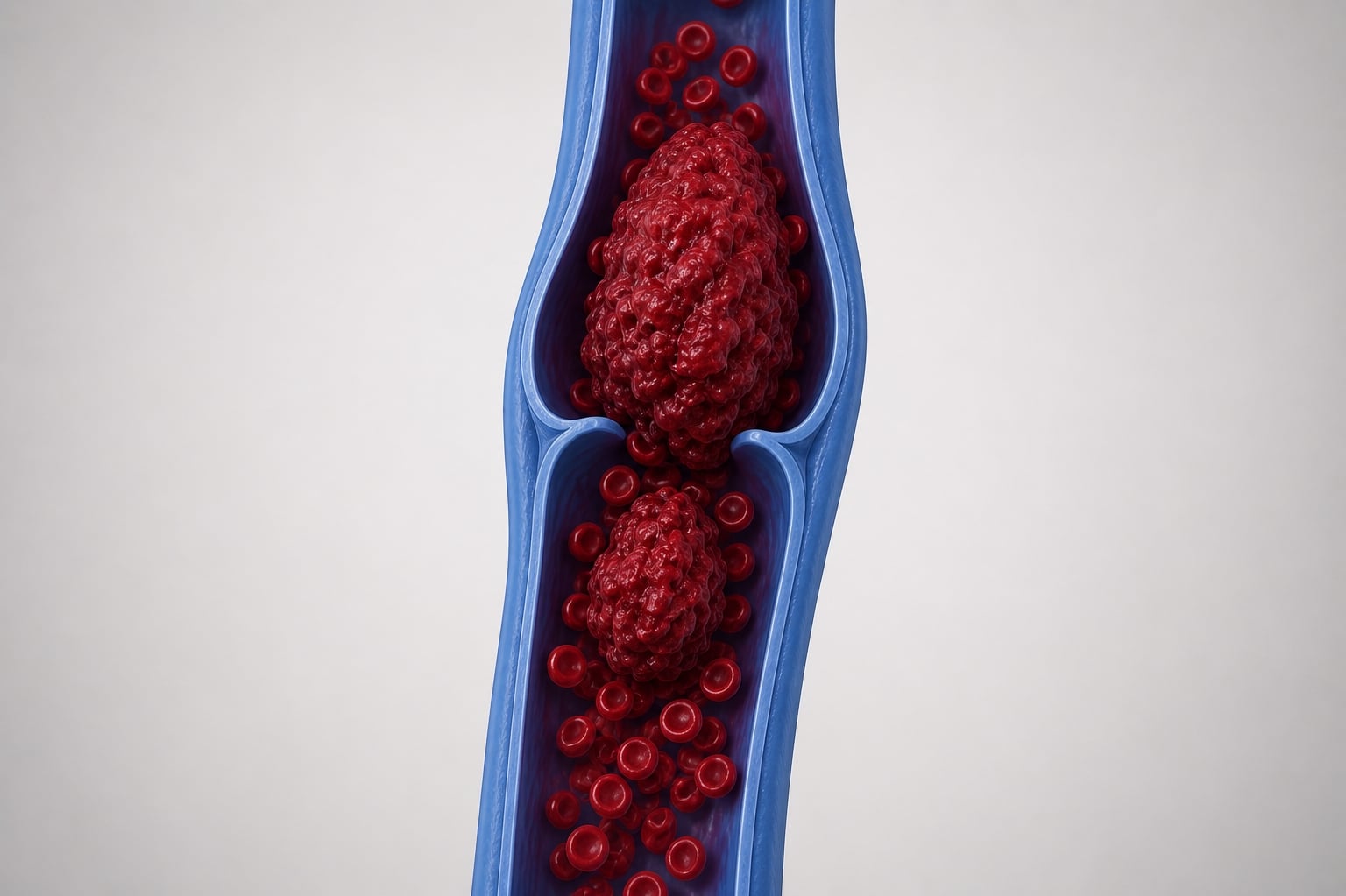
Blood clots consist of platelets, plasma proteins, and fibrin. They function to seal damaged blood vessels and prevent further bleeding. Platelets form a plug at the injury site, while fibrin strengthens this plug, creating a stable clot. However, an imbalance or overactivity of these clotting elements can result in venous blood clots, posing a risk for deep vein thrombosis and other complications.
Understanding the role of platelets and fibrin in clot formation is crucial for identifying risk factors and implementing preventive measures. For example, certain clotting disorders may cause an overproduction of blood cells, increasing the likelihood of large clot formation and leading to serious health concerns.
Appearance of blood clots

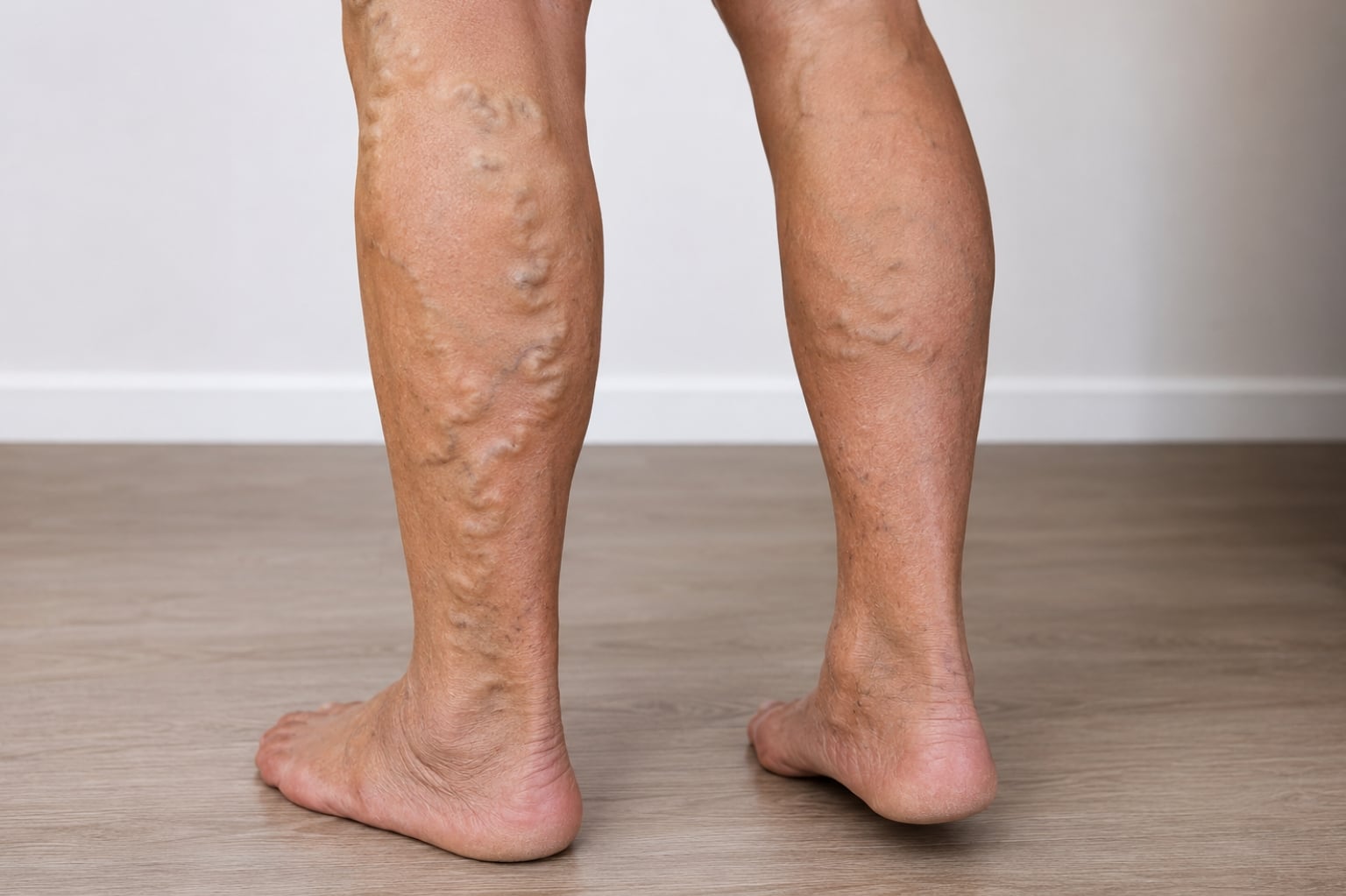
Blood clots may appear as a clump of reddish jelly held in place with netting containing platelets, fibrin, and red blood cells. Visually identifying a blood clot in the legs can be challenging, but some signs may include:
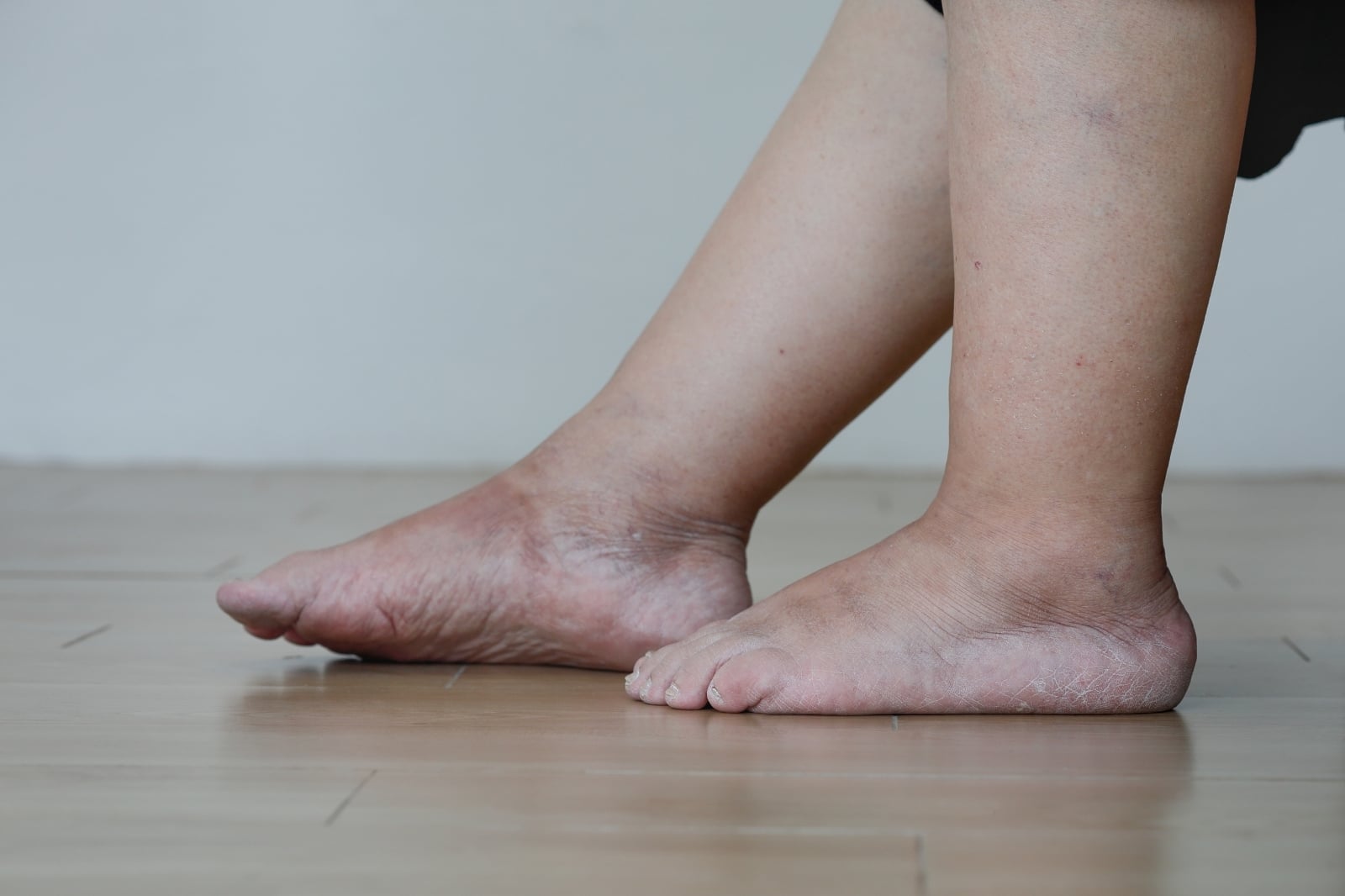
- Swelling
- Redness
- Tenderness
- Pain in the affected area
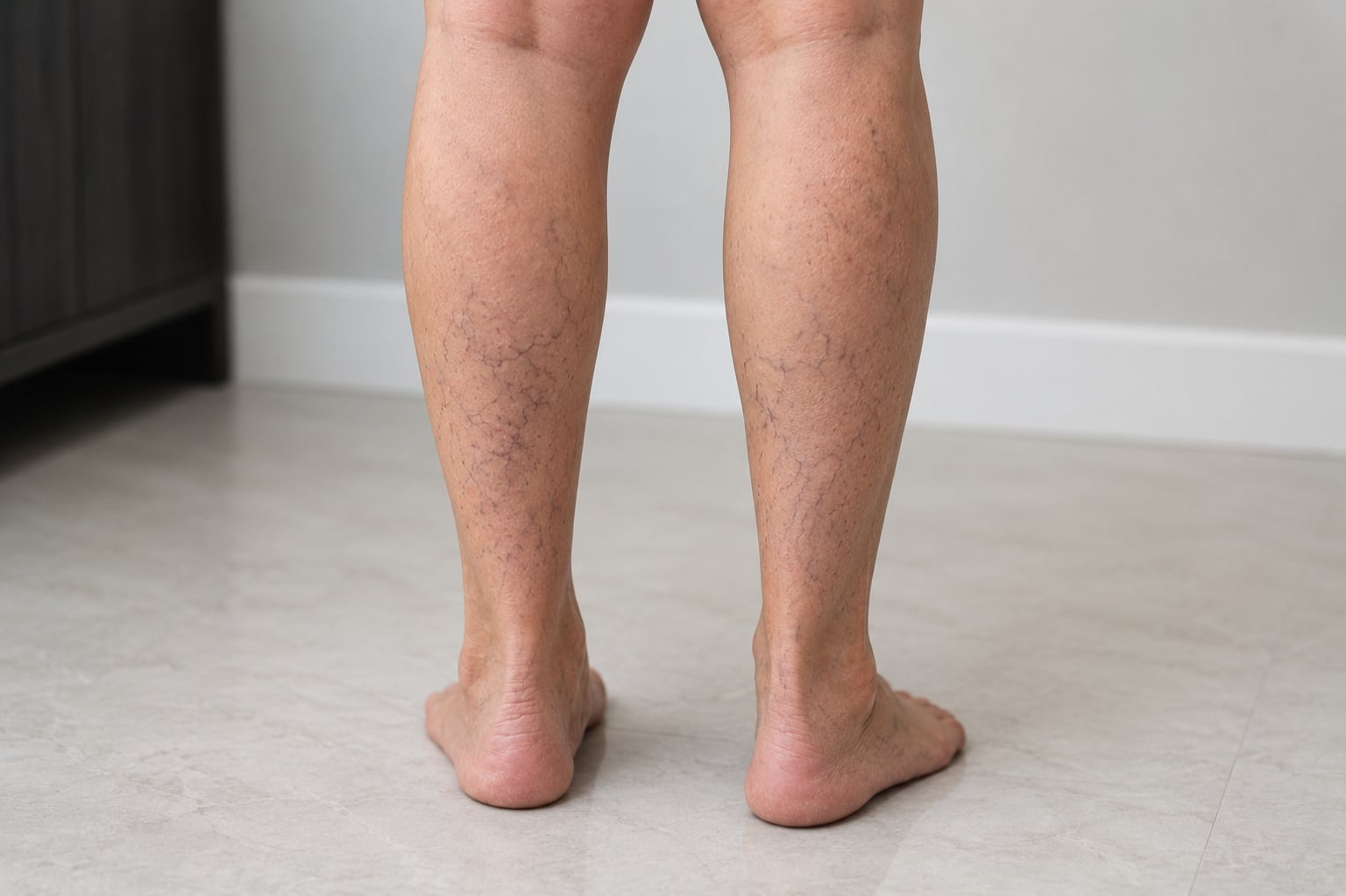
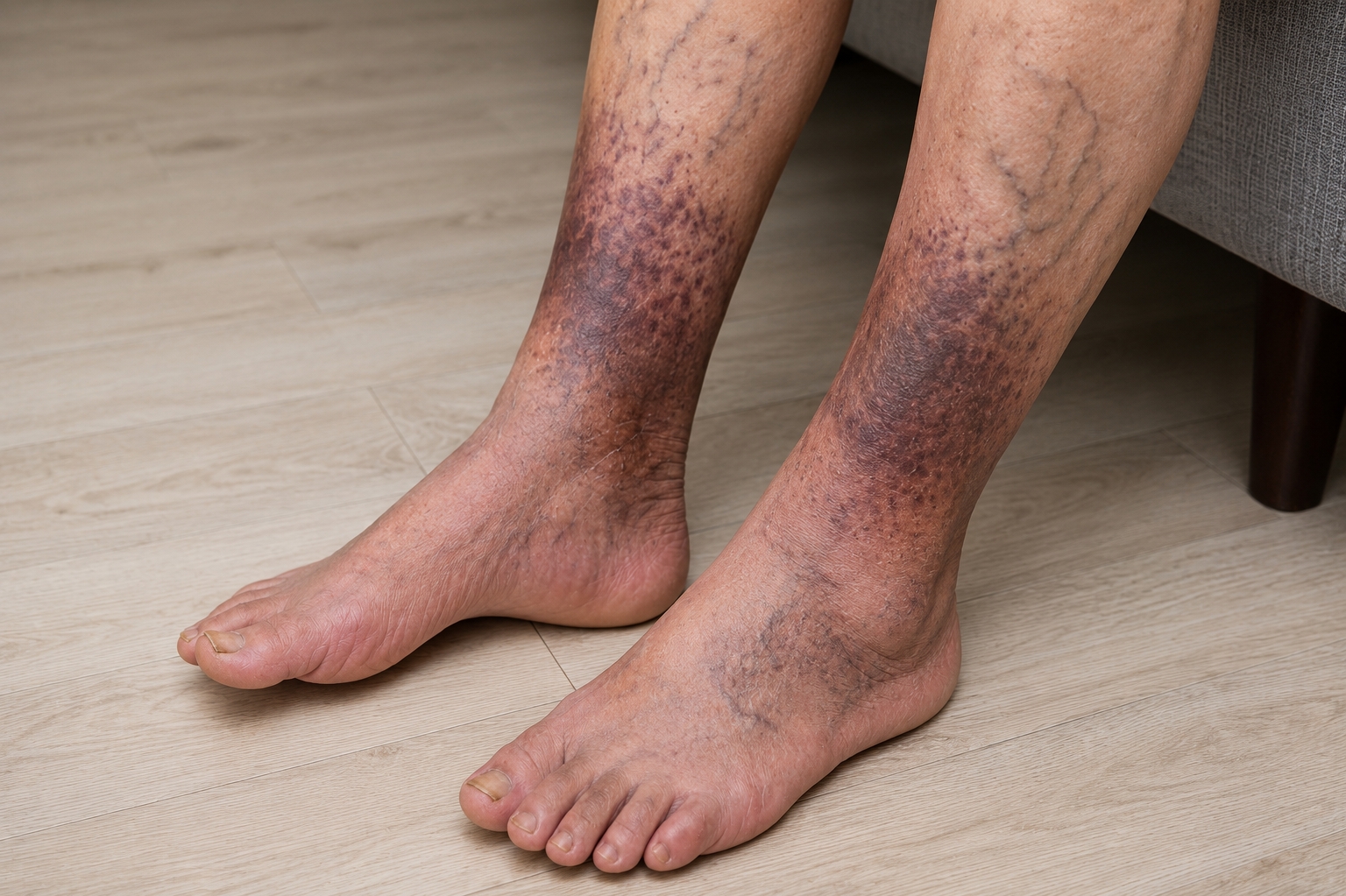
- Change in color, such as a reddish or bluish discoloration of the skin
Identifying these visual indicators enables prompt medical intervention and helps prevent further complications.
Causes of deep vein thrombosis (DVT) in legs
Deep vein thrombosis (DVT) in the legs is attributable to several factors, including slowed blood flow, hypercoagulation, and venous wall damage. Conditions such as immobility, surgical procedures, injury, pregnancy, cancer, and certain medical conditions can elevate the risk of DVT.
Orthopedic cases often present these three major factors, leading to severe health complications if clots migrate to vital organs. A detailed understanding of these factors is essential for comprehensive knowledge of DVT causes.
Reduced blood flow
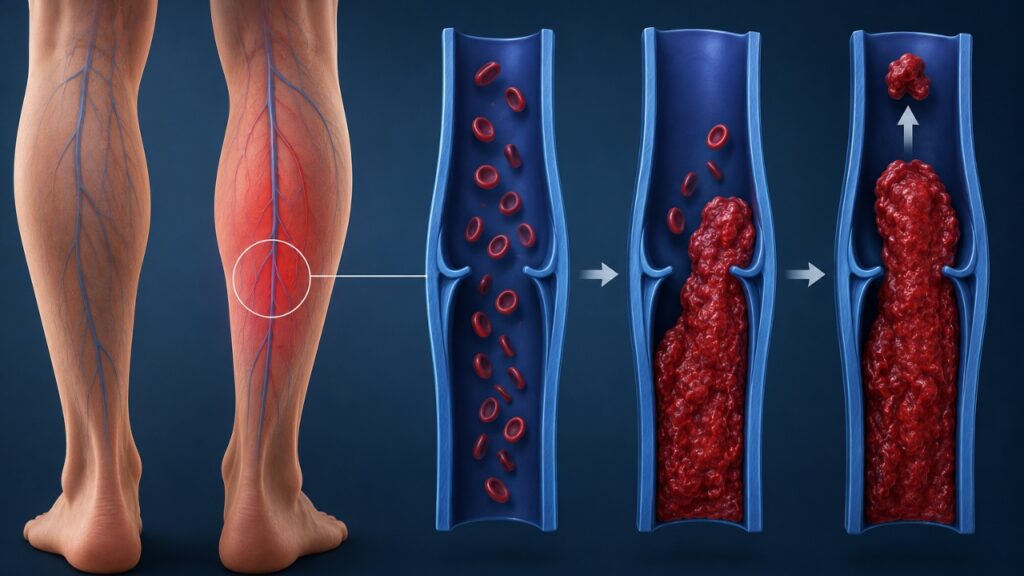
Reduced blood flow, often due to prolonged immobility or sedentariness, enhances the risk of thrombus formation in the legs. This condition, known as stasis, is characterized by sluggish blood circulation and inadequate mixing with anticoagulants. Risk factors encompass immobility, prolonged sitting, and certain medical conditions.
Reduced blood flow can precipitate thrombus formation, potentially leading to deep vein thrombosis (DVT) or pulmonary embolism. Preventive strategies such as early mobilization, physiotherapy, compression devices, and anticoagulant therapy are recommended to mitigate the risk of stasis and associated complications.
Hypercoagulation
Hypercoagulation, or the increased tendency for blood to clot, can be caused by certain medical conditions or surgical procedures. Some examples include:
- Cancer
- Lupus
- Antiphospholipid syndrome
- Hip or knee replacement surgery
- Heart valve replacement surgery
These conditions and procedures have all been linked to hypercoagulation.
Awareness of these potential causes is key since hypercoagulation can escalate the risk of blood clot formation, culminating in DVT and other complications.
Vein wall damage
Vein wall damage can stimulate blood clot formation, often from surgery, inflammation, or injury. Surgical procedures may disrupt soft tissues, releasing substances that promote clotting. This damage can elevate the risk of clot formation, potentially leading to deep vein thrombosis (DVT). Therefore, early identification and management of vein wall damage are crucial in minimizing DVT risk and its associated complications.
Varicose veins

Deep Vein Thrombosis (DVT) or Pulmonary Embolism (PE) is a grave health condition that seldom occurs with varicose veins since these veins are situated near the skin’s surface. However, severe cases of varicose veins may pose a risk for the occurrence of DVT.
Symptoms and complications of DVT
DVT can cause various symptoms and complications, including:
- Leg pain
- Swelling
- Skin changes
- Pulmonary embolism
In some cases, DVT might not present any noticeable symptoms, making identifying and treating the condition challenging. However, understanding the potential symptoms and complications of DVT can help in seeking timely medical intervention and preventing further complications.
We’ll examine the common symptoms and complications associated with DVT more thoroughly.
Leg pain, swelling, and skin changes

Leg pain, swelling, and skin color changes typically indicate blood clots in the legs. Slowed blood flow, hypercoagulation, and vein wall damage may be the underlying causes of these symptoms.
Recognizing these signs and seeking medical intervention can help diagnose and treat the condition, thus preventing complications such as post-thrombotic syndrome and pulmonary embolism.
Pulmonary Embolism
Pulmonary embolism, a life-threatening condition, occurs when a blood clot travels to the lungs and blocks blood flow. Blood clots that lead to pulmonary embolism typically originate in the legs and travel through the right side of the heart and into the lungs. Indications of pulmonary embolism can include:
- Abrupt breathlessness
- Chest pain while inhaling or coughing
- Rapid respirations
- Accelerated pulse
- Feeling lightheaded or losing consciousness
- Coughing up blood
Awareness of these signs and immediate medical attention can prevent severe complications and even fatalities.
Diagnosis and tests for DVT

Diagnosis of DVT typically involves:
- Physical exams, which might include checking for swelling, tenderness, or discoloration in the affected leg
- Blood tests, such as the D-dimer blood test, can help determine the presence of blood clots
- Imaging tests, such as duplex ultrasound, MRI scans, or venography, provide a more detailed view of the blood vessels and veins, enabling healthcare professionals to diagnose and treat DVT effectively.
Treatment options for DVT
Treatment for deep vein thrombosis encompasses nonsurgical and surgical strategies, contingent on the severity and potential complications. The treatment aims to prevent complications, reduce clot size, and inhibit clot enlargement. Nonsurgical treatments primarily consist of anticoagulants, while surgical interventions are reserved for severe cases or when nonsurgical methods prove ineffective.
Nonsurgical treatment
Nonsurgical treatment for DVT often involves:
- Anticoagulants, also known as blood thinners, help prevent blood clots from forming or enlarging
- Observation and serial ultrasound may be employed to manage an isolated, below-the-knee, or calf DVT, depending on the individual’s risk factors
- Thrombolytics, medications that dissolve clots, can also be administered by a catheter directly into the clot when there is a significant risk of pulmonary embolism
Anticoagulant medication may be prescribed for at least 3 months, with some individuals requiring longer durations or lifelong treatment.
Surgical treatment

Surgical treatment options for DVT include:
- Angioplasty: using a balloon to expand a blocked or constricted artery or vein
- Stent placement: inserting a small tube into a blocked or narrowed artery or vein to maintain its open state
- Surgical thrombectomy: the removal of a blood clot from a vein or artery
- Percutaneous transcatheter treatment: delivering medication directly to the location of a blood clot via a catheter.
The potential risks and advantages of each surgical treatment may vary based on the type of procedure and the individual patient. Still, generally, surgical treatments aim to improve blood flow, reduce the risk of further clotting, and enhance the patient’s quality of life.
Preventive measures for DVT
Preventive measures for DVT include:
- Early movement
- Physical therapy
- Compression devices
- Anticoagulant medication
Implementing these measures can help reduce the risk of developing DVT, particularly for individuals who have undergone surgery or have other risk factors.
Frequently asked questions
Injury, obesity, smoking, cancer, kidney and liver disease, and certain inherited conditions can all increase a person’s risk of forming blood clots, making them the leading cause.
Blood clots in the legs are severe and can be dangerous. The clot can travel to other parts of your body, including your lungs, where it can cause a pulmonary embolism, which can threaten your life. Therefore, being aware of the risks and taking preventive measures is essential.
To remove a blood clot in your leg, your doctor may recommend thrombectomy or use anticoagulant medicines, thrombolysis, intermittent pneumatic compression (IPC) devices, and support stockings.
Deep vein thrombosis (DVT) is a severe condition in which a blood clot forms deep within the body, usually in the large veins of the lower leg and thigh. It can cause serious health complications if left untreated.
Bottom line
Comprehensive deep vein thrombosis (DVT) knowledge is essential for optimal health management. Recognizing DVT causes, symptoms, treatments, and preventive strategies can mitigate complications and enhance patient outcomes. The cornerstone of effective DVT management lies in early detection, intervention, and prevention.
- PubMed. 2023. From varicose veins to venous thromboembolic events.
- Lupus Foundation of America. 2021. Antiphospholipid Syndrome (APS).
- National Institutes of Health. 2023. Deep Venous Thrombosis.
Editorial standards
All iThriveVeins content is medically reviewed by board-certified vein specialists and written following evidence-based guidelines. We source our information from peer-reviewed medical journals, clinical studies, and established medical organizations. Our editorial process ensures accuracy, objectivity, and relevance to patient needs.