Spider veins typically do not disappear without treatment. While symptoms may improve with lifestyle changes, the visible veins usually remain. Professional treatments are often needed for noticeable results.
Spider Vein Cure: Treatments & Prevention Tips
Looking for a spider vein cure? Learn effective treatments, prevention tips, and medical solutions to help improve vein health and appearance.



Key takeaways
- Regular exercise can help improve blood circulation and reduce the appearance of spider veins.
- Medical treatments such as sclerotherapy and laser therapy can be effective in treating spider veins.
- Consultation with a healthcare professional is crucial for proper diagnosis and personalized treatment plans.
Table Of Contents
The development of spider veins on the legs and feet is quite common and typically harmless.
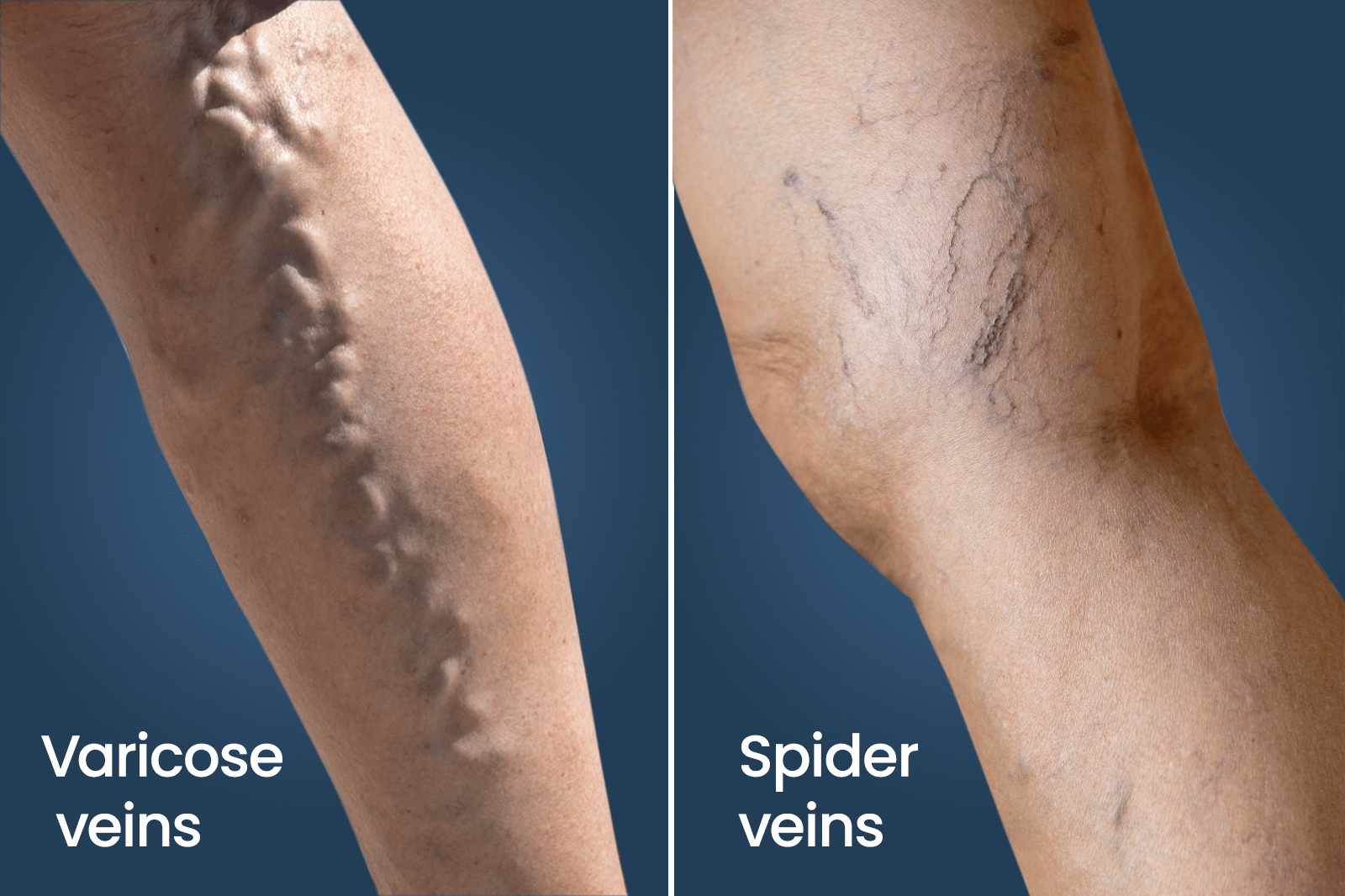
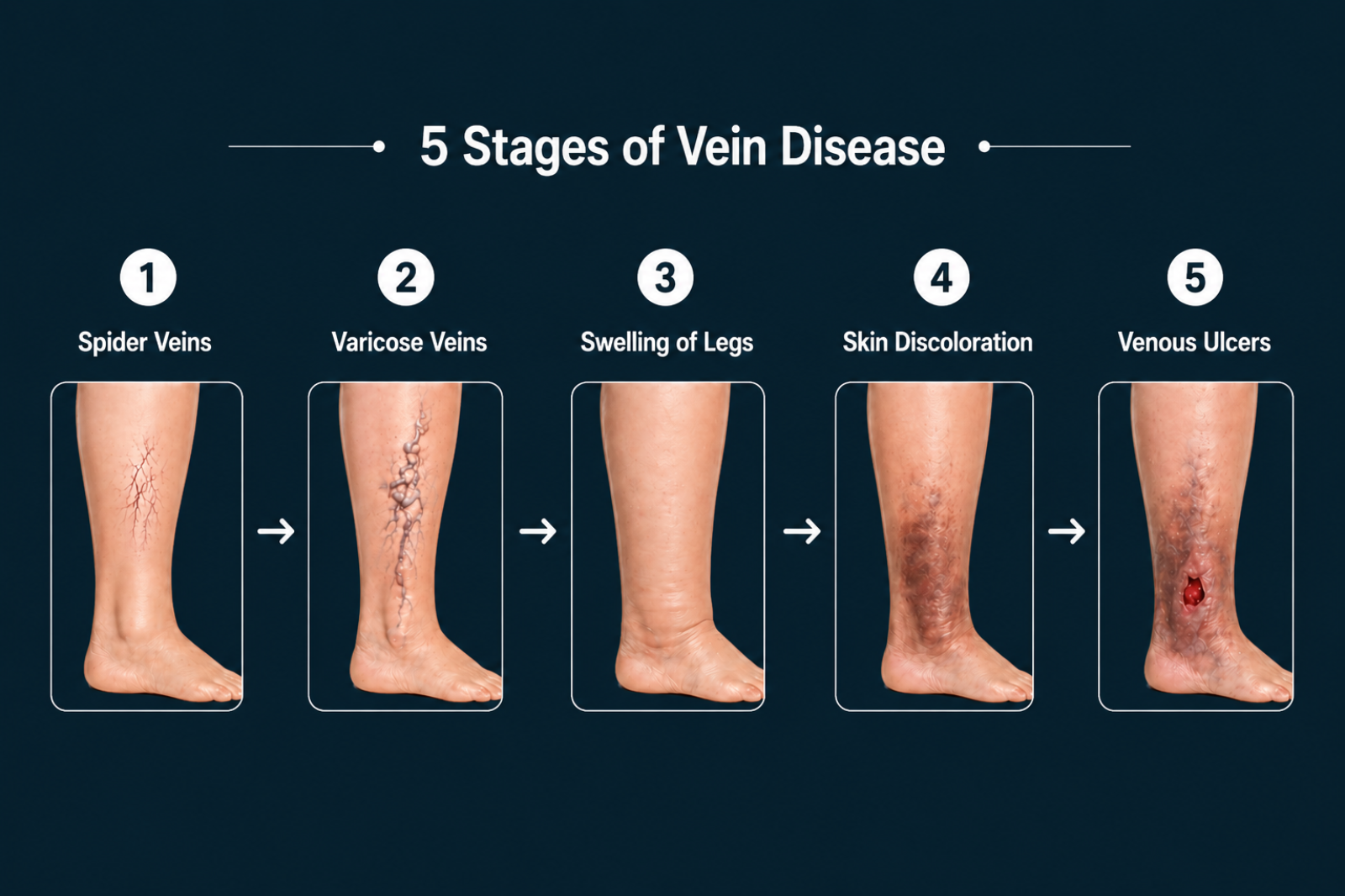
Spider veins appear as thin, superficial, reddish-blue wisps or web-like in pattern, and are generally considered to be an unsightly nuisance with little to no physical symptoms.
Some people, however, may experience aching, burning, pain, or itching around the location of spider veins. Symptoms may increase when you have been on your feet for long periods.
If your spider veins are accompanied by bothersome symptoms, it is essential that you contact a vascular specialist who can help rule out any underlying conditions that may be causing the root of your discomfort.
A specialist can evaluate your spider veins and advise you on an appropriate treatment plan.
How to cure spider veins in the legs?
Spider veins can be caused by pregnancy or by the use of certain medications. These spider veins may disappear over time; however, some are permanent and require treatment.
Several treatments are available for spider veins; the most popular are sclerotherapy and laser therapy. Below, we will discuss the two procedures in more detail.
Sclerotherapy
Sclerotherapy involves the injection of a solution (sclerosant) or foam directly into the diseased veins. The solution irritates the vein walls and causes them to scar and collapse. As a result, blood is rerouted to nearby healthier veins. Over time, the collapsed vein will be absorbed by surrounding tissue, and the treated veins will fade.
Typically, more than one treatment is necessary to achieve the desired results. If done correctly, sclerotherapy is highly effective, safe, and involves minimal side effects.
Anesthesia is not required and is performed in your doctor’s office. You can anticipate returning to your regular activities immediately.
Potential side effects include:
- Mild Swelling
- Itching
- Skin color changes in the treated area
Laser therapy
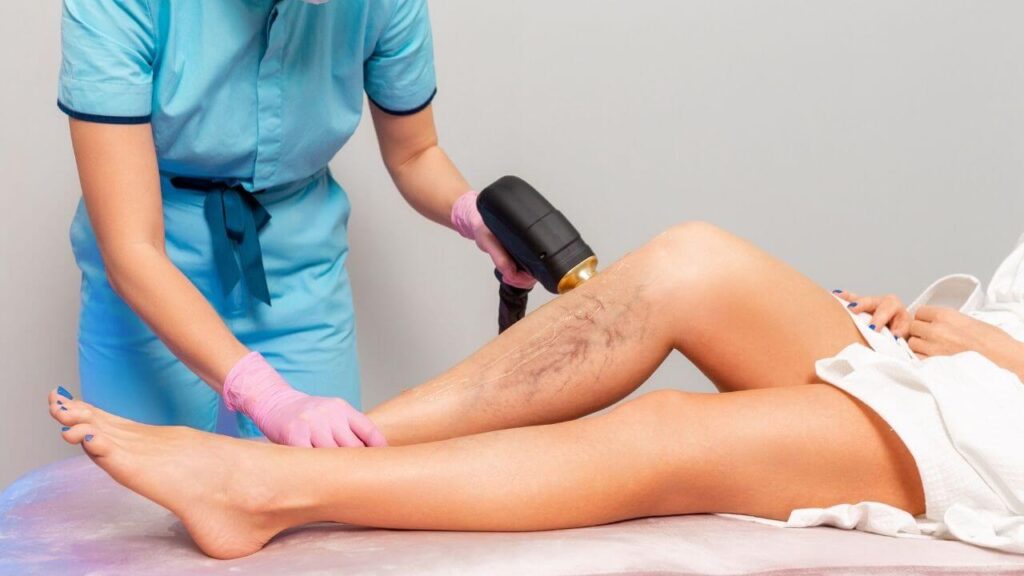
Laser therapy utilizes strong bursts of light that are sent directly into the vein. These bursts of light cause the vein to fade and disappear slowly. This procedure is done without incisions or needles.
For larger veins, laser therapy is not as effective as sclerotherapy. Over time, post-treatment, veins may fade but will not disappear completely. Also, some people may experience new spider veins developing in the treated area.
Side effects may include:
- Redness
- Bruising
- Itching
- Swelling
- Permanent skin tone changes
Endovenous laser therapy (EVLT)
EVLT is a newer treatment designed for spider veins and smaller varicose veins.
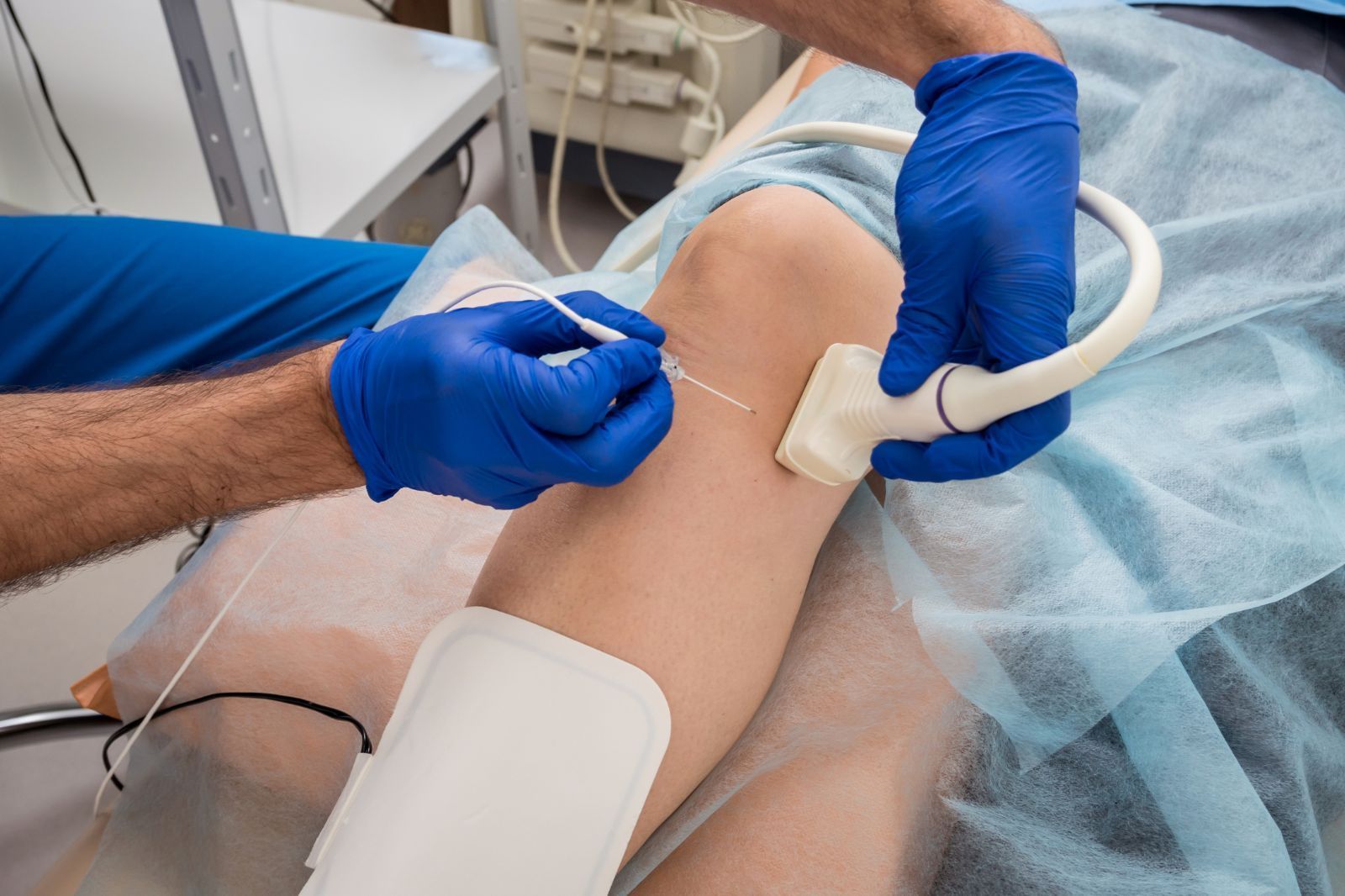
During this procedure, your doctor will make a small incision at the site of the diseased vein. A small laser fiber is inserted into the vein, where heat is directly applied to the vein. The thermal energy damages the collagen in the vein walls, causing the vein to collapse and seal shut.
It will typically take the vein several months, or up to a year, to entirely disappear.
A local anesthetic is used to minimize discomfort during the incision and when the heat is directed into the vein.
Potential side effects, although uncommon, include:
- Bruising
- Discoloration of the skin
- Inflammation near the incision site
- Swelling
Is treatment for spider veins in the legs covered by insurance?
Keep in mind, insurance companies typically do not cover the cost of treating spider veins, as they generally are considered to be cosmetic procedures.
Speak with your insurance company and doctor to determine what is the best approach considering treatment options.
Tips to aid in the prevention of spider veins

Several lifestyle changes can help aid in the prevention of new spider veins from developing or stop them from getting worse.
- Get regular exercise: Exercise and cardio help improve circulation and keep blood from pooling in the legs.
- Wear sunscreen: Sun damage, particularly on the face, can increase your chances of developing spider veins on the face. Use hats while you are outdoors and sunscreen daily.
- Healthy weight: Maintaining a healthy weight helps reduce the overall pressure on the veins and keeps blood flowing efficiently.
- Wear compression stockings: If you have a family history of spider veins or are experiencing them, the use of compression stockings may help prevent them from getting worse.
- Increase mobility: Standing or sitting for extended periods slows down your blood circulation. Try to get up and walk around every 30 minutes when possible.
- Avoid tight clothing: Clothing that is tight around the waist, legs, or pelvis can cut off blood flow and increase the risk of developing spider veins.
- Do not overuse hot tubs or saunas: Too much heat can cause your veins to swell, which increases the risk of developing bulging veins in the legs.
- Limit alcohol intake: Alcohol, in some people, can cause flushing in the face and broken capillaries.
- Elevate your legs: If you notice swelling in the ankles or legs, elevating your legs can redirect your blood flow to your heart and prevent it from pooling in the lower limbs.
Frequently asked questions
Spider veins may gradually become more visible over time, especially if contributing factors are not addressed. While not always serious, progression can occur. Early management may help limit their spread. Monitoring changes is important for long-term care.
Topical creams cannot eliminate spider veins, as they do not treat the underlying vein structure. Some products may improve skin appearance temporarily. Effective removal typically requires medical procedures. It’s important to set realistic expectations.
Bottom line
Spider veins can be effectively treated and prevented through various medical procedures and lifestyle changes. Whether you’re experiencing the appearance of spider veins or looking to prevent them, taking action is crucial. If you’re struggling with spider veins, take the first step towards healthier, more confident legs by contacting iThriveVeins today.
Editorial standards
All iThriveVeins content is medically reviewed by board-certified vein specialists and written following evidence-based guidelines. We source our information from peer-reviewed medical journals, clinical studies, and established medical organizations. Our editorial process ensures accuracy, objectivity, and relevance to patient needs.