In short, diet alone cannot cure varicose veins. While eating a healthy diet rich in vitamins, minerals, and antioxidants can help improve symptoms such as swelling, pain, or discomfort, varicose veins treatment still requires medical attention.
How Diet Impacts Varicose Veins: What You Need to Know
What you eat can affect vein health. Discover how proper nutrition may alleviate varicose vein symptoms and promote better circulation daily.

Key takeaways
- A healthy diet can contribute to the management and prevention of varicose veins.
- Foods rich in fiber, antioxidants, and flavonoids are beneficial for vein health.
- Diet alone may not cure varicose veins, but it can be an important part of a comprehensive treatment plan.
- Consult with a vein specialist for personalized advice on managing varicose veins through diet and lifestyle choices.
Table Of Contents
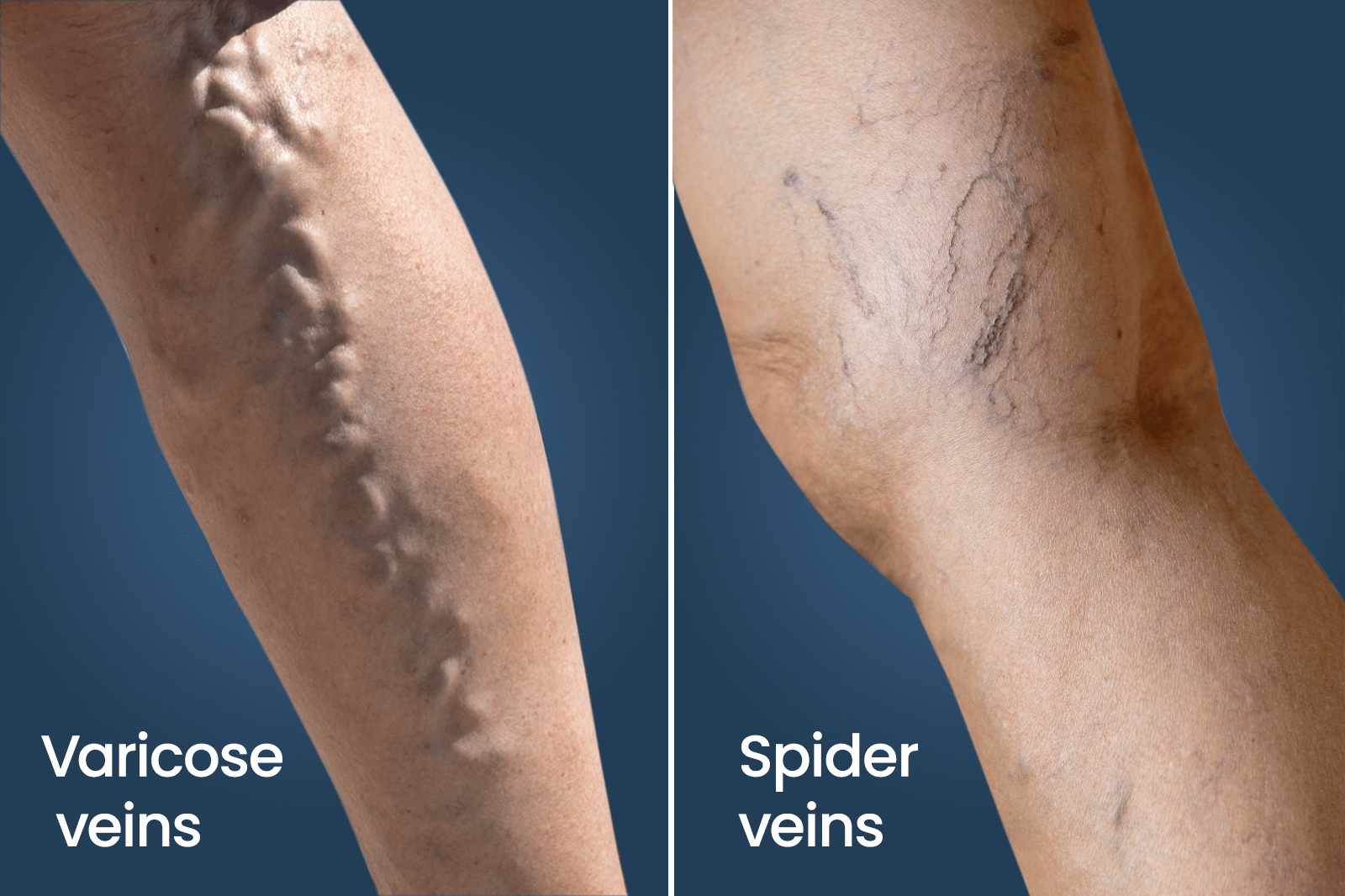
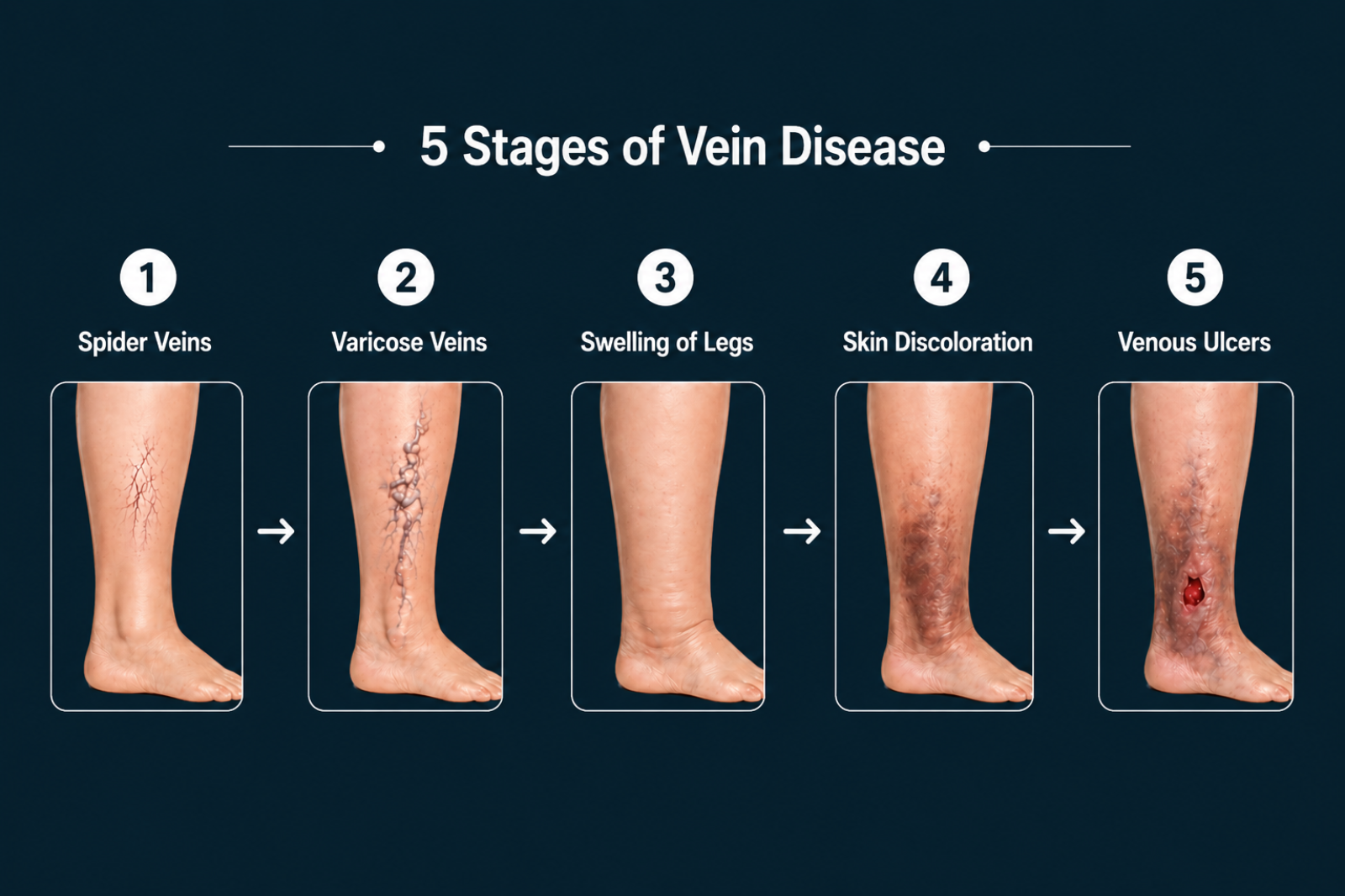
Varicose veins are caused by blood pooling in the veins due to weakened valves or an excessive increase in pressure, yet some evidence suggests that specific dietary changes can help reduce the risk of developing varicose veins or alleviate existing symptoms.
A 2021 study published in the Journal of the American Heart Association found that modifying certain factors, including maintaining a healthy weight, quitting smoking, and avoiding excess iron intake, may help to prevent varicose veins and have a positive effect on the venous system.
How can diet help varicose veins and keep veins strong?
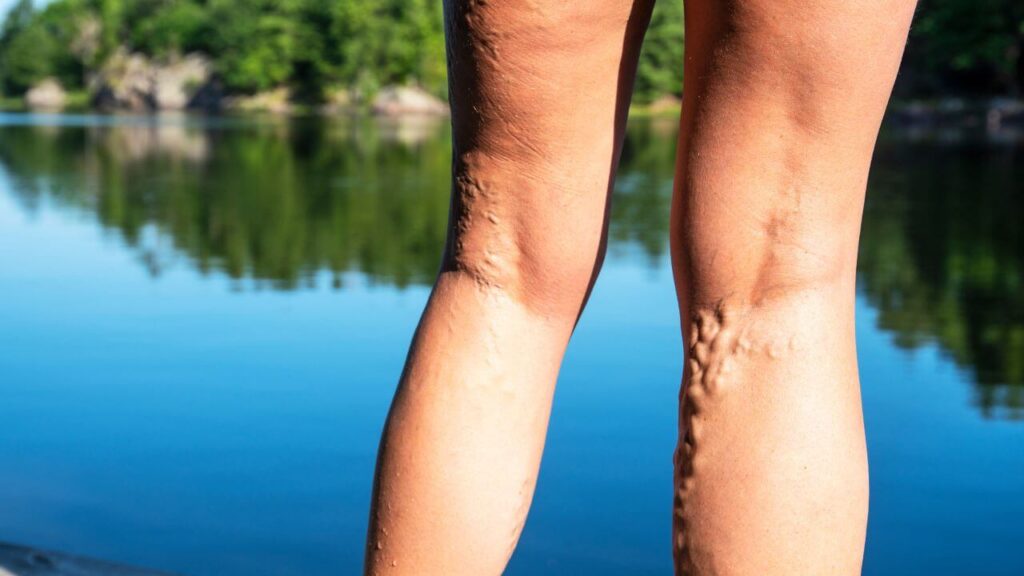
While a healthy diet alone is unlikely to eliminate or prevent varicose veins, it may be able to play a role in promoting circulation, reducing pressure in the blood vessels, and helping to promote strong veins.
Some of the more common dietary recommendations that may be beneficial to those with varicose veins include increasing the intake of fiber, flavonoids, and other nutrients that support healthy veins and improve overall vascular health. As always, speak with a healthcare professional before making any significant changes to your diet or if you have concerns regarding your varicose veins.
What are the best foods for varicose veins?
Vascular health is an important part of overall wellness and can be maintained through healthy dietary habits. Varicose veins, or enlarged veins that are visible beneath the surface of the skin, can often be managed with lifestyle changes, including dietary modifications.
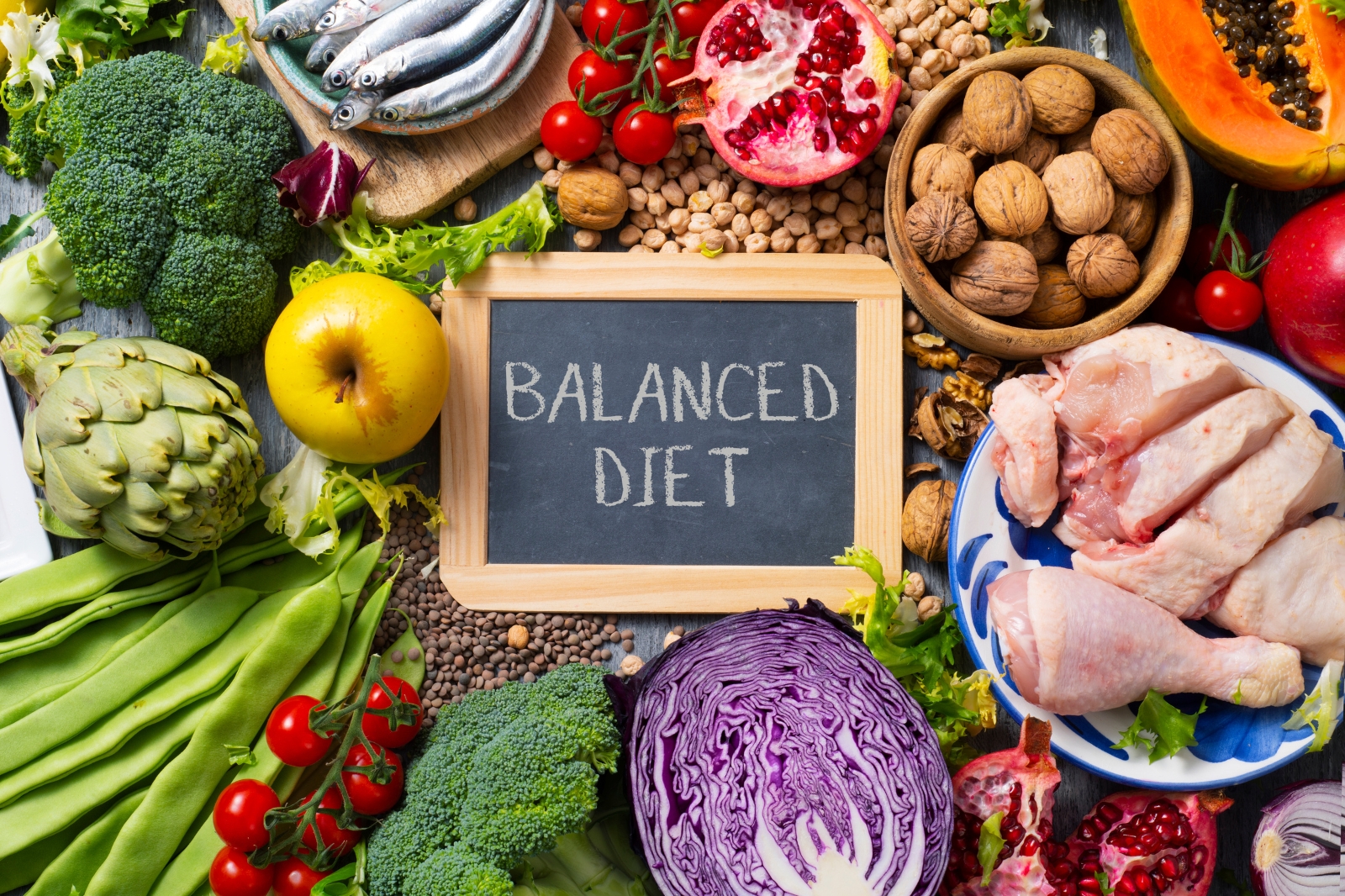
Incorporating specific foods by eating a varicose vein-friendly diet can help improve blood flow and blood vessels’ elasticity, reduce inflammation, as well as strengthen the walls of veins and promote better circulation. Below are some of the best foods rich in nutrients that can help boost your venous system:
- Increase fiber intake: According to Dr. Denis Burkitt, a lack of fiber in the diet may result in constipation and contribute to varicose veins. Fiber-rich foods, such as oatmeal, beans, avocado, legumes, asparagus, and whole grains, can help keep your digestive system functioning smoothly and can minimize constipation. Eating fiber-rich foods may also decrease cholesterol.
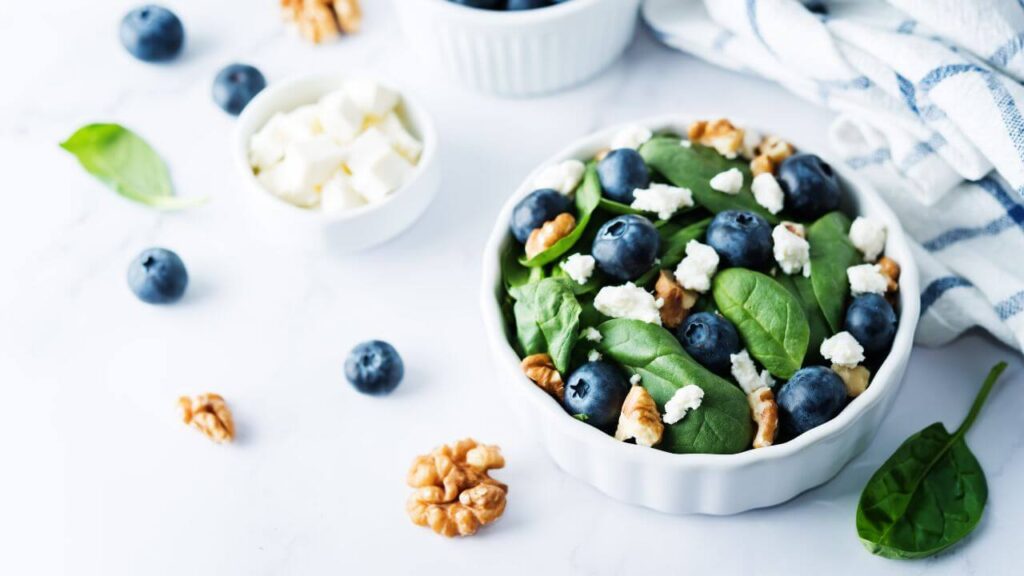
- Incorporate foods rich in flavonoids: Foods rich in flavonoids include onions, peppers, spinach, broccoli, citrus fruits, grapes, cherries, apples, and blueberries. Flavonoids contain natural substances that have been shown to help improve blood flow and prevent pooling in the blood vessels. Furthermore, the antioxidants present in flavonoids can help reduce inflammation.
- Boost potassium intake: Foods high in potassium, such as almonds, pistachio nuts, lentils, white beans, potatoes, leafy vegetables, salmon, and tuna, are also beneficial for varicose vein prevention. Potassium helps to maintain the sodium balance in the body, which can help reduce swelling around varicose veins and lower water retention.
By including these foods in your varicose vein diet, not only will you boost your intake of vital vitamins and minerals, but you will also promote better blood circulation in the body.
Can superfoods help varicose veins?
Eating superfoods may also be beneficial for varicose veins, as they contain a variety of vitamins, minerals, and essential nutrients that can help improve blood circulation, which in turn can reduce symptoms associated with varicose veins, such as deep vein thrombosis, leg cramps, swelling, pain, and discomfort.
Additionally, the antioxidants found in superfoods may also reduce inflammation, lower blood pressure, and help protect against free radical damage that can cause varicose veins to worsen or even burst and bleed.
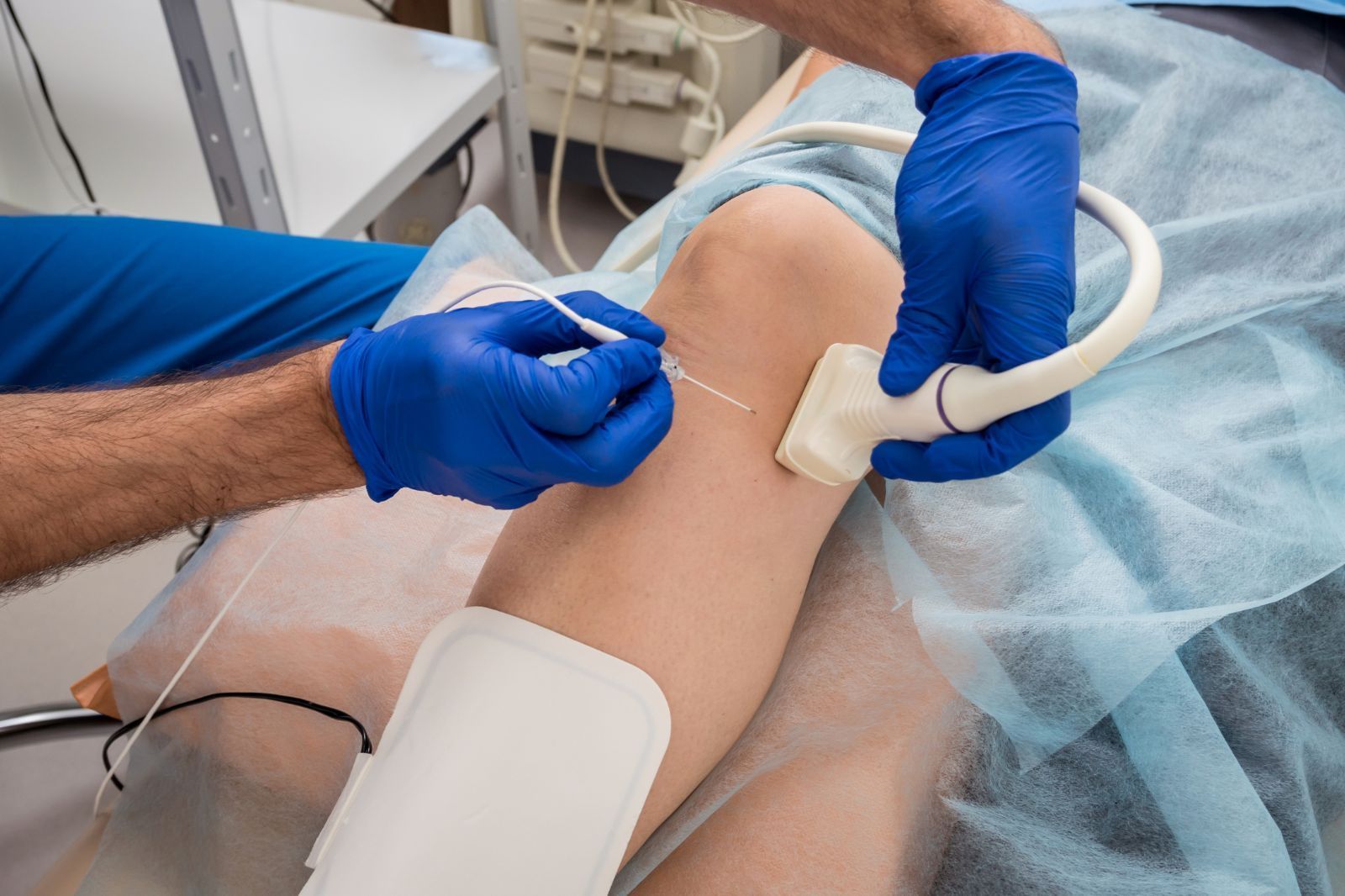
However, it’s important to note that while incorporating healthy foods into your diet can provide some benefits for managing the symptoms of varicose veins, it cannot cure the condition itself. For best results, it is recommended to consult a doctor if you are concerned about the health of your veins. A vein specialist can diagnose and provide treatments like radiofrequency ablation (RFA) or sclerotherapy, which may be more effective than superfoods alone.
Can nutritional supplements help treat the symptoms of varicose veins?
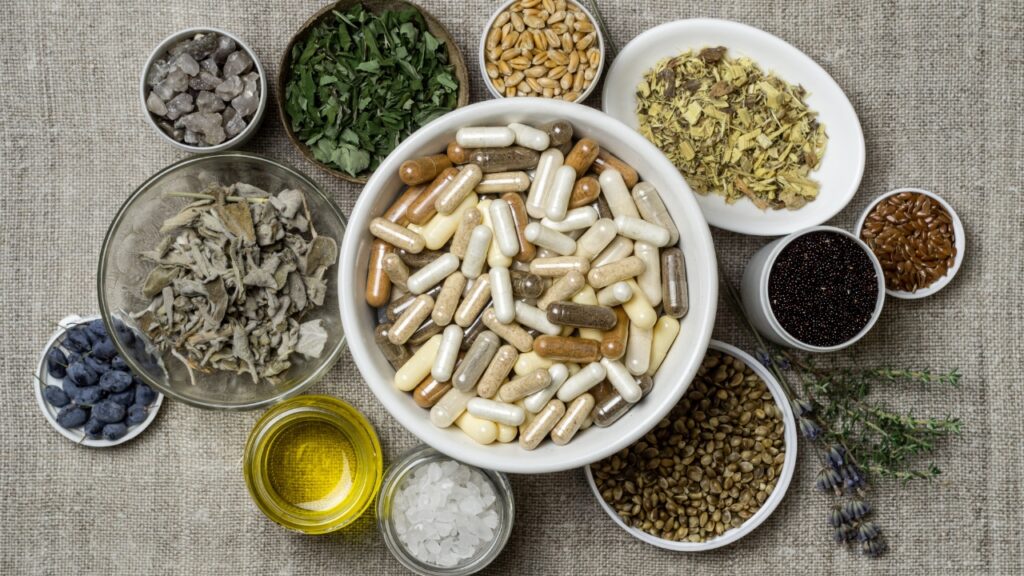
Certain nutritional supplements have been found to improve the symptoms of varicose veins and even prevent them from worsening. The most popular supplements for varicose vein relief include:
- Horse chestnut: Horse chestnut extract has been widely studied for its potential benefits for those with varicose veins. This extract contains a compound called aescin, which is known to reduce capillary fragility and promote blood flow. It may help improve the appearance of varicose veins, decreasing swelling, pain, itching, and heat sensitivity associated with them.
- Butcher’s broom: Butcher’s broom is another herbal remedy that has traditionally been used to treat venous insufficiency by helping to increase blood circulation in the legs. Butcher’s broom has also been shown to treat varicose vein-related symptoms such as heaviness in the lower legs, as well as feelings of tightness and tingling.
- Pycnogenol: Pycnogenol is a natural plant extract derived from pine bark and is effective in improving vein health. It helps to strengthen the walls of veins, improving their elasticity and reducing fluid accumulation that can lead to varicose veins. Pycnogenol also boosts anti-inflammatory actions and healing of venous ulcers.
- Diosmin-hesperidin combination: Finally, the combination of diosmin and hesperidin is an herbal remedy that helps support healthy circulation and reduce inflammation associated with varicose veins. Studies have found that this herbal combination helps reduce swelling, heaviness, pain, itching, and discomfort in those suffering from varicose veins.
Although nutritional supplements cannot cure varicose veins, they can support vein health and provide relief from many of the unpleasant symptoms, and may even help prevent them from worsening. In some cases, a combination of nutritional supplements and lifestyle modifications, such as exercise and a balanced diet, is the best approach for managing symptoms and preventing new varicose veins from developing.
Are there particular foods to avoid?

When you have varicose veins, it is important to note which foods should be avoided or minimized. Eating certain types of foods can make varicose veins worse and increase your risk for blood clots or other vein diseases. Here are some foods that you need to avoid to improve varicose vein symptoms:
- Refined carbohydrates and processed foods, such as white bread, pizza dough, and store-bought baked goods, should be avoided as they can cause an increase in blood sugar levels, which can worsen varicose veins.
- Fried foods often contain trans fats that promote inflammation when consumed, leading to swelling of varicose veins and increased discomfort.
- Salt intake should also be reduced, as salt can worsen varicose veins by increasing water retention and inflammation. Avoiding salty processed snacks is a good way to prevent varicose veins from becoming worse.
- You should also be careful about consuming too many high-iron foods like red meat or fortified cereals, as excessive iron intake may lead to an increased risk of blood clots.
By avoiding the foods listed above, you can reduce the symptoms of varicose veins and prevent vein disease from worsening.
Diet is helpful, but lifestyle factors may be more beneficial
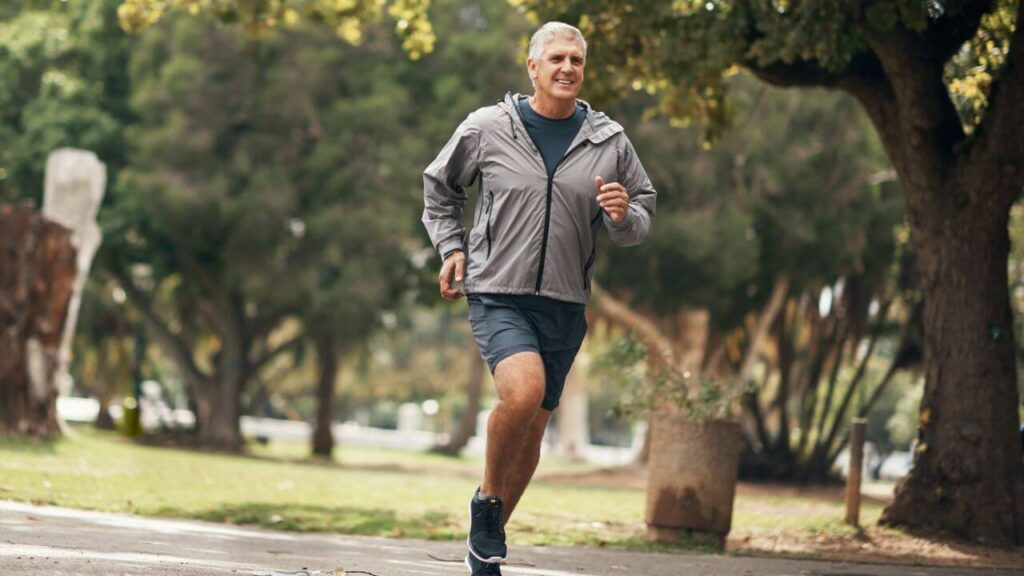
While diet can help manage the symptoms associated with varicose veins, lifestyle changes are often more effective at preventing their development in the first place. Therefore, making lifestyle changes rather than just dietary modifications is often the best course of action for reducing the risk or managing the symptoms associated with this condition.
Avoiding smoking is especially important to reduce the risk of developing varicose veins. Smoking can worsen varicose veins by decreasing the health of your venous system and increasing inflammation in the body. Furthermore, being overweight or obese puts extra pressure on your venous system, leading to a higher likelihood of developing varicose veins. Therefore, maintaining a healthy weight is very important to decrease the chances of suffering from painful and unsightly varicose and spider veins.
Frequently asked questions
For many, dairy or milk is not bad for varicose veins. There are several potential health benefits to drinking milk, as it contains important vitamins and minerals such as calcium, vitamin A, and vitamin D. Additionally, some studies have shown that consuming dairy products may reduce blood pressure, which can prevent varicose veins from worsening.
Certain beverages can help reduce varicose veins, but the wrong ones can make them worse. If you are looking to reduce your risk of developing varicose veins or minimize their impact, certain beverages are more beneficial, including:
- Mineral water
- Cranberry juice
- Pineapple juice
- Grape juice
- Green tea
- Coconut water
Bottom line
Based on the available evidence, making specific dietary changes may help reduce the risk of developing or improving the symptoms of existing varicose veins. However, it is essential to note that a healthy diet alone is unlikely to eliminate varicose veins; other treatment options may be necessary.
If you are concerned about varicose veins, it is always a good idea to speak with a healthcare professional for individualized advice and treatment recommendations.
- National Institutes of Health. 2021. Cardiometabolic, Lifestyle, and Nutritional Factors in Relation to Varicose Veins.
- Journal of the American Medical Association. 1976. Varicose Veins Fact & Fantasy.
- Prime PubMed. 1977. More fiber–less constipation.
- National Institutes of Health. 2021. Therapeutic potential of flavonoids in the treatment of chronic venous insufficiency.
- MedicalNewsToday. 2024. Everything you need to know about potassium.
- National Institutes of Health. 2012. Horse chestnut seed extract for chronic venous insufficiency.
- National Institutes of Health. 2002. Efficacy and safety of a Butcher’s broom.
- National Institutes of Health. 2014. Improvements of Venous Tone with Pycnogenol in Chronic Venous Insufficiency.
- Prime PubMed. 2018. Efficacy of micronized purified flavonoid fraction.
Editorial standards
All iThriveVeins content is medically reviewed by board-certified vein specialists and written following evidence-based guidelines. We source our information from peer-reviewed medical journals, clinical studies, and established medical organizations. Our editorial process ensures accuracy, objectivity, and relevance to patient needs.