Bulging veins can be permanent, but with proper treatment and lifestyle modifications, their appearance and associated symptoms can be significantly reduced.
Symptom Guide
Bulging Veins: Key Causes, Symptoms, and Treatment Options
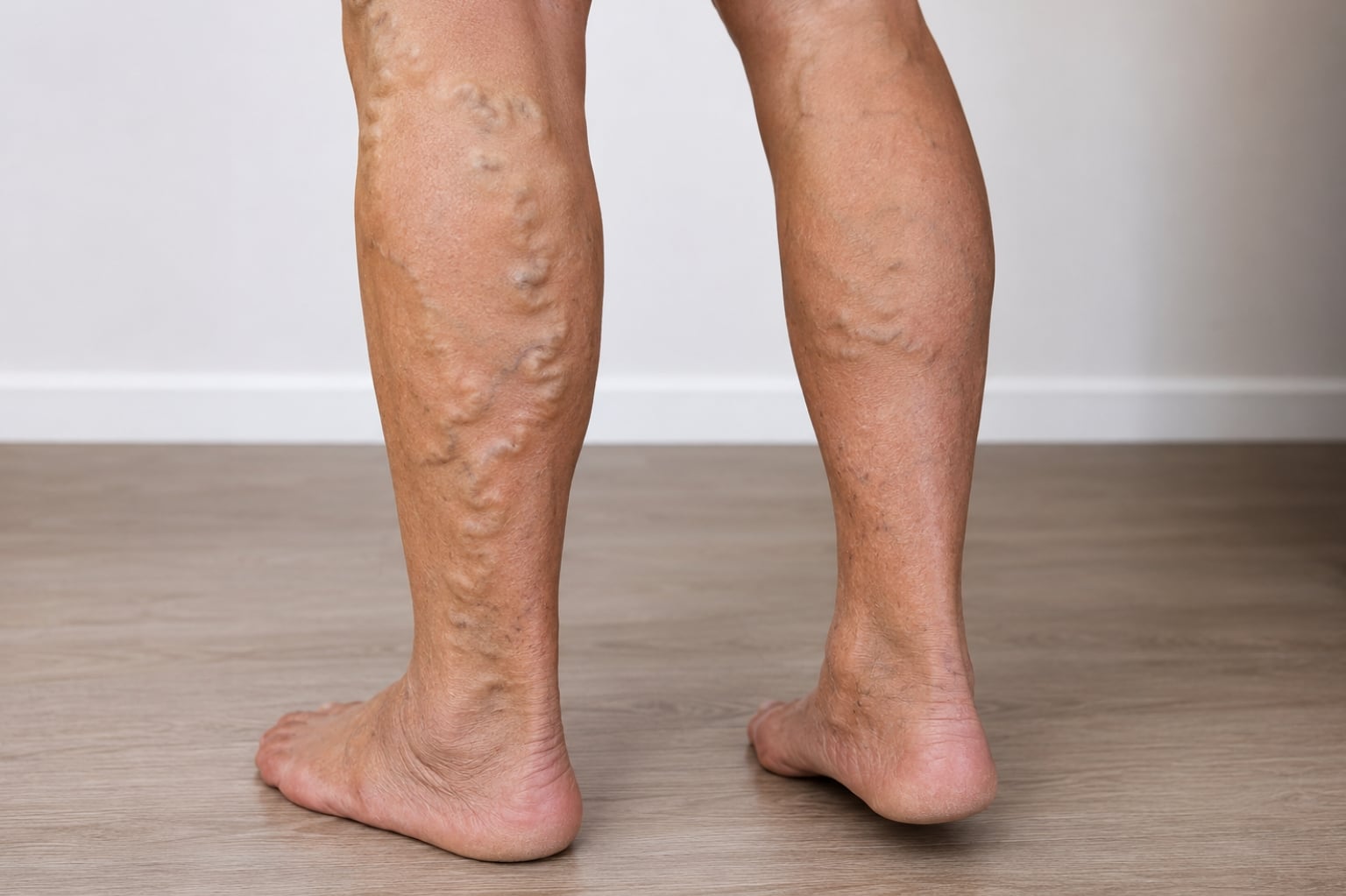
Twisted, enlarged veins visible under the skin — a hallmark sign of valve failure.
Key takeaways
- Bulging veins, or varicose veins, occur when the valves in your veins weaken, causing blood to pool and veins to enlarge.
- Symptoms of bulging veins include aching, swelling, skin discoloration, and ulcers in severe cases.
- Complications of bulging veins include bleeding, ulcers, swelling, and blood clots.
- Regular exercise, weight management, and avoiding prolonged sitting or standing can help prevent the progression of bulging veins.
- Bulging veins can be effectively managed, but professional help is recommended for accurate diagnosis and suitable treatment options.
Table Of Contents
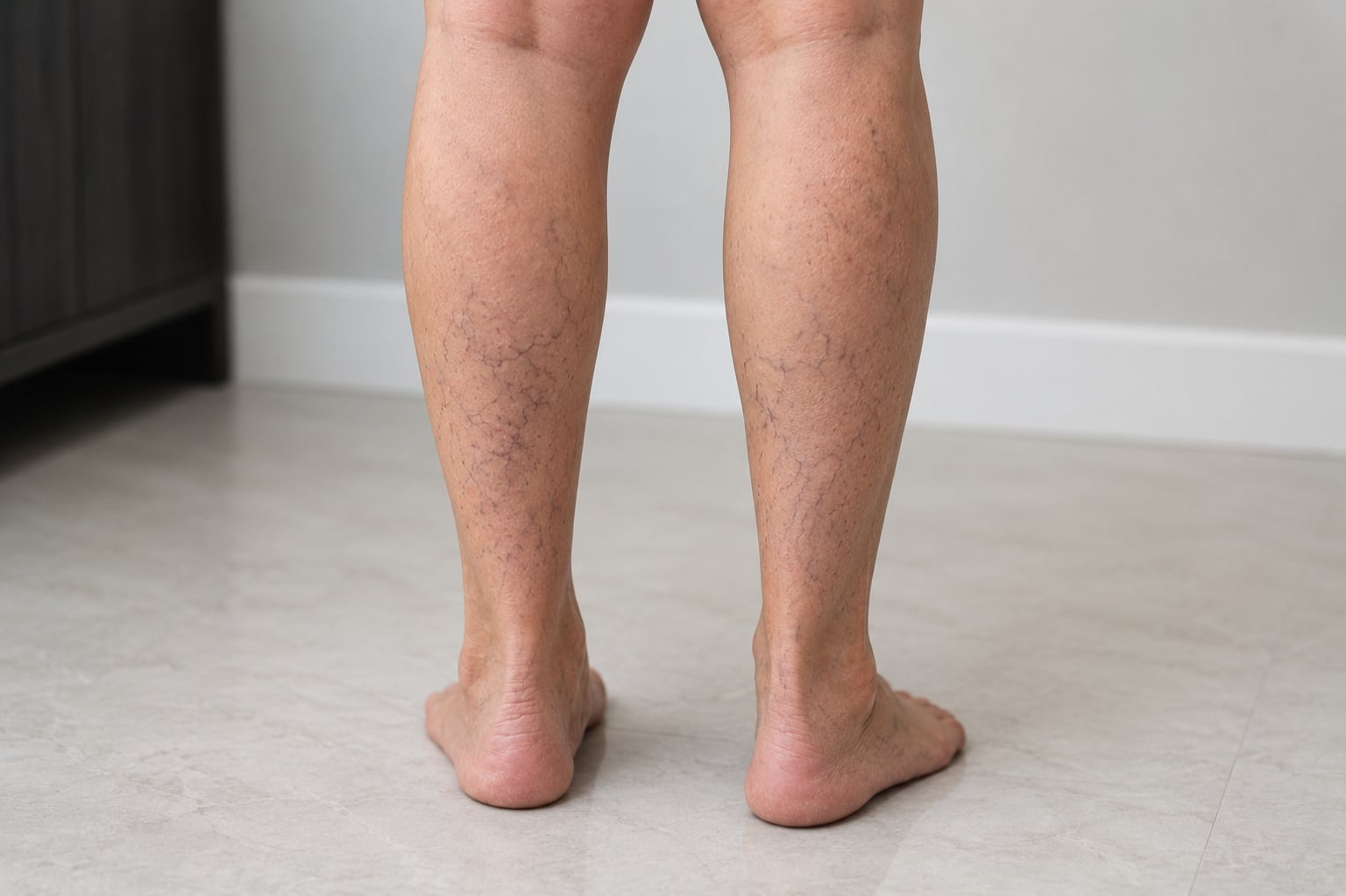
Bulging veins, particularly in the legs, can often be an indication of varicose veins. These twisted and enlarged veins lie close to the surface of your skin, while a more subtle variation, spider veins, appear in web-like patterns.
It is important to note that not all individuals with varicose or spider veins will experience visibly protruding veins.
Though seemingly concerning, bulging veins are generally harmless. They can cause discomfort, such as heavy or achy legs, and may, in some instances, lead to complications like blood clots or chronic swelling. As you continue reading, you’ll gain insights into the causes, prevention measures, and treatment options for varicose veins and related conditions.
Symptoms of prominent veins

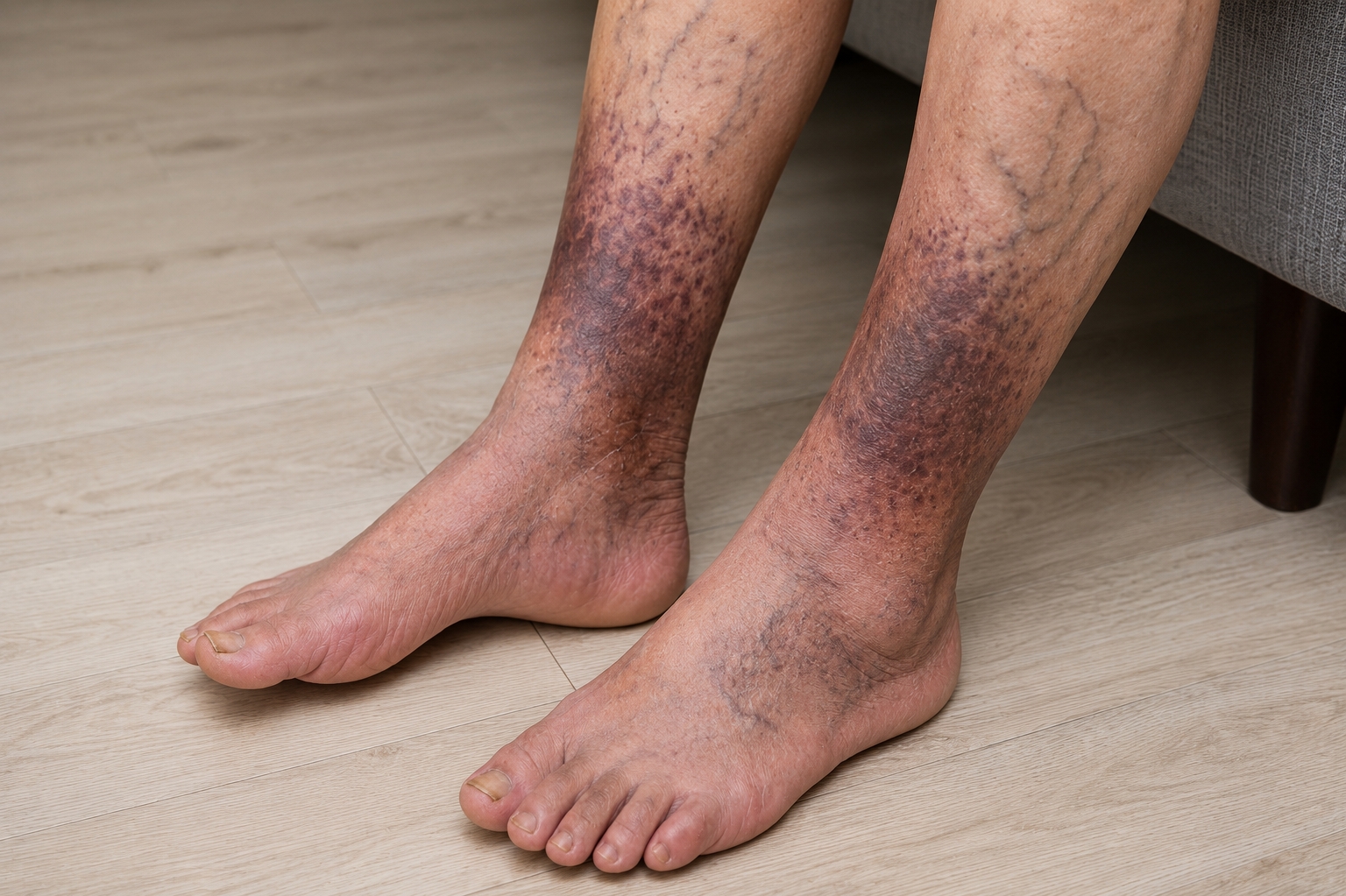
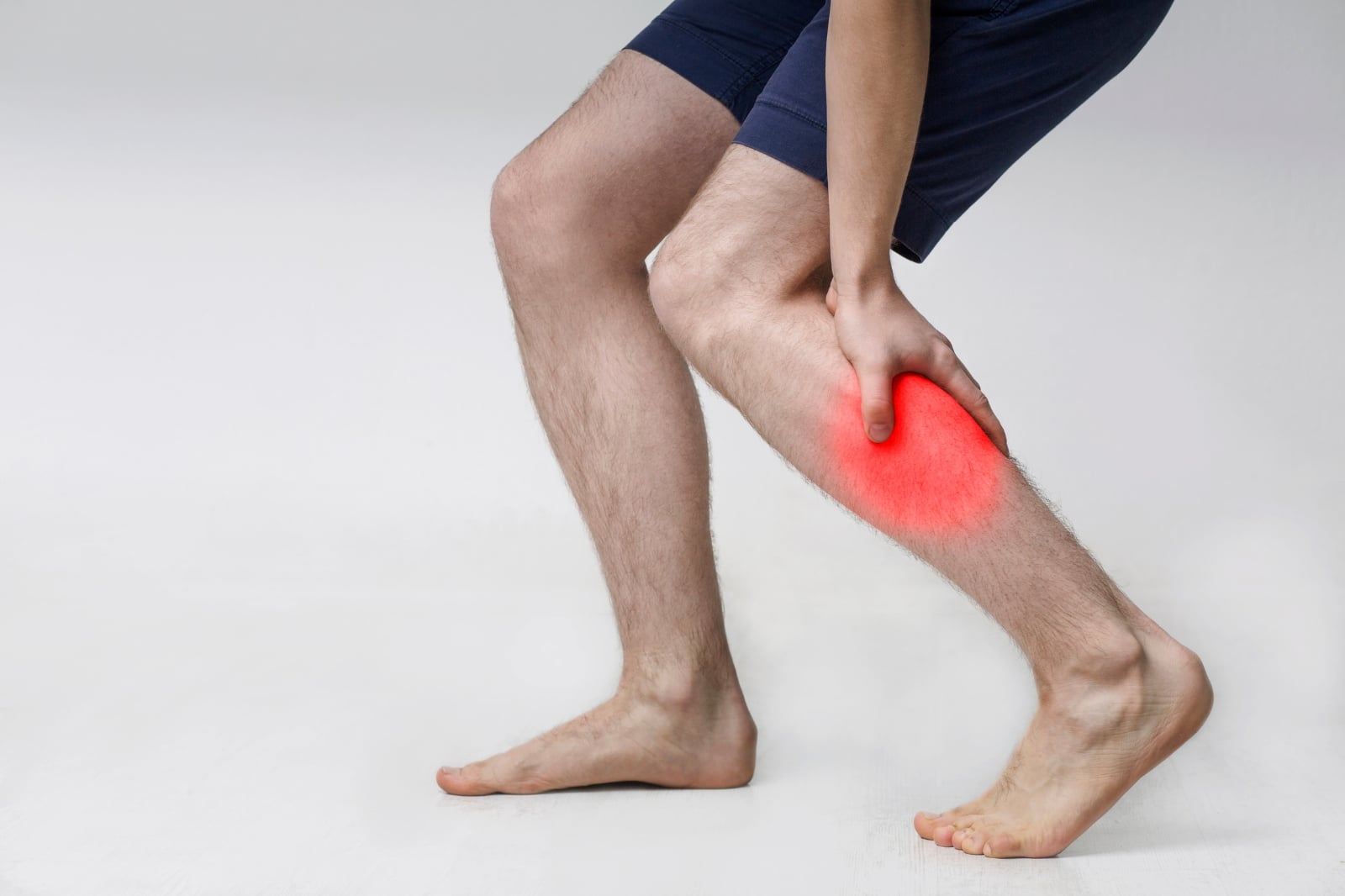
Prominent veins often appear on the back of your legs, especially near your knees and lower legs. They resemble swollen cords and exhibit blue or purple colors. Before noticing these bulging veins, you may experience other symptoms, such as:
- Altered skin color, with blue, red, or pink patches.
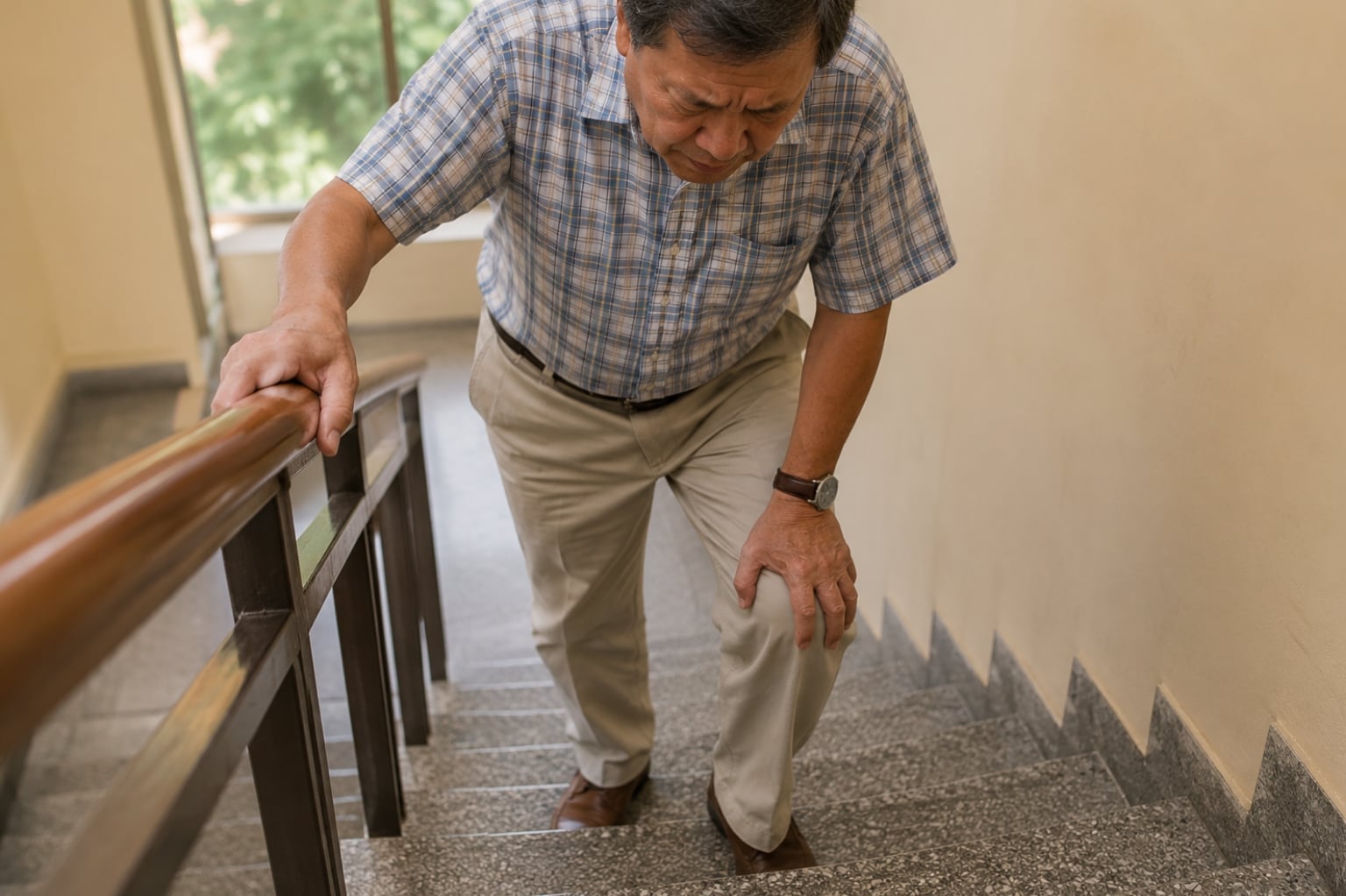
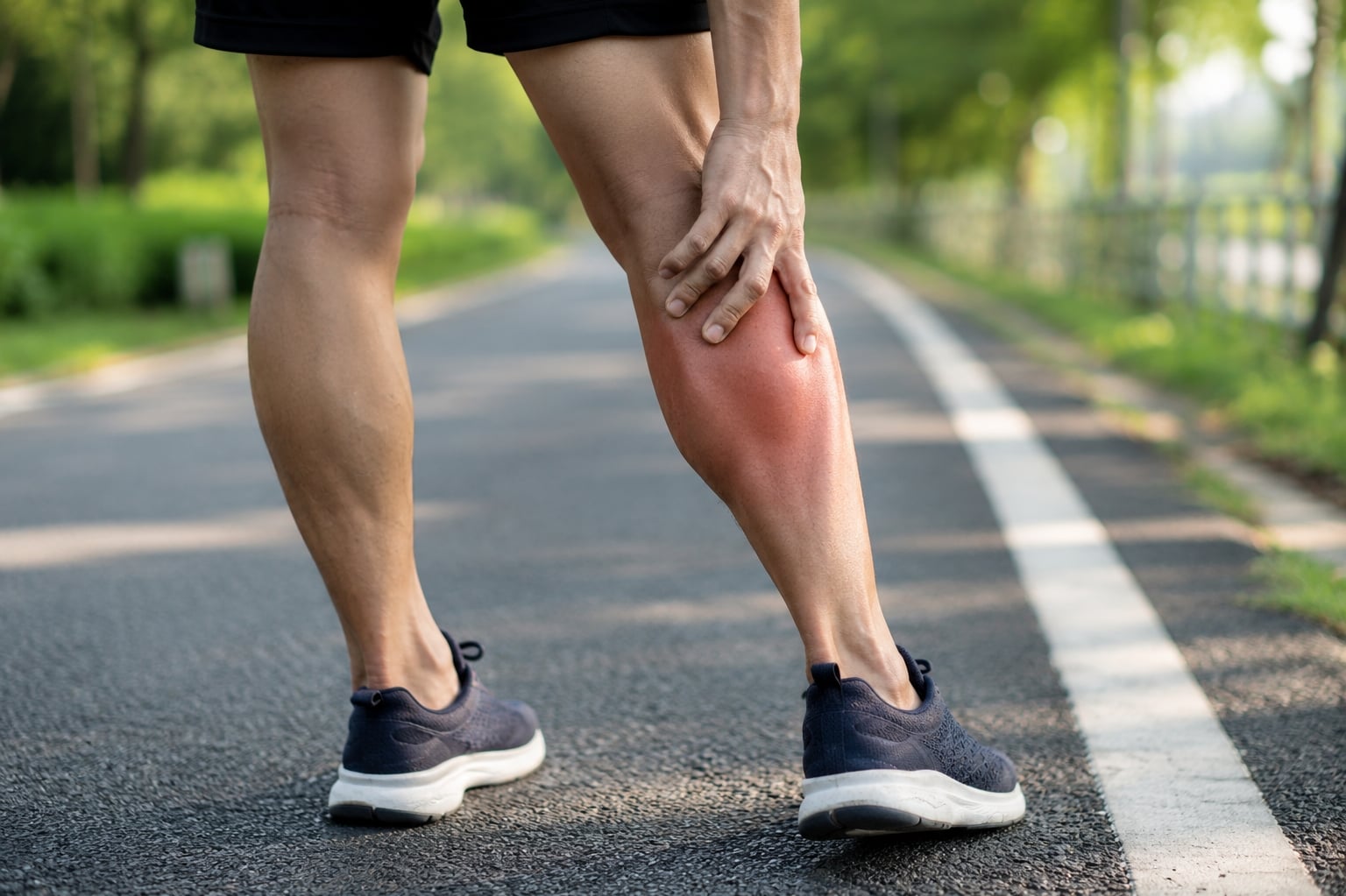
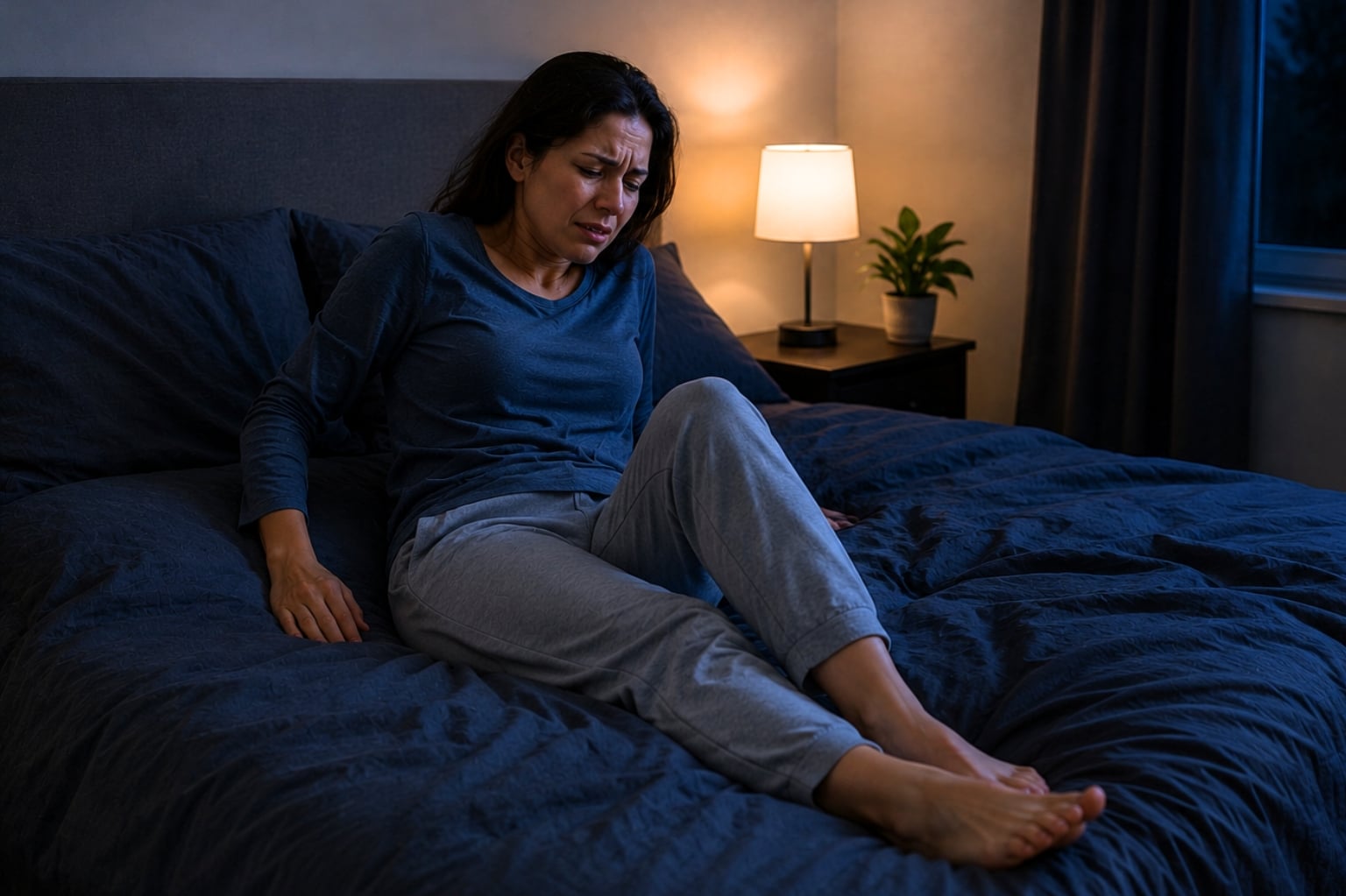
- Leg discomfort that includes tightness, soreness, heaviness, burning, or aching.
- Itching in the leg area.
- Rashes on your legs.
- Sores or swelling on your legs.
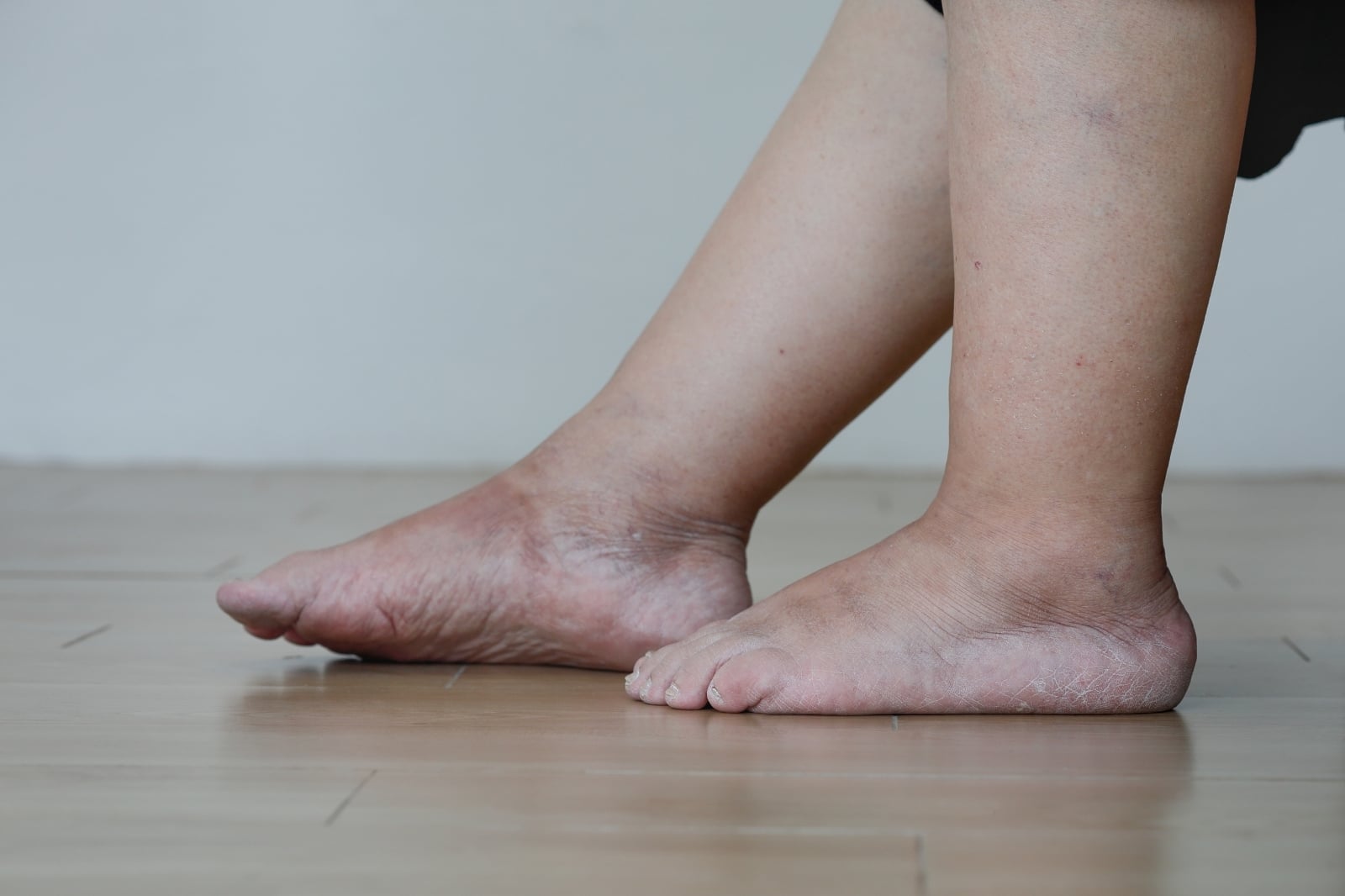
Over time, the underlying issue causing these prominent veins may also lead to swelling in your legs. If you start experiencing swelling, it is essential to consult with your healthcare provider.
Causes of bulging veins

Bulging veins, including varicose veins and spider veins, occur when the valves within the veins are not functioning properly. When you stand, blood flows towards your feet instead of your heart due to gravity, causing the veins near your skin to enlarge. This results in the development of varicose veins.
This is a widespread condition, affecting approximately 30% of women and 20% of men. Various factors can contribute to this issue, such as venous insufficiency, peripheral vascular disease, and decreased elasticity in vein walls. These conditions can lead to blood pooling, thrombophlebitis, phlebitis, superficial thrombophlebitis, and even deep vein thrombosis in more severe cases.
Additional factors that contribute to the development of bulging leg veins:
- Prolonged sitting or standing
- Smoking
- Pregnancy
- Obesity
- Family history
Concerned about bulging veins?
Get a free vein screening to understand your symptoms and explore treatment options — most are covered by insurance.
How to treat bulging veins?
Fortunately, there are various treatment options available to address bulging veins and alleviate associated symptoms. The treatment approach depends on the severity of the condition and your specific needs. Lifestyle modifications and medical procedures are the two primary avenues for treatment.
Lifestyle modifications

To prevent and alleviate varicose veins, consider making these lifestyle adjustments:
- Maintain a healthy weight: Excess weight puts added pressure on the veins. Maintaining a healthy weight can alleviate strain on the veins and avoid the risk of having a varicose vein.
- Stay active: Regular exercise and avoiding extended periods of sitting or standing contribute to healthy veins.
- Elevate your feet: If you suffer from severe bulging veins, elevate your feet above your heart for 15 minutes, three or four times a day.
- Wear compression stockings: These stockings apply pressure to your legs to prevent blood from pooling and are especially helpful for pregnant individuals with temporary varicose veins.
Medical procedures
If your veins cause discomfort or pose health risks, your healthcare provider might recommend medical procedures such as:
- Sclerotherapy: A minimally invasive procedure that involves injecting a solution into the affected veins, causing them to collapse and fade away. This is the most common treatment for small varicose and spider veins.
- Radiofrequency ablation: This treatment involves using heat from a coil and laser to close off the veins with leaky valves.
- Vein stripping: A surgical procedure to remove bulging veins entirely. This method is usually reserved for severe cases.
- Microphlebectomy: This procedure involves removing veins through small incisions, performed with vein stripping or independently.
It’s important to note that varicose veins can reappear after treatment. Implementing preventive measures such as exercising and maintaining a healthy weight may help, but recurrence is often linked to genetics.
Related: Learn more about our vein treatment options
Complications and risk factors associated with bulging veins

In many situations, bulging veins are not harmful. Nonetheless, it’s essential to be aware of the following potential complications:
- Ruptured and bleeding: Bulging veins close to the skin’s surface can be prone to injury, leading to bleeding. Even minor cuts or bruises can cause significant bleeding due to the weakened vein walls.
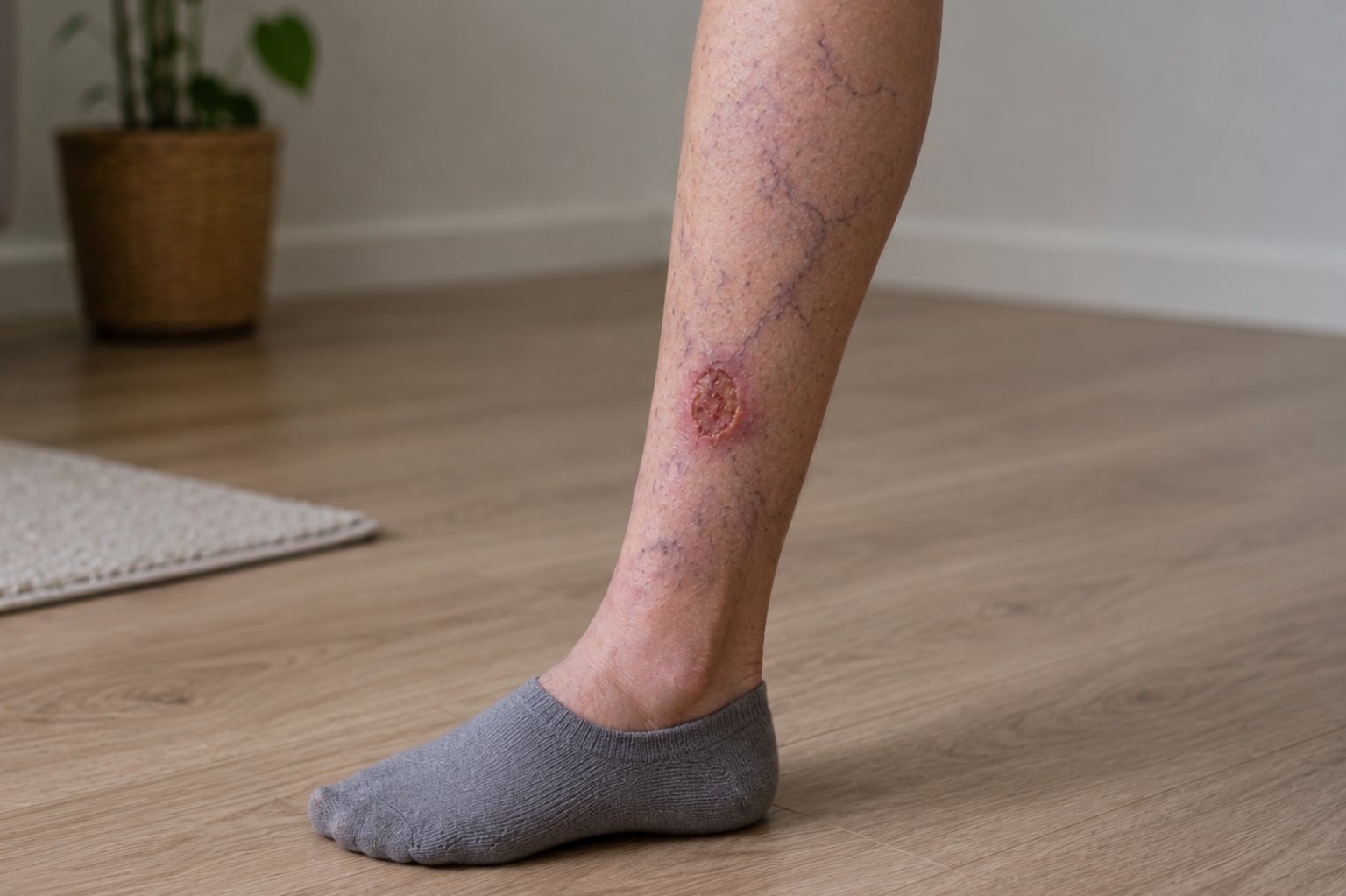
- Ulcers: Venous insufficiency might increase your risk of developing ulcers, which are sores that take over two weeks to heal and may lead to infection. Consult your healthcare provider if you have an ulcer.
- Swelling: The pooling of blood in the veins can cause fluid buildup, leading to swelling in the affected areas.
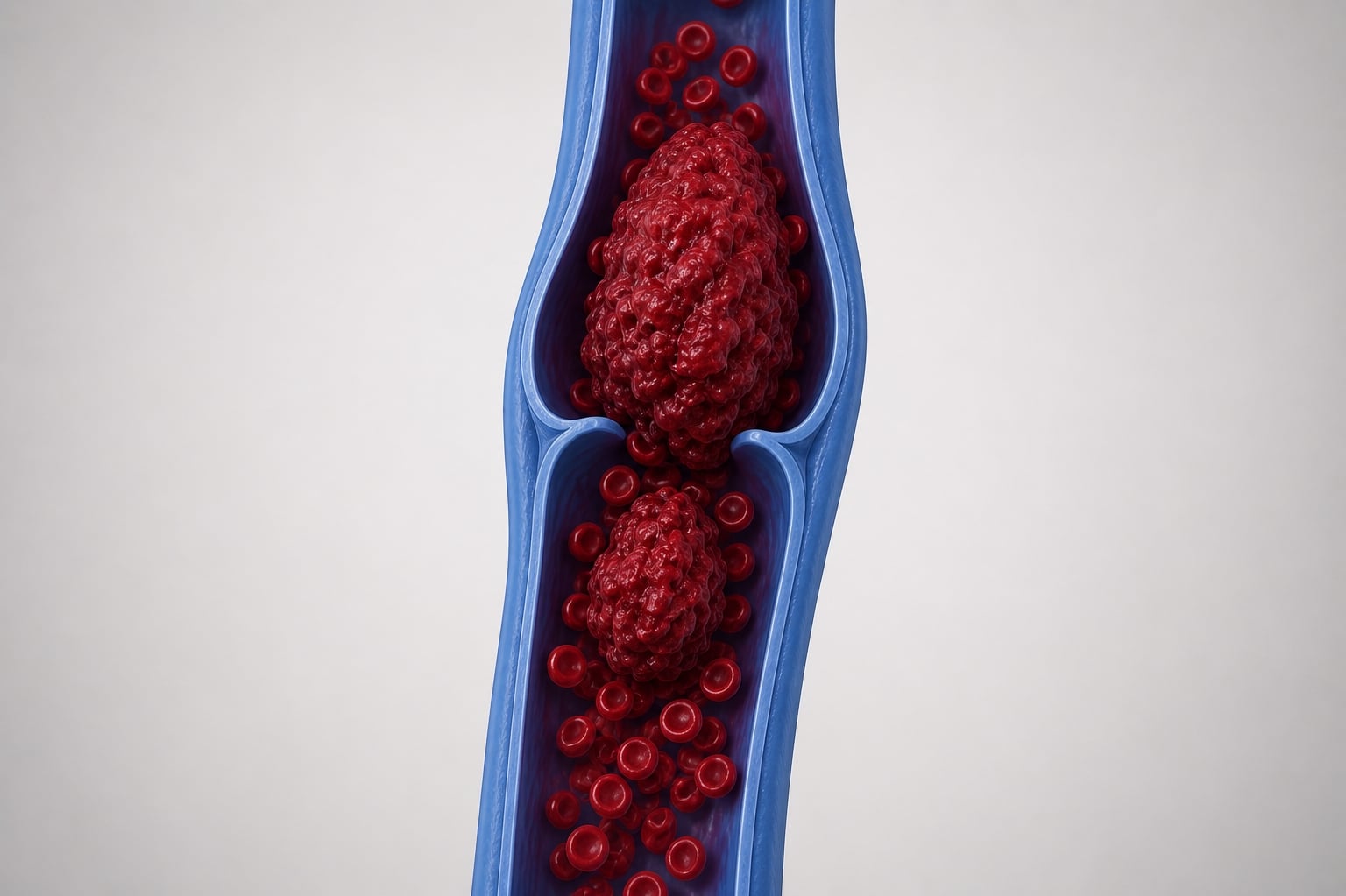
- Blood clots: Bulging veins increase the risk of blood clots, which can potentially lead to more severe health issues.
Diagnosis
To identify a possible medical condition related to bulging veins, your healthcare provider will perform a thorough physical exam. It is essential for you to report any symptoms such as swelling, heaviness, or sores. This examination may also involve the use of ultrasound technology to assess the function of valves within your blood vessels.
Signs to consult a vein specialist
There may be situations where you feel concerned about your bulging veins, especially if they affect your self-confidence. In such cases, discuss treatment options with your healthcare provider in order to minimize their appearance.
Consider scheduling an appointment with your provider if you experience alarming symptoms or when changes to existing symptoms arise, such as:
Frequently asked questions
Generally, bulging veins are not dangerous. However, in severe instances, they can increase the risk of clots, bleeding, swelling, and ulcers. It’s essential to discuss your risk factors with your healthcare provider.
If you experience persistent swelling, pain, bleeding, difficulty breathing, or chest pain, call 911 immediately. For milder symptoms that concern you, such as aches or itching, consult your healthcare provider.
Bottom line
Bulging veins indicate the presence of varicose veins, a condition in which blood accumulates in your leg veins. Generally, varicose veins are not a cause for concern, though they can lead to discomfort, itchiness, and soreness. Moreover, you might find their appearance unsightly. Implementing lifestyle changes and undergoing medical treatments can aid in preventing bulging veins and alleviating symptoms when they arise.
- National Library of Medicine. 2011. Varicose veins.
- PubMed Central. 2022. Varicose Vein Stripping.
Editorial standards
All iThriveVeins content is medically reviewed by board-certified vein specialists and written following evidence-based guidelines. We source our information from peer-reviewed medical journals, clinical studies, and established medical organizations. Our editorial process ensures accuracy, objectivity, and relevance to patient needs.