To alleviate burning legs at night, try elevating your legs, using compression stockings, and practicing relaxation techniques before bed. Consult with a healthcare professional for personalized advice.
Symptom Guide
Burning Sensation in Leg Below Knee: Causes & Treatment
Experiencing a burning sensation below the knee? Learn causes, symptoms, and treatment options to relieve discomfort and support leg health.


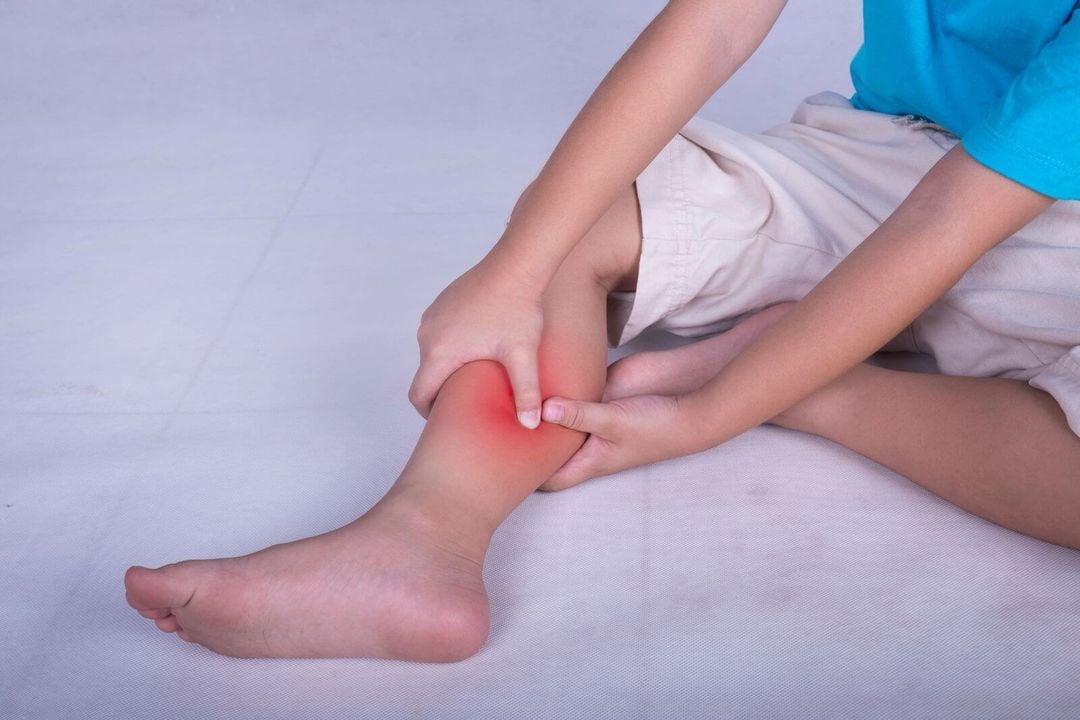
Key takeaways
- A burning sensation in the leg below the knee can be caused by nerve damage, peripheral artery disease, muscle fatigue, restless leg syndrome, varicose veins, spider veins, or deep vein thrombosis.
- Risk factors for this condition include age, obesity, sedentary lifestyle, pregnancy, and smoking.
- Treatment options range from home remedies and lifestyle changes to medical interventions like sclerotherapy, endovenous ablation, and radiofrequency ablation.
- Contact a doctor if you experience severe or persistent symptoms, as they may indicate a more serious underlying condition.
Table Of Contents
What causes a burning sensation in leg below knee?
There are several potential causes for burning sensations in the leg below the knee. Let’s take a closer look at each:
Nerve damage
Nerve damage, also known as peripheral neuropathy, can lead to a burning sensation in the leg. Conditions such as diabetes, vitamin deficiencies, and certain medications can cause nerve damage. When the nerves are affected, they may send abnormal signals to the brain, resulting in burning legs.
Peripheral artery disease (PAD)
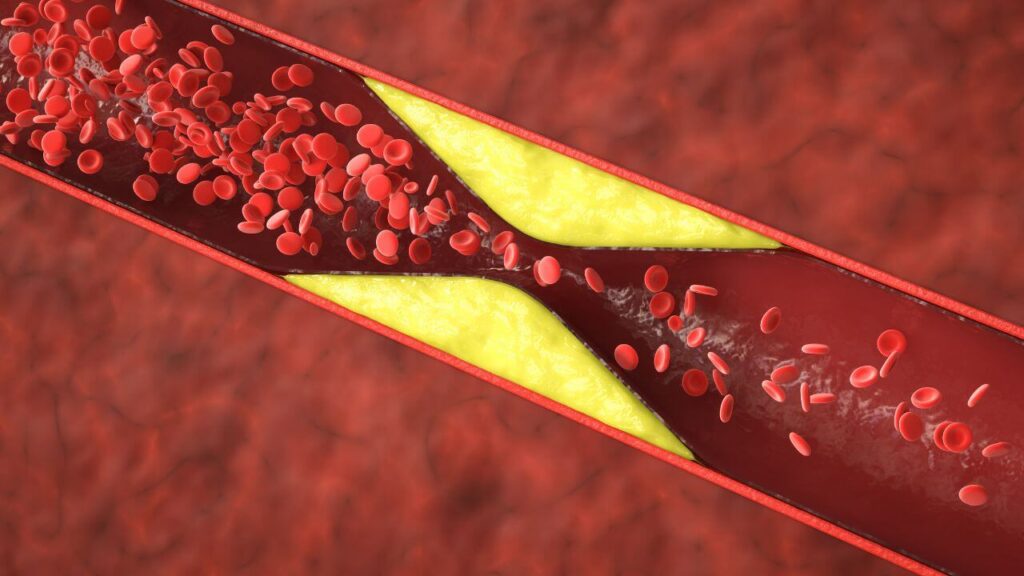
Peripheral artery disease (PAD) occurs when the arteries in the legs become narrowed or blocked, reducing blood flow. This can lead to a burning sensation due to inadequate oxygen and nutrients reaching the leg muscles.
Muscle fatigue and overuse
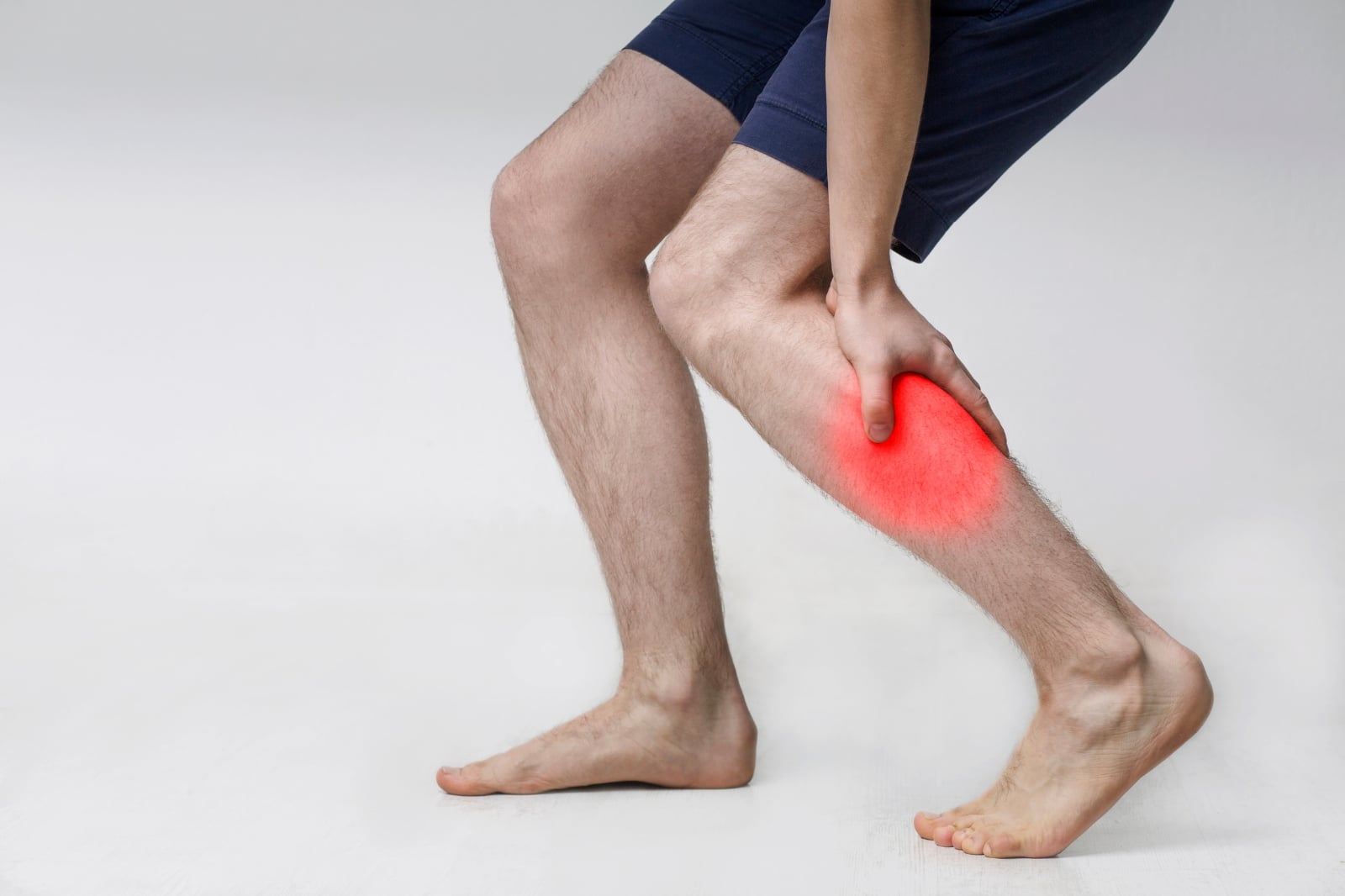
Engaging in strenuous physical activities or overusing the leg muscles can lead to muscle fatigue. This can cause a burning sensation due to the buildup of lactic acid and the strain placed on the muscles.
Spider veins
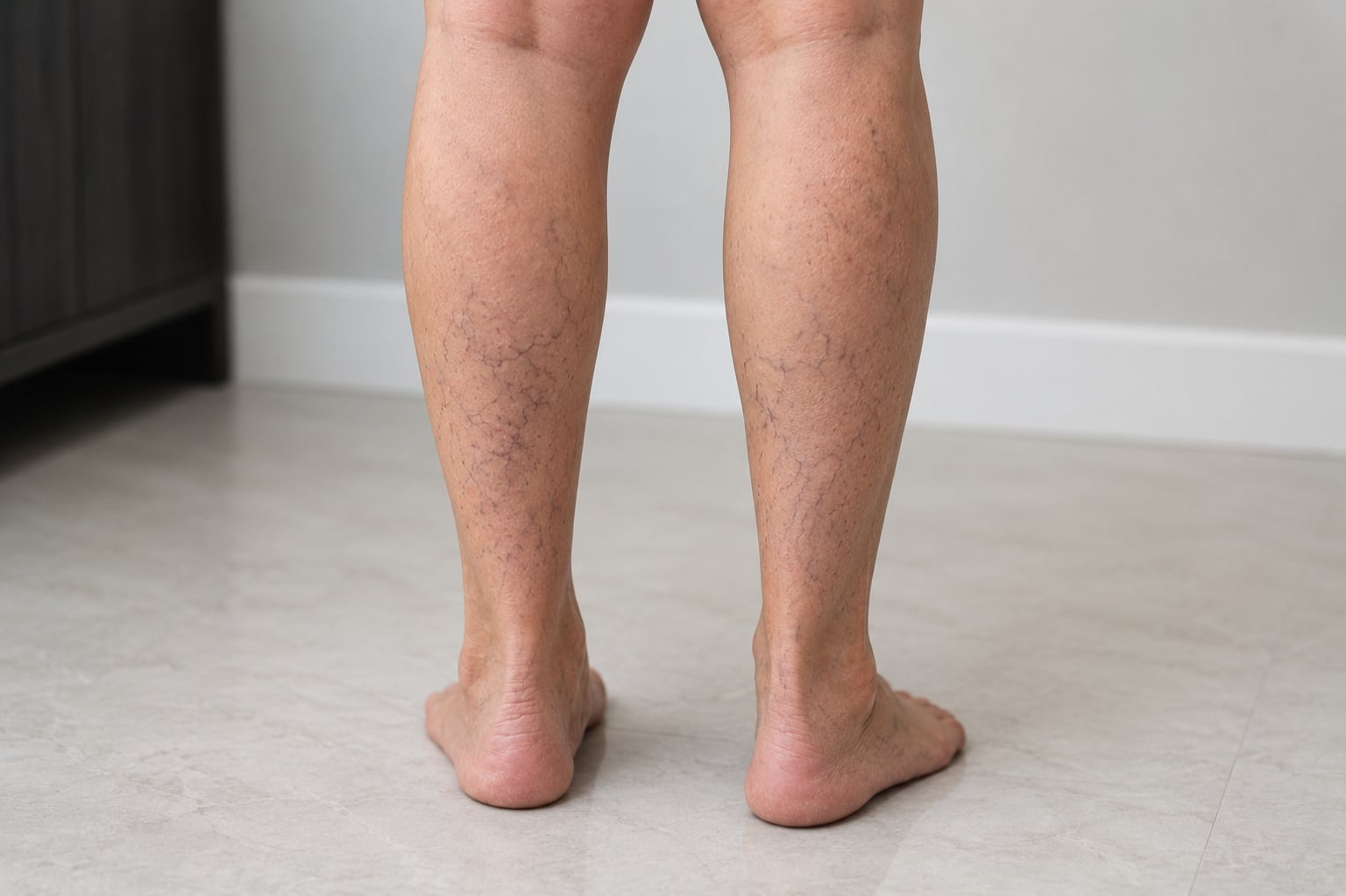
Spider veins, also known as telangiectasias are smaller, web-like veins that can cause a hot or burning sensation in the legs. They are typically closer to the surface of the skin and are commonly seen on the legs, hands, stomach, and buttocks.
Restless leg syndrome (RLS)
Restless leg syndrome (RLS) is a neurological disorder characterized by an uncontrollable urge to move the legs. People with RLS often experience uncomfortable sensations, including burning, tingling, or itching, especially during periods of inactivity or at night.
Varicose veins
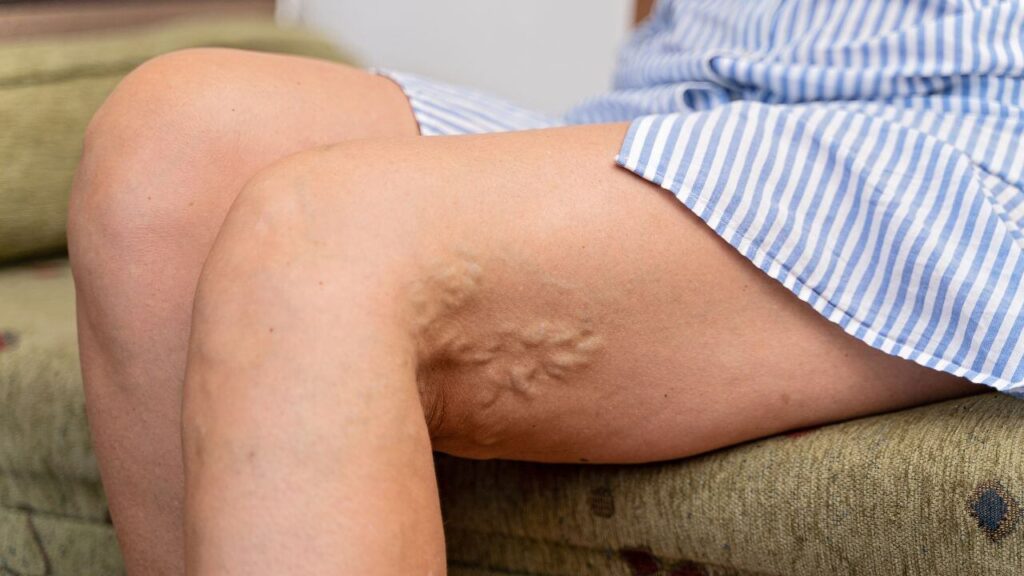
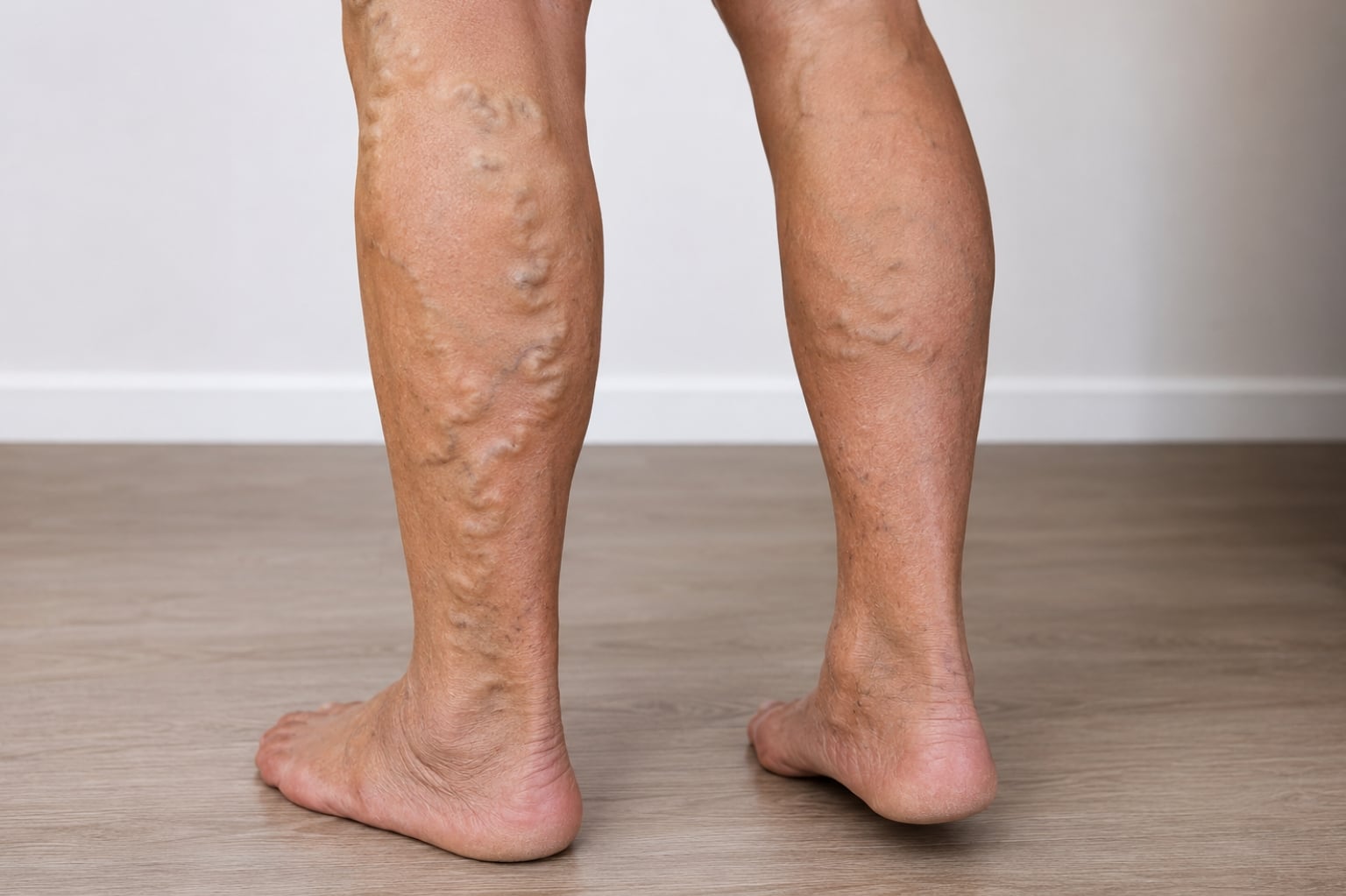
Varicose veins are enlarged, swollen veins that usually appear on the legs and can cause a burning or throbbing pain sensation. They occur when the vein valves weaken, which allows proper blood flow back to the heart, causing blood to pool and veins to become enlarged.
Deep vein thrombosis (DVT)
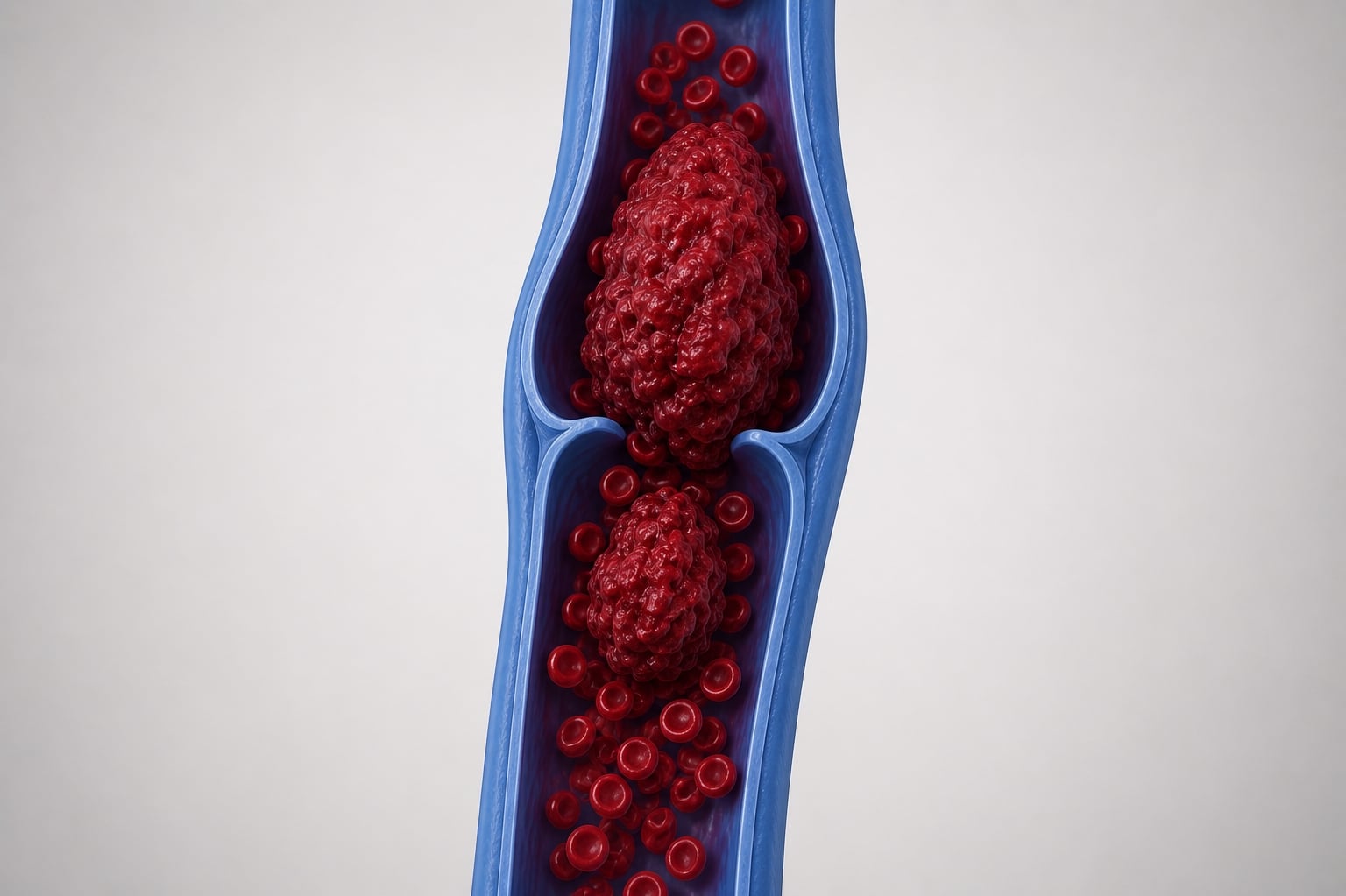
Deep vein thrombosis is a blood clot that forms in a deep vein, commonly in the leg. Deep vein thrombosis can cause a sudden and severe burning sensation, along with swelling, warmth, and redness in the affected area. It is a serious condition that requires immediate medical attention.
Risk factors for burning sensation in the legs below the knee

Certain factors can increase the likelihood of experiencing a burning sensation in the legs below the knee. These include:
- Obesity
- Pregnancy
- Smoking
- Sedentary lifestyle
- Prolonged sitting or standing
Symptoms of burning sensation in legs below knee caused by vein disease

When venous disease is the underlying cause of the burning sensation, you may also experience the following symptoms:
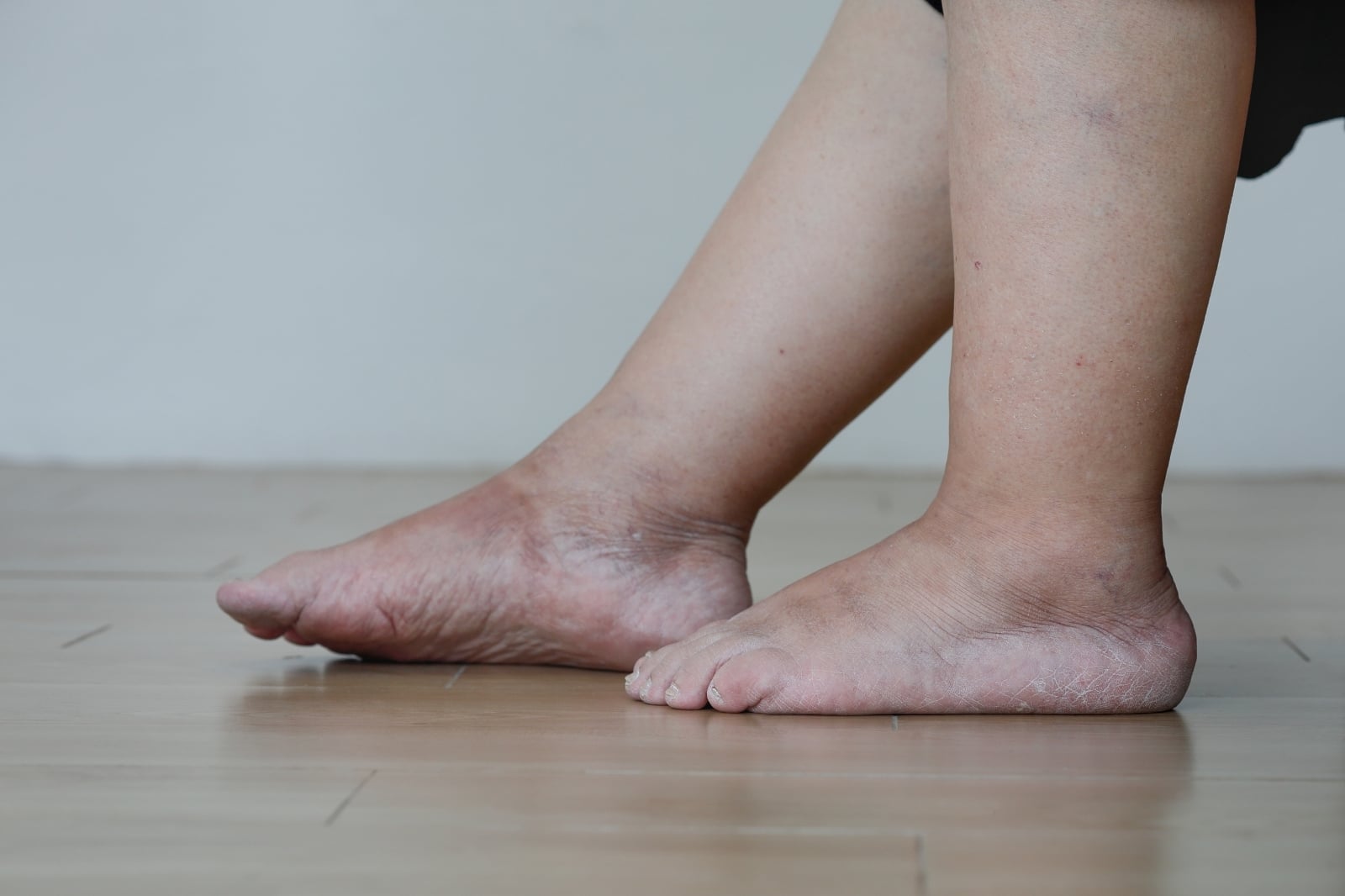
- Swelling in the legs and ankles
- Appearance of varicose or spider veins
- Leg cramps or muscle spasms
- Itching or tingling sensation in the legs
- A feeling of heaviness or fatigue in the legs
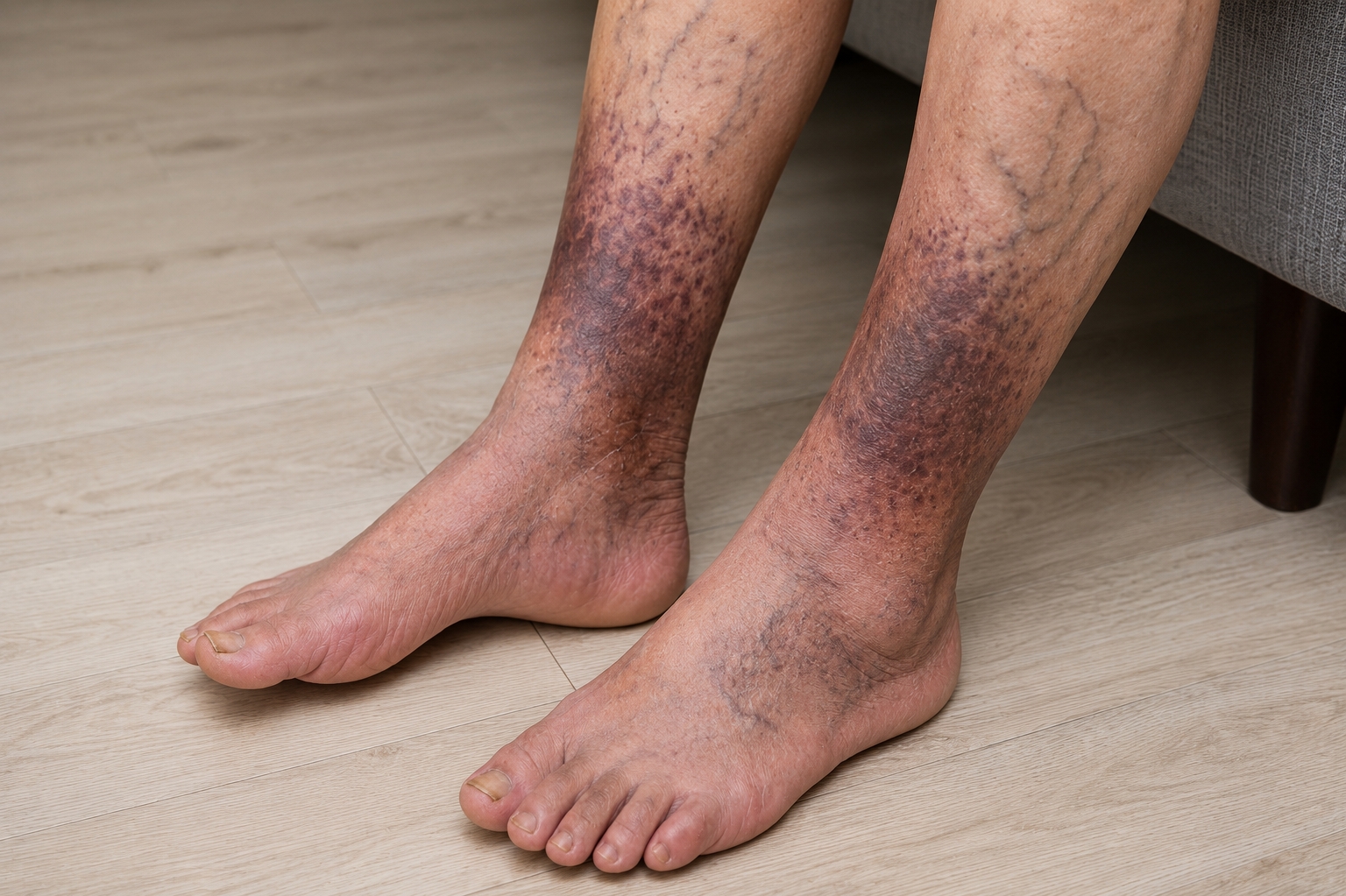
- Skin discoloration
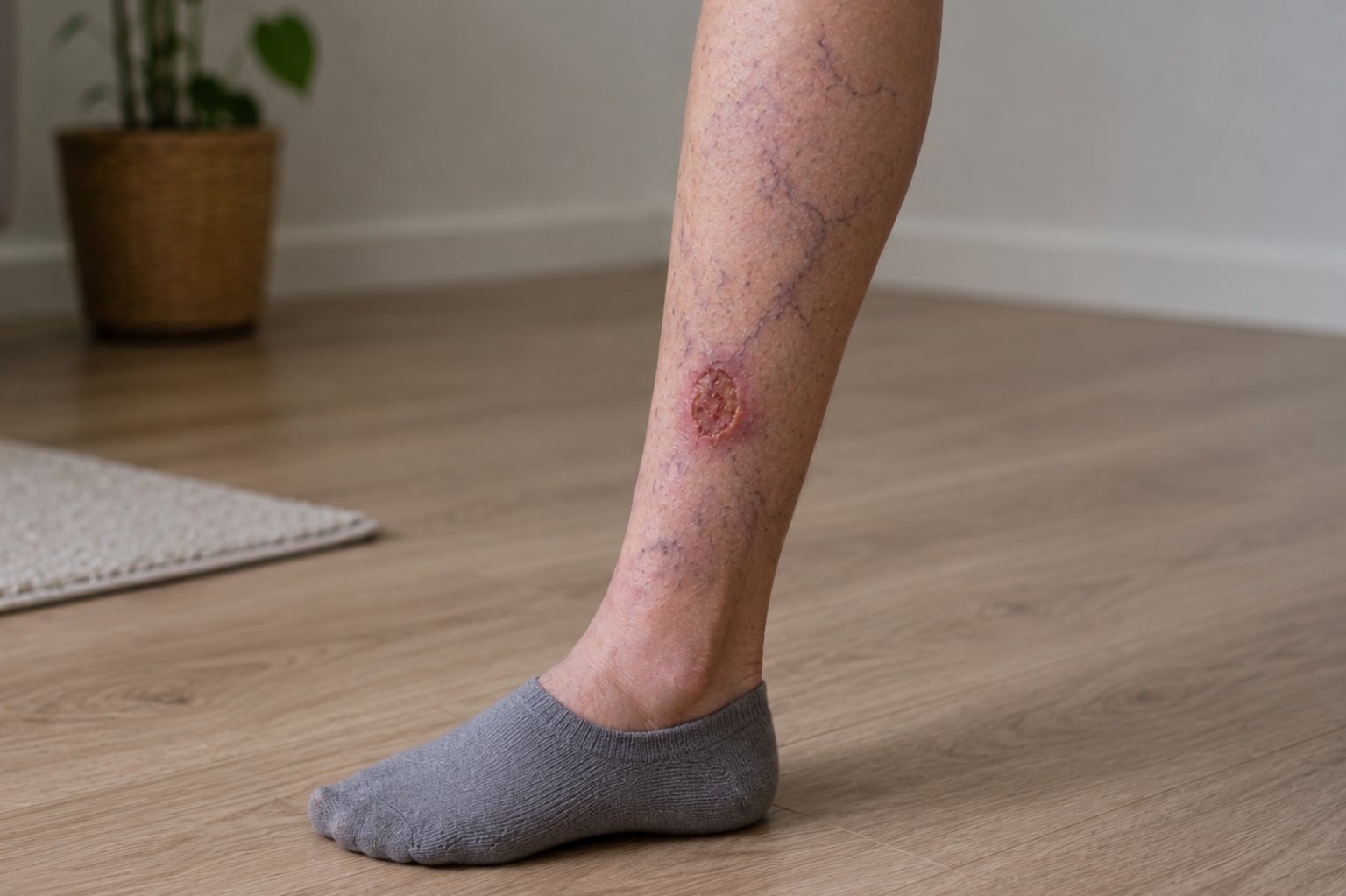
- Venous leg ulcers
Treatment options for a burning sensation in the leg below the knee
Treatment for a burning sensation in the leg below the knee depends on the underlying cause. Here are some options to consider:
Burning sensation in the leg below knee home remedies

When you experience a burning sensation in your leg below the knee, it can be quite uncomfortable. Fortunately, there are several home remedies that you can try to alleviate the discomfort.
- Elevate your leg: Propping up your leg on a pillow or cushion can improve blood circulation and reduce swelling, which may contribute to the burning sensation.
- Apply a cold compress: Placing a cold compress, such as an ice pack or a bag of frozen peas, on the affected area can help reduce inflammation and numb the pain.
- Practice gentle exercises: Engaging in low-impact exercises like walking or stretching can increase blood flow and relieve the warm sensation in your legs. Additionally, this can help strengthen your leg muscles and relieve pain that commonly accompanies warm feeling in the lower legs.
- Compression stockings: Wearing compression stockings can effectively alleviate the burning sensation in your leg below the knee. These specially designed stockings apply gentle pressure to your lower legs, improving blood circulation and preventing blood from pooling in the veins, which can contribute to the burning legs sensation.
- Maintaining a Healthy Weight: Excess weight can strain your legs, leading to a burning sensation. By maintaining a healthy weight through a balanced diet and regular exercise, you can alleviate the pressure on your legs. This will not only reduce the burning sensation but also improve your overall leg health.
How to treat a burning sensation in legs below the knees caused by venous disease?
If venous disease, such as varicose veins or spider veins, is causing a leg burning sensation, medical treatment may be necessary. These medical treatments may include minimally invasive procedures like sclerotherapy, laser treatment, and radiofrequency ablation (RFA). These techniques target the underlying cause of the burning sensation and can provide long-term relief.
Should you be worried about a burning sensation in your legs?
Experiencing a burning sensation in the legs below the knees can be concerning, but it’s not always a cause for alarm. In some cases, it may be a temporary discomfort that resolves on its own. However, if the burning sensation persists, worsens, or is accompanied by other concerning symptoms, it is important to consult a doctor.
When should you call a doctor about burning legs below the knee?
If you are experiencing burning sensations in your legs below the knee, it is important to know when to seek medical advice. Occasional burning sensations in the legs can be caused by factors such as muscle fatigue or poor circulation.
However, if the burning sensations are persistent, worsen over time, are accompanied by other symptoms such as numbness or weakness, or interfere with your daily activities, it is recommended to call a doctor. These symptoms could indicate an underlying condition that requires medical attention.
Frequently asked questions
Yes, poor circulation, often due to conditions like peripheral artery disease or venous insufficiency, can cause a burning sensation in the legs. Improving circulation through lifestyle changes and medical treatments can help alleviate this symptom.
While a burning sensation in the legs can be uncomfortable, it may not always be serious. However, if the burning persists, worsens, or is accompanied by other concerning symptoms, it’s important to seek medical advice for an accurate diagnosis and appropriate treatment.
Bottom line
A burning sensation in the leg below the knee can be a bothersome symptom that may indicate an underlying condition. By understanding the causes, symptoms, and treatment options, you can take proactive steps to manage your symptoms and improve your quality of life. Remember, always consult with a healthcare professional for proper diagnosis and guidance.
- MedlinePlus. 2024. Peripheral neuropathy.
- National Institutes of Health. 2026. Peripheral Arterial Disease.
- News Medical Life Sciences. 2022. Foot Conditions and Pregnancy.
Editorial standards
All iThriveVeins content is medically reviewed by board-certified vein specialists and written following evidence-based guidelines. We source our information from peer-reviewed medical journals, clinical studies, and established medical organizations. Our editorial process ensures accuracy, objectivity, and relevance to patient needs.