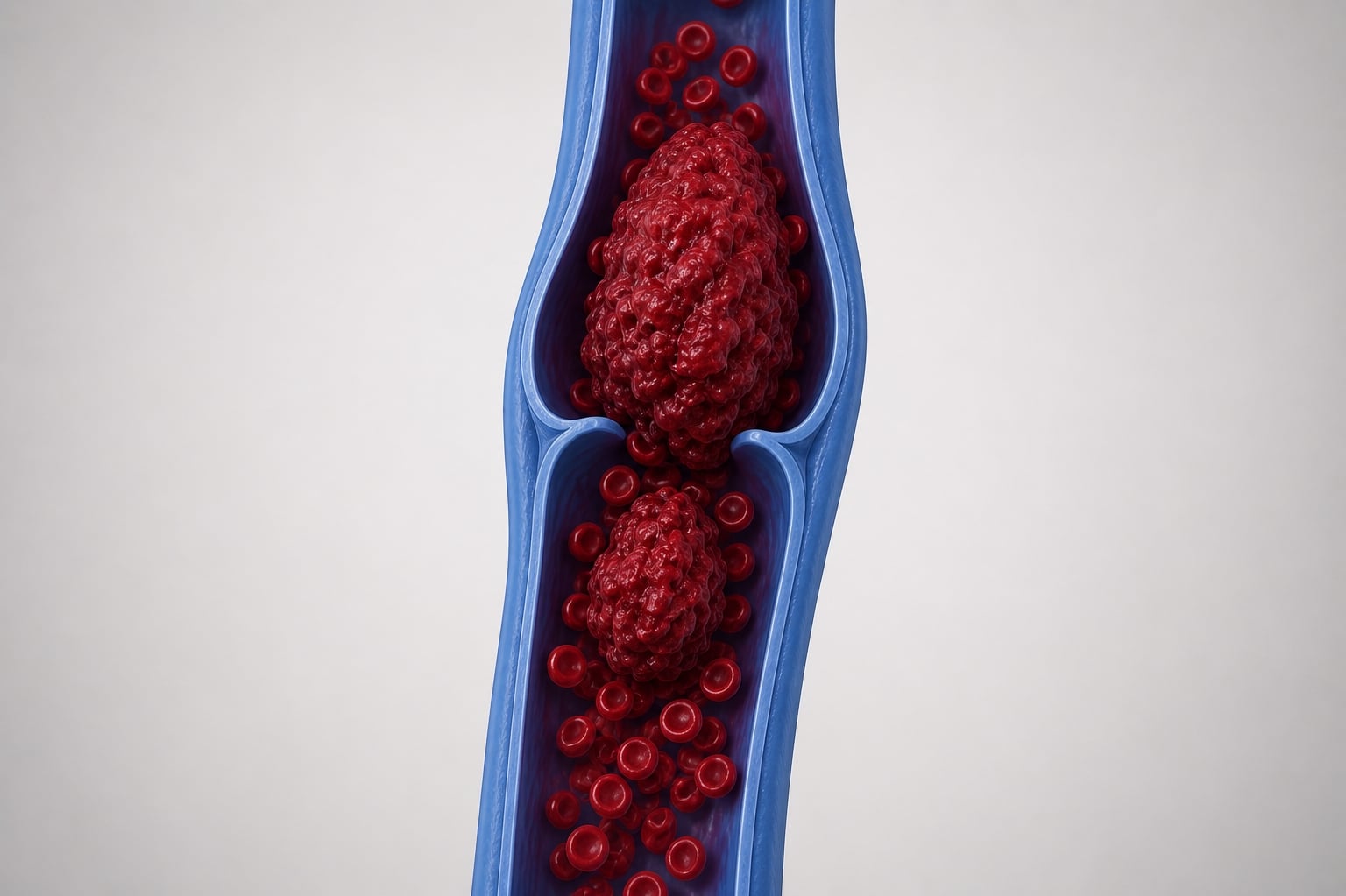
Yes. Varicose bulging veins can compress nearby sensory nerves, and the venous congestion associated with them reduces oxygen delivery to nerve tissue. Studies confirm measurable nerve damage in CVI patients, and treating incompetent veins can improve numbness even when other causes are contributing.
Symptom Guide
Numb Legs: Causes, When to Worry & the Vein Disease Connection
Leg numbness can stem from nerve, artery, or vein problems. Learn the causes, how chronic venous insufficiency contributes, and when to seek medical evaluation.



Key takeaways
- Leg numbness (paresthesia) has multiple potential causes, including nerve compression, peripheral neuropathy, peripheral artery disease (PAD), spinal conditions, and chronic venous insufficiency.
- Chronic venous insufficiency causes blood to pool in the lower extremities and creates fluid buildup that can damage peripheral nerves over time.
- Numbness linked to vein disease typically gets worse throughout the day and often occurs alongside leg heaviness, swelling, or visible varicose veins.
- Prompt medical evaluation is warranted for sudden, persistent, or progressive leg numbness, or for numbness accompanied by weakness, changes in skin color, or difficulty walking.
- Duplex ultrasound can identify venous insufficiency as a treatable contributing factor.
- Minimally invasive medical procedures can close malfunctioning veins to restore proper circulation and relieve neuropathic symptoms.
- Simple conservative measures like wearing compression stockings, regular exercise, and elevating the legs can significantly reduce venous pressure and improve discomfort.
Table Of Contents
Leg numbness, also known as paresthesia, refers to a partial or complete loss of sensation in one or both legs. This sensation may manifest as pins and needles, heaviness, or diminished sensitivity to touch, temperature, or pressure. Temporary numbness commonly occurs after sitting cross-legged, during extended car rides, or following prolonged standing at work. Although these episodes typically resolve with movement or a change in position, leg numbness can also result from more serious vascular or neurological conditions.
Common causes of numb legs
Leg numbness results from disrupted nerve signaling, which may be caused by nerve compression, inadequate blood supply, inflammation, or metabolic injury to nerve fibers. The most common causes are outlined below by category.
Vein-related causes
Chronic venous insufficiency (CVI) occurs when leg vein valves malfunction, allowing blood to flow backward and pool in the lower extremities. The Vein Consult Program, an international survey of over 91,545 adults, found a worldwide prevalence of chronic venous disease of 83.6%. CVI increases venous pressure in the legs, leading to fluid leakage into surrounding tissues.
A review of microvascular changes in CVI describes how this sustained pressure leads to microvascular ischemia — reduced oxygen delivery at the capillary level — which can irritate and damage peripheral nerves.
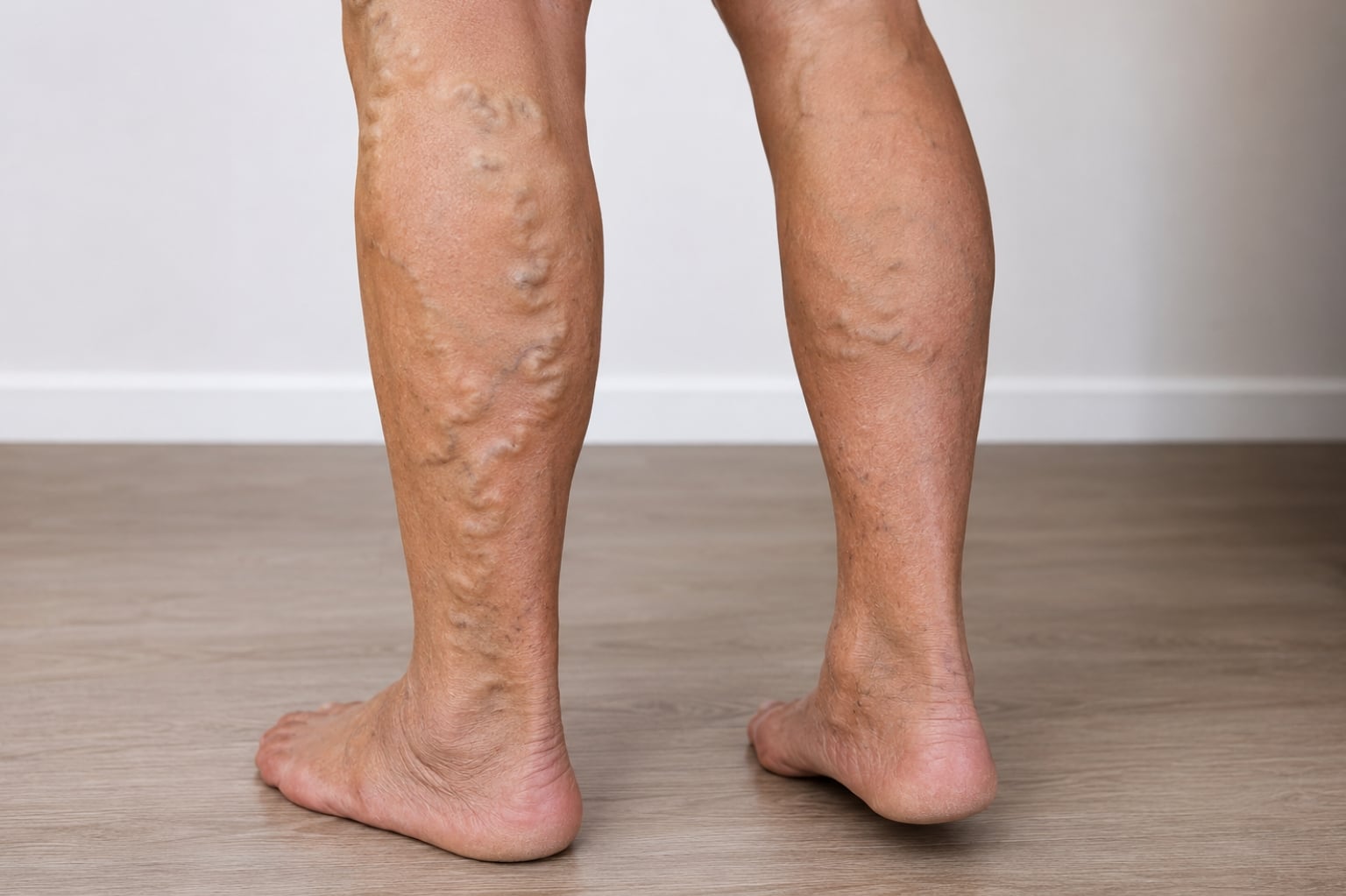
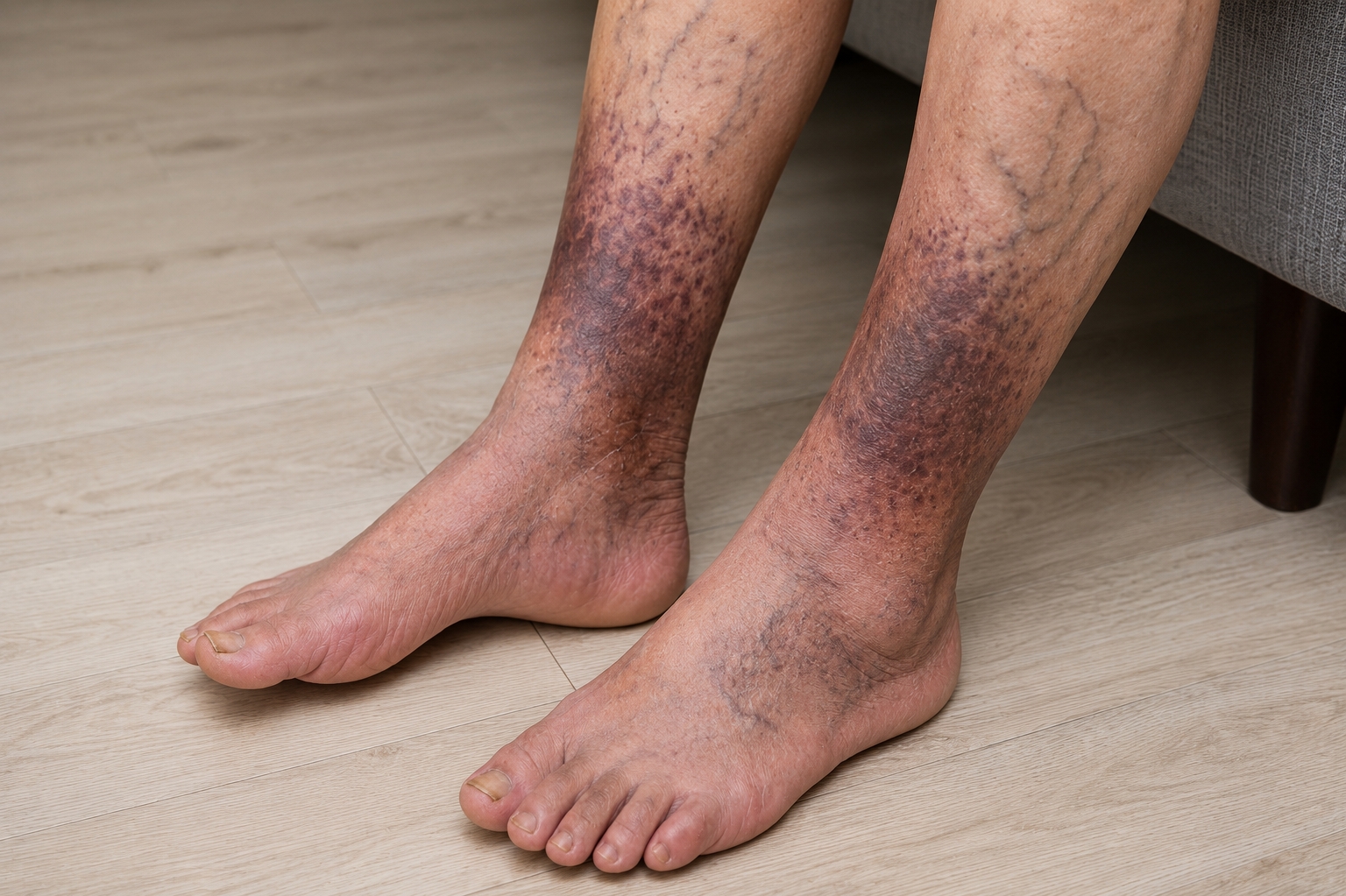
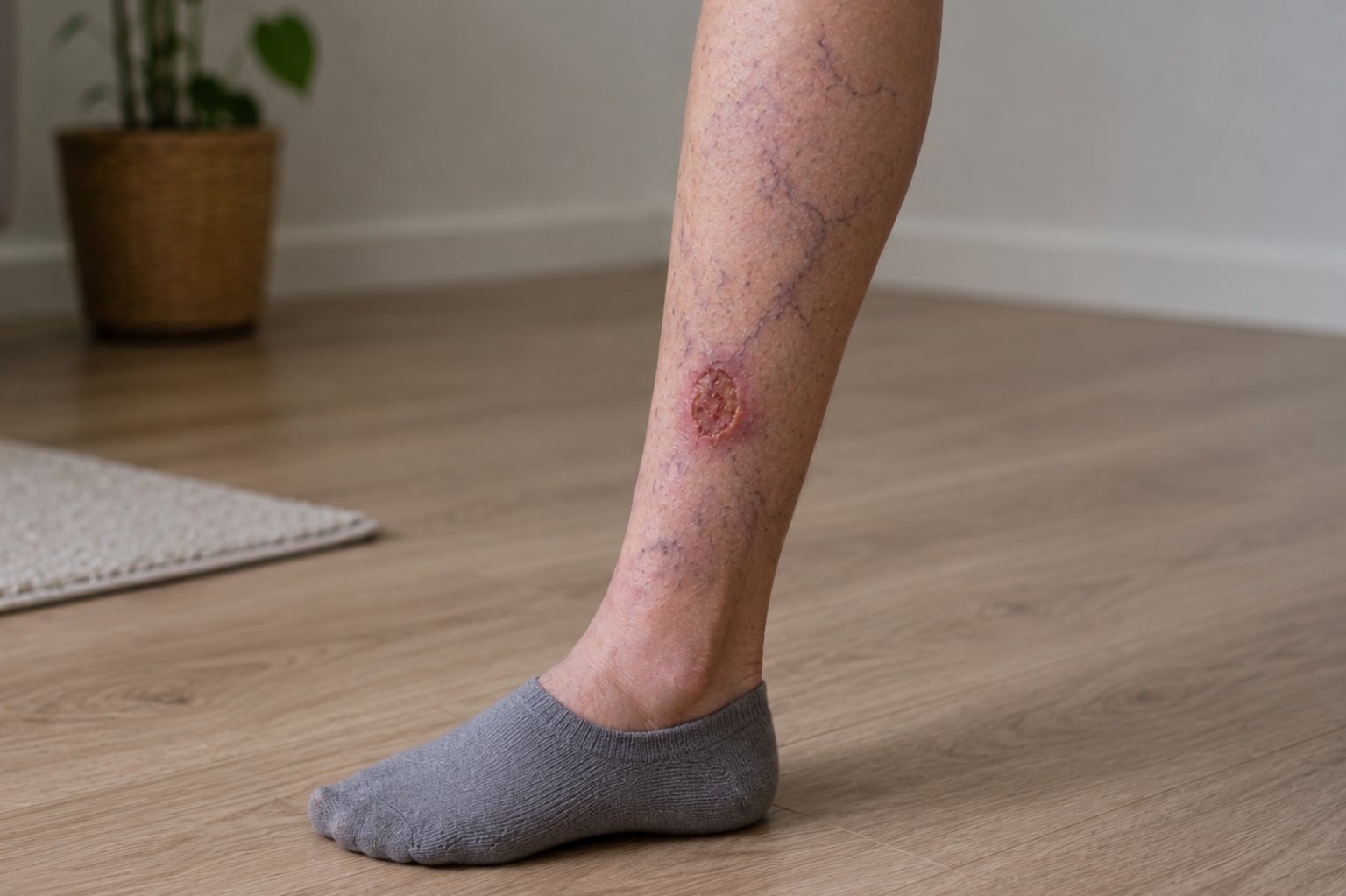
Numbness associated with CVI often intensifies as the day progresses, particularly after extended periods of standing or sitting. It commonly co-occurs with other venous symptoms such as heaviness, aching, swelling, visible varicose veins, or skin discoloration near the ankles.
Deep vein thrombosis (DVT)
A blood clot in a deep leg vein can cause sudden numbness or tingling, along with swelling, warmth, pain, and redness. DVT is a medical emergency because the clot can travel to the lungs. Sudden numbness with swelling in one leg requires immediate evaluation.
Artery-related causes
Peripheral artery disease (PAD) results from atherosclerosis — fatty plaque buildup that narrows the arteries supplying the legs. PAD affects over 200 million people worldwide and is particularly common in older adults, smokers, and people with diabetes. Reduced arterial blood flow deprives nerve tissue of oxygen, producing numbness, cramping (claudication), coolness, and slow wound healing.
Research shows that people with severe PAD have poorer peroneal nerve conduction velocity compared with those with mild PAD or no PAD — confirming that arterial ischemia directly harms peripheral nerves. PAD symptoms are characteristically triggered by physical activity and relieved by rest, distinguishing them from venous causes.
Nerve-related causes
Peripheral neuropathy is damage to the peripheral nerves outside the brain and spinal cord. Diabetes is the most common cause. Other causes include vitamin B12 deficiency, alcohol use, autoimmune conditions, infections, and certain medications (particularly chemotherapy agents). Diabetic neuropathy typically begins in the feet and progresses upward in a “stocking” pattern, with numbness, tingling, and burning that tends to worsen at night.
- Lumbar spinal stenosis and herniated discs may compress nerve roots exiting the spine, resulting in numbness, weakness, or pain radiating down one or both legs (radiculopathy or sciatica). A cross-sectional study of patients presenting to a spine center for leg pain found that 85.7% also had chronic venous disease on ultrasound, highlighting the significant overlap between spinal and venous causes of leg symptoms.
- Nerve entrapment syndromes — such as tarsal tunnel syndrome, peroneal nerve compression at the fibular head, or meralgia paresthetica (lateral femoral cutaneous nerve compression) — produce localized numbness in specific distributions.
Other Causes
Additional conditions that can produce leg numbness include multiple sclerosis (demyelination of the central nervous system), stroke or transient ischemic attack (sudden onset, usually one-sided), hypothyroidism, prolonged sitting or crossing the legs (temporary nerve compression), and certain medications (statins, anticonvulsants, antibiotics).
How vein disease causes leg numbness

The association between chronic venous insufficiency and leg numbness is more substantiated in the literature than is commonly recognized by patients and healthcare providers.
The Mechanism
A study by Reinhardt et al. compared 30 patients with CVI to 20 healthy controls using nerve conduction studies. The CVI group demonstrated significant impairment across multiple nerve fiber types — including motor fibers, sensory fibers, and small unmyelinated fibers responsible for temperature detection. The researchers attributed this to ischemia caused by venous microangiopathy and increased endoneurial (within-nerve) pressure.
An earlier study by Padberg et al. confirmed that patients with more advanced CVI (CEAP C5) exhibited significantly greater sensory impairment than those with milder disease (CEAP C2), as measured by pressure aesthesiometry at nine sites on the leg. This dose-response relationship, in which more severe venous disease correlates with greater nerve dysfunction, supports the conclusion that venous disease directly contributes to numbness.
The overlap problem
Leg numbness is frequently attributed to diabetes, spinal disease, or aging, whereas CVI is often overlooked. Recognizing CVI is important because it is treatable, and addressing venous insufficiency may improve numbness even when other etiologies are present.
A preliminary study published in the Journal of Vascular Surgery: Venous and Lymphatic Disorders followed 20 patients who had both CVI (CEAP C3 or C4a) and neuropathic symptoms. All underwent laser ablation of incompetent great saphenous veins. At three-month follow-up, 65% reported improvement — including patients whose neuropathy was attributed to diabetes or spinal disease. Seven reported sustained improvement at one year, and six reported complete resolution.
A larger study presented at the American Academy of Neurology examined 50 patients with EMG-confirmed idiopathic polyneuropathy who also had CVI. After endovenous radiofrequency ablation, 88% reported greater than 50% reduction in pain, numbness, and tingling at six months. Average pain scores decreased by 63.5%.
These findings indicate that venous congestion may exacerbate neuropathic symptoms regardless of the primary cause, and that treating the venous component can provide meaningful relief.
Symptoms: Numb legs and what accompanies them
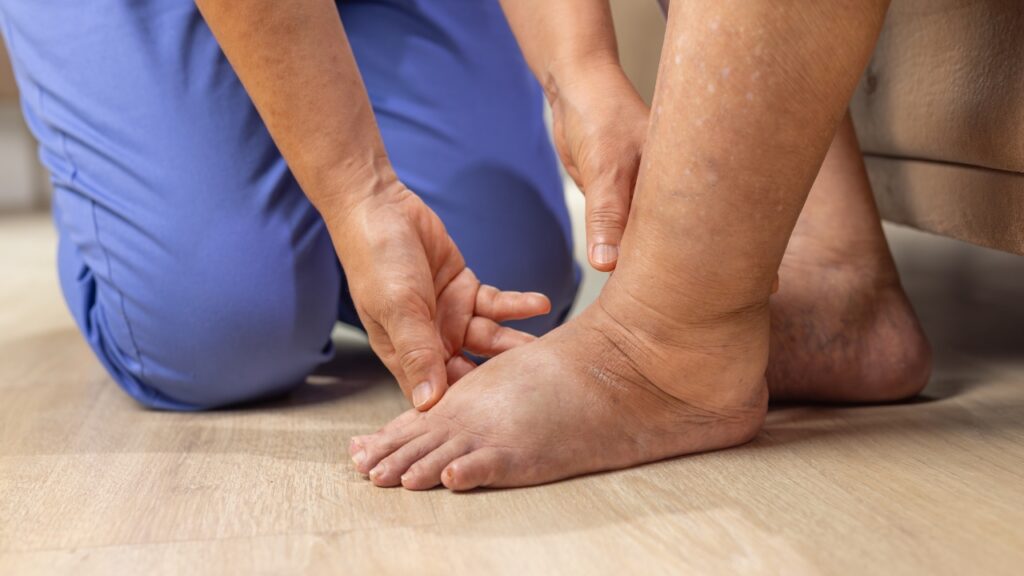
Numbness rarely occurs alone. Associated symptoms often help identify the underlying cause.
When vein disease is the likely contributor
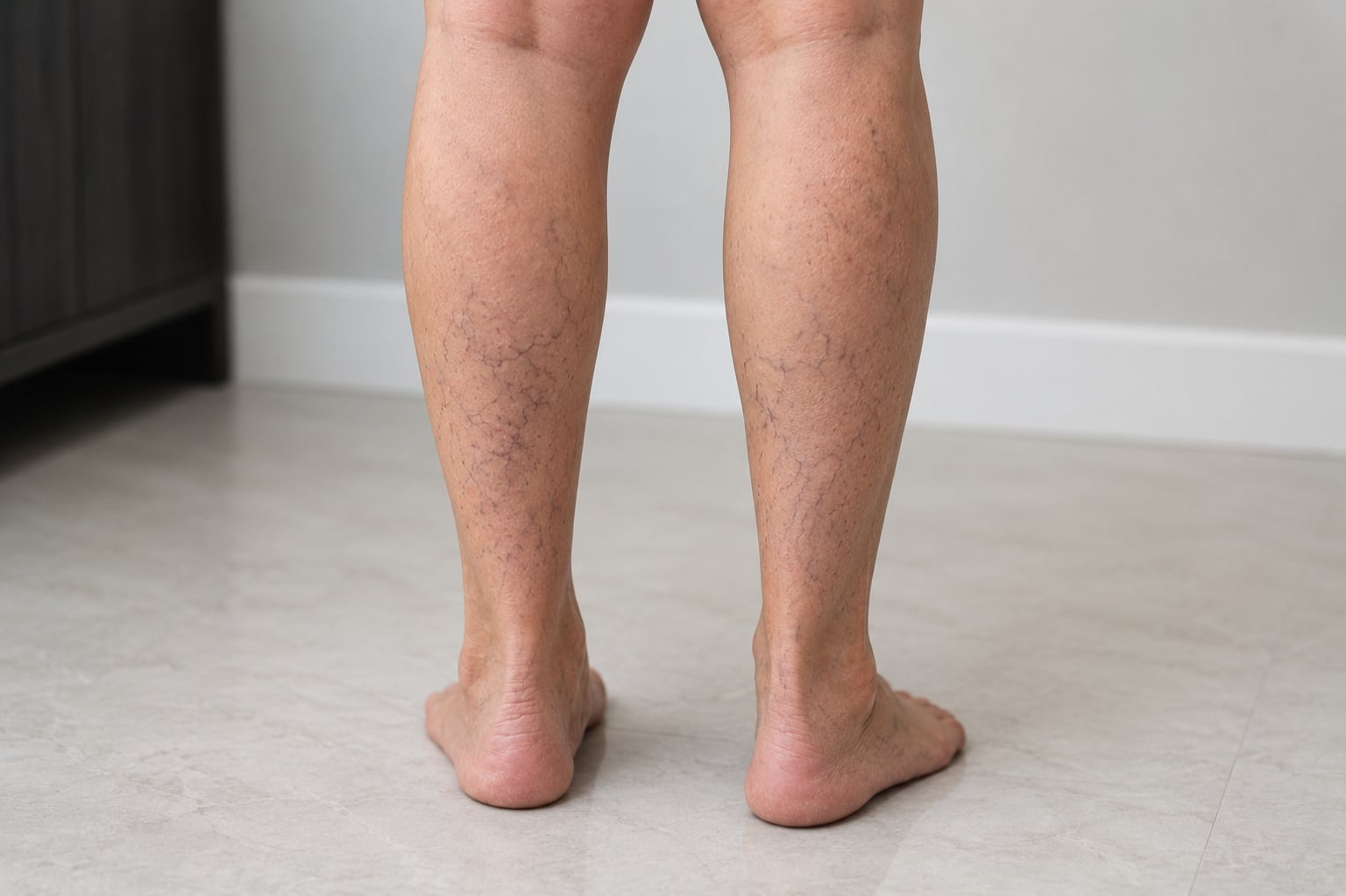
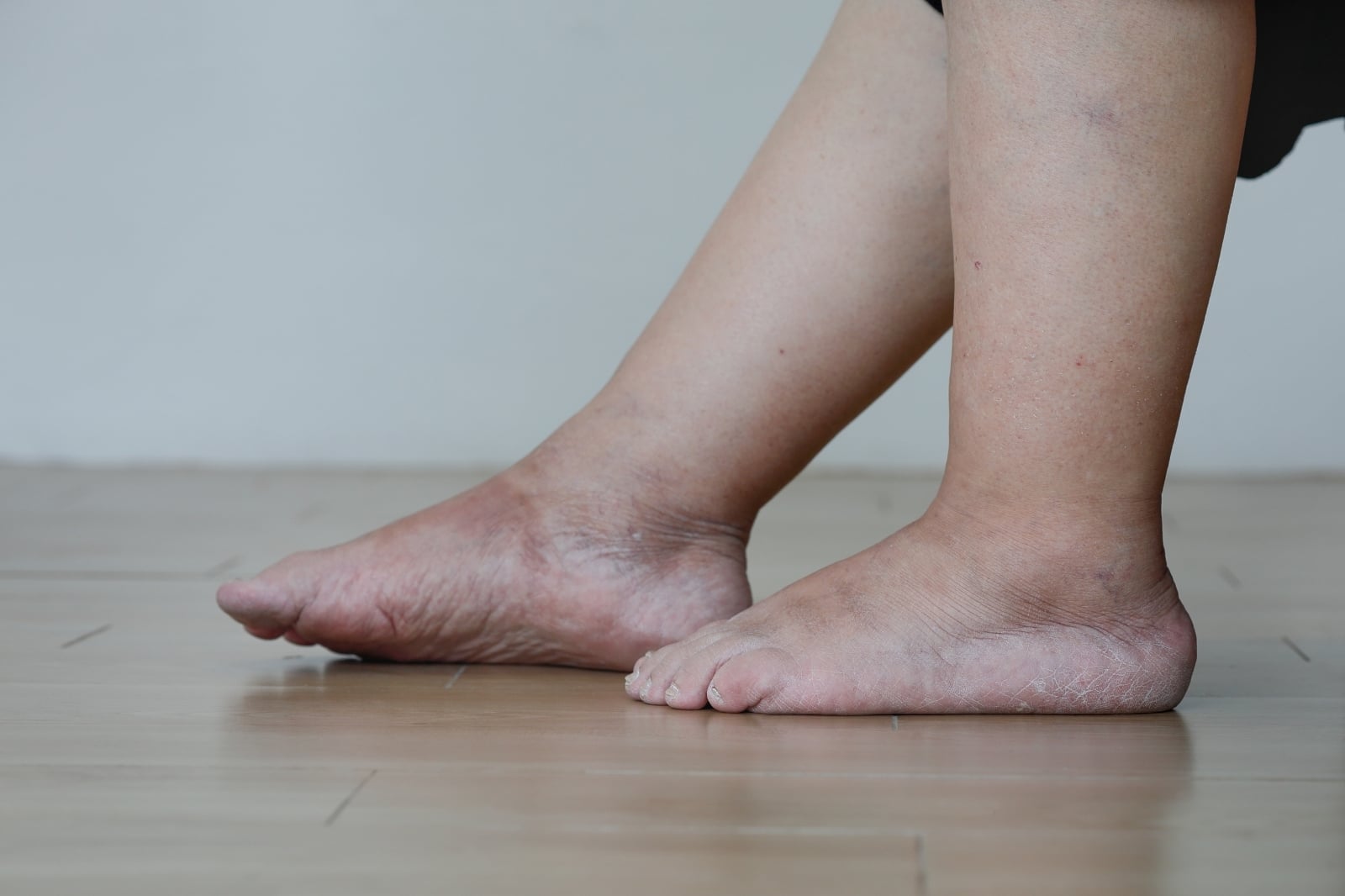
Numbness with leg heaviness or fatigue (especially later in the day), visible varicose or spider veins, ankle swelling that improves overnight, skin discoloration near the ankles, itching or burning along the lower legs, and symptoms that worsen with standing or sitting and improve with elevation suggest a venous cause.
When other causes are more likely
Numbness presenting in a symmetric “stocking-glove” distribution (both feet, progressing upward) is indicative of peripheral neuropathy. Numbness accompanied by leg cramping during ambulation that resolves with rest suggests peripheral artery disease. Numbness radiating from the back or buttocks down one leg is characteristic of a spinal etiology. Sudden, unilateral numbness with facial drooping or speech difficulty constitutes a medical emergency and may indicate stroke.
Red flags requiring urgent evaluation
Certain patterns require immediate medical attention: sudden numbness in one leg (possible DVT, stroke, or acute arterial occlusion), numbness accompanied by loss of bladder or bowel control (possible cauda equina syndrome, a surgical emergency), numbness with a cold, pale, or blue leg (possible acute limb ischemia), and progressive numbness that spreads or worsens over days to weeks.
Given the many possible causes of leg numbness, a systematic diagnostic approach is essential.
Medical history and physical Exam
A thorough history should cover the onset, distribution, timing, and factors that worsen or relieve numbness, as well as associated symptoms, medical conditions, medications, family history, and occupational factors. Physical examination assesses pulses, sensation, reflexes, skin color and temperature, varicose veins or swelling, and skin changes linked to venous disease.
Duplex ultrasound
Duplex ultrasound is the main diagnostic tool for venous disease. It uses imaging and Doppler blood flow assessment to identify valve dysfunction, locate incompetent veins, and rule out DVT. This noninvasive, painless, and accurate test should be included when leg numbness is accompanied by signs of venous disease.
Additional Diagnostic Tests

Additional tests may include an ankle-brachial index to screen for PAD, nerve conduction studies and electromyography for peripheral neuropathy, MRI of the lumbar spine if radiculopathy is suspected, and blood tests for diabetes, vitamin B12, thyroid function, and inflammatory markers.
The case for checking veins
A spine center study found chronic venous disease in 85.7% of patients with leg pain, showing how often venous disease coexists with or mimics other conditions. Including duplex ultrasound in the evaluation of leg numbness can help identify a treatable vascular cause that might otherwise be missed.
Treatment options
Treatment is determined by the underlying cause. When chronic venous insufficiency contributes to leg numbness, addressing the venous pathology can improve symptoms.
Conservative measures

Graduated compression stockings apply the greatest pressure at the ankle and decrease up the leg to improve venous return and reduce pooling. A placebo-controlled trial demonstrated that even low-pressure compression stockings significantly improved quality of life and reduced edema in patients with mild CVI.
A study of 112 CVI patients found statistically significant improvement in swelling, pain, skin discoloration, activity tolerance, and sleep quality after wearing graduated compression stockings for 16 months.
Regular exercise, including walking, cycling, and calf raises, activates the calf muscle pump and promotes healthy circulation. Elevating the legs above heart level for 15 to 20 minutes several times daily reduces venous pressure. Weight management decreases pressure on leg veins and supports vascular health.
Minimally invasive vein treatments
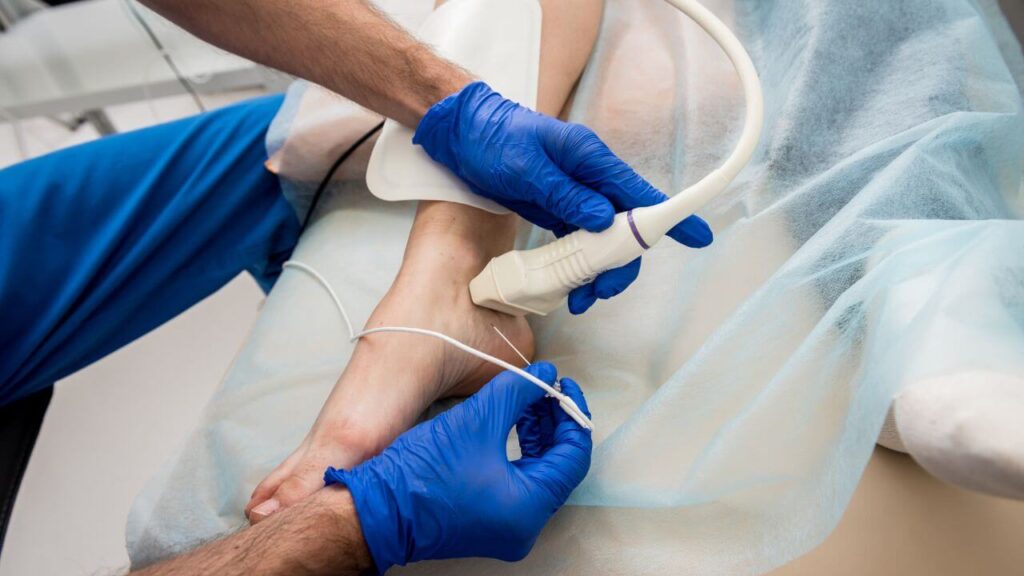
If conservative measures are not effective and duplex ultrasound confirms venous reflux, minimally invasive procedures can close incompetent veins and redirect blood flow through healthy vessels.
Endovenous radiofrequency ablation (RFA) uses radiofrequency energy delivered through a catheter to heat and seal the incompetent vein. It is performed under local anesthesia in an outpatient setting. A 2026 meta-analysis of randomized controlled trials in Scientific Reports confirmed that endovenous ablation techniques carry a lower risk of nerve injury than conventional surgery, with most reported neuropathies being mild and self-resolving.
Endovenous laser ablation (EVLA) works on the same principle using laser energy. A 10-year follow-up study found that 98% of patients remained asymptomatic or significantly improved after EVLA, with only a 0.5% recanalization rate.
A separate prospective study found clinical improvement in one or more CVI symptoms in 96% of treated limbs after EVLA.
Sclerotherapy involves injecting a solution into varicose or spider veins to collapse them. It is commonly used for smaller veins and as an adjunct to ablation procedures.
Mechanochemical ablation (MOCA) combines a rotating wire with a sclerosing agent to close the vein without thermal energy, eliminating the need for tumescent anesthesia.
Treating coexisting conditions
When numbness has multiple contributing factors, such as both CVI and diabetic neuropathy, addressing each condition individually typically yields optimal outcomes. The study demonstrating 88% improvement after venous ablation in patients with confirmed polyneuropathy indicates that venous treatment can provide meaningful relief even when it is not the sole cause.
For peripheral neuropathy, treatment may include blood sugar optimization (for diabetes), vitamin supplementation (for B12 deficiency), medications for neuropathic pain (gabapentin, pregabalin, duloxetine), and physical therapy. For PAD, treatment may include supervised exercise programs, antiplatelet medications, statins, and, in some cases, angioplasty or stenting. Spinal causes may be addressed with physical therapy, epidural injections, or surgery, depending on the diagnosis.
Frequently asked questions
The two often coexist. Venous numbness tends to worsen with prolonged standing or sitting and improve with leg elevation. It frequently accompanies swelling, visible veins, or skin changes. Neuropathic numbness often follows a symmetric stocking pattern and worsens at night. A duplex ultrasound and nerve conduction studies can help distinguish the contributions of each.
It depends on the context. Temporary numbness from sitting in one position is harmless. Persistent, progressive, or sudden-onset numbness can signal conditions ranging from CVI to DVT, PAD, spinal stenosis, or stroke. Medical evaluation is recommended for any numbness that does not resolve quickly or recurs frequently.
It depends on whether other factors are contributing. Studies show that venous ablation can meaningfully reduce numbness even when CVI is not the only cause. When CVI is the primary driver, relief can be substantial. When multiple conditions are involved, treating the venous component is one part of a comprehensive plan.
Consider starting with a vein specialist if numbness is accompanied by visible veins, leg swelling, skin changes, or symptoms that worsen with standing. A neurologist may be more appropriate if numbness follows a classic nerve distribution pattern, especially with a history of diabetes, vitamin deficiency, or spinal problems. In many cases, evaluation by both is warranted.
Bottom line
Leg numbness has multiple potential causes, and chronic venous insufficiency is both prevalent and treatable. Research demonstrates that venous congestion can cause measurable peripheral nerve damage, and treating venous reflux can improve numbness even when other conditions, such as diabetes or spinal disease, are present.
Duplex ultrasound evaluation is a straightforward, noninvasive method to identify a venous contribution to leg numbness. If venous insufficiency is confirmed, minimally invasive in-office treatments can close incompetent veins, restore healthy circulation, and frequently provide significant symptom improvement.
- Journal of Vascular Surgery. 2020. Improvement of Neuropathy After Venous Ablation.
- Mayo Clinic. 2025. Diabetic neuropathy.
- PubMed. 2012. Epidemiology of chronic venous disorders in geographically diverse populations.
- PubMed. 1995. Microvascular changes in chronic venous insufficiency.
- National Institutes of Health. 2026. Peripheral Arterial Disease.
- PubMed. 2015. Lower extremity manifestations of peripheral artery disease.
- PubMed Central. 2023. Early-stage chronic venous disorder.
- PubMed. 2000. Peripheral neuropathy in chronic venous insufficiency.
- PubMed. 1999. Sensory impairment: a feature of chronic venous insufficiency.
- American Academy of Neurology. 2024. Effect of Endovenous Ablation on Painful Peripheral Neuropathy Symptoms.
- PubMed. 2000. Placebo controlled efficacy of class 1 elastic stockings in chronic venous insufficiency of the lower limbs.
- PubMed. 1999. Evaluation of therapeutic compression stockings in the treatment of chronic venous insufficiency.
- Scientific Reports. 2026. Effectiveness of endovenous ablation.
- PubMed. 2021. Favorable long-term results of endovenous laser ablation.
- PubMed. 2012. Early clinical improvement in chronic venous insufficiency symptoms after laser ablation.
Editorial standards
All iThriveVeins content is medically reviewed by board-certified vein specialists and written following evidence-based guidelines. We source our information from peer-reviewed medical journals, clinical studies, and established medical organizations. Our editorial process ensures accuracy, objectivity, and relevance to patient needs.