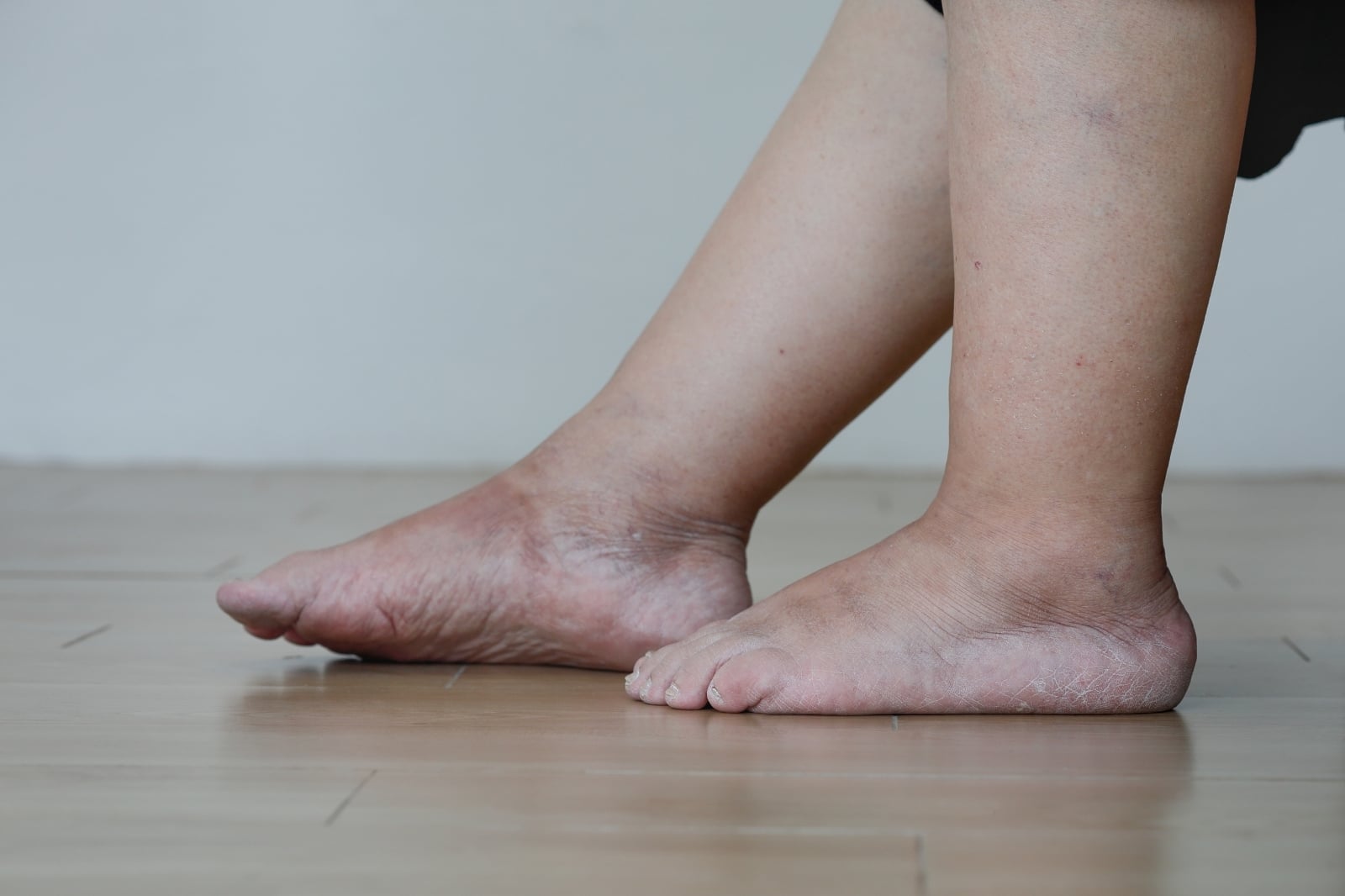
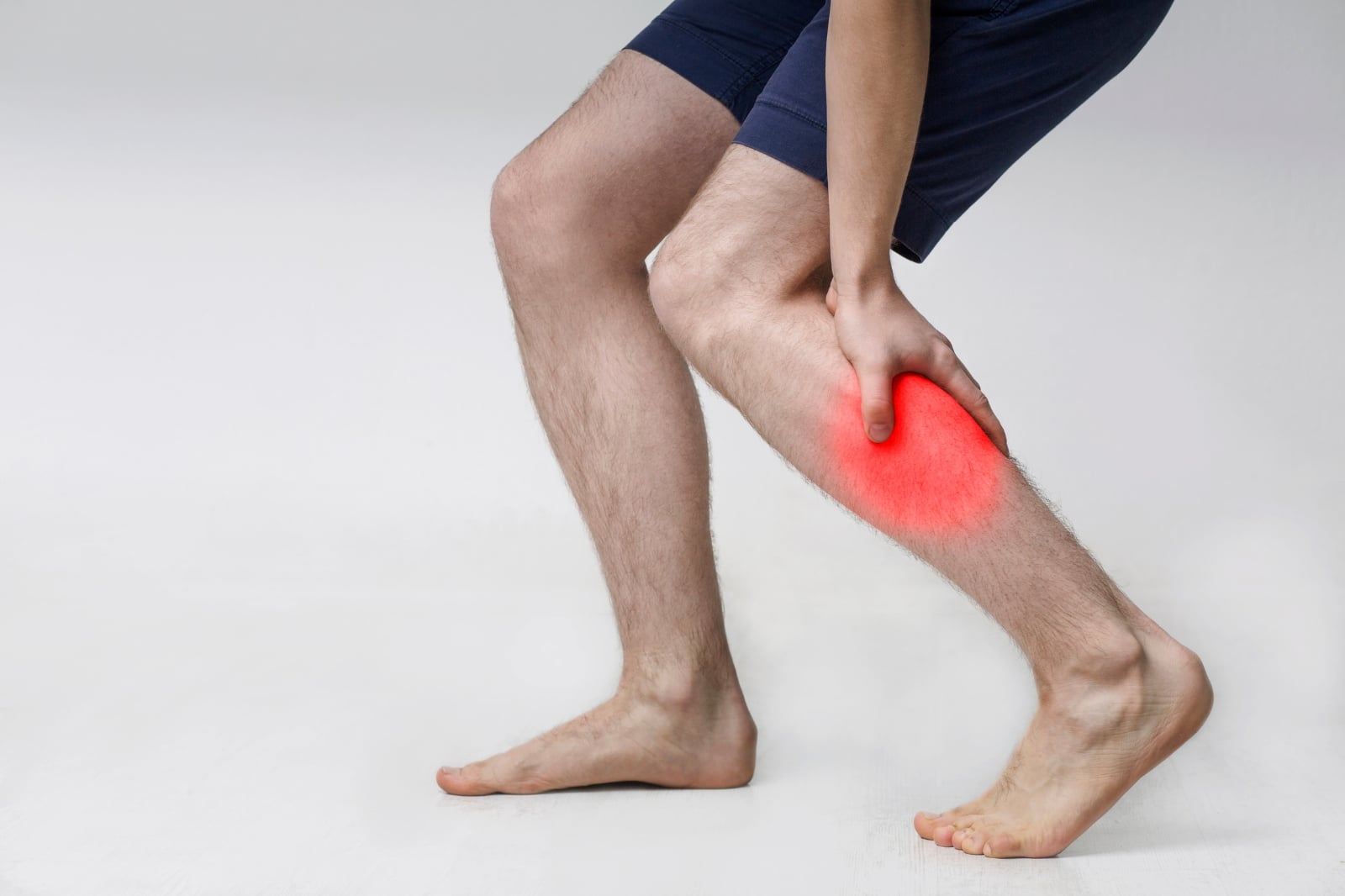
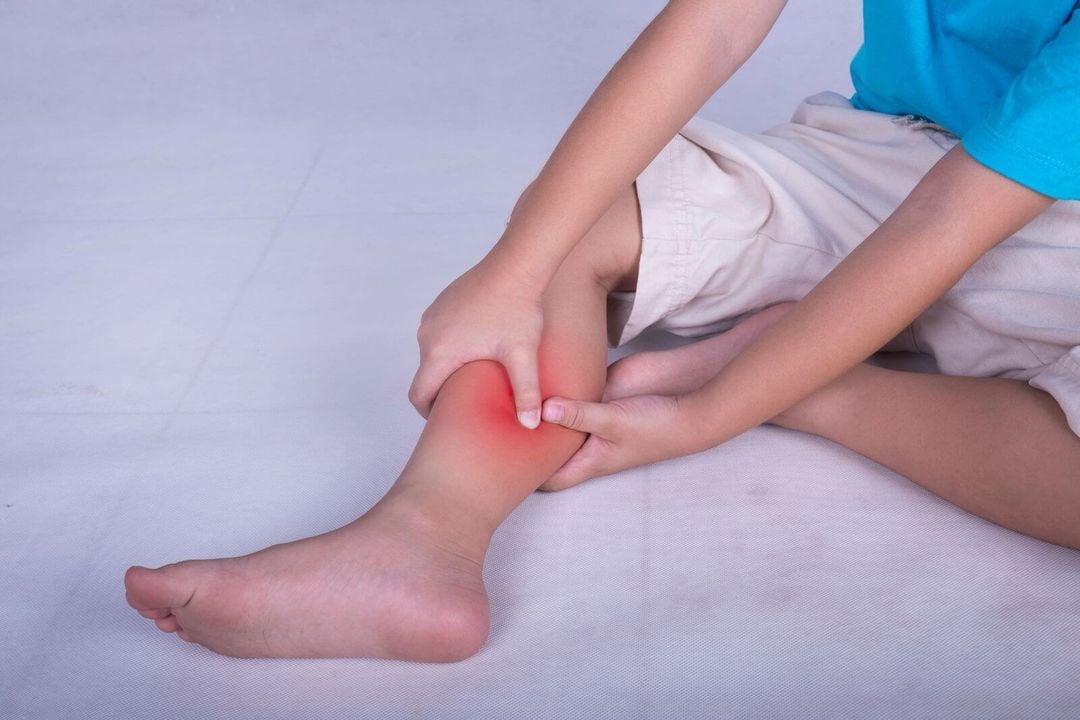
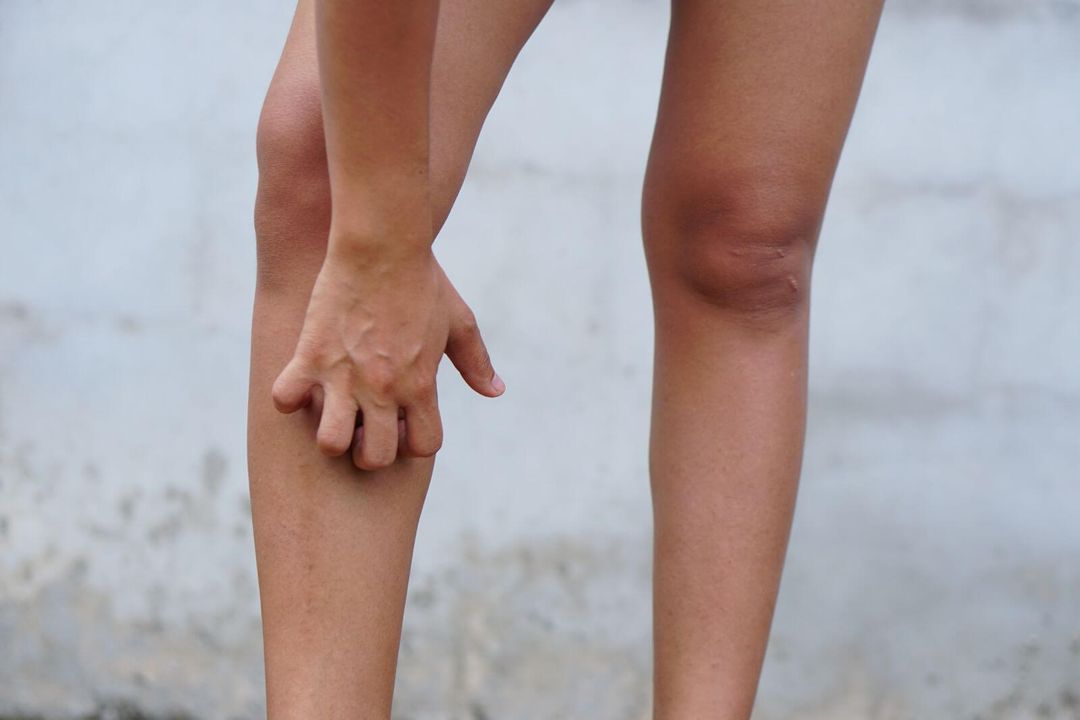
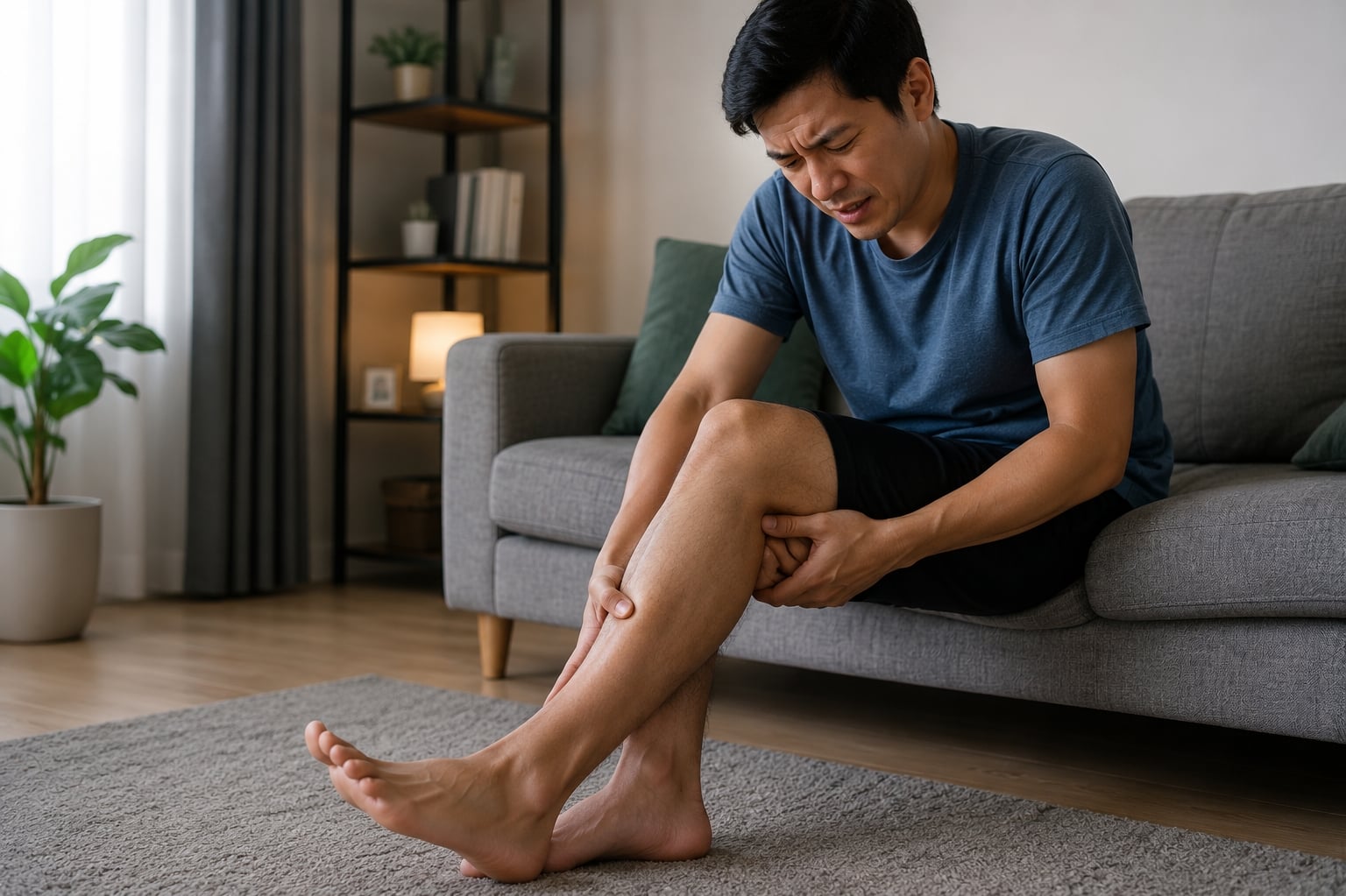
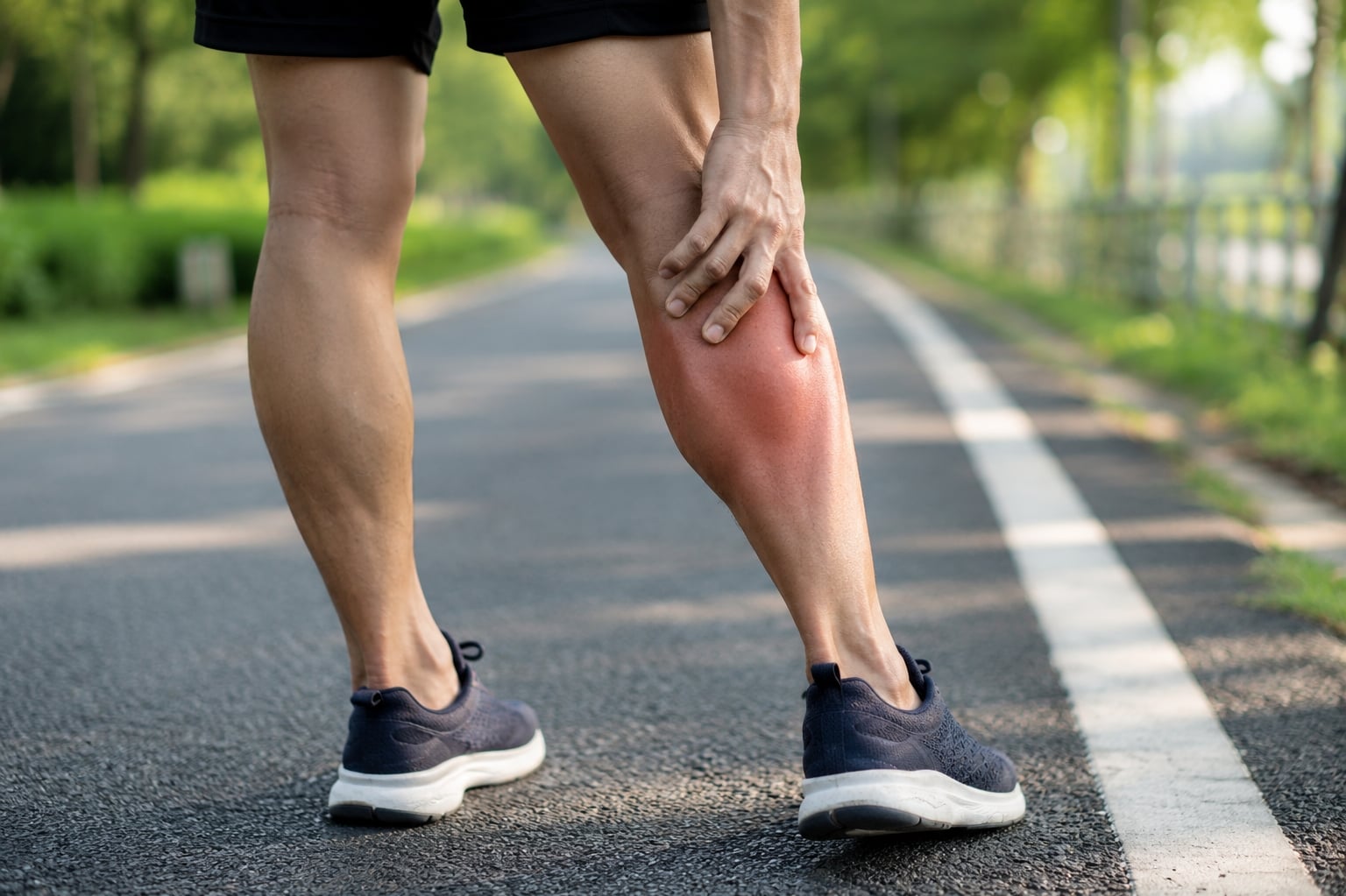
Cramps in one leg may be related to localized muscle strain, circulation differences, or nerve irritation. It does not always affect both legs equally. Repeated cramps in the same leg may need further assessment.
Symptom Guide
Understanding Leg Cramps: Triggers, Treatments, & Prevention
Leg cramps can disrupt daily life and sleep. Learn common triggers, treatment options, and prevention tips to reduce discomfort and improve comfort.


Key takeaways
- Recognize leg cramps and their symptoms to select effective treatments.
- Manage pain with stretching, massage, heat application & medical consultation.
- Prevent cramping through lifestyle changes, exercise & proper hydration or electrolyte balance.
Table Of Contents
Leg cramps are a common, yet often misunderstood, issue that affects people of all ages and lifestyles. They can range from mild discomfort to excruciating pain, causing unnecessary distress when they occur.
Recognizing leg cramps: Symptoms and types
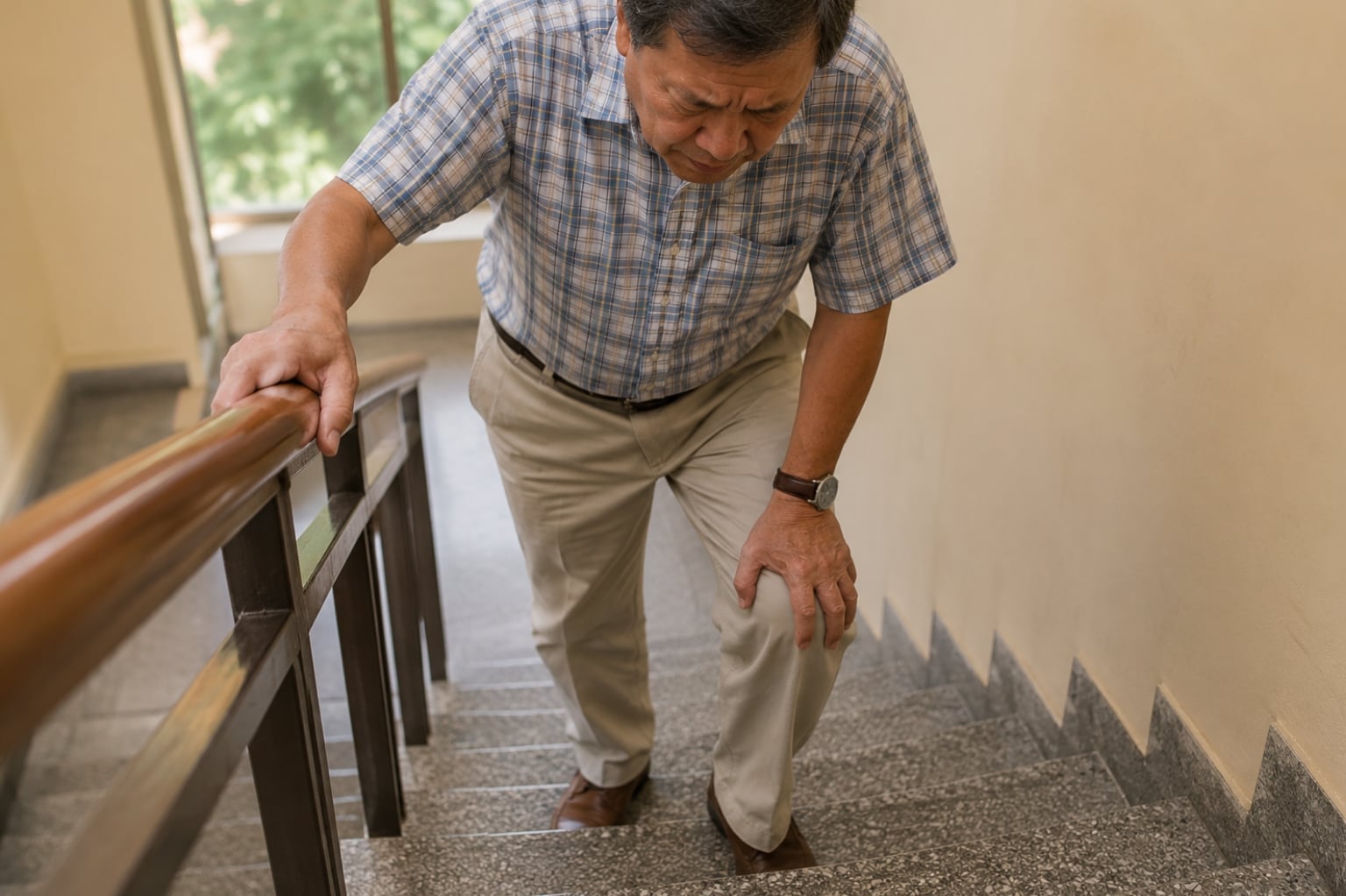
Muscle cramps, also known as leg cramps, are sudden and involuntary contractions of the leg muscles that cause pain. This cramp feels like the muscle is tightening into a knot, leading to discomfort or even agony. These cramps often occur during sleep, hence the term “night leg cramps”.
Most cramps last for a few seconds to 10 minutes, but the affected muscles may ache for hours after the cramp subsides. Various reasons can cause leg cramps, and understanding their symptoms and types is crucial for effective management.
There are two common leg cramps: Nocturnal leg cramps and Charley horses. Nocturnal leg cramps cause sudden and painful muscle contractions, usually in the calf muscles. A charley horse is a painful leg muscle spasm, not to be confused with restless legs syndrome. Knowing the difference between these types of leg cramps can help identify their causes and the appropriate treatments.
Nocturnal leg cramps
Nocturnal leg cramps are a common occurrence that affects the calf muscles during sleep. Symptoms include sudden, painful muscle contractions, often involving the calf or foot.
Charley horse
A Charley horse is a casual term for a painful leg muscle spasm. It’s different from restless legs syndrome and can occur in any muscle, but it’s most common in the legs.
Common causes of leg cramps
Leg cramps can be triggered by various factors, including:
- Dehydration
- Electrolyte imbalances
- Certain medications
- Underlying health conditions
Controlling and preventing leg cramps involves identifying and addressing their root causes. This understanding enables us to decrease their occurrence and increase our comfort.
Dehydration and electrolyte imbalances

Dehydration and electrolyte imbalances occur when the body lacks water and crucial electrolytes, such as sodium, potassium, and magnesium.
Other factors causing dehydration and electrolyte imbalance include:
- Insufficient fluid intake
- Excessive perspiration
- Vomiting
- Inadequate electrolyte-rich foods in the diet
- Use of certain medications
Dehydration and electrolyte imbalances can cause muscle weakness, improper contraction, and leg cramps. Proper hydration and electrolyte balance are essential in preventing leg cramps.
Medications and health conditions

Certain medications and health conditions can cause leg cramps. Health conditions such as diabetes, peripheral artery disease, nervous system disorders, circulation disorders, chronic venous insufficiency, metabolism disorders, and hormonal imbalances have all been linked to leg cramps. Some medications like cancer treatments, ACE inhibitors, diuretics, statins, calcium channel blockers, intravenous iron sucrose, conjugated estrogens, raloxifene, and naproxen can also cause leg cramps as a side effect.
Chronic venous insufficiency
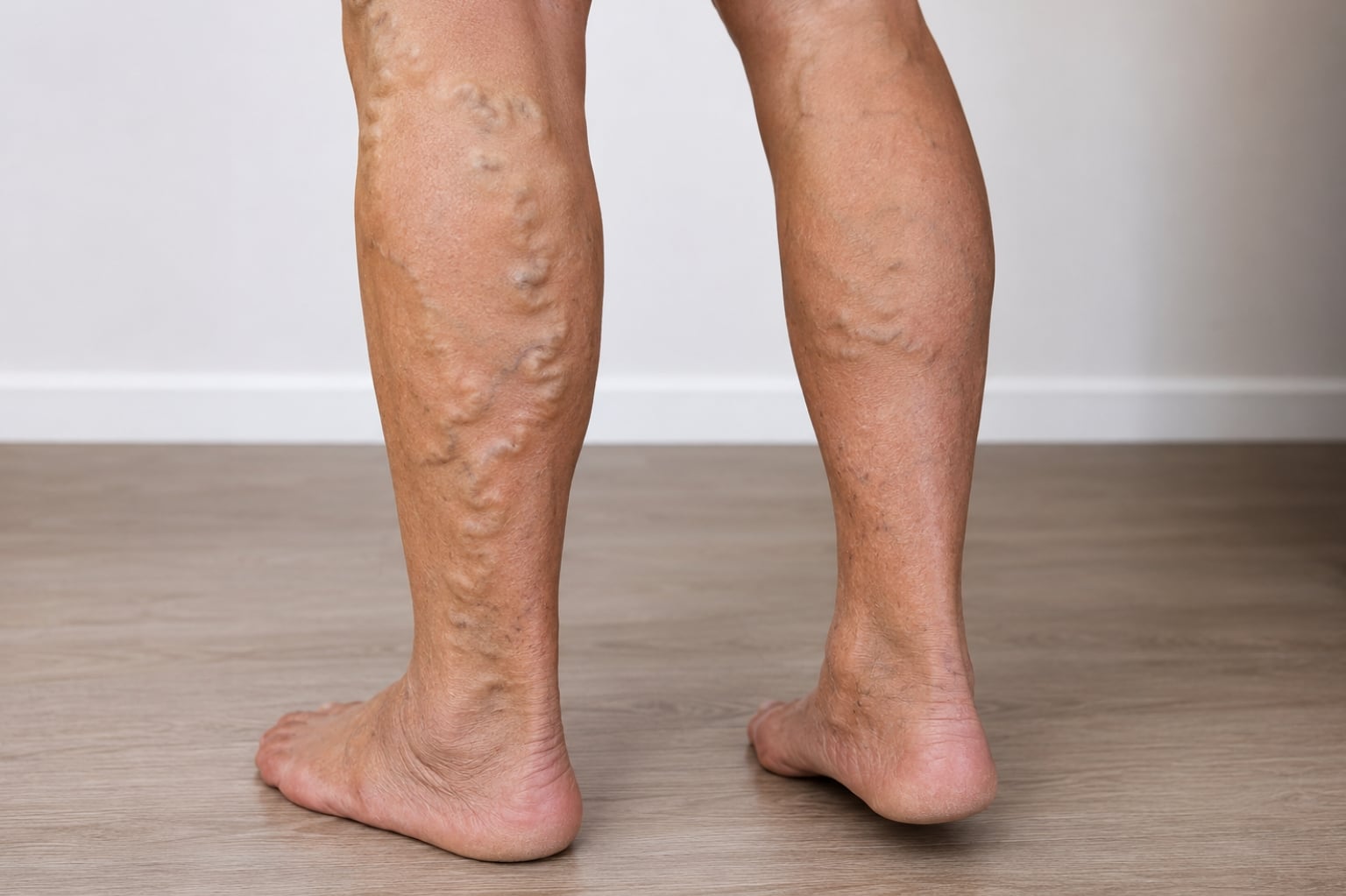
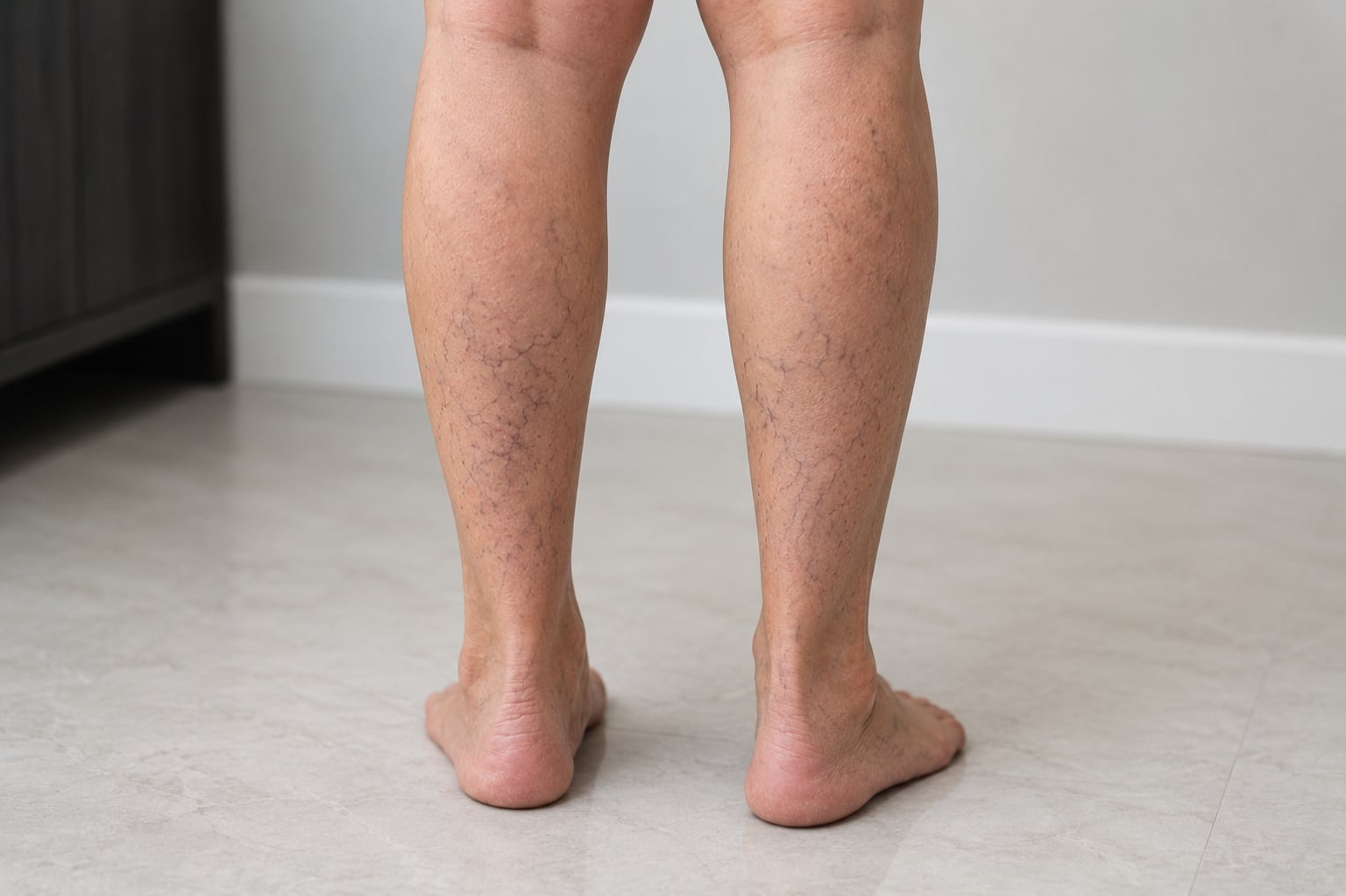
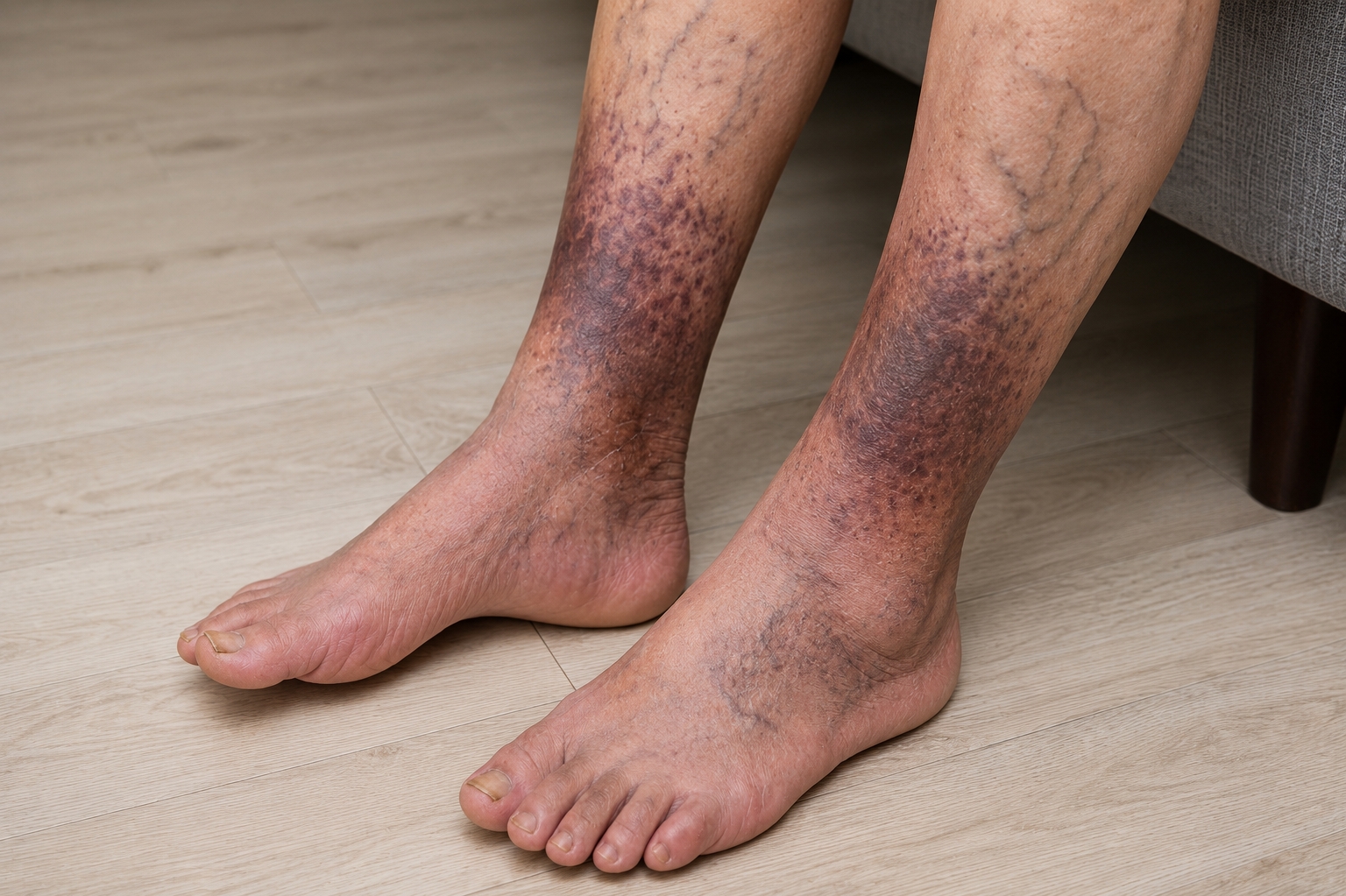
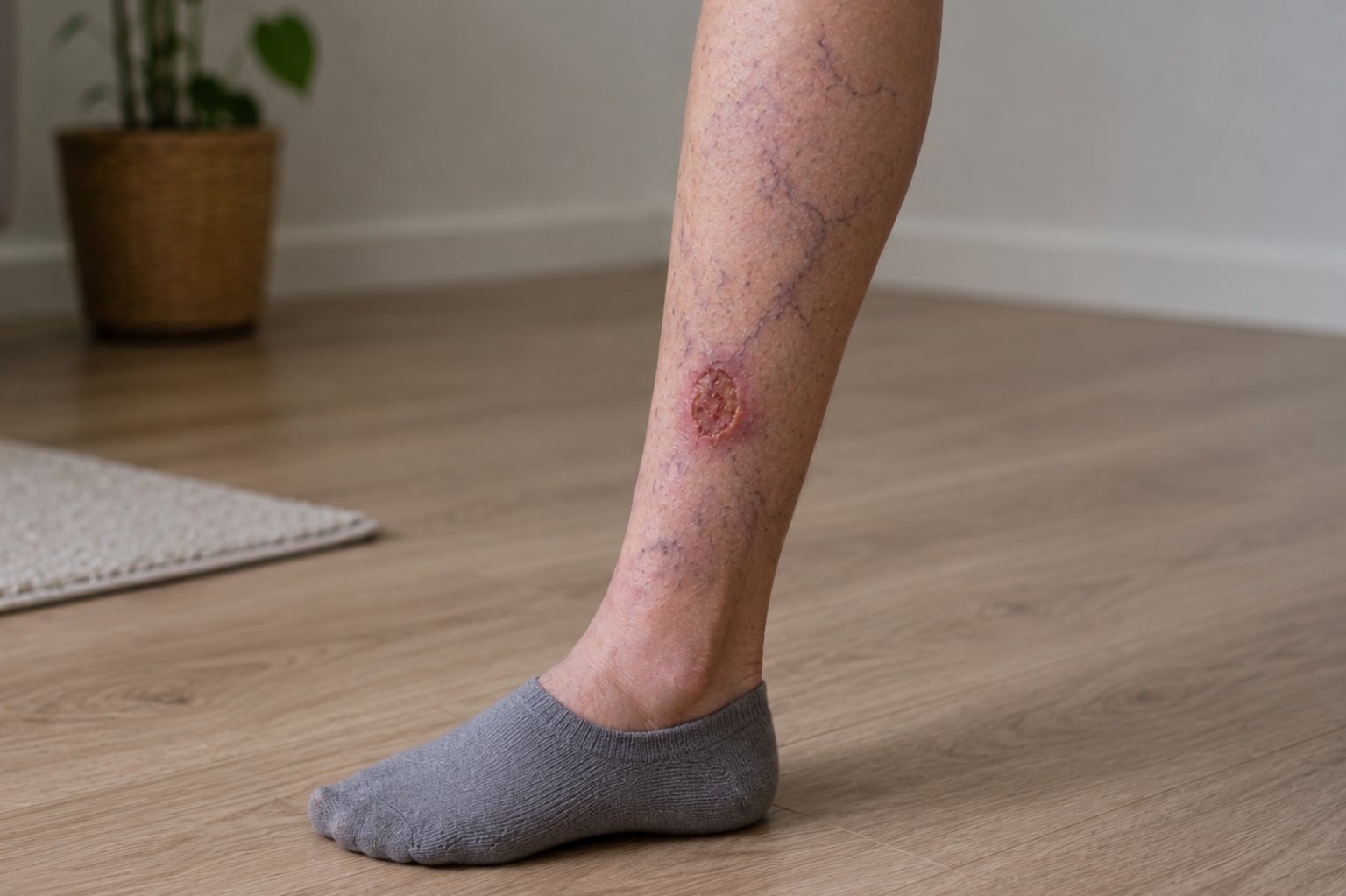
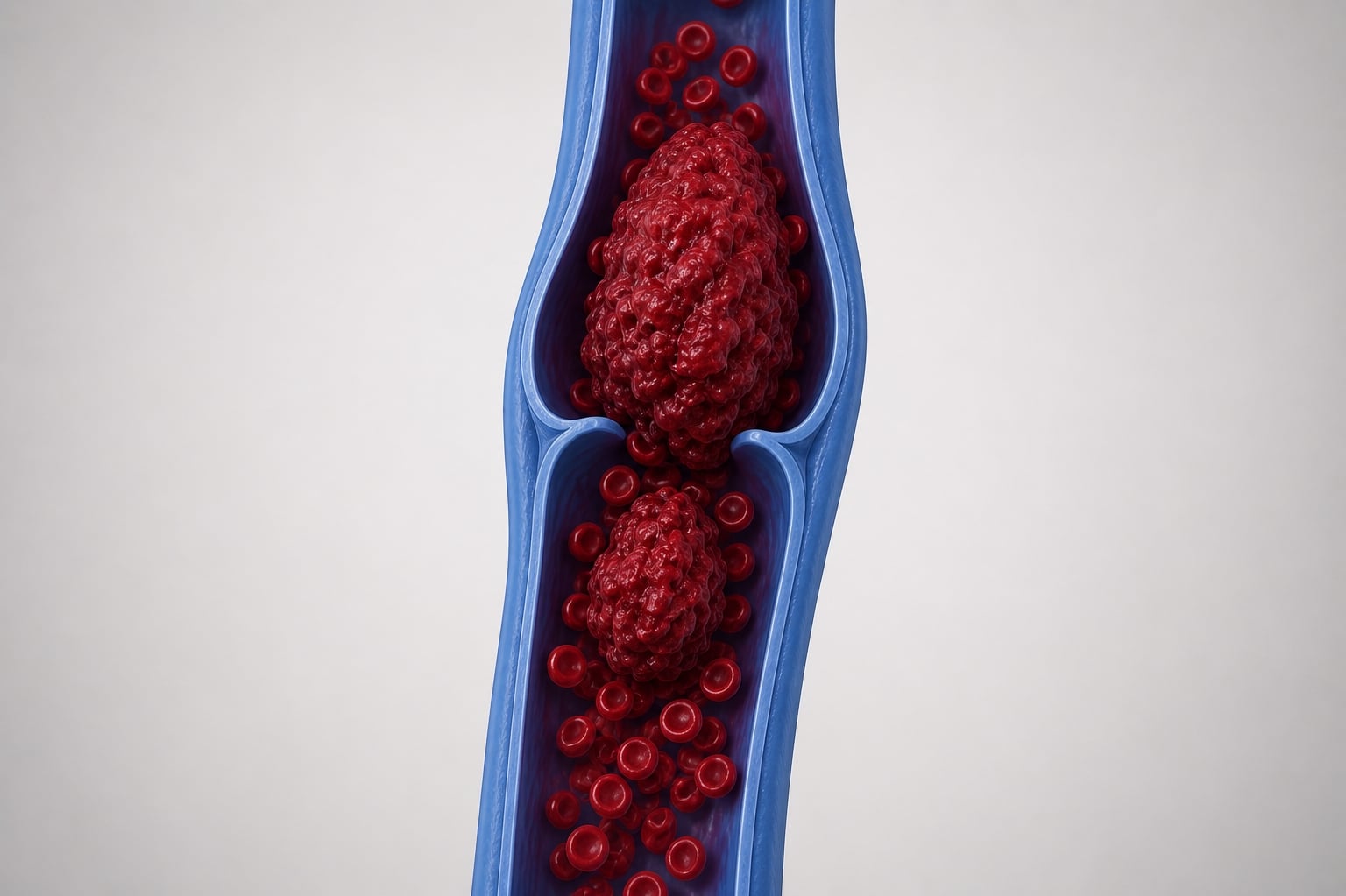
Chronic venous insufficiency is a condition that occurs when the veins in the lower limbs cannot effectively return blood to the heart. This results in poor circulation and fluid retention, which can cause several uncomfortable symptoms, such as leg cramps, skin discoloration, and leg swelling. In addition, the increased pressure on the muscles in the legs can lead to aching or heaviness in the legs.
To manage chronic venous insufficiency, there are several treatment options available. These include lifestyle changes, such as regular exercise, wearing compression stockings, and taking medications. Surgery may also be recommended in some cases.
Diabetic nerve damage and kidney failure
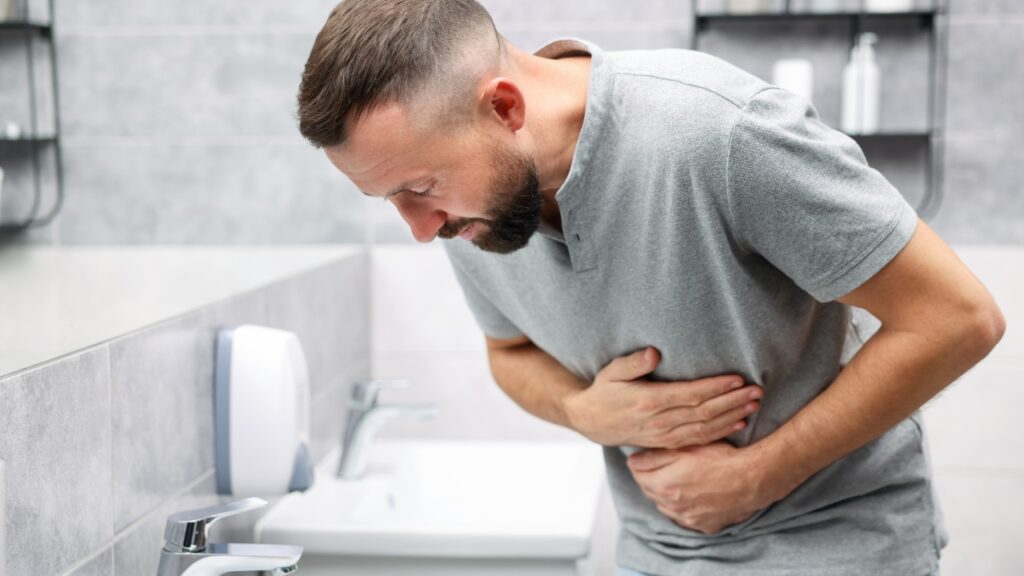
Diabetic nerve damage and kidney failure are medical conditions with serious implications, such as:
- Leg cramps
- Numbness or tingling in the hands or feet
- Muscle weakness
- Digestive problems
- Erectile dysfunction
- Bladder problems
- Vision changes
- Fatigue
Diabetic nerve damage is caused by high blood sugar levels, which damage the nerves in the body. Kidney failure occurs when the kidneys cannot filter waste from the body, leading to severe health complications.
Both these conditions can contribute to leg cramps. This is because they disrupt the balance of electrolytes in the body, resulting in muscle spasms.
High blood pressure and liver disease
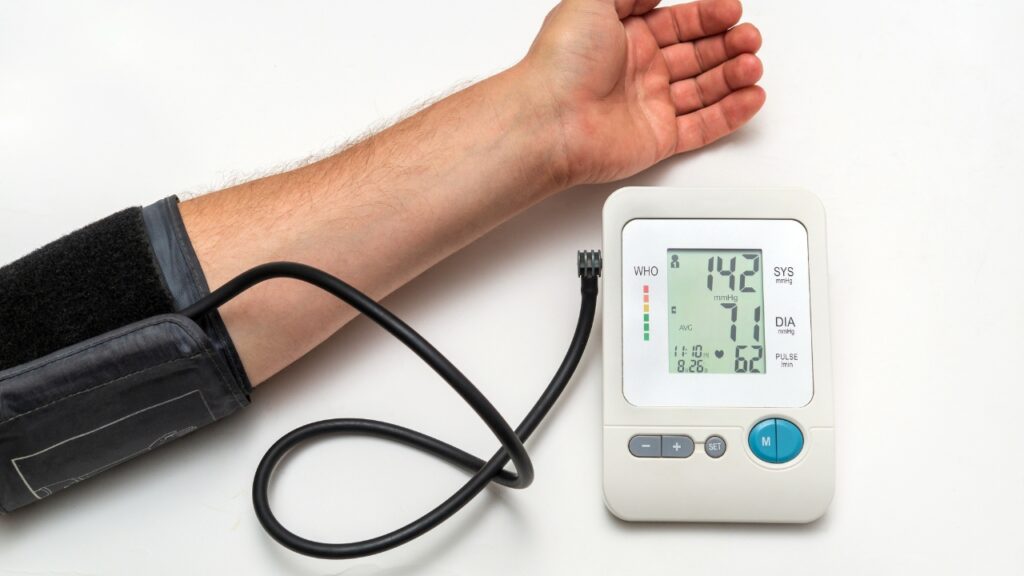
Leg cramps may be caused by conditions such as high blood pressure or liver disease, requiring medical treatment. High blood pressure is characterized by abnormally high blood force against artery walls, while liver disease refers to the liver not functioning optimally due to damage or disease. Both conditions can negatively impact muscle health and contribute to leg cramps.
Managing these conditions and seeking medical treatment can help alleviate leg cramps and improve overall health.
Managing leg cramp pain: Relief techniques
Leg cramps can be a painful experience, but several techniques can be used to relieve the pain. Stretching, massage, and heat application effectively manage and reduce leg cramps’ intensity. These techniques enable individuals to return to their daily activities with minimal disruption.
When experiencing a leg cramp, stretching the affected muscle can help reduce the severity of the cramp and provide relief. Massaging the cramped area with gentle pressure can also help alleviate the discomfort. Applying a warm compress or heating pad to the affected area can also help reduce the cramp’s intensity. The following sections will explore specific stretching, massage, and heat application techniques.
Stretching techniques
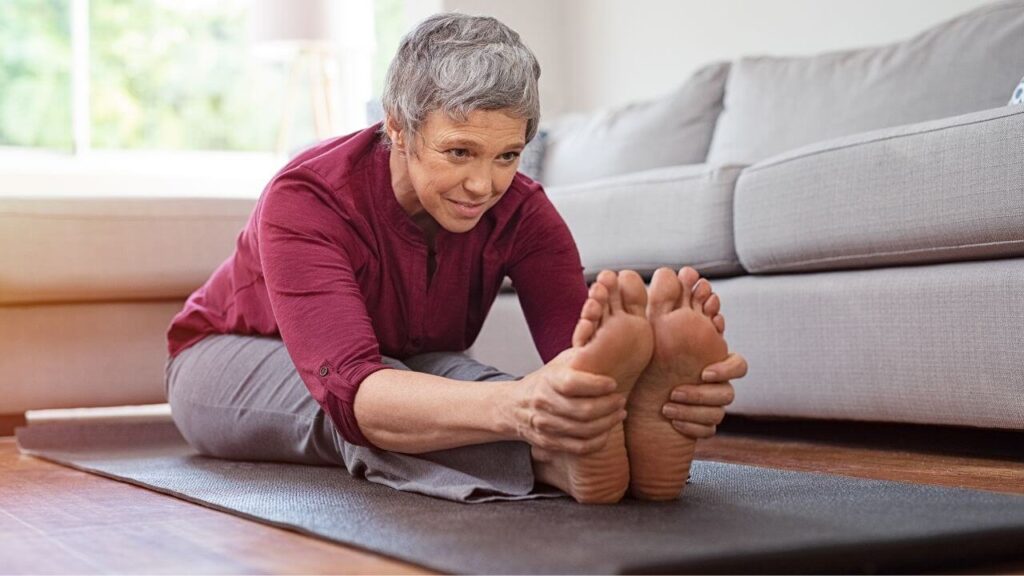
Stretching exercises can be beneficial for relieving leg cramps and include:
- Standing calf stretch
- Hamstring standing stretch
- Sitting pigeon pose
- Gentle leg stretches
Carefully and gradually stretching the affected muscle during a cramping episode can help reduce the severity of the cramp and provide relief.
Always consult a healthcare professional before beginning any new exercise routine to ensure its safety and effectiveness.
Massage and heat application
Massaging the affected area with gentle pressure can help alleviate leg cramp pain and discomfort. Applying a warm compress or heating pad to the cramped muscle can relieve and reduce the cramp’s intensity.
Preventing leg cramps: Lifestyle changes and exercise
To prevent leg cramps, exercise regularly, strengthen your muscles, and maintain proper hydration and electrolyte balance. Stretching your lower leg muscles can also help.
Exercise and muscle strengthening
To reduce the chances of experiencing leg cramps, it is advisable to perform stretches for your calf muscles, quads, and hamstrings. Regularly practicing these exercises can help build strength in the muscles in your lower legs, decreasing the likelihood of cramping.
However, it is always important to consult with a healthcare professional before starting any new exercise routine to ensure it is safe and effective.
Hydration and electrolyte balance

Leg cramps can be prevented by maintaining proper hydration and electrolyte balance. Drinking enough water throughout the day, especially during physical activity, can help prevent and alleviate leg cramps. Additionally, consuming a balanced diet that includes foods rich in electrolytes, such as bananas, potatoes, and yogurt, can further support the prevention of leg cramps. Maintaining proper hydration and electrolyte balance can significantly reduce the risk of leg cramps and help you enjoy a more comfortable lifestyle.
Frequently asked questions
Yes, even active individuals can experience cramps due to overuse, muscle fatigue, or inadequate recovery. Intense exercise can strain muscles. Proper warm-up and hydration are important. Balance between activity and rest is key.
Yes, muscle changes with age can increase the likelihood of cramps. Reduced muscle mass and flexibility may contribute. Circulation may also become less efficient over time. Regular movement can help maintain muscle function.
While occasional cramps are usually harmless, frequent or severe cramps may signal an underlying issue. Ignoring them can delay the diagnosis of potential conditions. Early attention helps prevent worsening symptoms. It’s important to monitor changes.
Bottom line
By understanding the nuances of leg cramps and implementing the knowledge and techniques shared in this guide, you can take control of your muscle health and lead a life free from the shackles of this painful ailment. Remember, knowledge is power – with the right information and proactive measures, you can overcome leg cramps and enjoy a more comfortable and fulfilling life.
- National Institutes of Health. 2015. Leg cramps.
- National Institutes of Health. 2010. Nocturnal leg cramps.
- MedlinePlus. 2025. Charley horse.
- National Institutes of Health. 2019. Water intake after dehydration makes muscles more susceptible to cramp.
- ScienceDirect. 2021. Leg Cramp.
- National Institutes of Health. 2022. Relationship Between Muscle Cramps and Diabetic Retinopathy in Patients with Type 2 Diabetes.
Editorial standards
All iThriveVeins content is medically reviewed by board-certified vein specialists and written following evidence-based guidelines. We source our information from peer-reviewed medical journals, clinical studies, and established medical organizations. Our editorial process ensures accuracy, objectivity, and relevance to patient needs.