Yes, symptoms may fluctuate depending on activity level, time of day, or posture. You might feel fine in the morning but notice discomfort later in the day. This pattern is common in early stages. Recurring symptoms should still be evaluated.
11 Signs You May Have Vein Disease
Think you have vein issues? Discover 11 signs of chronic venous insufficiency and learn how it is treated with available options for vein health.
Key takeaways
- Recognize the 11 common signs of vein disease, such as varicose veins, leg swelling, and skin discoloration.
- Seeking medical advice and intervention at the earliest stage is crucial.
- Timely treatment can help prevent complications and improve overall quality of life.
Table Of Contents
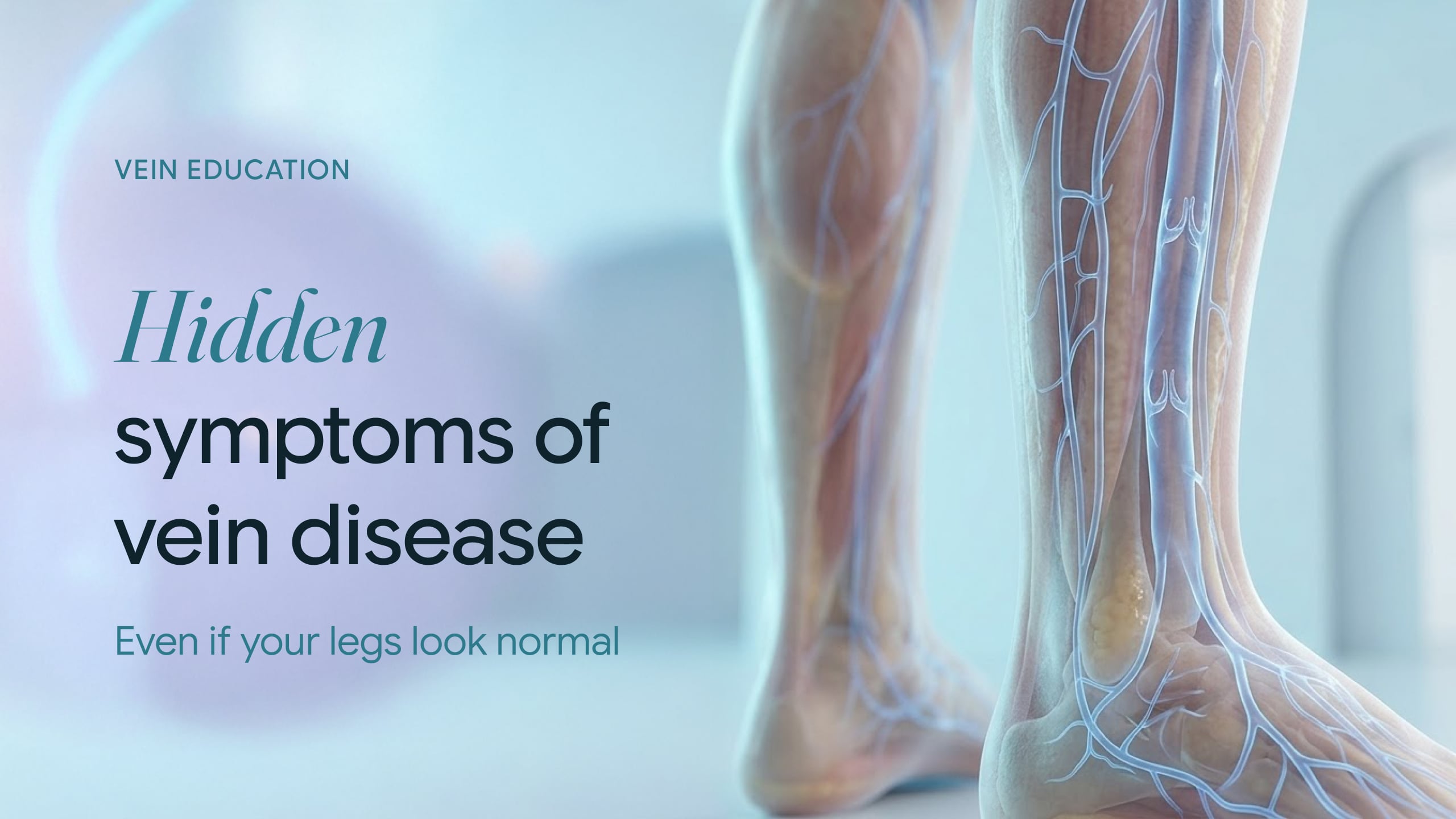
Our veins and arteries are responsible for carrying blood from our heart throughout our body. Valves in our veins ensure that blood is pushed in one direction, flowing back to our heart. These valves also stop blood from flowing backward.
Venous insufficiency occurs when our veins have difficulty moving blood back to our heart and pool in the legs as a result.
What is vein disease (Venous insufficiency)?
Chronic Venous Insufficiency (CVI) is a common health condition affecting millions of Americans. A majority of people do not seek the appropriate care or treatment for this condition, which progresses and worsens over time.
CVI occurs when veins do not allow blood to flow efficiently back up to your heart. Our valves contain one-way valves that ensure that blood flows in one direction towards your heart. When vein disease is present, the valves are weakened or no longer work correctly, allowing blood to flow backward and pool in your legs.
Below are 11 signs you may be suffering from vein disease
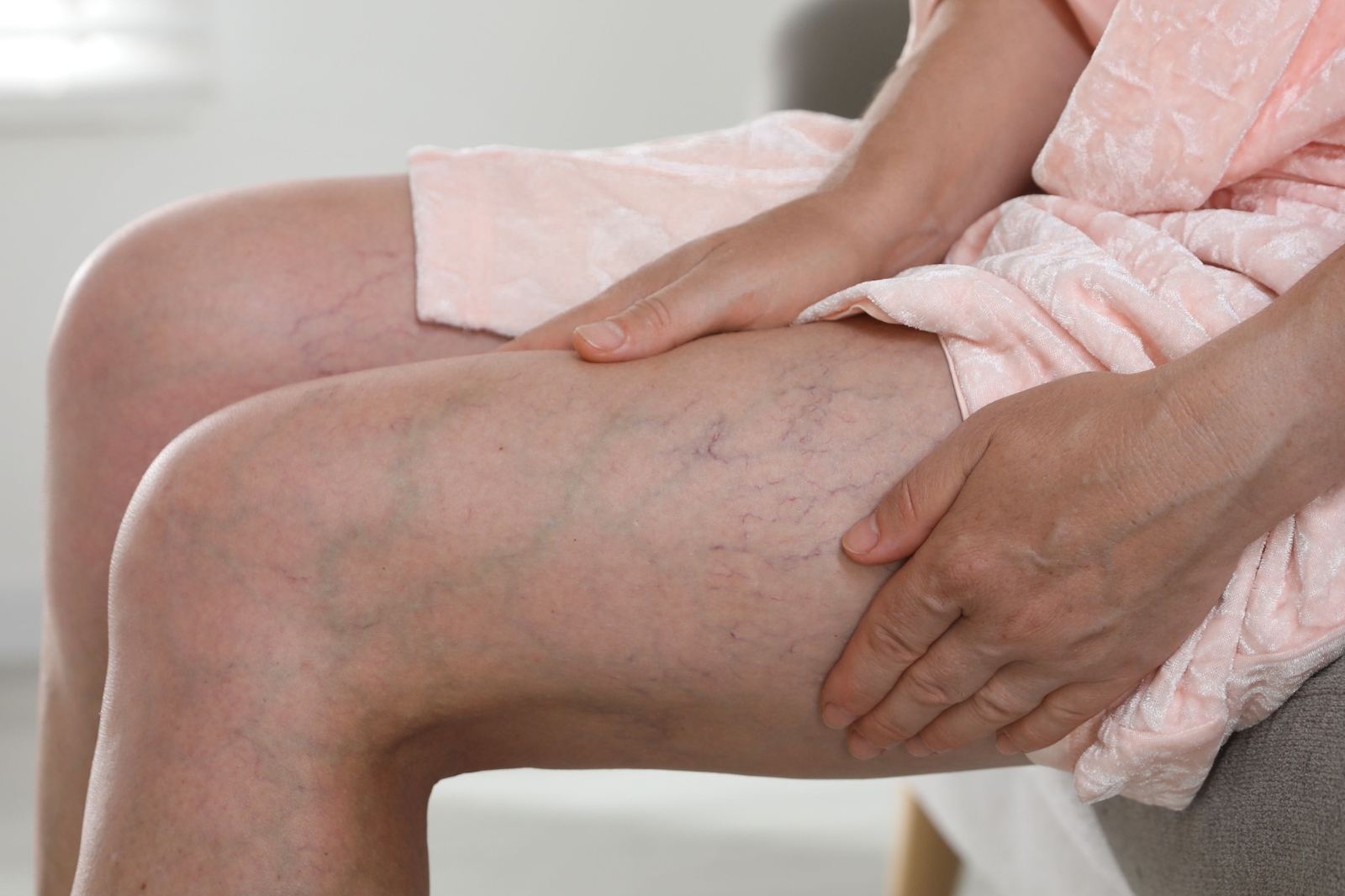
- Varicose veins
- Heaviness in your legs
- Leg pain
- Swelling of the legs or ankles
- Tightness in the ankles or calves
- Itchy legs
- Weak legs
- Cramping
- Skin changes and discoloration
- Restless leg syndrome
- Leg ulcers
What causes chronic venous insufficiency
- Obesity
- Pregnancy
- Family history
- Trauma or injury to the leg
- Standing or sitting for extended periods
- Smoking
- Varicose veins
- Deep vein thrombosis (DVT)
- Phlebitis
- Lack of exercises
- Cancer
How is chronic venous insufficiency diagnosed?
You will meet with your doctor for an examination and to discuss your medical history, symptoms, and any risk factors you may be aware of.
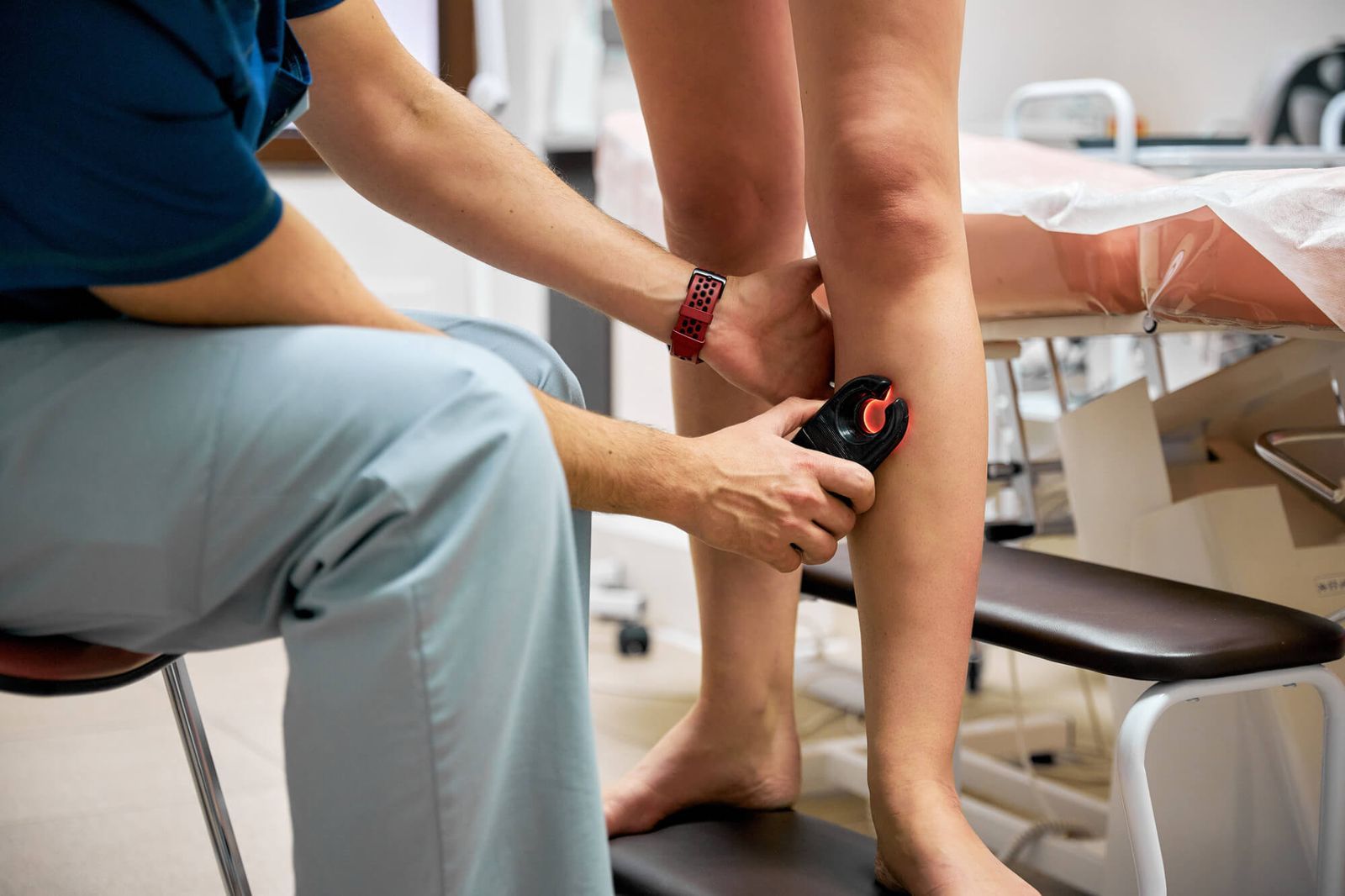
Also, a venous ultrasound may be performed, which looks at the blood flow and structure of the veins. A duplex ultrasound can also check the speed and direction of your blood flow in the blood vessels.
Receiving an ultrasound is a useful, fast, and painless tool to pinpoint your diagnosis and determine the underlying cause.
How is chronic venous insufficiency treated?
Depending on the severity of the condition and your current health, your doctor will take the following factors into consideration when determining what treatment plan is most appropriate:
- Age
- Specific symptoms
- The severity of the vein condition
- Risk factors
At the onset, the most frequent and commonly prescribed treatment is the use of compression stockings.
Compression stockings apply pressure at the ankle and lower calf, helping to push blood upward and prevent blood from pooling. They also help reduce swelling in the legs or ankles.
Additional ways to improve blood flow:
- Elevate your legs when possible
- Refrain from crossing your legs when seated
- Increase daily activity
Medical treatments available
There are several medical treatments available to treat symptoms of vein disease. With the aid of specialized technology, treatments are often non-invasive, painless, safe, and performed on an outpatient basis without the need for anesthesia. Some of the most common treatment includes:
Sclerotherapy
Sclerotherapy involves the injection of a solution (“sclerosant”) or foam directly into the varicose vein. The solution irritates the vein, causing it to shrink and collapse.
Sclerotherapy does not require anesthesia or any specific preparation. During treatment, the doctor will insert a small needle into the vein to inject the solution. Patients typically experience a quick pinch but report relatively little discomfort and easy recovery.
More than one treatment is typically required to resolve symptoms and is commonly used for varicose veins and spider veins.
Radiofrequency ablation (RFA)
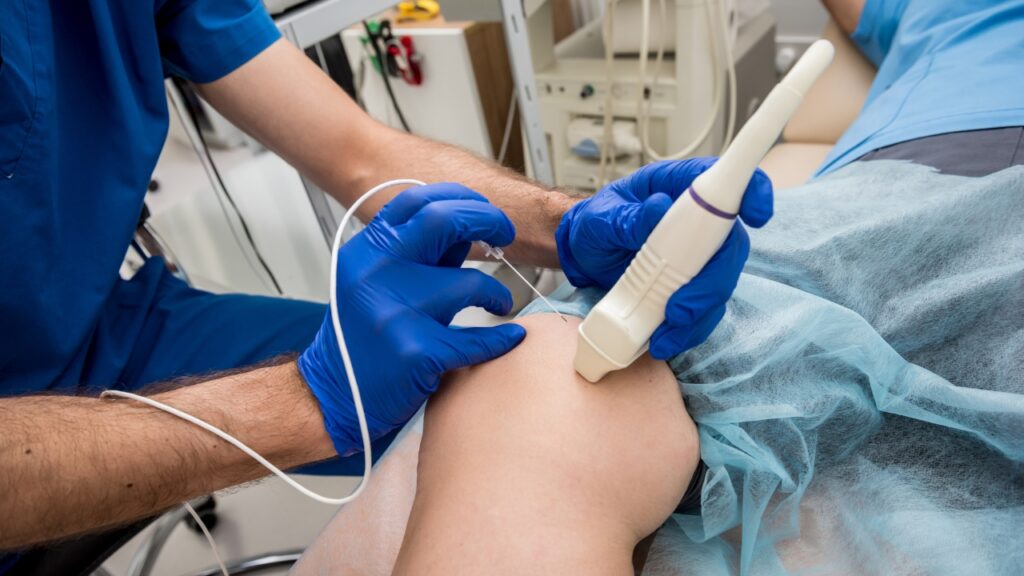
Your doctor will insert a thin catheter into the varicose vein. Once positioned, the tip of the catheter will heat up using radiofrequency or laser energy. As the catheter is removed, the heat destroys the vein by collapsing the vein wall and sealing the vein shut. Blood will be redirected to nearby, healthy veins.
Before this procedure, a local anesthetic will be mixed with fluid and injected to the site to minimize discomfort and make the process painless.
Laser vein removal therapy
Some of the latest laser technology involves no needles or incisions. Using strong bursts of light onto the vein, the diseased vein will gradually collapse. When the laser hits the skin, a tinge of discomfort is felt, but the doctor will quickly cool the skin off.
Endovenous laser ablation (EVLA)
EVLA, also known as VenaCure, is minimally invasive and safely treats varicose veins with targeted laser therapy.
A tiny incision is made to allow the placement of a small optic fiber directly into the diseased vein. EVLA treats the vein from the inside out by delivering heat that collapses veins with unhealthy valves. Eventually, the unhealthy veins are absorbed by your body, allowing for improved circulation.
The procedure is safe, short, and does not require general anesthesia. Patients report relatively painless recoveries.
Surgery
In more severe cases, surgery may be required. Below are several surgical procedures performed in cases of severe venous insufficiency:
- Removing (stripping) the damaged vein
- Surgical repair of valves or veins
- Vein bypass
- Laser surgery
- Endoscopic surgery
Medication
In some cases, the use of prescription medication may be needed. These may include:
- Anticoagulants
- Diuretics
- Trental (pentoxifylline)
Frequently asked questions
Not always, as some symptoms occur before visible veins appear. You may feel pain, heaviness, or fatigue without obvious signs. This can make early detection more difficult. Internal vein issues may still be present.
Yes, it can affect one leg more than the other, depending on vein damage or circulation patterns. Asymmetrical symptoms are not uncommon. However, both legs can be affected over time.
Bottom line
Recognizing the signs of vein disease is crucial for early intervention and effective treatment. If you experience any of these symptoms, it is important to consult a healthcare professional for a proper diagnosis and personalized treatment plan.
- American Heart Association Journals. 2014. Chronic Venous Insufficiency.
Editorial standards
All iThriveVeins content is medically reviewed by board-certified vein specialists and written following evidence-based guidelines. We source our information from peer-reviewed medical journals, clinical studies, and established medical organizations. Our editorial process ensures accuracy, objectivity, and relevance to patient needs.