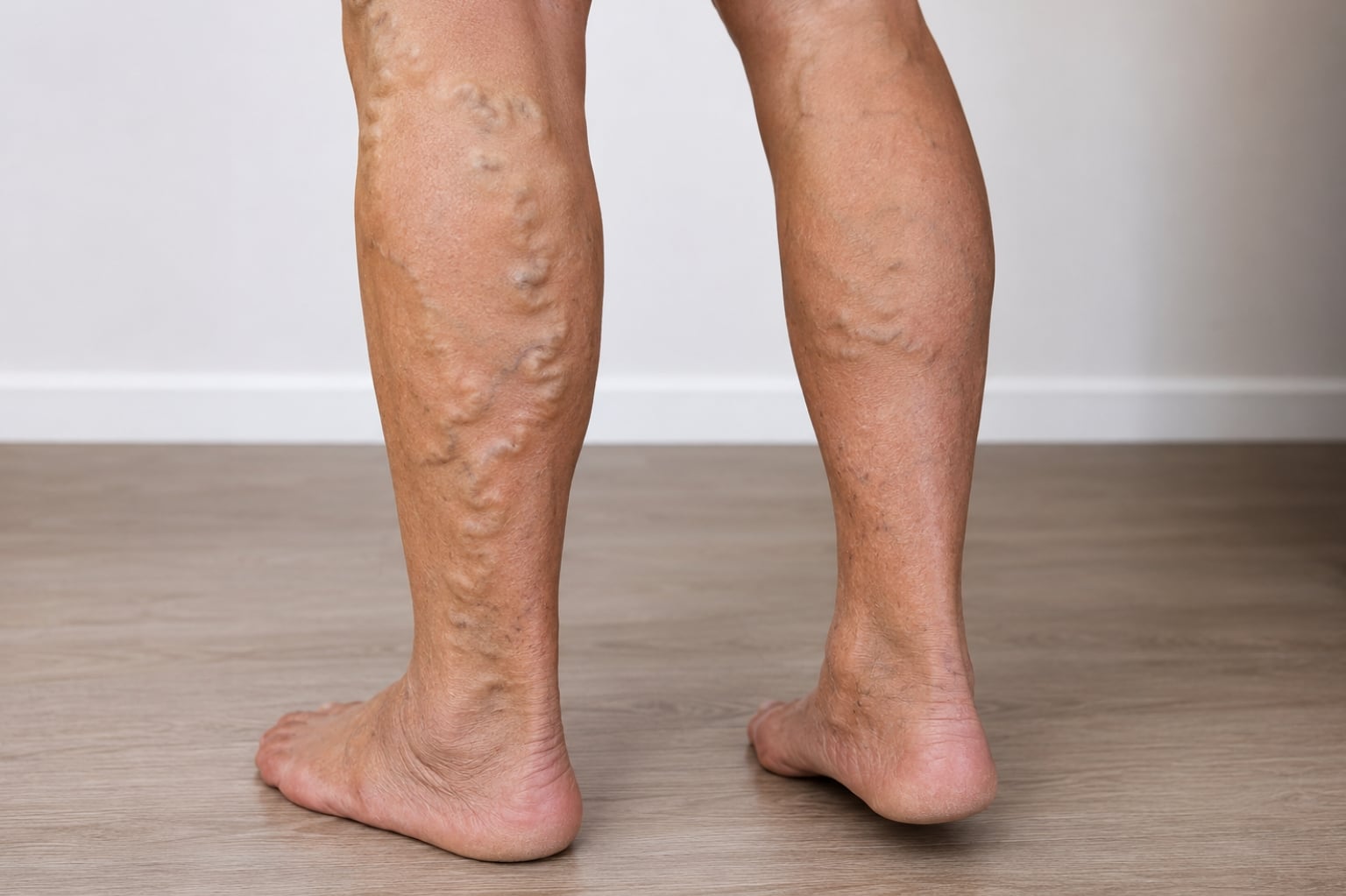
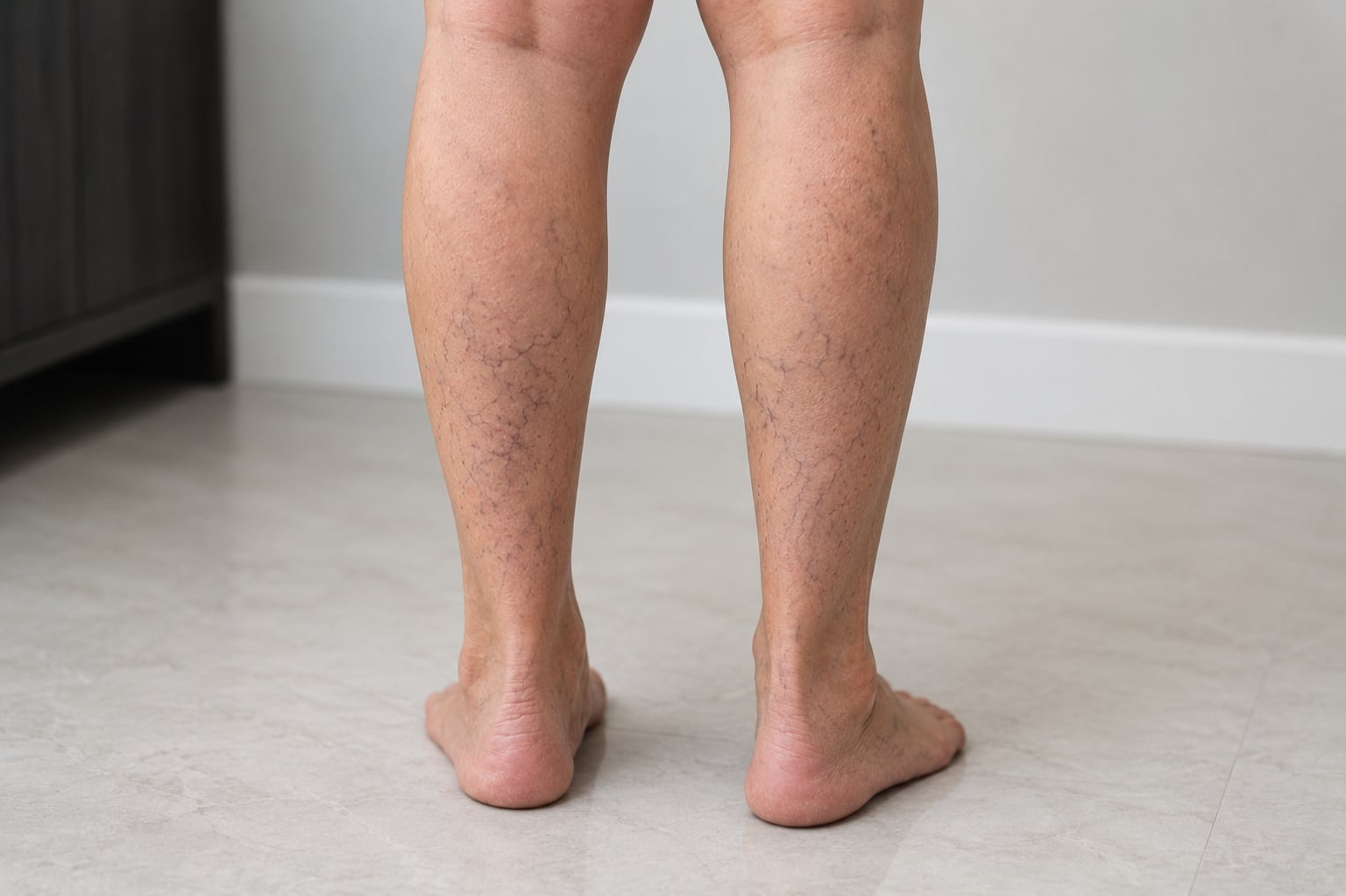
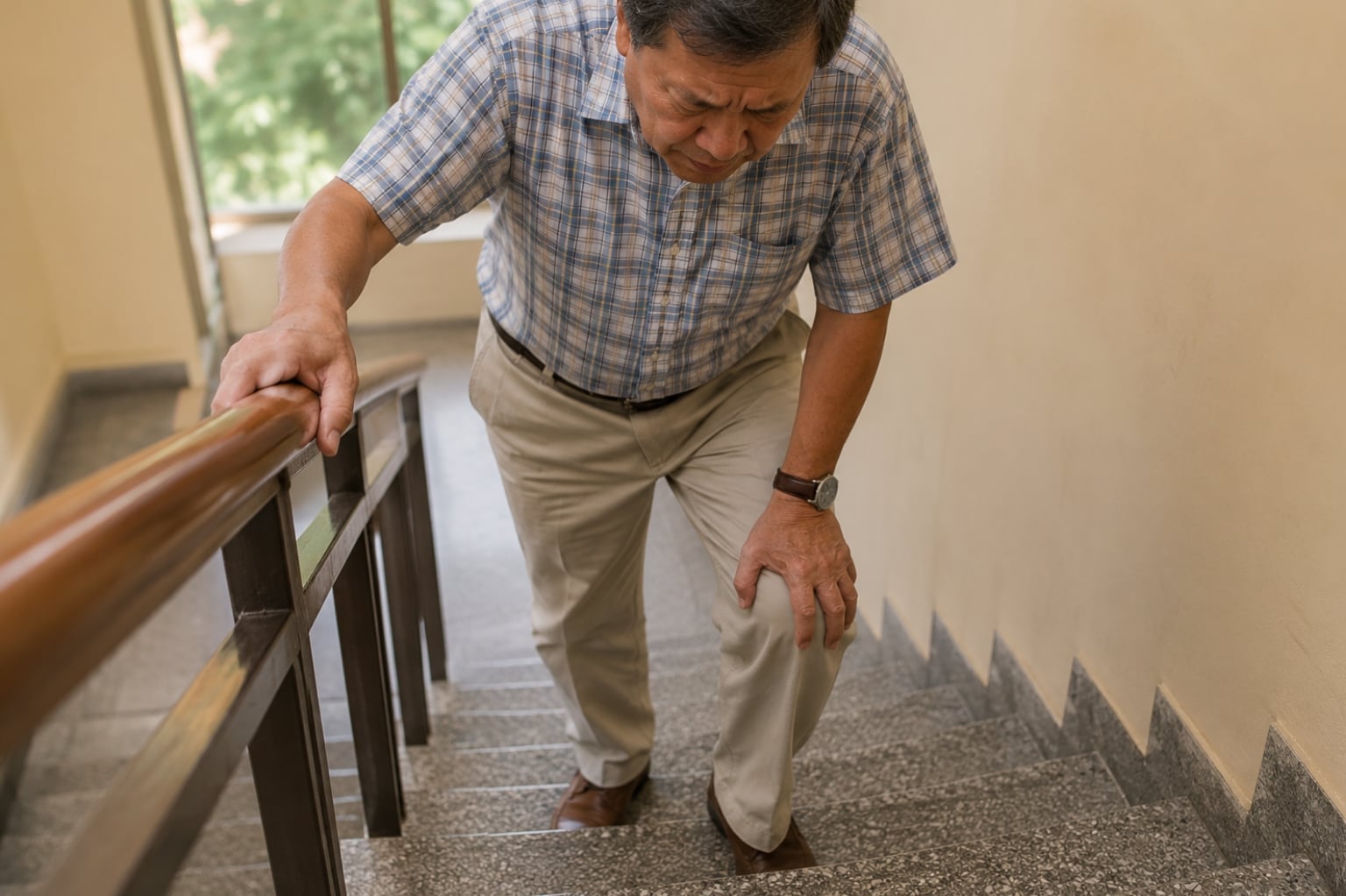
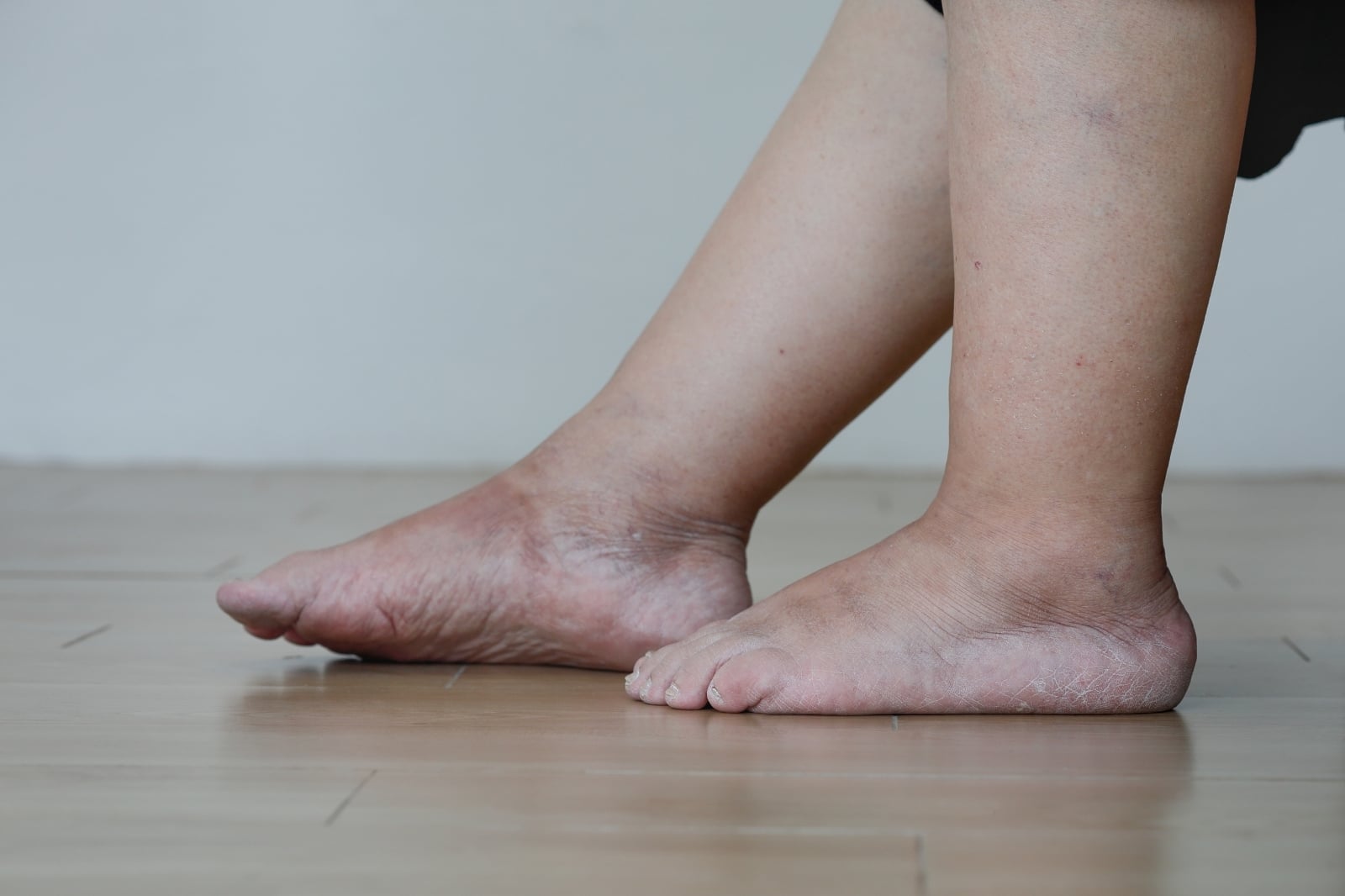
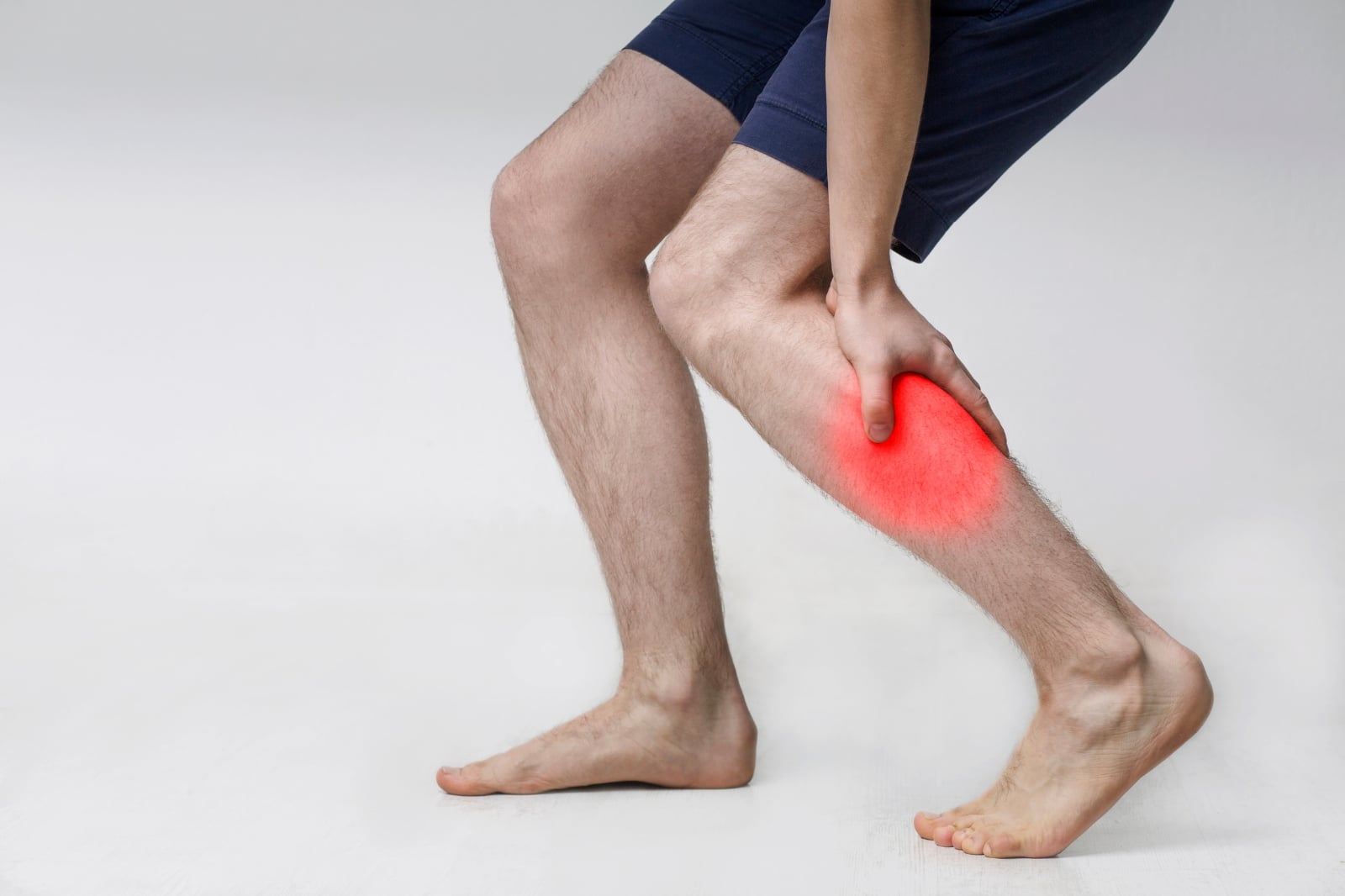
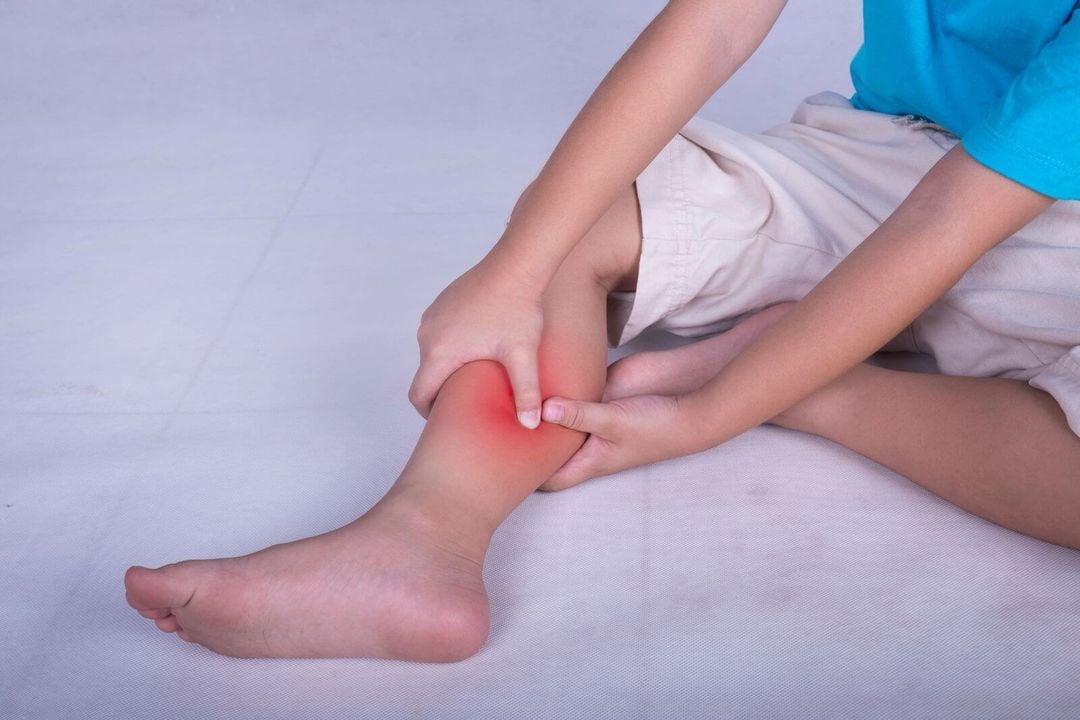
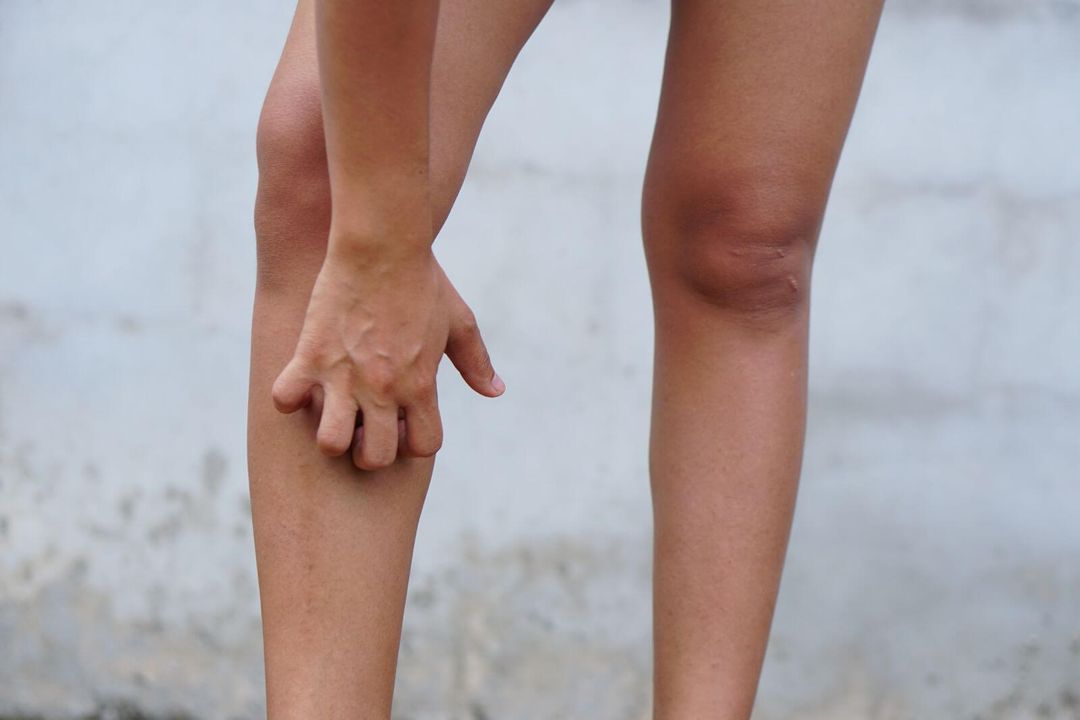
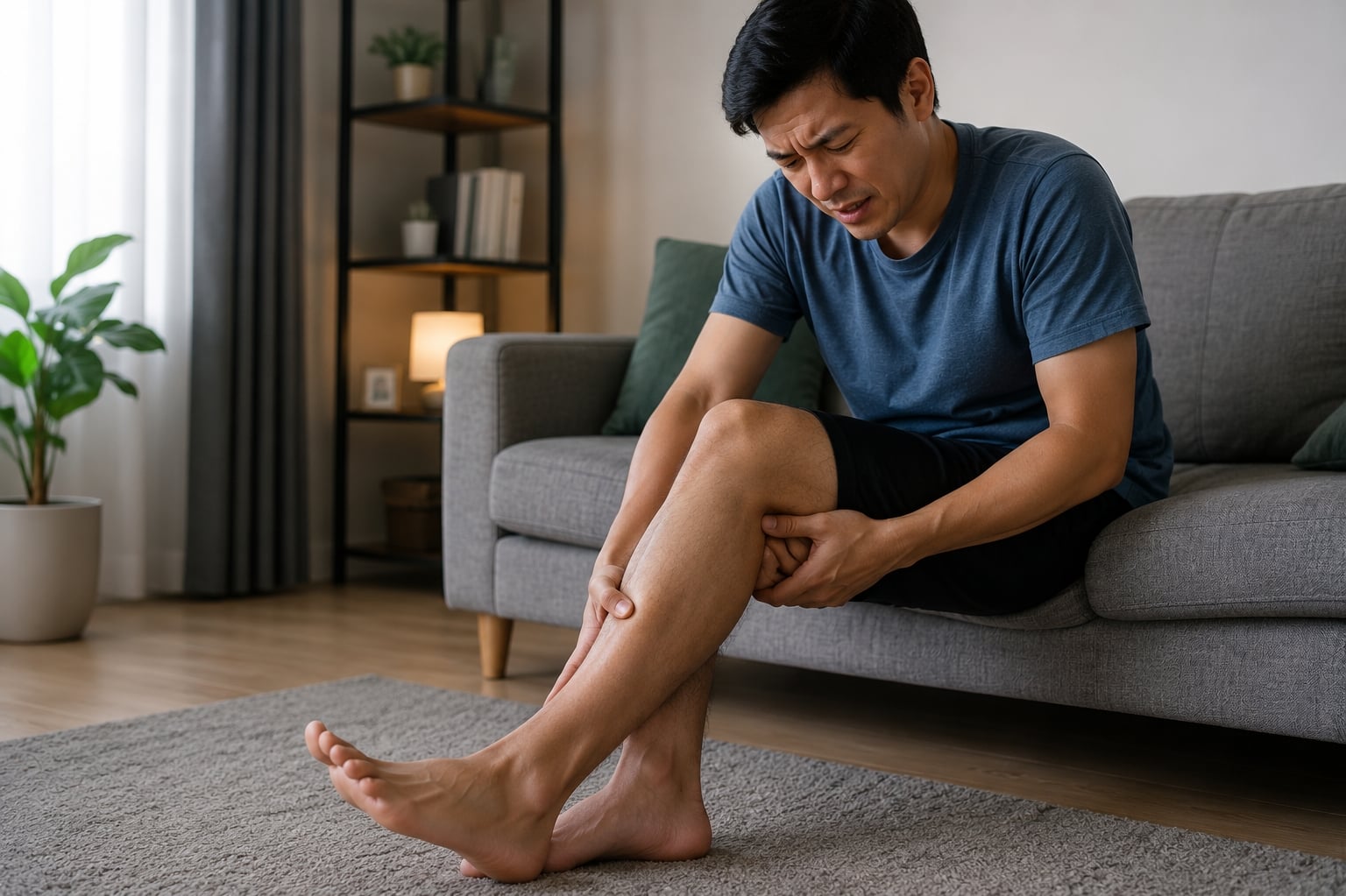
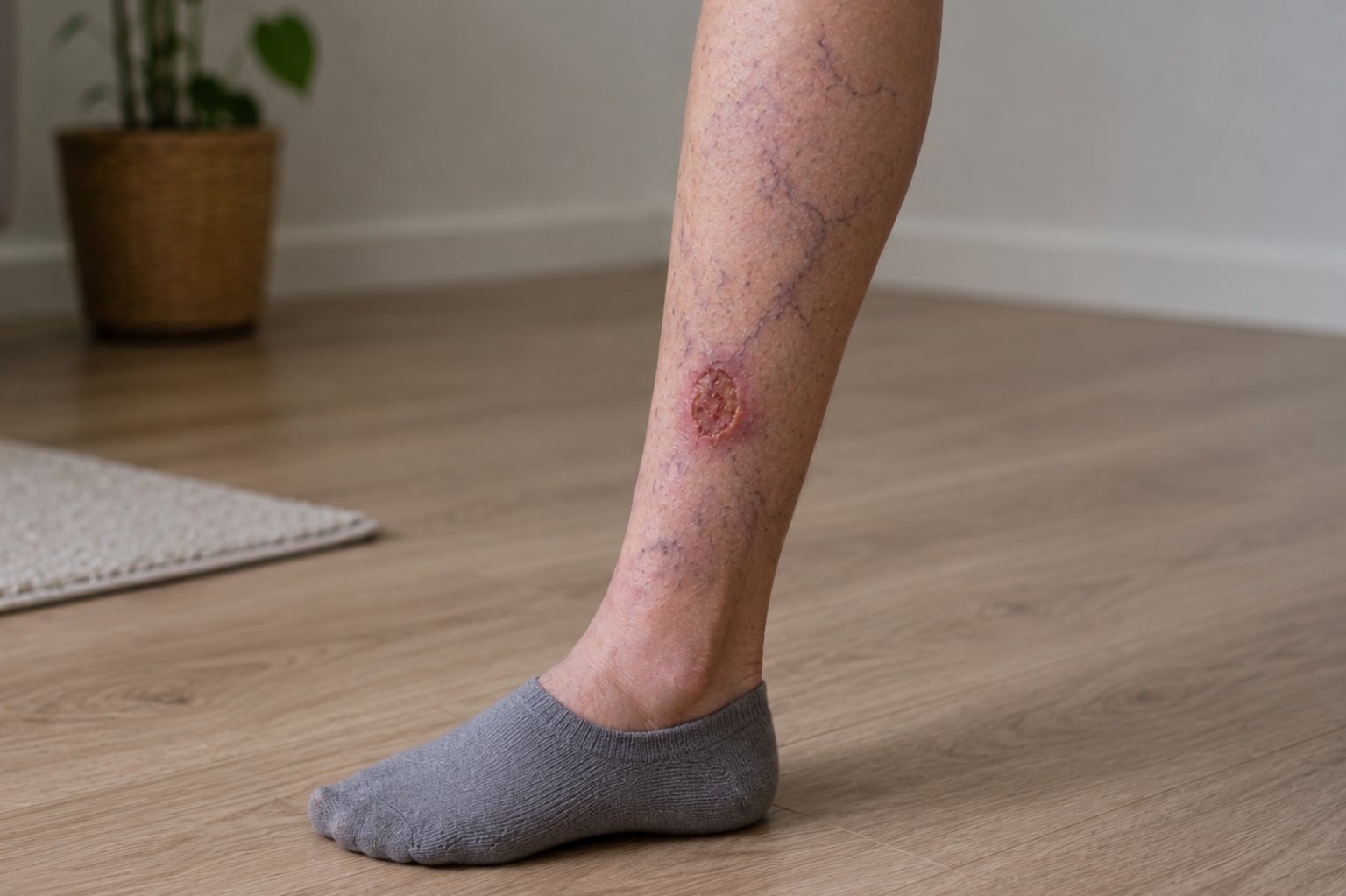
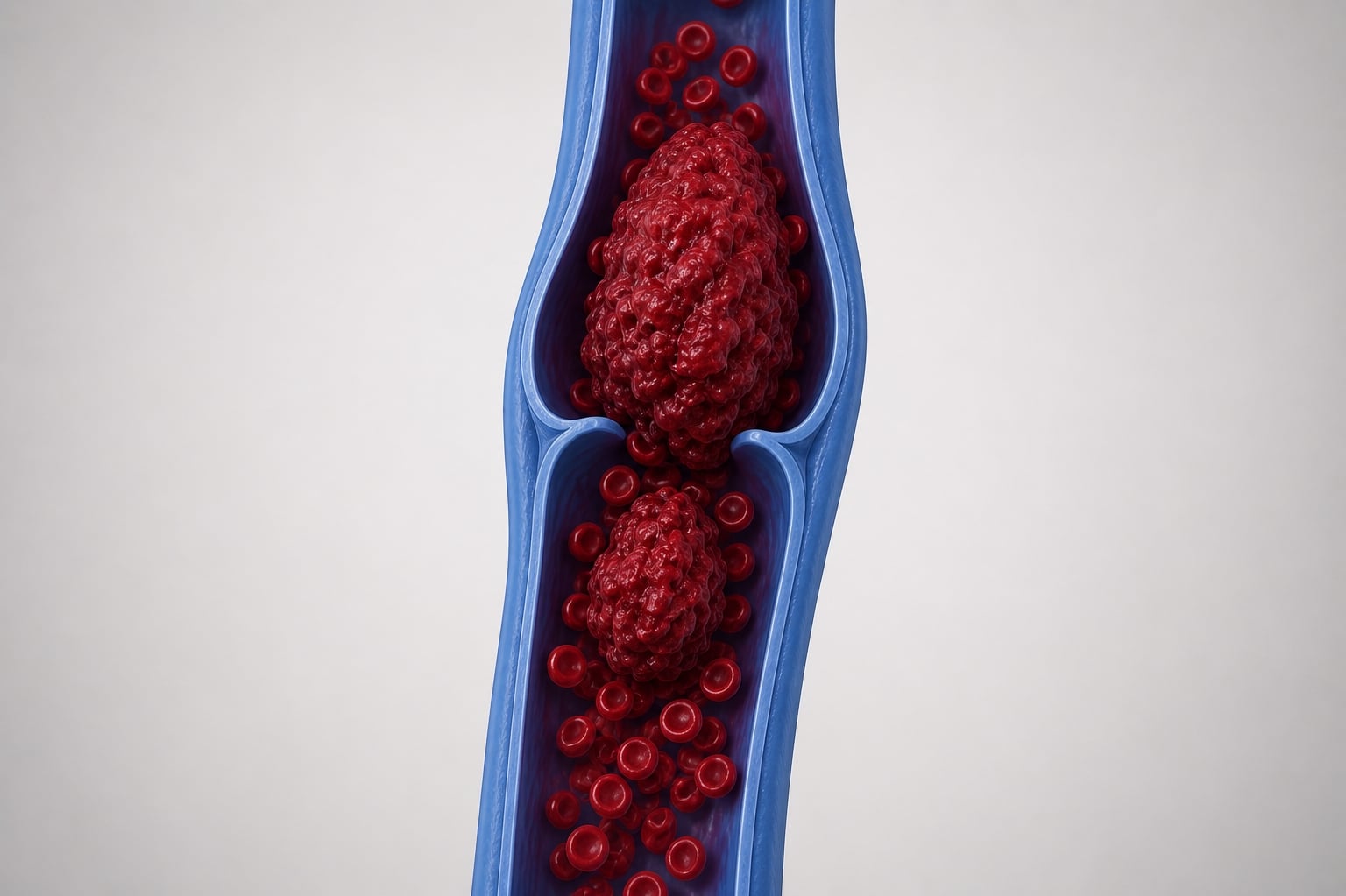
It is one of the most common early signs. Heavy, tired legs — especially when symptoms worsen with standing and improve with elevation — are a hallmark presentation of chronic venous insufficiency. A primary care epidemiology study found that heavy legs were the most frequently reported symptom among patients with CVI.
Symptom Guide
Leg Fatigue: Causes, Vein Disease Link & When to See a Doctor
Leg fatigue is one of the earliest symptoms of chronic venous insufficiency. Learn its causes causes, how vein disease contributes, and what treatments help.


Key takeaways
- Leg fatigue is one of the earliest and most common symptoms of chronic venous disease, often appearing before visible varicose veins develop.
- Chronic venous insufficiency affects an estimated 83.6% of the general population to some degree, with heaviness and fatigue among the most prevalent presenting complaints.
- The underlying mechanism involves calf muscle pump dysfunction and ambulatory venous hypertension that impair venous return and increase tissue pressure in the lower legs.
- A prospective study found that 96% of limbs showed improvement in one or more CVI symptoms, including fatigue, after endovenous laser ablation.
- Physically active CVI patients report significantly less fatigue than sedentary CVI patients, even at the same disease stage.
- Leg vein ultrasound is recommended to evaluate for underlying venous reflux when leg fatigue is persistent or accompanied by other venous symptoms.
Table Of Contents
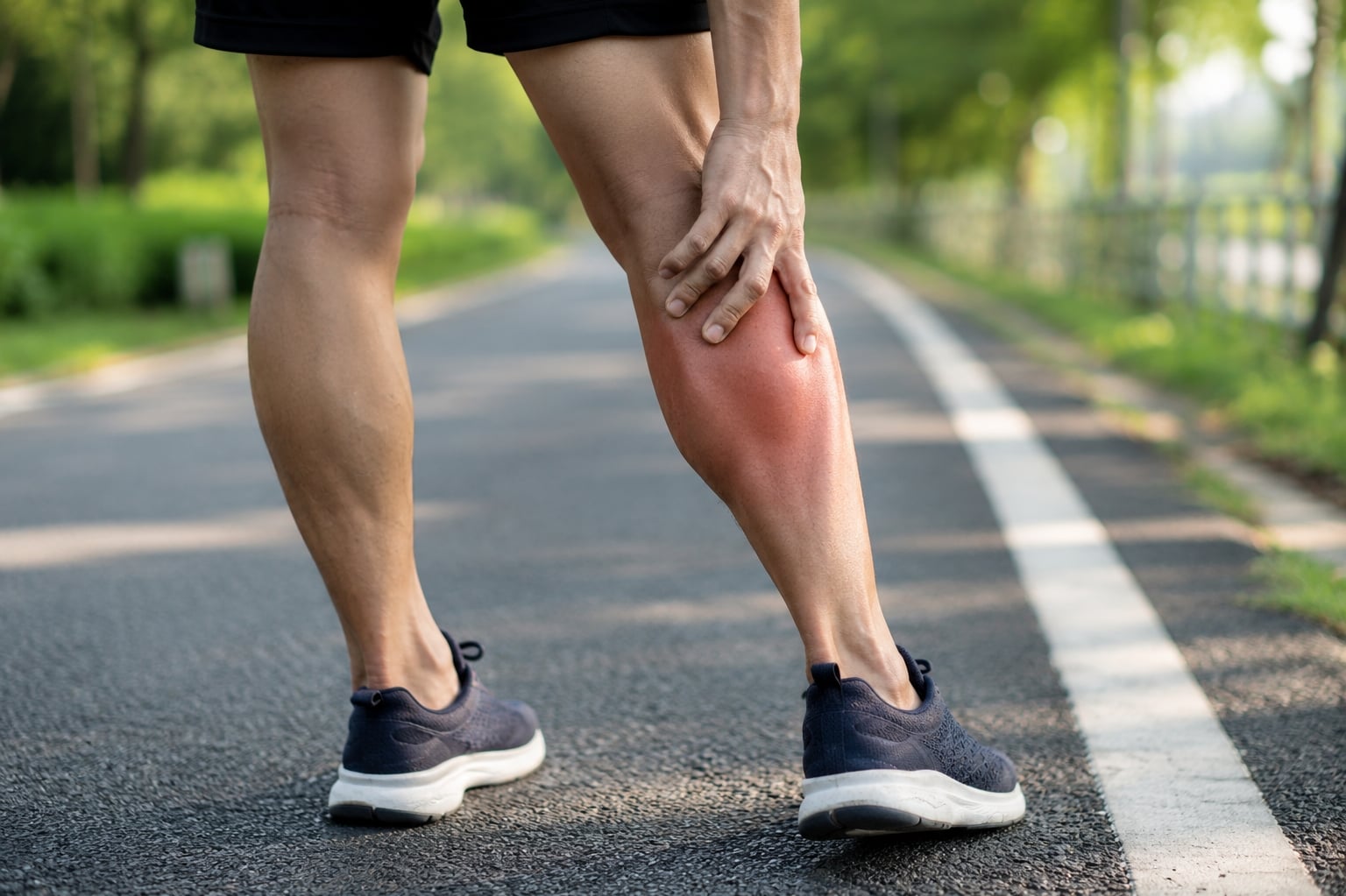
Leg fatigue is a sensation of tiredness, heaviness, or weakness in the legs disproportionate to the physical activity performed. It often worsens during the day, becomes more pronounced after prolonged standing or sitting, and improves with rest or leg elevation.
While occasional leg tiredness is normal after exercise or a long day, persistent or recurring leg fatigue is a common early symptom of chronic venous disease. A large epidemiological study of 6,695 patients found that heavy, fatigued legs were the most frequently reported symptom in patients seeking care for chronic venous insufficiency (CVI).
A 2022 study of 3,008 adults confirmed that people self-reporting chronic venous disease symptoms experience significantly greater fatigue and reduced quality of life than those without venous symptoms.
Common causes of leg fatigue
Leg fatigue has many potential causes. Some are benign and self-limiting; others indicate underlying vascular, neurological, or systemic disease.
Venous disease
A review in Advances in Therapy analyzing real-world data from 38,750 CVD patients in the United States found pain, heaviness, fatigue, and aching were the most common initial symptoms and were more prevalent in patients under age 65. These symptoms often appear at early disease stages (CEAP C0S–C1), before varicose veins or skin changes become visible.
CVI-related fatigue has a characteristic pattern. It builds throughout the day, worsens with prolonged standing or sitting, and improves with leg elevation or walking. It commonly affects both legs, though one may be worse.
Peripheral artery disease (PAD)
Peripheral artery disease (PAD) causes leg fatigue and cramping due to reduced arterial blood flow. PAD affects over 200 million people worldwide and results from atherosclerotic narrowing of the leg arteries. The hallmark symptom is intermittent claudication — calf, thigh, or buttock fatigue and cramping that occurs with walking and resolves with rest. Unlike venous fatigue, which worsens with standing still, arterial fatigue is triggered by exertion.
Musculoskeletal
Deconditioning, overuse injuries, muscle strain, and joint problems (especially in the knees, hips, and ankles) can produce leg fatigue. Ankle immobility is particularly relevant because it impairs calf muscle pump function, creating a feedback loop where reduced ankle motion leads to venous pooling and worsening fatigue.
Neurological
Conditions affecting the nervous system — including lumbar spinal stenosis, peripheral neuropathy, and multiple sclerosis — can produce leg weakness and fatigue. A cross-sectional study of patients visiting a spine center for leg symptoms found that 85.7% also had chronic venous disease on ultrasound, underscoring how frequently neurological and venous causes coexist.
Systemic and metabolic
Iron-deficiency anemia, hypothyroidism, heart failure, chronic kidney disease, and medication side effects (particularly statins and beta-blockers) can all cause generalized fatigue that may be most noticeable in the legs. These conditions should be considered when leg fatigue does not fit a clear vascular or musculoskeletal pattern.
How vein disease causes leg fatigue

The calf muscle pump
The calf muscle pump is the primary mechanism that returns venous blood from the legs to the heart. During walking, calf muscle contractions compress the deep veins, propelling blood upward. One-way valves prevent backflow between contractions. A comprehensive review of calf pump physiology describes how this system generates an ambulatory pressure gradient of approximately 37 mmHg between the thigh and lower leg — the driving force behind efficient venous return.
When venous valves become incompetent, this system fails. Blood refluxes (flows backward) during and between muscle contractions, maintaining chronically elevated pressure in the lower leg veins. This is ambulatory venous hypertension — the central pathological process underlying CVI symptoms.
From venous hypertension to fatigue
Ambulatory venous hypertension produces leg fatigue through several interconnected mechanisms. Fluid leaks from pressurized capillaries into surrounding tissue, causing edema that adds weight and stiffness to the legs. Reduced oxygen delivery at the microvascular level (venous microangiopathy) impairs muscle metabolism and energy production. Inflammatory responses triggered by venous stasis activate white blood cells, further damaging tissues and impairing function. The accumulation of metabolic waste from poor venous drainage creates a persistent sensation of tiredness and heaviness.
Fatigue as an early warning sign
Leg fatigue is often the first symptom of venous disease — appearing months or years before varicose veins, skin changes, or ulcers develop. The CEAP classification recognizes symptomatic disease without visible signs as C0S.
Symptoms that accompany leg fatigue in vein disease
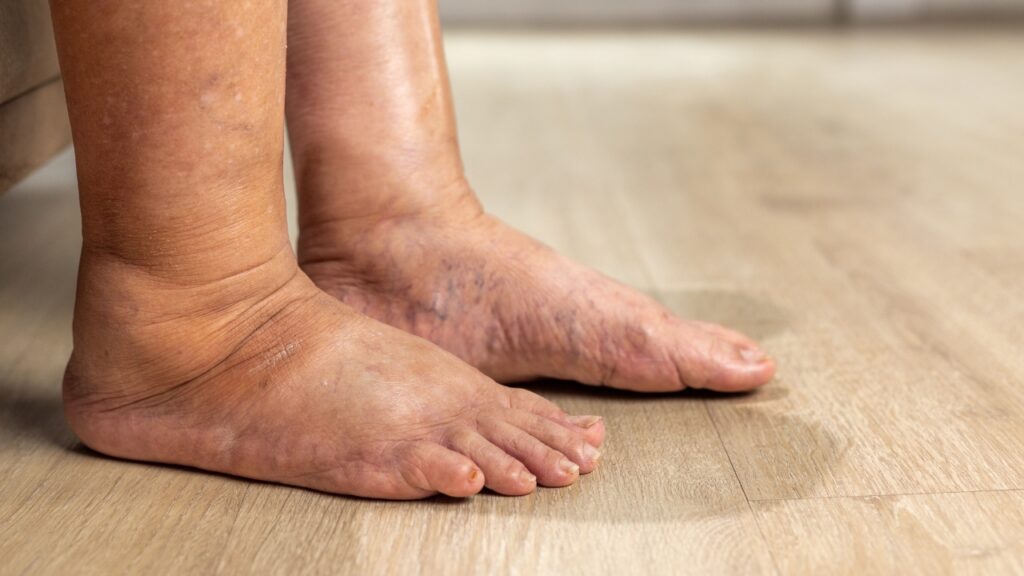
When chronic venous disease is the underlying cause, leg fatigue rarely occurs alone. Common accompanying symptoms include leg heaviness (a sensation of the legs being weighed down), aching or throbbing in the calves, ankle swelling that worsens through the day and resolves overnight, restless legs or leg cramps at night, itching or burning along the lower legs, and visible spider veins or varicose veins.
A CVI-specific quality of life study found that venous disease most significantly affects the physical domain — specifically pain, physical functioning, and mobility — and also contributes to negative emotional reactions and social isolation. The progressive nature of these symptoms makes early evaluation important.
When to see a doctor or vein specialist
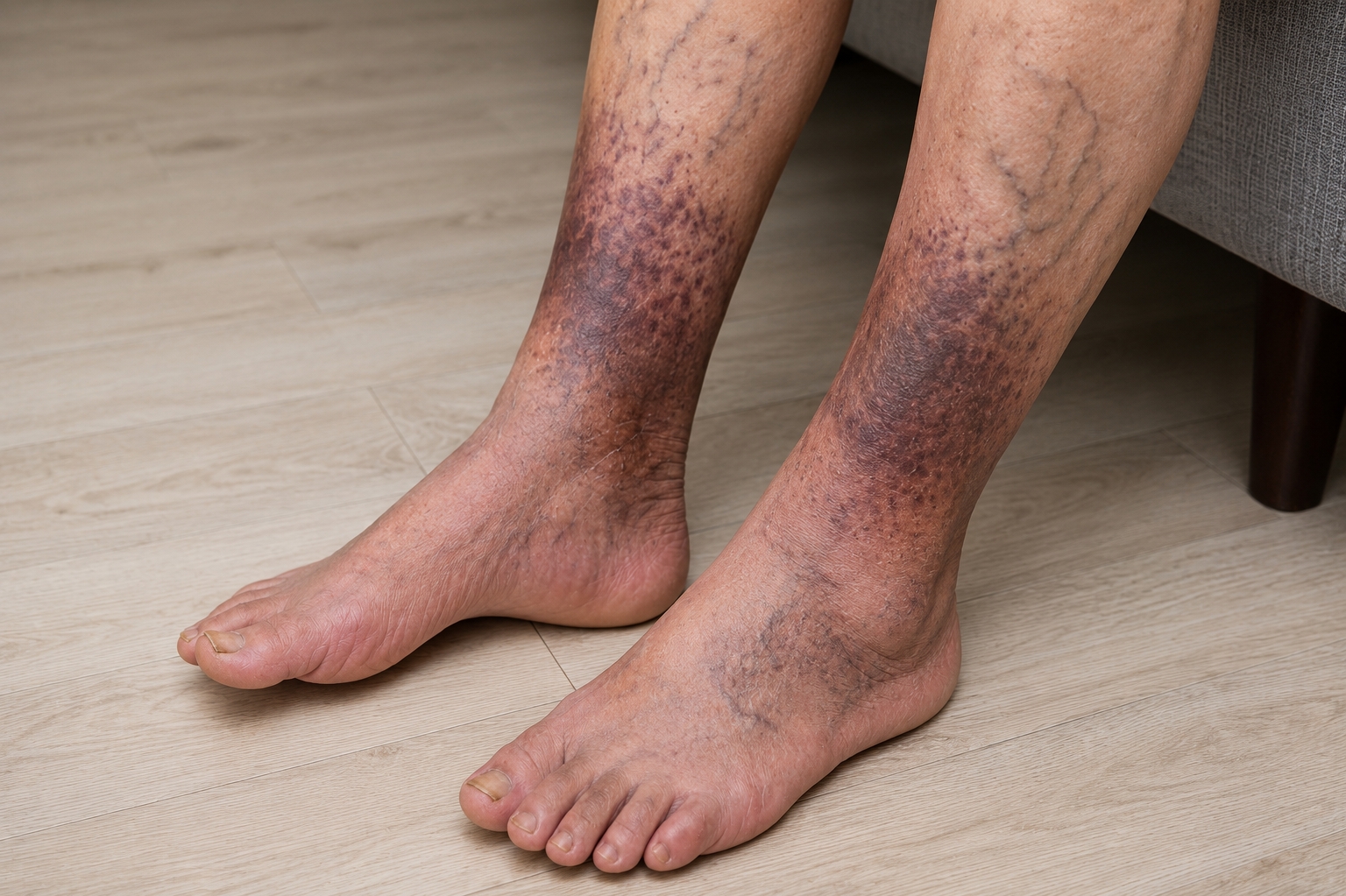
Leg fatigue warrants medical evaluation when it is persistent (lasting more than two weeks despite rest and lifestyle changes), progressive (worsening over time), disproportionate to activity level, accompanied by visible vein changes, swelling, or skin discoloration, interferes with daily activities or work, or is accompanied by pain, warmth, or redness in one leg (which may indicate DVT).
Diagnosis

Medical history and physical exam
A vein specialist evaluates the timing, distribution, and aggravating factors of leg fatigue. The physical exam is ideally done standing, allowing gravity to fill the veins and making varicose veins, edema, and skin changes more apparent.
Vein ultrasound
Vein ultrasound is the definitive test for diagnosing venous reflux. It combines B-mode imaging with Doppler flow assessment to visualize vein valve function in real time. It can identify incompetent veins, measure the duration and severity of reflux, and rule out deep vein thrombosis. The examination is noninvasive, painless, and takes approximately 30–45 minutes.
Ruling out other causes
When the clinical picture is not clearly venous, additional testing may include a complete blood count (to evaluate for anemia), thyroid function tests, HbA1c (for diabetes screening), ankle-brachial index (for PAD screening), and lumbar spine imaging if radiculopathy is suspected.
Treatment
Conservative measures
Graduated compression stockings are the foundation of CVI management. They improve venous return by applying graduated pressure, strongest at the ankle and decreasing in intensity as it rises. A randomized controlled trial in patients with moderate-to-severe CVI found significant improvements in pain and leg heaviness. An evidence-based consensus statement recommends their use across all stages of CVD for symptom relief.
Exercise is particularly important. A study comparing CVI patients at different levels of physical activity found that active patients reported significantly less fatigue and better quality of life than sedentary patients at the same disease stage. Walking, cycling, swimming, and calf-strengthening exercises are all beneficial.
Leg elevation above heart level for 15–20 minutes several times daily provides immediate symptom relief by reducing venous pressure. Managing weight reduces excess load on leg veins.
Minimally invasive vein treatments
When duplex ultrasound confirms venous reflux and conservative measures provide insufficient relief, minimally invasive procedures can close incompetent veins.
Endovenous laser ablation (EVLA) and radiofrequency ablation (RFA) use thermal energy delivered through a catheter to seal incompetent saphenous veins. Both are performed under local anesthesia in an outpatient setting. A prospective cohort study found that 96% of treated limbs showed clinical improvement after EVLA.
A Vascular Quality Initiative analysis of 5,757 procedures confirmed all patients improved in clinical and patient-reported outcomes (including heaviness, achiness, swelling, throbbing, and itching) after endovenous ablation.
Venous adhesive closure (cyanoacrylate glue) seals the incompetent vein without the need for thermal energy. A propensity-matched study of 325 limbs, including 66% with early-stage disease (C0–C1), found significant symptom improvement in leg heaviness, cramping, pain, and numbness after both cyanoacrylate ablation and EVLA.
Sclerotherapy is used for residual varicose veins and spider veins after truncal ablation.
Frequently asked questions
Yes. Venous reflux can cause symptoms at the C0S stage (symptomatic, no visible signs) of the CEAP classification. Fatigue and heaviness often precede the development of visible varicose veins by months or years.
Exercise-related fatigue improves with rest and is proportionate to the activity performed. Venous fatigue is disproportionate to activity, builds throughout the day, worsens with standing or sitting, and improves specifically with leg elevation. It tends to recur daily in a predictable pattern.
For most people with CVI-related fatigue, graduated compression stockings provide meaningful symptom relief. They are most effective when worn consistently during waking hours. If symptoms persist despite compression, a duplex ultrasound should be used to evaluate treatable venous reflux.
CVI is generally progressive. An estimated 25 million Americans have varicose veins, and 2–6 million have advanced CVI, including skin changes and ulcers. Early treatment at the fatigue stage can slow progression and prevent these more serious complications.
Most patients notice improvement within one to two weeks after endovenous ablation. A large registry study confirmed improvement in heaviness, achiness, swelling, and itching scores at initial follow-up after the procedure.
Bottom line
Persistent leg fatigue is more than an inconvenience. It is often an early signal of chronic venous disease. When vein valves fail and blood pools in the lower legs, venous hypertension produces a heavy, tired sensation that worsens throughout the day and interferes with activity and quality of life.
A duplex ultrasound can determine whether venous reflux contributes to leg fatigue. When it does, conservative measures and minimally invasive treatments provide significant, lasting relief. The earlier venous disease is identified and treated, the better the long-term outcome.
- PubMed. 2012. Epidemiology of chronic venous disorders in geographically diverse populations.
- PubMed Central. 2013. Calf Pump Activity Influencing Venous Hemodynamics in the Lower Extremity.
- PubMed. 2012. Early clinical improvement in chronic venous insufficiency symptoms after laser ablation.
- PubMed Central. 2020. Differences in pain, fatigue, and quality of life in patients with chronic venous insufficiency.
- PubMed. 2004. Epidemiology of chronic venous insufficiency of the lower limbs.
- PubMed. 2022. Fatigue, physical activity, and quality of life in people self-reporting symptoms of chronic venous disease.
- PubMed Central. 2019. The Seriousness of Chronic Venous Disease.
- PubMed. 2026. Peripheral Arterial Disease.
- PubMed. 2001. The impact of musculoskeletal changes on the dynamics of the calf muscle pump.
- PubMed Central. 2013. Calf Pump Activity Influencing Venous Hemodynamics in the Lower Extremity.
- National Institutes of Health. 2023. CEAP Classification of Venous Disorders.
- PubMed. 2003. Quality of life in venous disease.
- PubMed. 2021. Effect of endovenous ablation assessment stratified by great saphenous vein size.
- PubMed. 2012. A randomized double-blind trial of upward progressive versus degressive compressive stockings.
- PubMed Central. 2017. Indications for medical compression stockings in venous and lymphatic disorders.
- PubMed. 2022. Symptom improvement after cyanoacrylate glue adhesion and endovenous laser ablation.
- PubMed. 2005. Chronic venous insufficiency.
Editorial standards
All iThriveVeins content is medically reviewed by board-certified vein specialists and written following evidence-based guidelines. We source our information from peer-reviewed medical journals, clinical studies, and established medical organizations. Our editorial process ensures accuracy, objectivity, and relevance to patient needs.