Heavy legs can be a symptom of multiple sclerosis (MS), a chronic autoimmune disease that affects the central nervous system. However, heavy legs alone may not be enough to diagnose MS, as it is often accompanied by other neurological symptoms. If you are concerned about heavy legs and suspect MS, consult a healthcare professional for a proper evaluation.
Symptom Guide
Legs Feel Heavy: Is It Just Fatigue or a Symptom of Vein Disease?
Are your legs feeling heavy? Learn the causes and treatment options for heavy legs, and find out if it's just fatigue or a sign of vein disease.

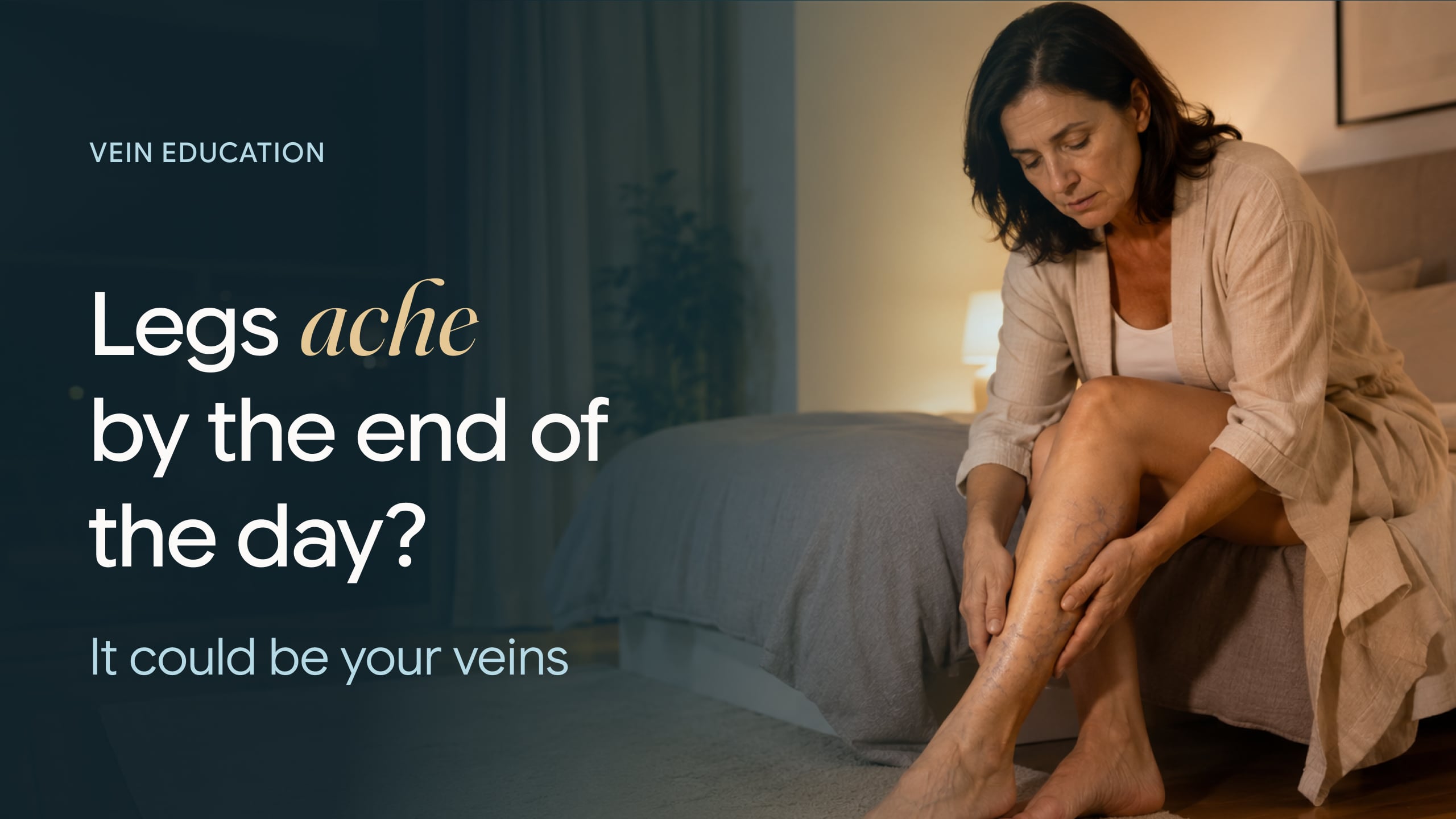
Key takeaways
- Vein diseases like varicose veins, chronic venous insufficiency, and restless leg syndrome can contribute to heavy legs.
- Factors like age, obesity, poor posture, pregnancy, a sedentary lifestyle, and venous insufficiency increase the risk of heavy legs.
- Poor circulation, prolonged sitting or standing, overtraining, and certain medical conditions can also contribute to leg heaviness.
- Persistent heavy legs should be evaluated by a healthcare professional to rule out underlying conditions and determine the appropriate treatment.
Table Of Contents
When your legs feel heavy, it can be an uncomfortable sensation that affects your daily life. But what does it mean when your legs feel heavy? Is it just fatigue from a long day, or could it be a symptom of a more serious underlying condition like vein disease?
In this article, we will explore the causes of heavy legs and discuss how to determine if it’s just fatigue or a sign of vein disease. We’ll also provide tips for managing and alleviating the discomfort of heavy legs caused by vein disease.
What does it mean when your legs feel heavy?
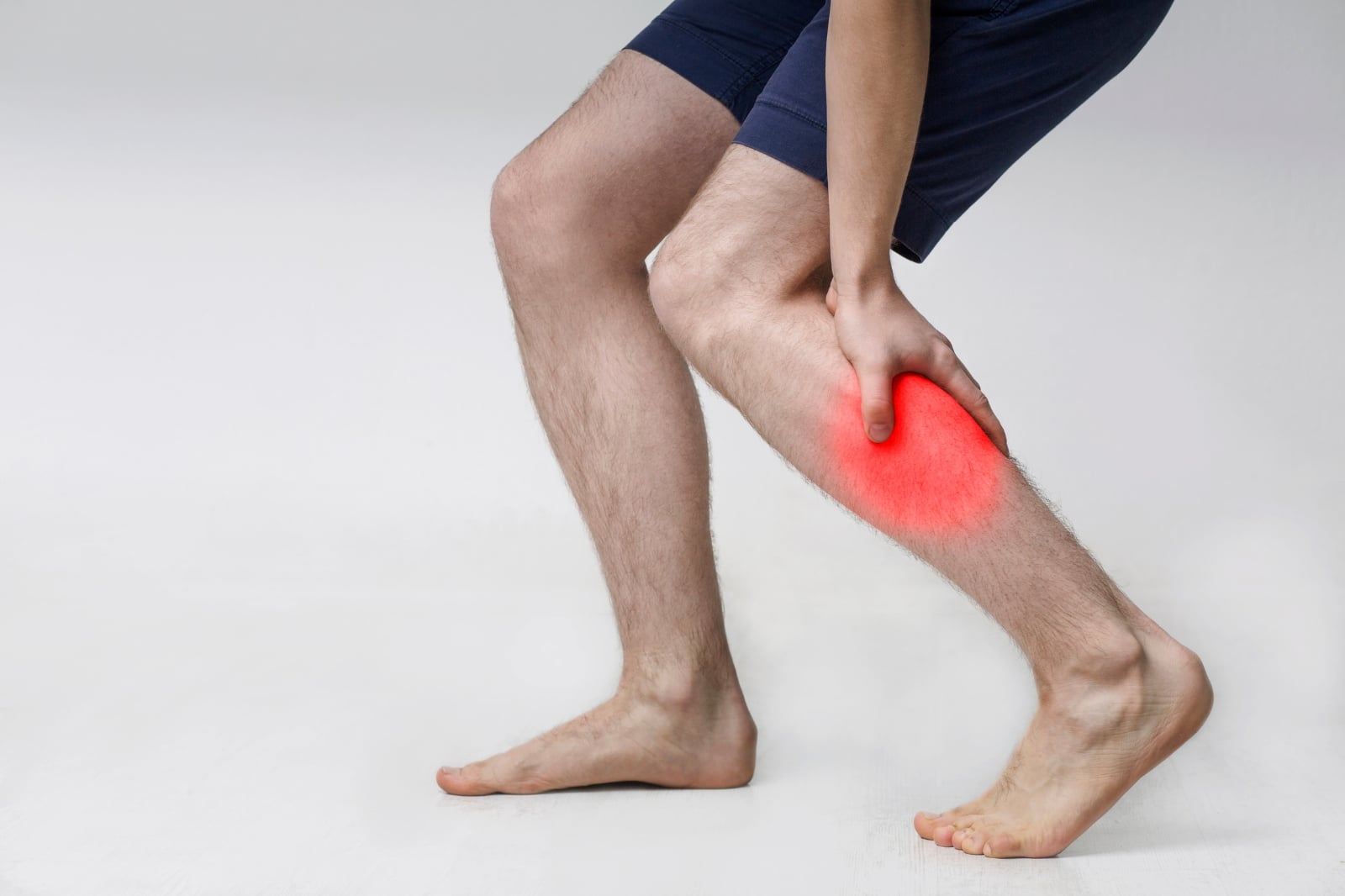
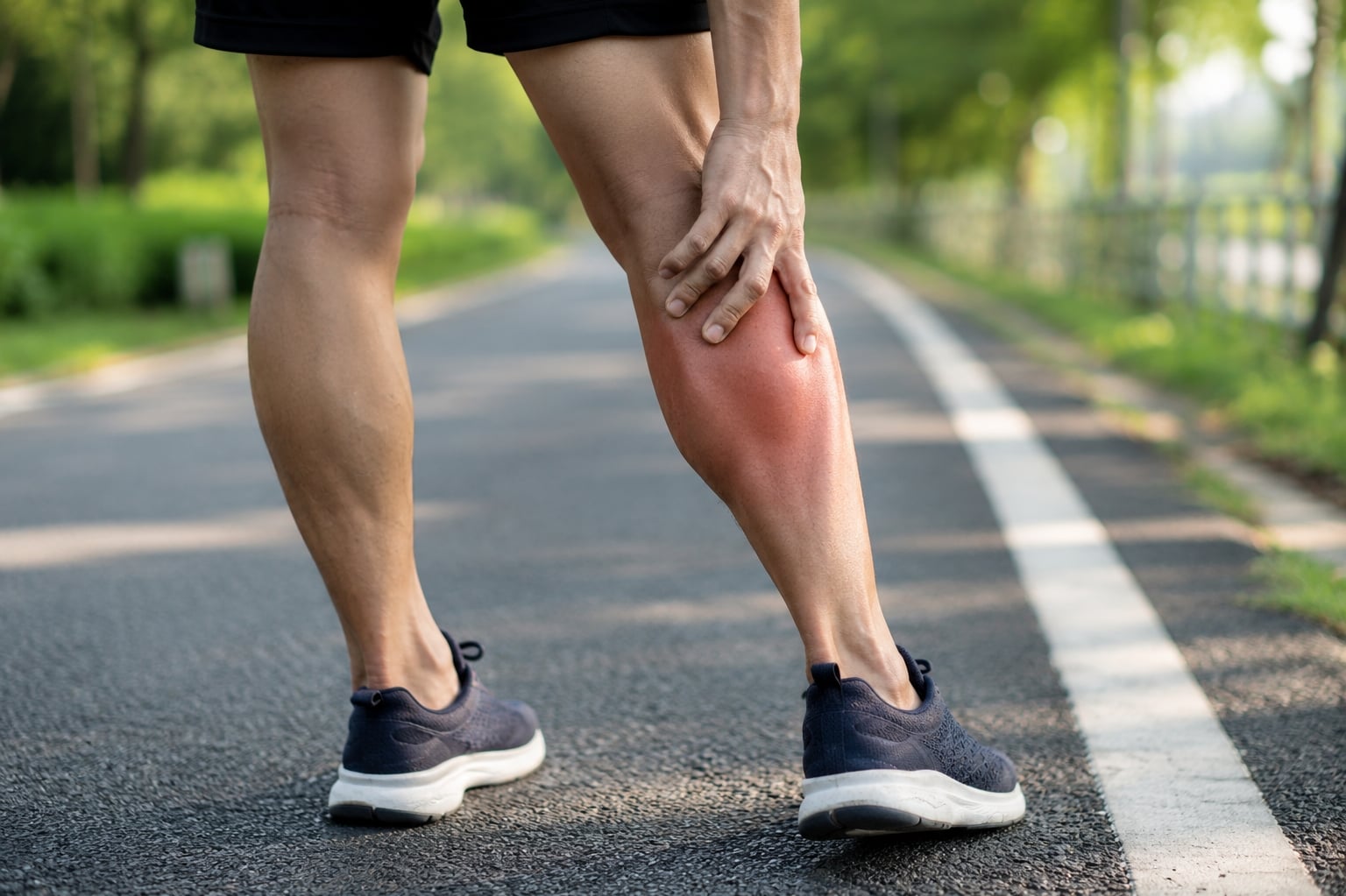
The sensation of heavy legs is characterized by a feeling of weight and fatigue in the lower limbs. It can make simple activities like walking, climbing stairs, or standing for long periods difficult and uncomfortable. Heavy legs often make you feel sluggish and can even impact your overall mood and productivity.
What causes your legs to feel heavy?
Identifying the underlying causes of heavy legs is crucial in determining the appropriate treatment and management strategies. The common factors contributing to this sensation include:
Fatigue
Fatigue can contribute to the feeling of heaviness in your legs. When you’re tired, your muscles may not receive adequate oxygen and nutrients, leading to a sense of weakness and heaviness.
Vein disease

Various vein diseases can also cause heavy legs. The most common ones include:
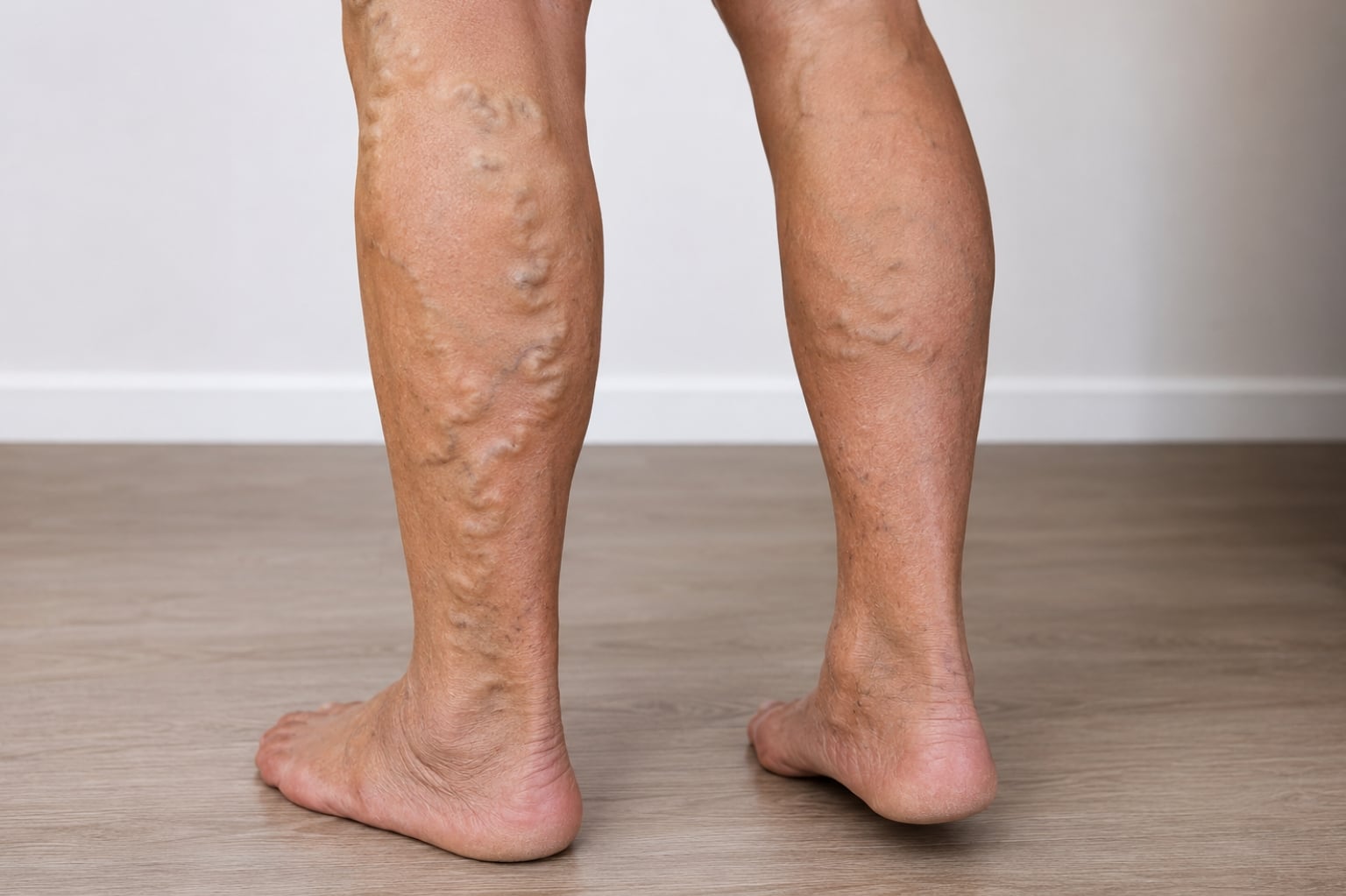
- Varicose veins: Varicose veins occur when the valves in the veins become weak or damaged, causing blood to pool and the veins to enlarge. This extra pressure can lead to a heavy and achy sensation in the legs.
- Chronic venous insufficiency (CVI): Chronic venous insufficiency is a condition where the veins are unable to efficiently return blood to the heart. As a result, blood can pool in the legs, causing discomfort and heaviness.
- Restless legs syndrome: a neurological disorder characterized by an uncontrollable urge to move the legs, often accompanied by uncomfortable sensations. This condition can contribute to the feeling of heaviness in the legs.
How can vein disease lead to heavy legs?
Vein diseases can affect the leg muscles and cause the sensation of heaviness. When leg veins are not functioning properly, blood can pool, increasing pressure. This increased pressure can strain the leg muscles, making them feel heavy and fatigued.
How to determine if heavy legs are caused by vein disease?

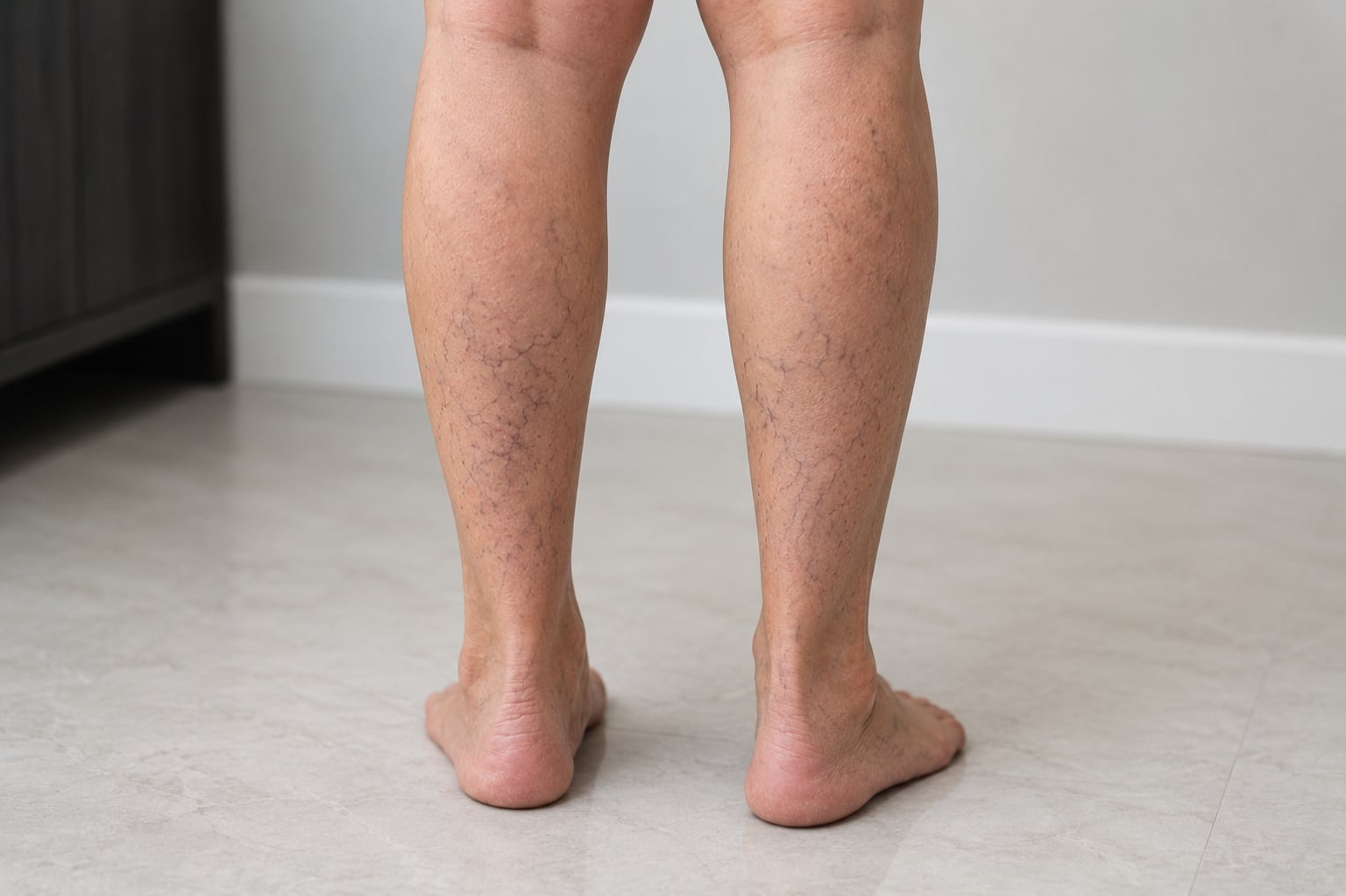
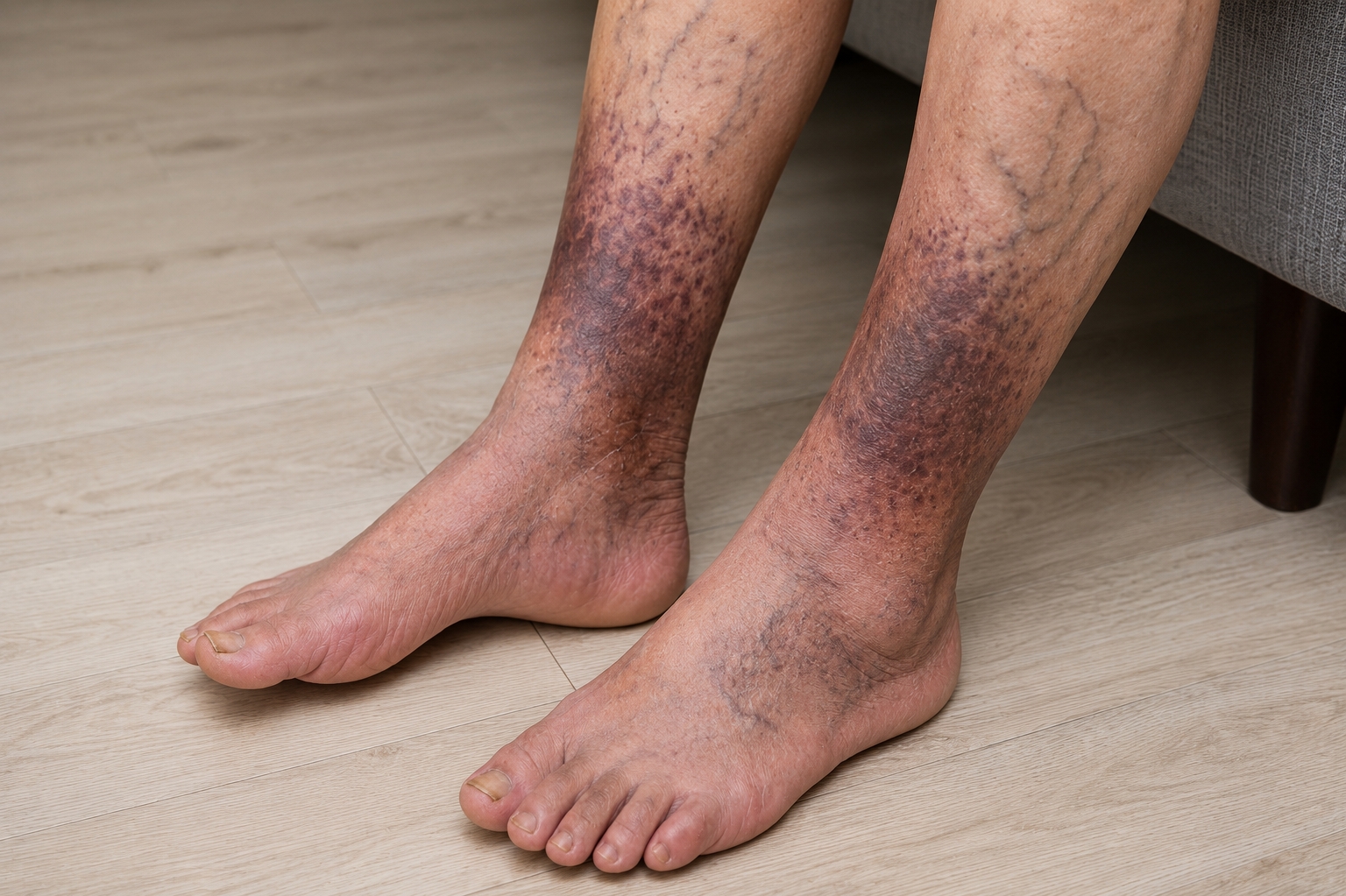
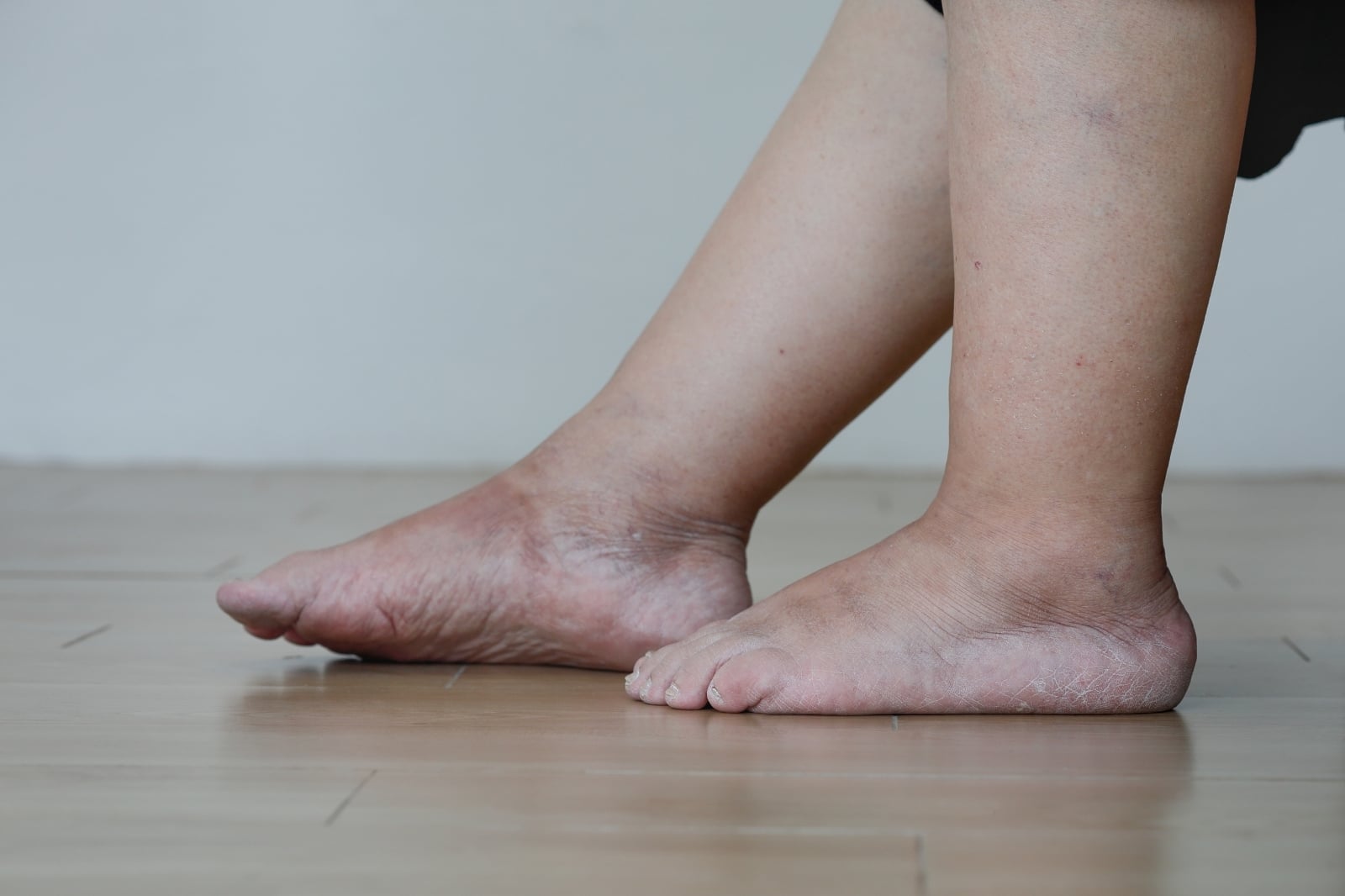
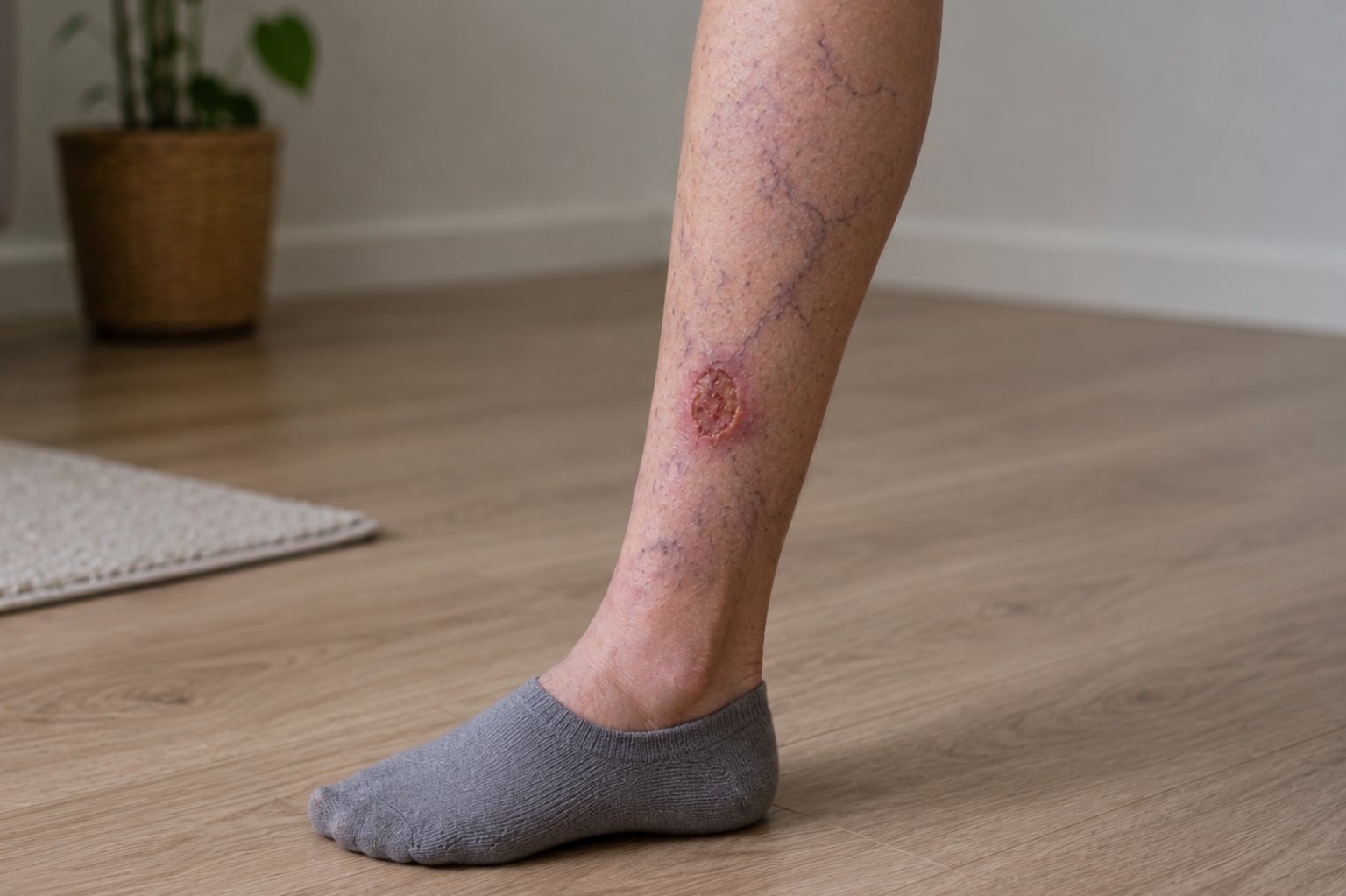
Differentiating between heavy legs caused by fatigue or vein disease is essential. Some signs that heavy legs may be related to vein disease include visible varicose veins or spider veins, which are common indicators of vein disease. Additionally, persistent leg swelling, skin discoloration, and leg ulcers are also indicators. If you experience any of these symptoms, it is advisable to consult a healthcare professional for a proper diagnosis.
Peripheral artery disease
Peripheral arterial disease is a condition that affects the arteries and can cause leg heaviness. It occurs when fatty deposits build up in the arteries, restricting blood flow to the legs and feet.
Standing or sitting for long periods

Prolonged periods of standing or sitting can cause fluid retention and poor circulation in the legs, leading to a feeling of heaviness.
Overtraining
Excessive exercise without proper rest can have negative effects on the legs, causing fatigue and a feeling of heaviness. This occurs when muscles are pushed beyond their limits without adequate time for recovery. As a result, the muscles become overloaded and are unable to perform optimally, leading to sensations of heaviness, tiredness, or weakness.
Poor blood circulation
Poor blood circulation can result from various factors such as a sedentary lifestyle, smoking, and certain medical conditions. When blood flow in your legs is compromised, it can lead to heavy legs.
Risk factor for heavy legs
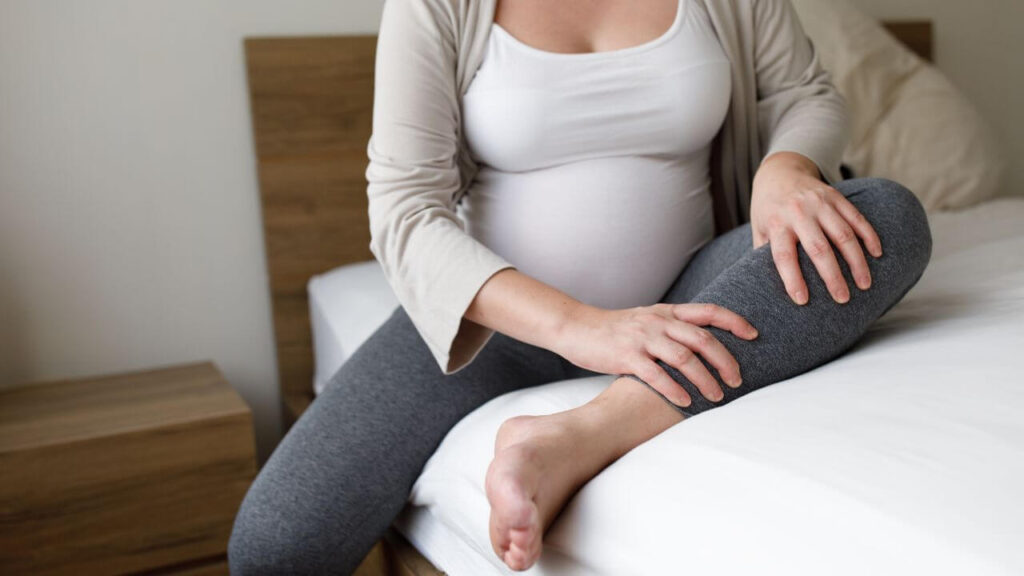
While heavy legs can result from various factors, understanding the risk factors associated with this condition is crucial for effective prevention and management. Identifying these risk factors and taking appropriate measures can help alleviate the symptoms and improve overall leg health. Some of the key risk factors that increase the likelihood of experiencing heavy legs are:
- Age
- Obesity
- Pregnancy
- Poor posture
- Sedentary lifestyle
- Venous insufficiency
What to do when legs feel heavy due to vein disease?
If heavy legs are caused by vein disease, there are several steps you can take to manage and alleviate the discomfort. Let’s explore some home remedies and medical interventions that can help:
Home remedies to manage and alleviate heaviness in the legs due to vein disease

- Stretch and exercise: Regular stretching and low-impact activities, such as walking or swimming, can improve blood circulation and reduce the sensation of heavy legs.
- Elevate your legs: Elevating your legs above heart level for 15-20 minutes several times a day can help reduce swelling and relieve heaviness.
- Massage: Gentle massages can stimulate blood flow and provide temporary relief from heavy legs.
- Apply cold or warm compresses: Applying cold compresses can help reduce inflammation and swelling, while warm compresses can promote blood circulation and alleviate discomfort.
- Wear compression stockings: Compression socks apply pressure to your legs, helping to improve blood flow and reduce leg heaviness.
- Stay hydrated: Drinking enough water throughout the day can help prevent dehydration and promote blood flow.
- Maintain a healthy weight: Maintaining a healthy weight can reduce the strain on your legs and improve blood flow.
- Avoid prolonged sitting or standing: Take regular breaks to move around if you have a sedentary job or stand for long periods. This can help prevent fluid accumulation and reduce leg heaviness.
- Quit smoking: Smoking can impair blood circulation, so quitting smoking can have a positive impact on the health of your veins.
Medical intervention for treating heavy leg-caused vein disease
If the steps you have taken at home do not help manage or relieve the discomfort of heavy legs, it’s time to seek medical intervention. Here are some common treatment options:
- Sclerotherapy: A non-surgical procedure that involves injecting a solution into the affected veins, causing them to collapse and fade away. This treatment is recommended for mild to moderate cases of vein disease and can help alleviate heavy legs.
- Endovenous laser ablation: Endovenous laser ablation is a minimally invasive procedure that uses laser energy to seal off diseased veins. This treatment is effective for larger varicose veins and for relieving symptoms of heavy legs.
- Radiofrequency ablation: A similar procedure to endovenous laser ablation, but uses radiofrequency energy to close off the affected veins. This treatment is also effective in managing heavy legs caused by vein disease.
- Vein stripping: Vein stripping is a surgical procedure reserved for severe cases of vein disease. It involves removing the affected veins through small incisions in the leg.
Should you be concerned about your legs feeling heavy?
While occasional leg heaviness may not be a cause for concern, persistent or worsening symptoms should not be ignored. Seeking professional advice is crucial to determine the underlying cause and appropriate treatment.
When should you worry about heavy legs?
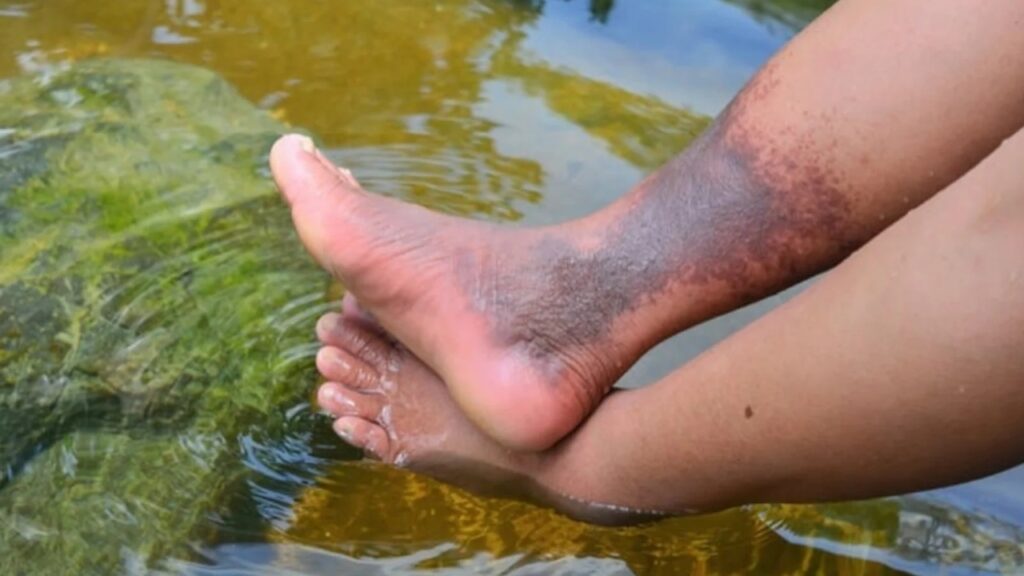
If heavy legs are accompanied by symptoms such as pain, swelling, skin discoloration, or ulcers, it is essential to consult a healthcare professional promptly. These symptoms may indicate more severe vein diseases or other underlying conditions that require medical attention.
Consequences of leaving heavy legs caused by a venous disorder untreated
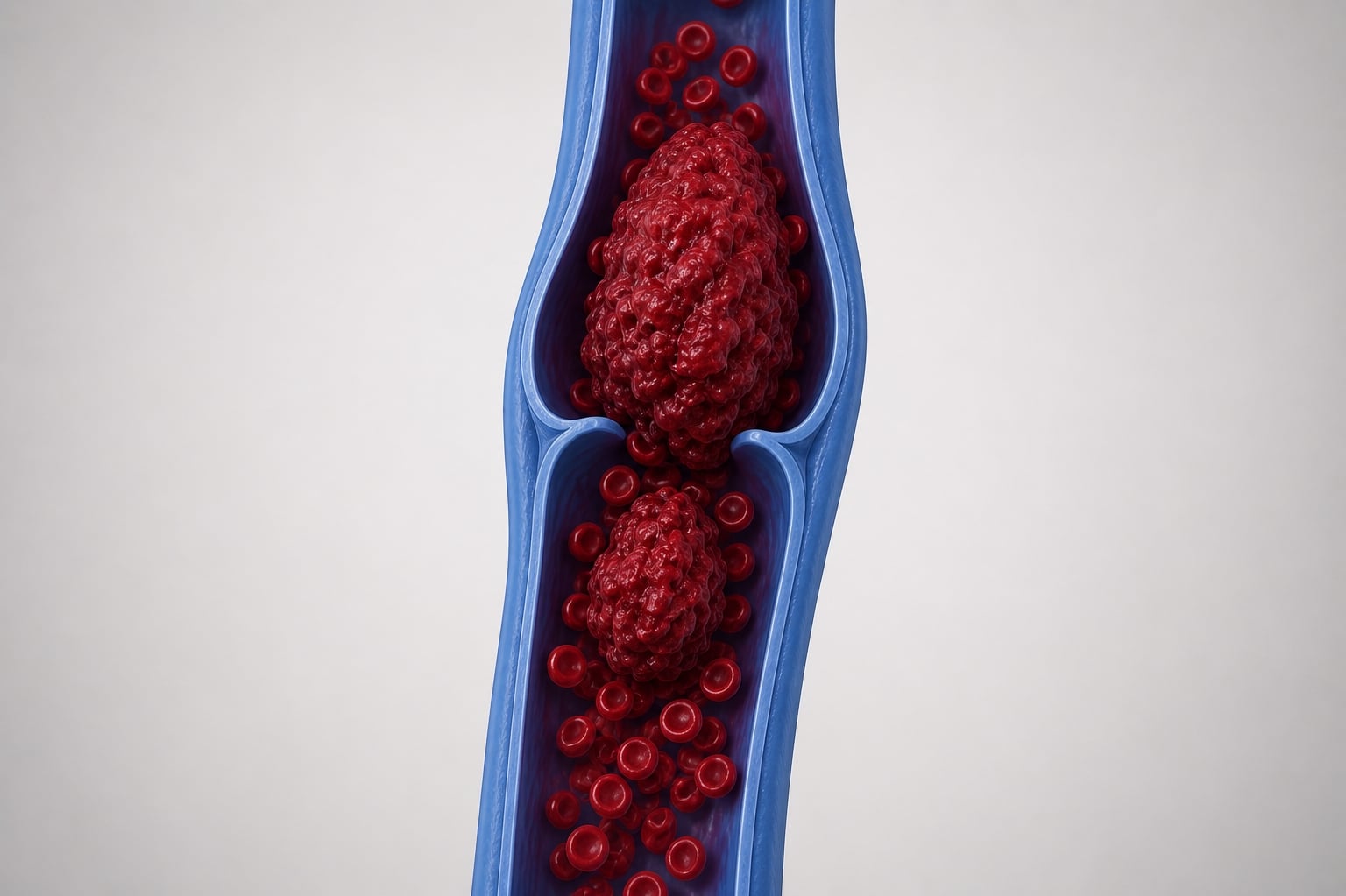
Leaving heavy legs caused by vein disease untreated can lead to complications such as chronic pain, skin ulcers, and blood clots. It is important to address the underlying issue to prevent further deterioration and improve the quality of life.
Frequently asked questions
Heart problems, particularly congestive heart failure, can cause fluid retention and poor circulation, leading to heavy legs. If heavy legs are accompanied by symptoms such as shortness of breath, swelling in the ankles, or fatigue, it is crucial to seek medical attention to rule out any underlying heart conditions.
Bottom line
Whether due to fatigue, vein disease, or other underlying health conditions, heavy legs can significantly impact your daily life. By understanding the causes and taking appropriate measures, you can alleviate discomfort, improve leg health, and regain mobility. Seeking professional advice is crucial for an accurate diagnosis and tailored treatment plan.
- National Institutes of Health. 2026. Peripheral Arterial Disease.
- National Institutes of Health. 2023. Quality of Life of Patients With Chronic Venous Insufficiency of the Lower Extremities.
- National Institutes of Health. 2005. Varicose Vein Surgery.
- Mayo Clinic. 2024. Multiple Sclerosis.
- Harvard Health Publishing. 2026. 5 overlooked symptoms that may signal heart trouble.
Editorial standards
All iThriveVeins content is medically reviewed by board-certified vein specialists and written following evidence-based guidelines. We source our information from peer-reviewed medical journals, clinical studies, and established medical organizations. Our editorial process ensures accuracy, objectivity, and relevance to patient needs.