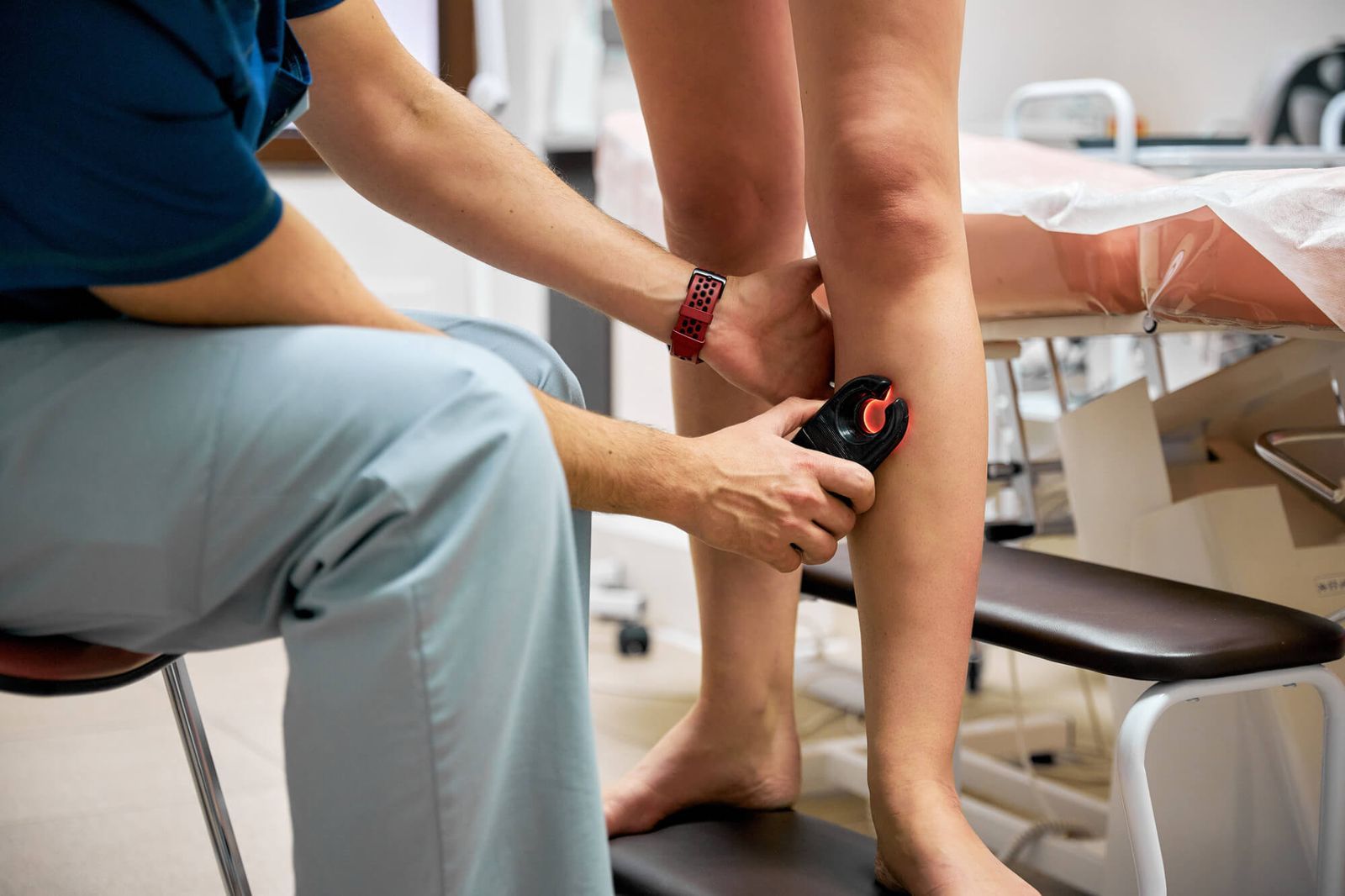
Early stages may be managed, and symptoms improved with lifestyle changes and treatment. However, advanced stages are usually not fully reversible. Medical procedures may be needed to control progression.
Understanding 5 Stages of Vein Disease: Causes & Symptoms
Vein disease can lead to serious issues if untreated. This post outlines the 5 stages of vein disease for better understanding and awareness.

Key takeaways
- Vein disease progresses through 5 stages, each with distinct symptoms and risks.
- Identifying the stage of vein disease is crucial for proper treatment and management.
- Early detection and intervention are key to preventing complications and improving outcomes.
- Consult a healthcare professional for an accurate diagnosis and personalized treatment options.
Table Of Contents
Approximately 30 million Americans suffer from vein disease, and many ignore the early warning signs of what may be the beginning stages of Chronic Venous Insufficiency (CVI) disease.
In fact, less than 1% of people seek treatment for their symptoms.
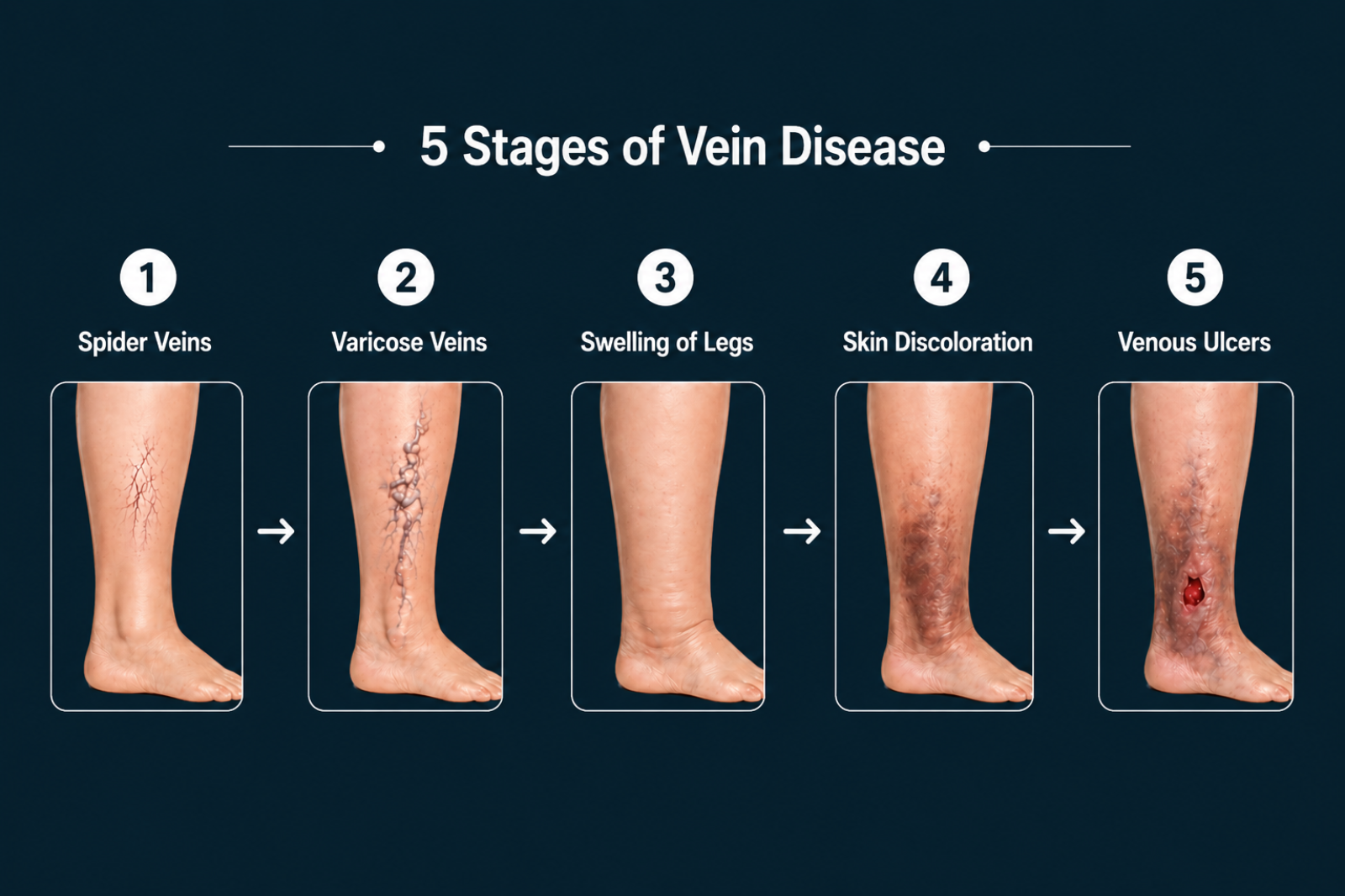
Vein disease and CVI are both progressive conditions and worsen without treatment. Familiarizing yourself with the 5 stages of vein disease can help determine whether you are experiencing any of the early or late-stage symptoms of vein disease, and to empower you to take the steps necessary to protect your vein health.
Stage 1: Reticular veins & Spider veins
The first stage of vein disease is easy to ignore, and it typically goes unnoticed by many, as there are not many symptoms of pain or discomfort.
Spider veins, also known as Telangiectasias are usually considered to be an unsightly nuisance of tiny, flat, bluish-purple veins just under the surface of the skin. They are smaller and appear as tiny threads or wisps in a spider-web or cluster-like pattern, and may not always be easy to see.
Reticular veins also appear as flat, red or blue spider-webs near the surface of the skin, but are smaller than varicose veins. Reticular veins may feed into spider veins, providing them with excess blood.
What are spider veins caused by?
- Family history
- Pregnancy
- Menopause
- Hormone imbalance or changes
- Obesity
- Standing or sitting for prolonged periods
While spider veins may be easy to ignore, they very well may be the first sign of vein disease. Seeking a medical evaluation to rule out any underlying condition is the first step in protecting your vein health before it develops into something more dangerous.
Stage 2: Varicose veins
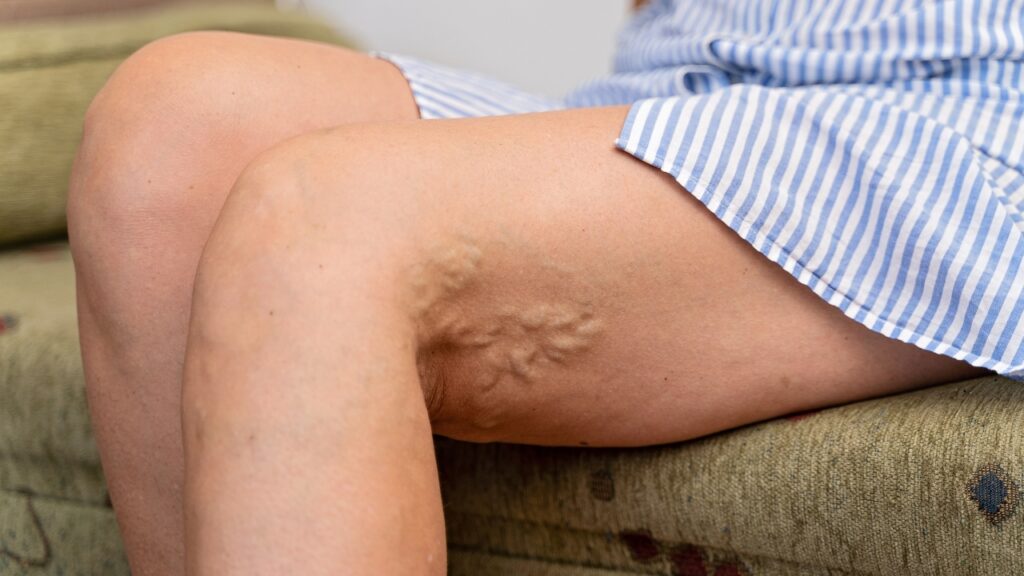
The second stage of vein disease is marked by the presence of varicose veins. Varicose veins are large, swollen, and bulging veins that typically appear on your legs and feet.
While some people may not experience discomfort with their varicose veins, it can be extremely uncomfortable for others.
Symptoms associated with varicose veins
- Veins may appear to be twisted, tangled, or rope-like
- Heaviness and aching in the legs
- Burning or itching near the varicose veins or in the legs
- Veins may change color
- Increased pain and discomfort after prolonged periods of sitting or standing
- Hardening of the veins
- Bleeding or leaking veins
- Inflammation and swelling of the feet, ankles, and legs
When varicose veins are accompanied by pain, swelling, hardening of the veins, or severe inflammation around the area of the varicose veins, this may very well be the beginning of chronic venous insufficiency (CVI). CVI is progressive and will only worsen over time without the appropriate treatment.
Causes of varicose veins
Varicose veins are often caused by weakened or damaged valves inside the vein. When these valves are not functioning correctly, they allow blood to flow backward into your veins, where it pools and causes veins to stretch and dilate.
Additional risk factors associated with varicose veins
- Age
- Sex
- Pregnancy
- Weight gain
- Hormonal balance
- Standing or sitting for prolonged periods
Many people may seek a medical evaluation when varicose veins are accompanied by leg pain, swelling, itching, or heaviness in the legs.
Stage 3: Swelling of legs and ankles
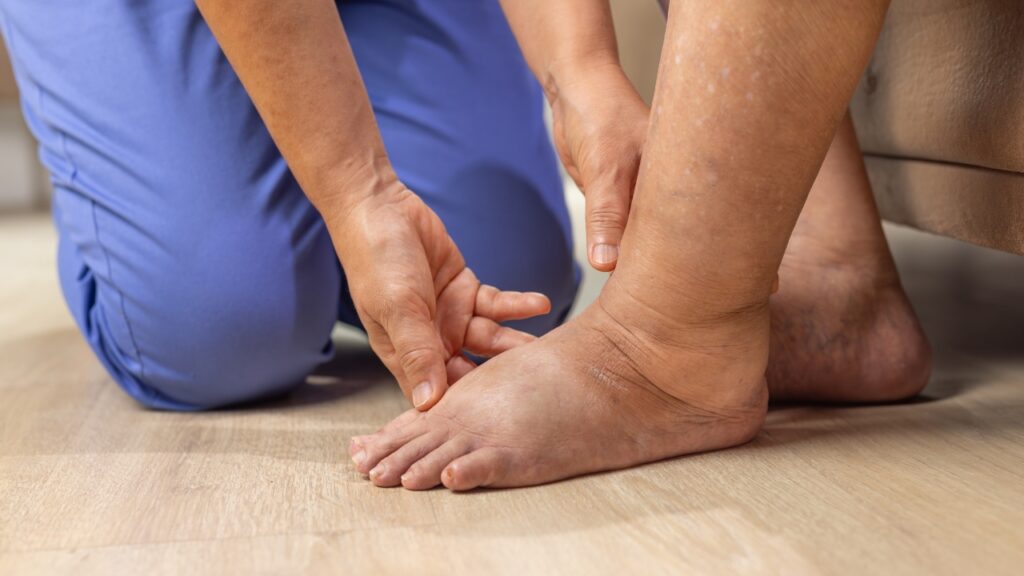
When varicose veins are left untreated, the third stage of vein disease is seen when the legs and ankles experience swelling. Inflammation in the legs is typically associated with poor circulation of blood flow. When your leg veins are not functioning correctly, your body cannot absorb the excess fluid, resulting in leg swelling.
Stage 3 is considered to be part of the later, more advanced stages of venous disease and can severely impair one’s quality of life.
Additional symptoms that may appear in stage 3 of vein disease
- Itchy legs
- Tightness in the calves and ankles
- Pain when walking
- A sensation of numbness or tenderness near the varicose veins.
- Brown, leathery-like skin near the varicose veins.
- Muscle spasms
- Restless leg syndrome
- Leg ulcers
Potential causes of leg and ankle swelling
- Chronic venous insufficiency disease (CVI)
- Deep vein thrombosis (DVT)
- Heart disease
- High blood pressure
- Lack of exercise or poor diet
- Smoking
Should you be experiencing the symptoms listed above, it is crucial that you consult with a doctor to determine the best course of treatment before the condition worsens.
Stage 4: Skin discoloration (Lipodermatosclerosis)
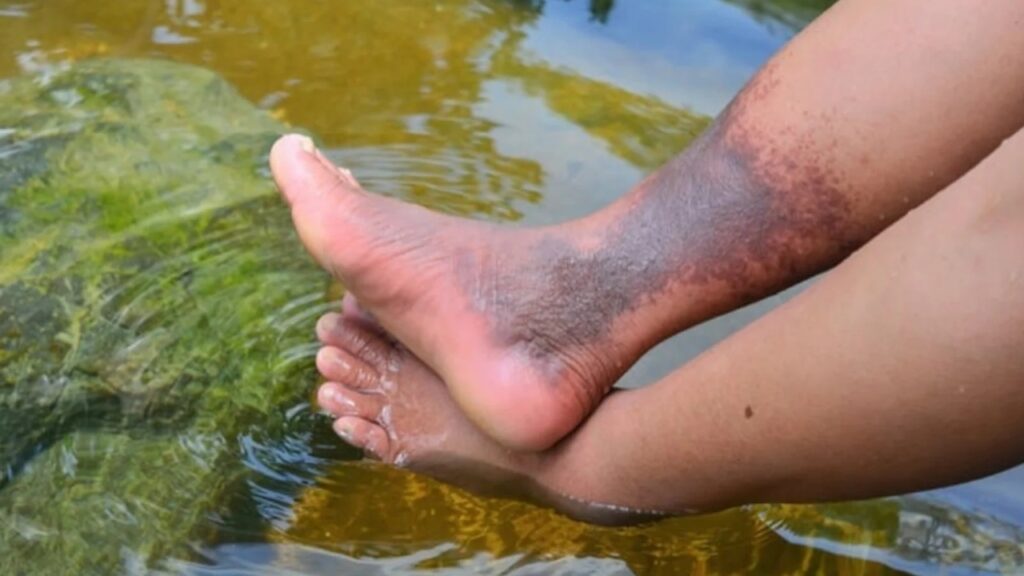
People typically experience pain by this stage of vein disease and report sensations of irritation and itchiness in the legs or near the varicose veins. The pooling of blood can change the skin color in your legs, generally seen in the ankles.
Additionally, the skin becomes discolored as the fatty tissue just under the surface of the skin becomes inflamed.
In advanced cases of stage 4 vein disease, the skin may begin to crack and bleed, which may lead to the development of open sores.
Symptoms of stage 4 vein disease
- Skin thickening and hardening around varicose veins
- Changes in skin color
- Skin begins to take on a leathery texture and appearance
- Pain and swelling in the legs and ankles
- Leg ulcers
- Legs are tapering above the ankles
Causes of stage 4 vein disease
- Chronic venous insufficiency (CVI)
- Hormonal changes
- Excessive standing or sitting for prolonged periods
- Obesity and poor diet
- Heart disease
At this stage of vein disease, you will need to consult a doctor for diagnosis and to develop a treatment plan.
Stage 5: Ulcers and open sores
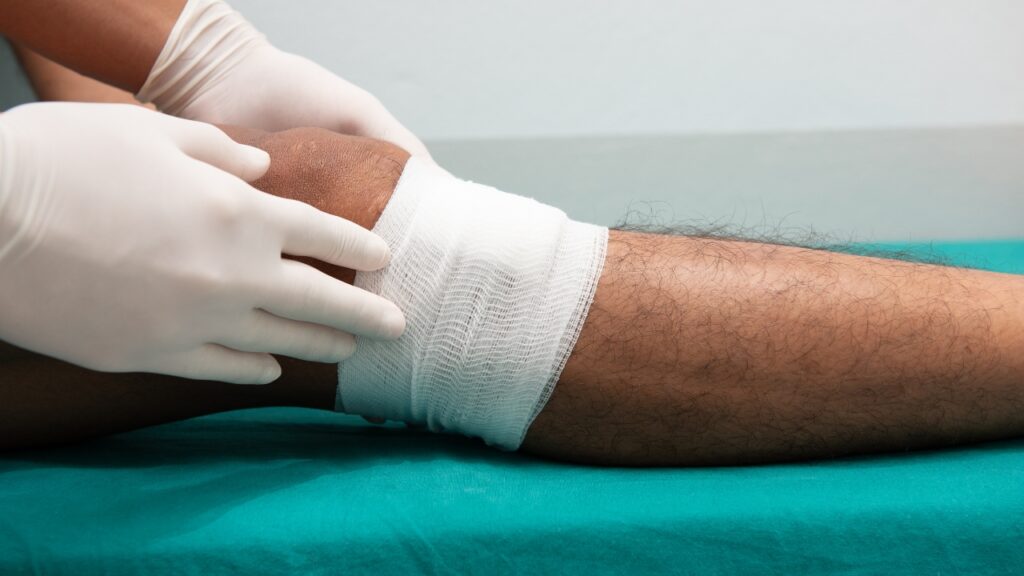
The most advanced and dangerous phase of vein disease is when ulcers and open sores begin to form, resulting in the breakdown of skin tissue from inadequate blood flow.
Ulcers are sores that continue to open and will not heal properly. When blood cannot circulate, nutrients are not able to reach the skin to promote the healing process.
This stage of venous disease is caused by chronic venous insufficiency (CVI). People are often in an extreme amount of pain and find symptoms to be debilitating. Also, open wounds are at risk of developing bacterial infections.
3 categories of skin ulcers
Venous stasis makes up approximately 70% to 90% of leg ulcers, most left untreated.
Symptoms of leg ulcers
- Painful open sores on legs or ankles.
- Yellow or green fluid leading from sores.
- Burning or itchy legs.
- Skin Discoloration.
- Tightness around the ankles.
- Sore, aching legs.
- Leaking veins.
Frequently asked questions
The progression rate varies widely depending on individual risk factors and lifestyle. Some people may remain in early stages for years, while others progress more quickly. Factors like activity level and overall health play a role.
Yes, treatment approaches often vary depending on the stage. Early stages may focus on conservative care, while advanced stages may require medical procedures. The goal is to manage symptoms and prevent progression. Treatment plans are usually personalized.
Bottom line
Understanding the 5 stages of vein disease is crucial for early detection and effective management. By staying informed, individuals can take proactive steps to protect their vein health and seek appropriate treatment when necessary.
- National Institutes of Health. 2017. Management of Chronic Venous Disease.
- ScienceDirect. 2019. Venous Stasis.
- National Institutes of Health. 2023. Diabetic foot ulcer.
- National Institutes of Health. 2023. Arterial leg ulcers.
- National Institutes of Health. 2023. No More Venous Ulcers—What More Can We Do?
Editorial standards
All iThriveVeins content is medically reviewed by board-certified vein specialists and written following evidence-based guidelines. We source our information from peer-reviewed medical journals, clinical studies, and established medical organizations. Our editorial process ensures accuracy, objectivity, and relevance to patient needs.