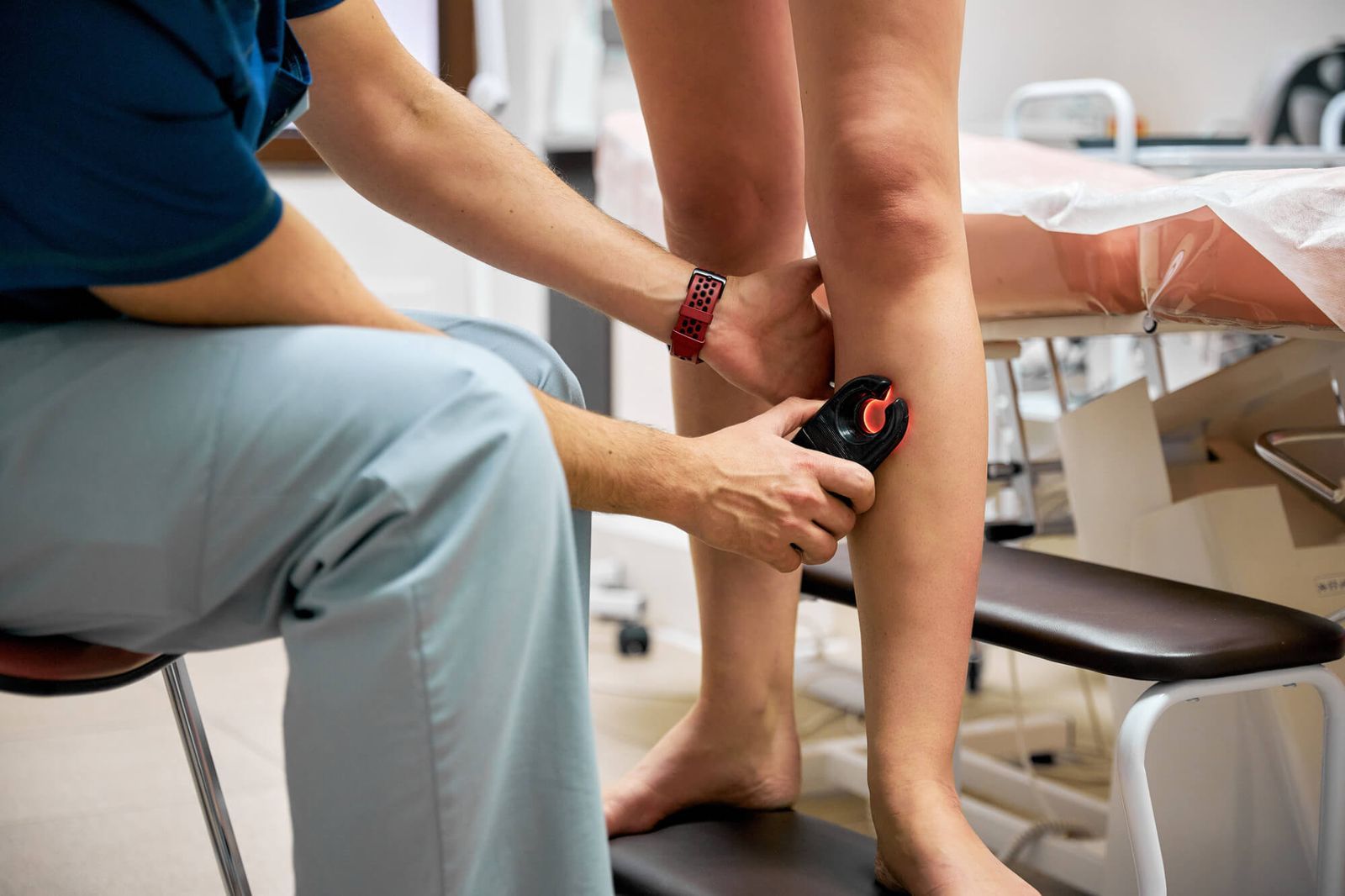
Signs such as leg heaviness, aching, swelling, or skin changes may indicate a deeper issue. Spider veins alone may not confirm venous insufficiency. Additional symptoms often provide important clues. A medical evaluation can help clarify the diagnosis.
Are Spider Veins Cosmetic or Venous Insufficiency Concern?
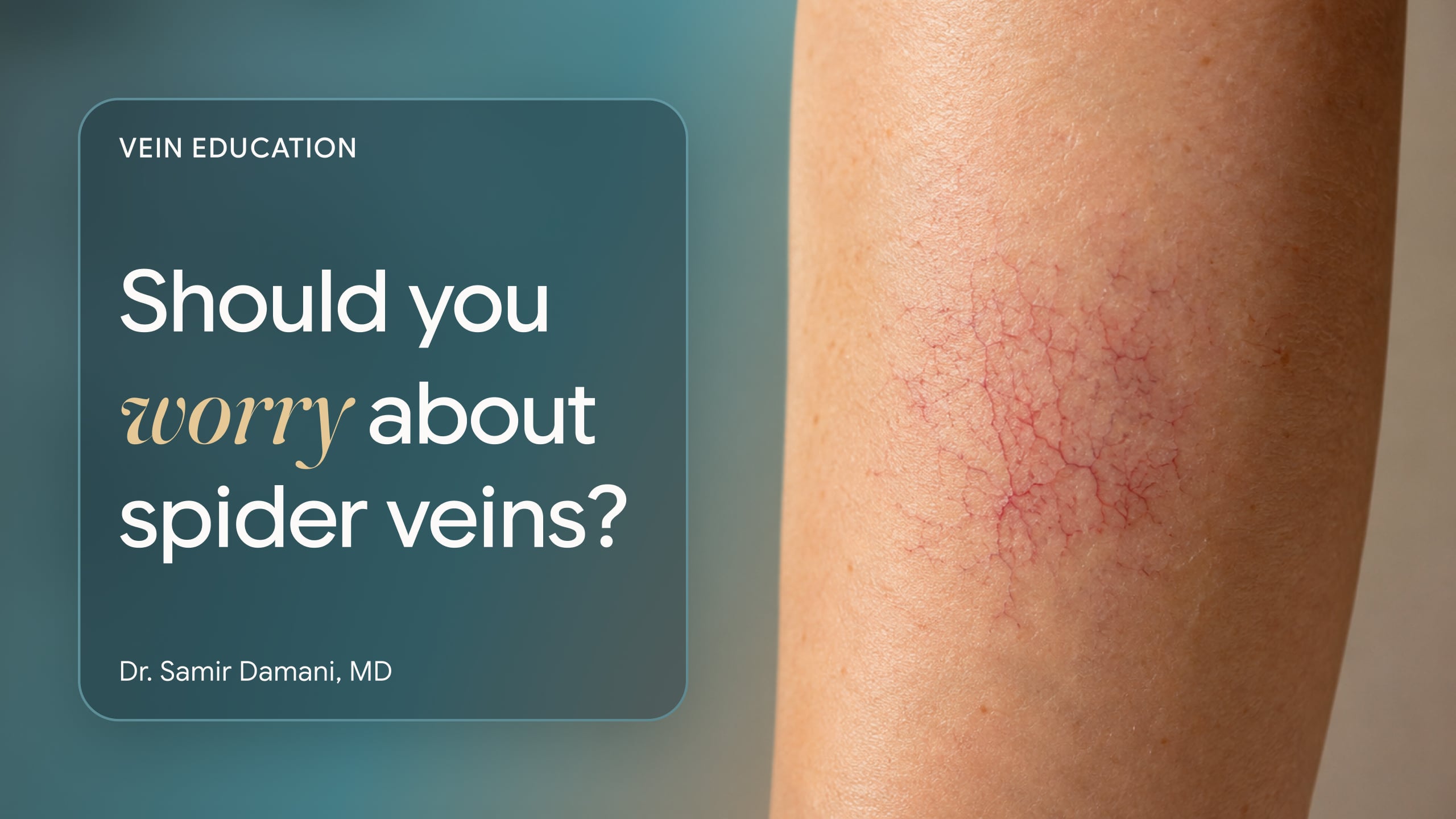
Wondering if spider veins are cosmetic or venous insufficiency? Discover causes, symptoms, and when to seek professional care and guidance.

Key takeaways
- Spider veins are usually harmless and primarily a cosmetic concern.
- They can be caused by various factors, including genetics, hormonal changes, and prolonged standing or sitting.
- In some cases, spider veins may be a sign of venous insufficiency or other circulatory problems.
- Treatment options for spider veins range from lifestyle changes to medical procedures, depending on the severity and underlying cause.
Table Of Contents
What are spider veins?
Spider veins are tiny, dilated, superficial blood vessels that lie just under the surface of the skin. They most commonly appear around the ankles and legs, but may also appear on the face. They appear as tiny reddish-blue wisps or in a web-like form.
While most spider veins are merely a cosmetic nuisance, there are times when spider veins are an early warning sign of an underlying circulation problem that needs to be evaluated by a doctor.
Who gets spider veins?
Genetics seems to play a role in who develops spider veins, as well as age. Additionally, people who spend long periods on their feet have increased pressure in the veins of their legs, and contribute to the development of spider veins over time.
Spider veins may also be caused by the following:
- Weight gain or obesity
- Sun exposure
- Hormonal changes
- Pregnancy
What are the symptoms of spider veins?
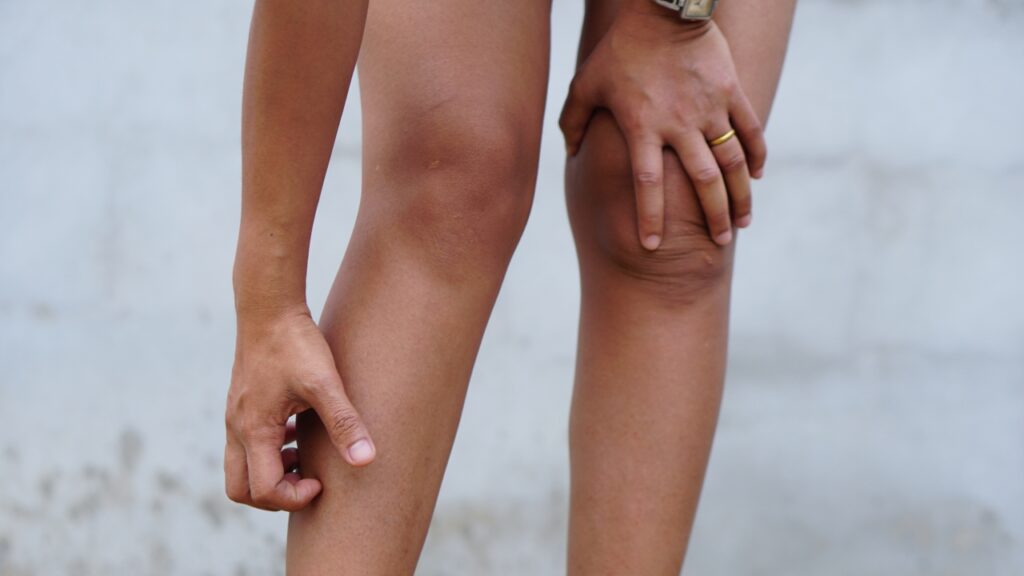
For many, spider veins are a cosmetic nuisance that appears as tiny, tangled networks of veins, web-like in appearance, just under the surface of the skin. It is most common to develop spider veins in the legs and feet, but they may appear on the face.
When they are merely an unsightly, embarrassing issue, spider veins do not cause symptoms beyond their appearance.
Others, however, may experience a range of symptoms related to their spider veins, including:
When spider veins may be more than just a cosmetic issue
At times, spider veins may serve as an early warning sign to an underlying health condition or circulatory problem such as chronic venous insufficiency (CVI). CVI occurs when valves in your veins are weakened or no longer working correctly, allowing blood to flow backward and pool in the legs and feet.
When blood is not able to travel efficiently through the veins, tissues cannot receive the oxygen and nutrients they need to stay healthy.
CVI is a chronic and progressive condition that requires a medical evaluation and treatment to ensure that more serious health concerns do not arise.
Keep in mind, should your spider veins not be related to an underlying vein condition, such as CVI, spider veins should be evaluated as they can cause problems or an increase in number, mainly when reticular veins are the root cause.
What are reticular veins?
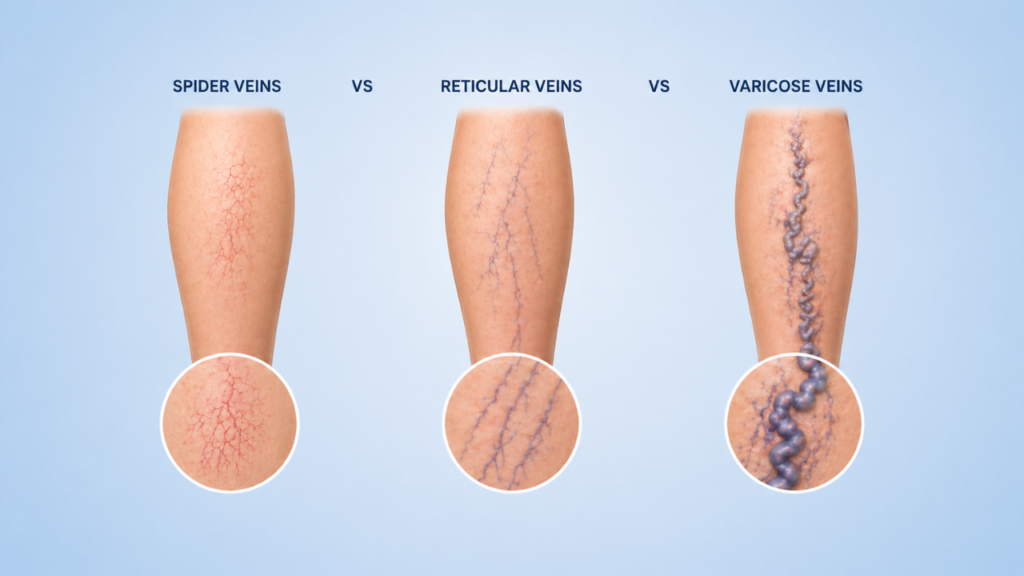
While spider veins are small and superficial, they are often accompanied by more substantial, bluish-greenish veins that are called reticular veins. Also called “feeder” veins, as they supply spider veins with blood, they play a significant role in the development of spider veins and can impact treatment outcomes.
When reticular veins are the cause of your spider veins, spider veins will recur if the underlying reticular veins are not treated as well.
Both reticular veins and spider veins can be treated in the same way and at the same time.
Spider vein removal
The most common treatments for spider veins are sclerotherapy and laser therapy.
Sclerotherapy
Sclerotherapy involves the injection of a solution (sclerosant) or foam directly into the diseased veins. The solution irritates the vein walls and causes them to scar and collapse. As a result, blood is rerouted to nearby healthier veins. Over time, the collapsed vein will be absorbed by surrounding tissue, and the treated veins will fade.
Typically, more than one treatment is necessary to achieve the desired results. If done properly, sclerotherapy is highly effective, safe, and involves minimal side effects.
Anesthesia is not required and is performed in your doctor’s office. You can anticipate returning to your regular activities immediately.
Laser vein removal
Laser vein removal utilizes intense bursts of light that are sent directly into the vein. These bursts of light cause the vein to fade and disappear slowly. This procedure is done without incisions or needles.
For larger veins, laser surgery is not as effective as sclerotherapy. Over time, post-treatment, veins may fade but will not disappear completely. Also, some people may experience new spider veins developing in the treated area.
Endovenous laser therapy (EVLT)
EVLT is a newer treatment designed for spider veins and smaller varicose veins.
During this procedure, your doctor will make a small incision at the site of the diseased vein. A small laser fiber is inserted into the vein, where heat is directly applied to the vein. The thermal energy damages the collagen in the vein walls, causing the vein to collapse and seal shut.
It will typically take the vein several months, or up to a year, to entirely disappear.
A local anesthetic is used to minimize discomfort during the incision and when the heat is directed into the vein.
Frequently asked questions
Spider veins themselves do not usually progress into serious conditions, but they may coexist with underlying vein disease. In some cases, new or worsening symptoms can appear over time. Monitoring changes is important. Early evaluation can help prevent complications.
Yes, spider veins are smaller and closer to the skin, while varicose veins are larger and more likely to cause symptoms. Spider veins are often cosmetic, but varicose veins are more commonly linked to venous insufficiency. Both share similar underlying causes. Their impact can differ.
Treatment mainly improves appearance, but it may also support better circulation in the treated area. However, it does not address all underlying vein issues. Additional treatment may be needed if deeper problems exist.
Bottom line
While spider veins are generally harmless and cosmetic in nature, they may indicate underlying circulatory issues. It is important to consult a healthcare professional for an accurate diagnosis and appropriate treatment options.
- National Institutes of Health. 2024. Sclerotherapy.
Editorial standards
All iThriveVeins content is medically reviewed by board-certified vein specialists and written following evidence-based guidelines. We source our information from peer-reviewed medical journals, clinical studies, and established medical organizations. Our editorial process ensures accuracy, objectivity, and relevance to patient needs.