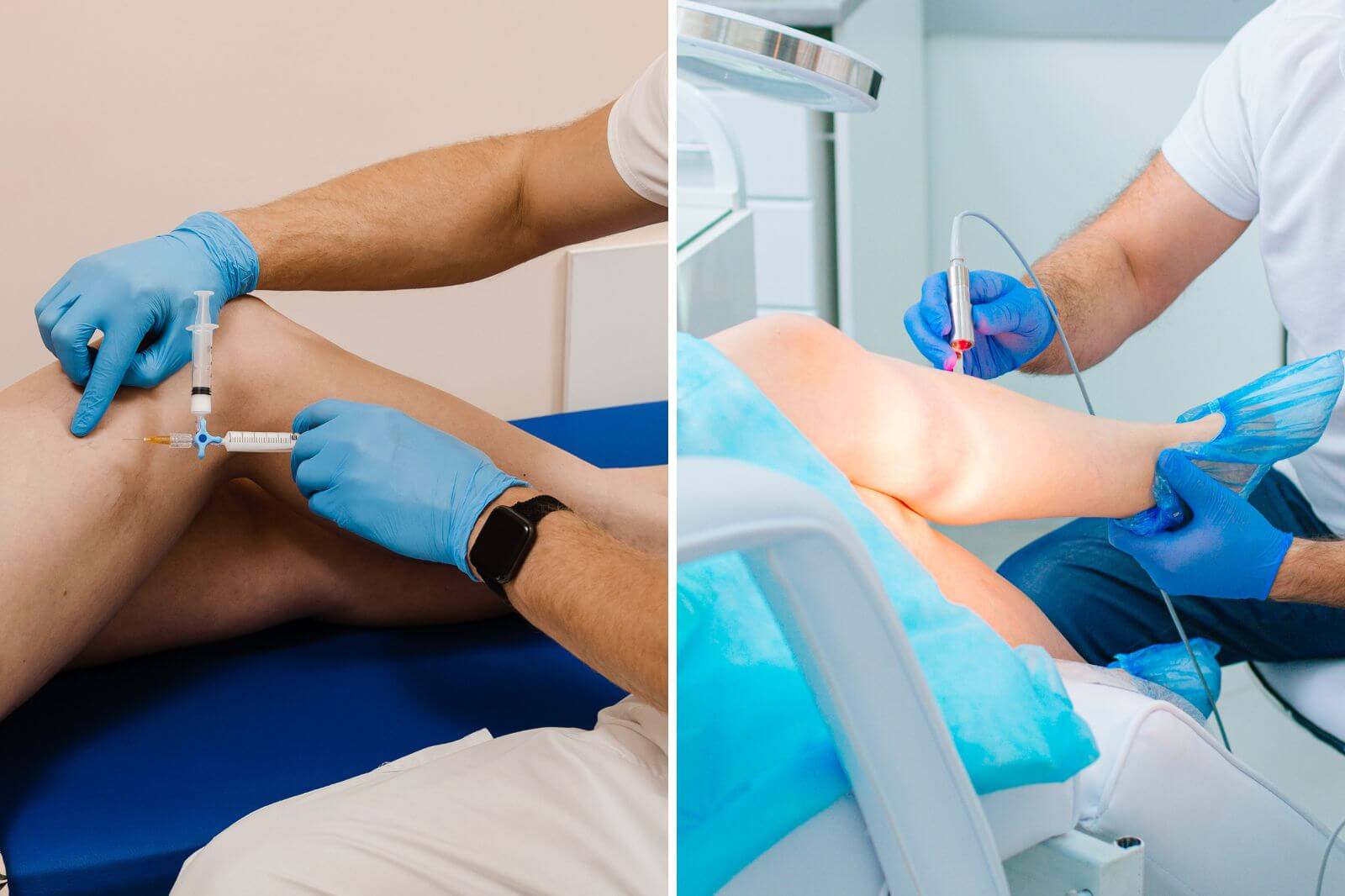
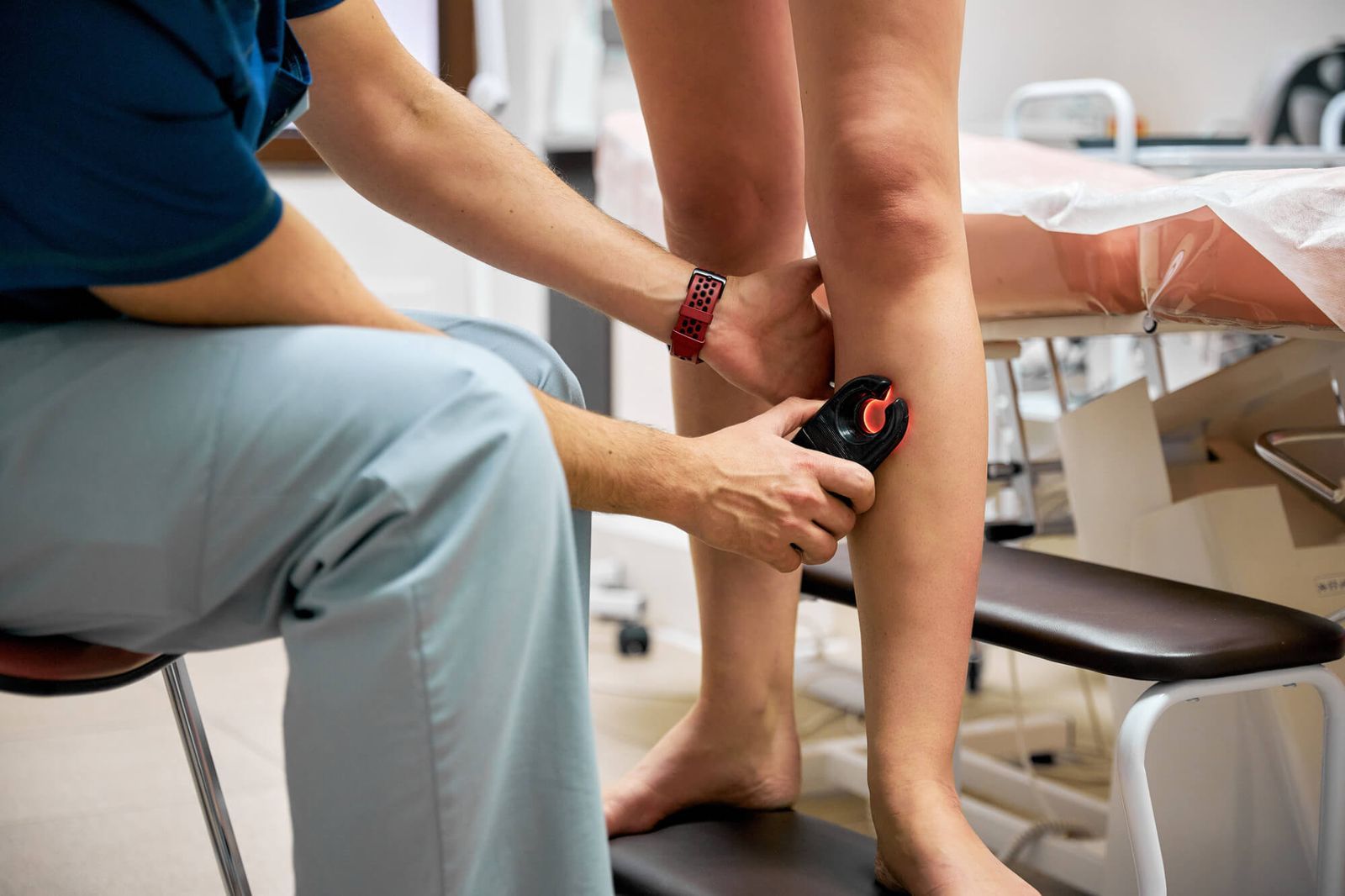
Not all visible veins are dangerous, as some may be purely cosmetic. However, changes in size, color, or associated symptoms like pain or heaviness should not be ignored. Monitoring any progression is important. A professional assessment can help determine if treatment is needed.
Are Your Leg Veins Dangerous? Signs to Watch For
Identifies the signs of dangerous veins in the legs and highlights the importance of recognizing these symptoms to ensure optimal leg health.

Key takeaways
- Recognizing the signs of dangerous veins in your legs is essential for maintaining your overall health.
- Seeking medical attention and discussing treatment options with a healthcare professional is important for managing dangerous leg veins effectively.
Table Of Contents
While the mere presence of spider veins or varicose veins may not present an immediate cause for concern, being proactive and consulting with a vein specialist is the first step in protecting your health and quality of life.
While many assume that spider veins and varicose veins are hereditary issues or merely signs of aging, it is essential to have a doctor evaluate your legs and symptoms to ensure that they are not the result of an underlying health condition.
The two most common types of veins are spider veins and varicose veins. Often, patients are concerned by the appearance and find that they are more a matter of vanity.
Spider veins
Spider veins are tiny in diameter and typically appear as reddish-blue wisps on the legs, ankles, or face. They get their name from the web-like pattern they often form. Most often, spider veins are not painful and do not cause complications; however, they may be caused by an underlying vein condition deeper in the leg.
Varicose veins
Varicose veins are much larger than spider veins and are often bulging, twisting, bluish type veins that are raised above the surface of the skin. Symptoms such as pain, cramping, swelling, or itching may be felt in the legs and ankles. Also, a sensation of heaviness or fatigue in the legs can accompany varicose veins.
Should you be experiencing any of the symptoms above, it is crucial that you seek a medical evaluation, as untreated varicose veins can lead to serious and dangerous health conditions. Some of the complications that arise from untreated varicose veins include infections, rashes, bleeding, sores, and blood clots.
Additional symptoms of concern
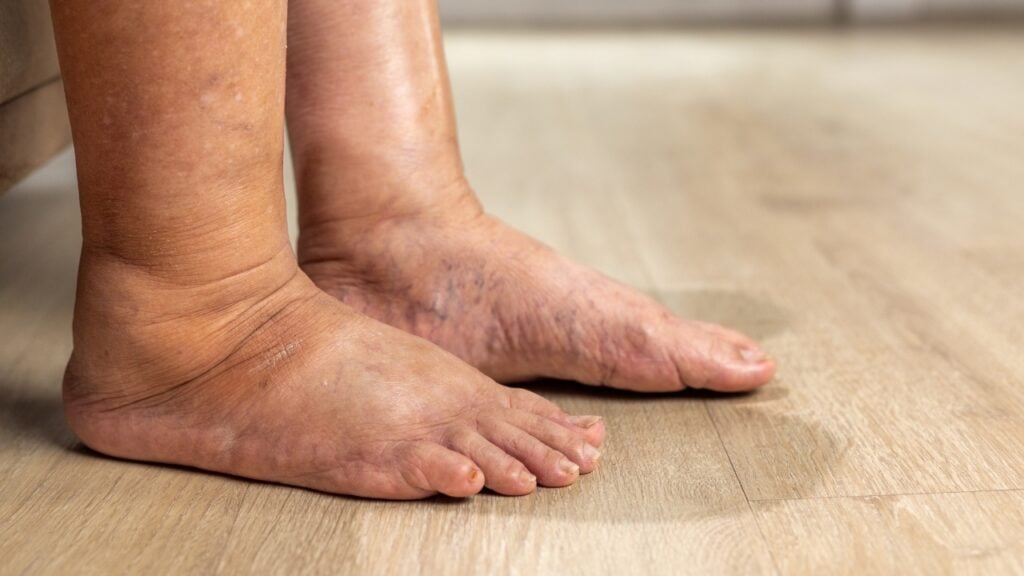
At times, varicose veins may not cause pain or discomfort. However, for some, varicose veins are incredibly uncomfortable and impact the quality of life. Additional symptoms that raise concern include:
- Aching or heavy sensation in the legs.
- Burning, cramping, and throbbing.
- Swelling in your lower legs.
- Pain that worsens after sitting or standing for extended periods.
- Itching around or near a vein.
- Skin discoloration around the location of a vein.
- Restless legs.
Risk factors
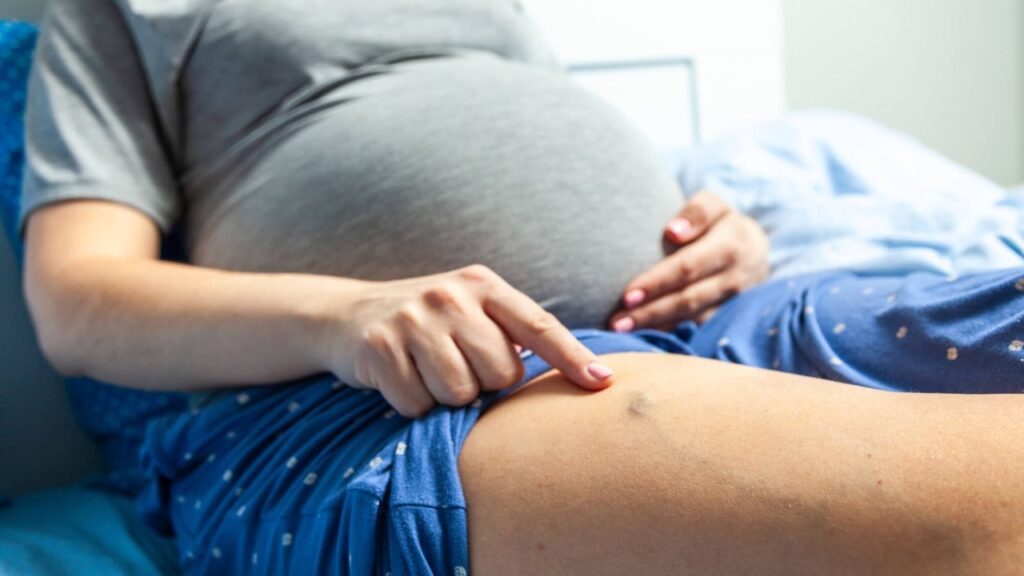
In addition to any symptoms you may be experiencing, there are several risk factors that you should be aware of that increase your risk of developing varicose veins and potential complications. If you have any of the following risk factors, along with growing signs of spider or varicose veins, consult with a physician.
- Age: The risk of developing varicose veins increases with age. Age causes more wear and tear on the valves in your veins, which are responsible
- Sex: Unfortunately, women are more likely to develop varicose veins as a result of the hormonal changes that take place during pregnancy, menstruation, or menopause. Also, hormone replacement therapy and birth control pills increase the risk of developing varicose veins.
- Pregnancy: A woman’s blood volume increases during pregnancy to support the growth of the baby. With the increase in blood volume, vein size increases to accommodate the extra blood. Also, hormonal changes may have an impact as well.
- Family history: Genetics do play a role in whether you are more likely to develop vein conditions.
- Obesity: Weight adds more significant pressure on your veins and contributes to the vein walls and valves weakening at a faster rate.
- Standing or sitting for extended periods: When you are standing or sitting for prolonged periods, your blood flow is restricted and does not flow as efficiently. It is essential to stretch and move around every hour to increase blood circulation.
Complications may arise from untreated varicose veins
When varicose veins are left untreated, some dangerous complications may arise.
Hyperpigmentation
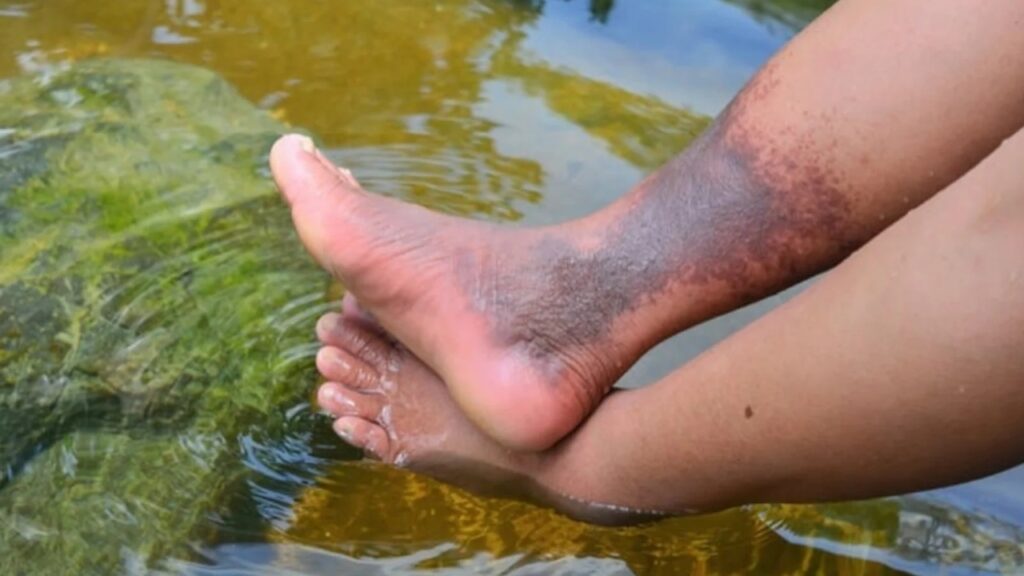
When varicose veins are left untreated, the veins leak excess blood into the tissues of the leg. As a result, you may experience pain, swelling, and inflammation that causes the skin to become dark or discolored.
Lipodermatosclerosis
When inflammation is left unchecked for long periods, the tissues become firm and thick. When this occurs, you may feel your legs becoming more tender and stiff.
Ulcers
When varicose veins progress, they may lead to the development of a condition known as Chronic Venous Insufficiency (CVI). Over time, if CVI is not evaluated and appropriately treated, it can lead to a venous leg ulcer. Ulcers occur when areas of the skin break down into an open sore.
Blood clots
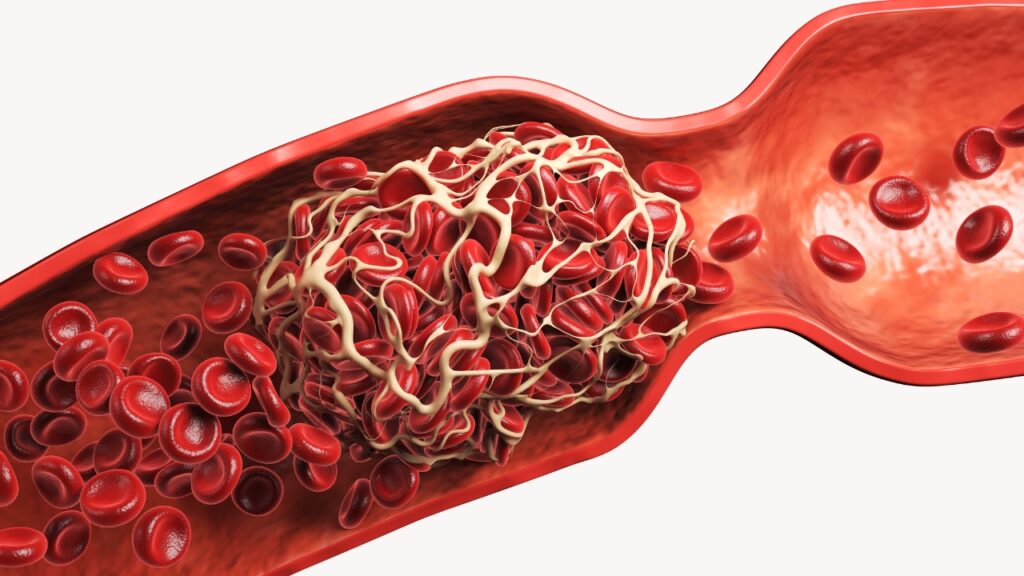
Blood clots develop when blood flow decreases and pools in the lower limbs. As a result of pooling, veins become much larger and may create painful swelling. If you notice swelling and pain that is persistent, contact a medical professional because it may be the sign of a blood clot.
Bleeding
Over time, untreated varicose veins break down the walls of the skin. When this happens, the varicose veins are brought closer to the surface of the skin. When they are resting just under the surface of the skin, a gentle scrape or scratch can cause the veins to bleed.
Superficial thrombophlebitis
As the veins weaken over time, inflammation of the veins is more common. As a result, blood flow decreases, and you may experience redness, increased tenderness, as well as pain and swelling in the legs.
Deep vein thrombosis (DVT)
DVT is the most severe and dangerous condition related to untreated varicose veins. DVT occurs when a blood clot forms deep in the leg veins. You may experience a sensation of pulling in the legs and a feeling of nerves being pinched. Often, swelling and redness will be present.
DVT can quickly become life-threatening if the blood clot travels up through the body.
Frequently asked questions
Yes, habits such as prolonged sitting, lack of exercise, and poor diet can impact vein health. These factors may contribute to poor circulation and increased pressure in the veins. Making healthier lifestyle choices can help manage symptoms.
Yes, long-term vein issues can lead to lasting skin changes such as darkening or thickening. These changes may not fully reverse without treatment. Early intervention can help prevent progression. Proper care supports better skin and vein health.
Bottom line
Understanding the signs of dangerous veins in the legs is crucial for maintaining one’s overall health and well-being. By recognizing and addressing these symptoms promptly, individuals can prevent potential complications, alleviate discomfort, and preserve the aesthetic appearance of their legs.
To ensure your vein health, it is essential to consult a trusted professional. Contact iThriveVeins today to schedule a free vein screening and take the first step towards healthier legs.
Editorial standards
All iThriveVeins content is medically reviewed by board-certified vein specialists and written following evidence-based guidelines. We source our information from peer-reviewed medical journals, clinical studies, and established medical organizations. Our editorial process ensures accuracy, objectivity, and relevance to patient needs.