If you experience persistent and bothersome symptoms of Restless Leg Syndrome that affect your daily life and quality of sleep, it is advisable to seek medical attention. A healthcare professional can evaluate your symptoms, provide a proper diagnosis, and recommend appropriate treatment options.
Symptom Guide
Restless Leg Syndrome: Causes, Symptoms, & Treatment Options
Do you have restless leg syndrome? Learn its causes, symptoms, and treatment options to relieve discomfort and improve your sleep quality effectively today!


Key takeaways
- Restless Leg Syndrome (RLS) is a neurological disorder characterized by an uncontrollable urge to move the legs, usually accompanied by uncomfortable sensations.
- RLS can have a significant impact on daily life, causing sleep disturbances, impaired concentration, physical discomfort, emotional distress, and reduced physical activity.
- Vein disease, such as chronic venous insufficiency, can contribute to the development or worsening of RLS symptoms.
- Treatment options for managing RLS include lifestyle changes, medications, iron supplements, compression stockings, alternative therapies, and minimally invasive procedures.
- If you are experiencing persistent and bothersome RLS symptoms, it is recommended to seek medical advice for an appropriate diagnosis and treatment.
Table Of Contents
What is restless legs syndrome?
Restless Legs Syndrome (RLS), also known as Willis-Ekbom disease, is a neurological disorder characterized by an irresistible urge to move the legs, often accompanied by uncomfortable sensations such as itching, tingling, and burning sensations. These uncomfortable sensations typically worsen during periods of rest or inactivity, leading to difficulty in falling asleep or staying asleep.
How common is restless legs syndrome?
According to a study published in the Journal of the National Institute of Neurological Disorders and Stroke, restless legs syndrome (RLS) is a common neurological disorder that affects approximately 7-10% of the American population. RLS is more common in women than in men and usually starts during middle age. RLS symptoms typically become more frequent and last longer with age. However, it can occur at any age, and people with RLS often have a family history of having the condition.
Although restless legs syndrome (RLS) is a relatively common disorder, it is often underdiagnosed. Restless leg symptoms can vary considerably from person to person, making them difficult to recognize. Moreover, many people with mild symptoms may not seek medical help. As a result, the true prevalence of RLS is likely even higher than current estimates.
Impact of restless leg syndrome on daily life

Restless Leg Syndrome (RLS) can have a significant impact on your daily life. The constant urge to move your legs, especially during periods of inactivity or at night, can disrupt your sleep and make it difficult to relax. This lack of quality sleep can lead to daytime fatigue, decreased concentration, and irritability. RLS can also interfere with your social life, as it may be challenging to sit for extended periods or participate in activities that require stillness. Additionally, the discomfort and restlessness caused by RLS can affect your overall mood and emotional well-being.
It is important for you to seek medical attention if you develop restless legs syndrome for an accurate diagnosis and effective management of this condition.
What is the leading cause of restless leg syndrome?
There are two types of restless leg syndrome, primary and secondary. Primary restless legs syndrome, also known as idiopathic RLS, is the most common form. It typically starts in adulthood and tends to have a genetic component. Primary RLS is believed to be caused by an imbalance of dopamine, a chemical messenger in the brain that helps regulate movement. While secondary restless legs syndrome is less common and occurs as a result of underlying medical conditions. Numerous conditions can trigger secondary RLS, including:
- Diabetes mellitus
- Iron deficiency
- Pregnancy
- Parkinson’s disease
- Kidney failure
- Venous disease
- Folate or magnesium deficiency
- Amyloidosis
- Lumbosacral radiculopathy
- Fibromyalgia
- Certain medications
How can vein disease contribute to restless leg syndrome?

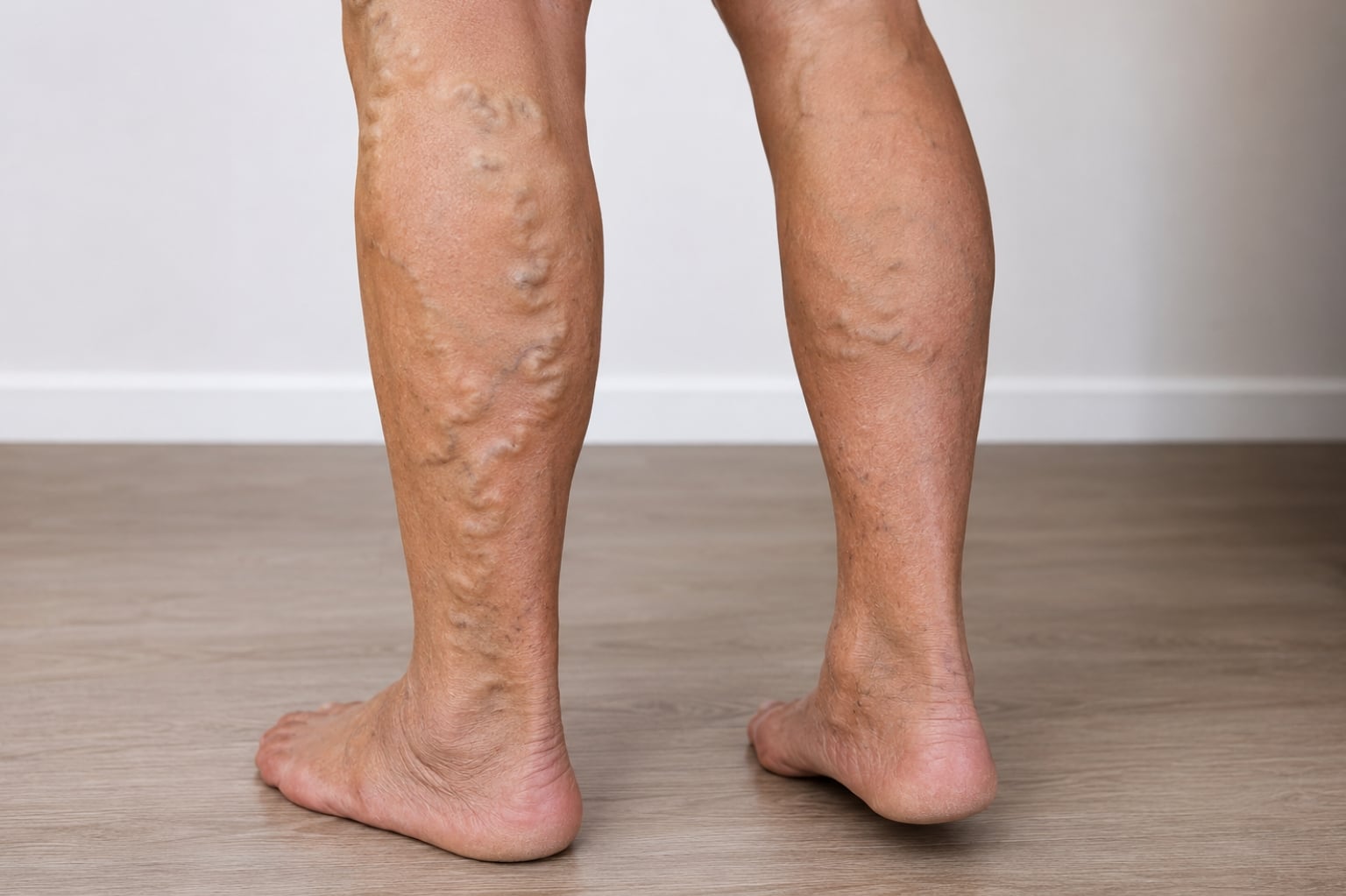
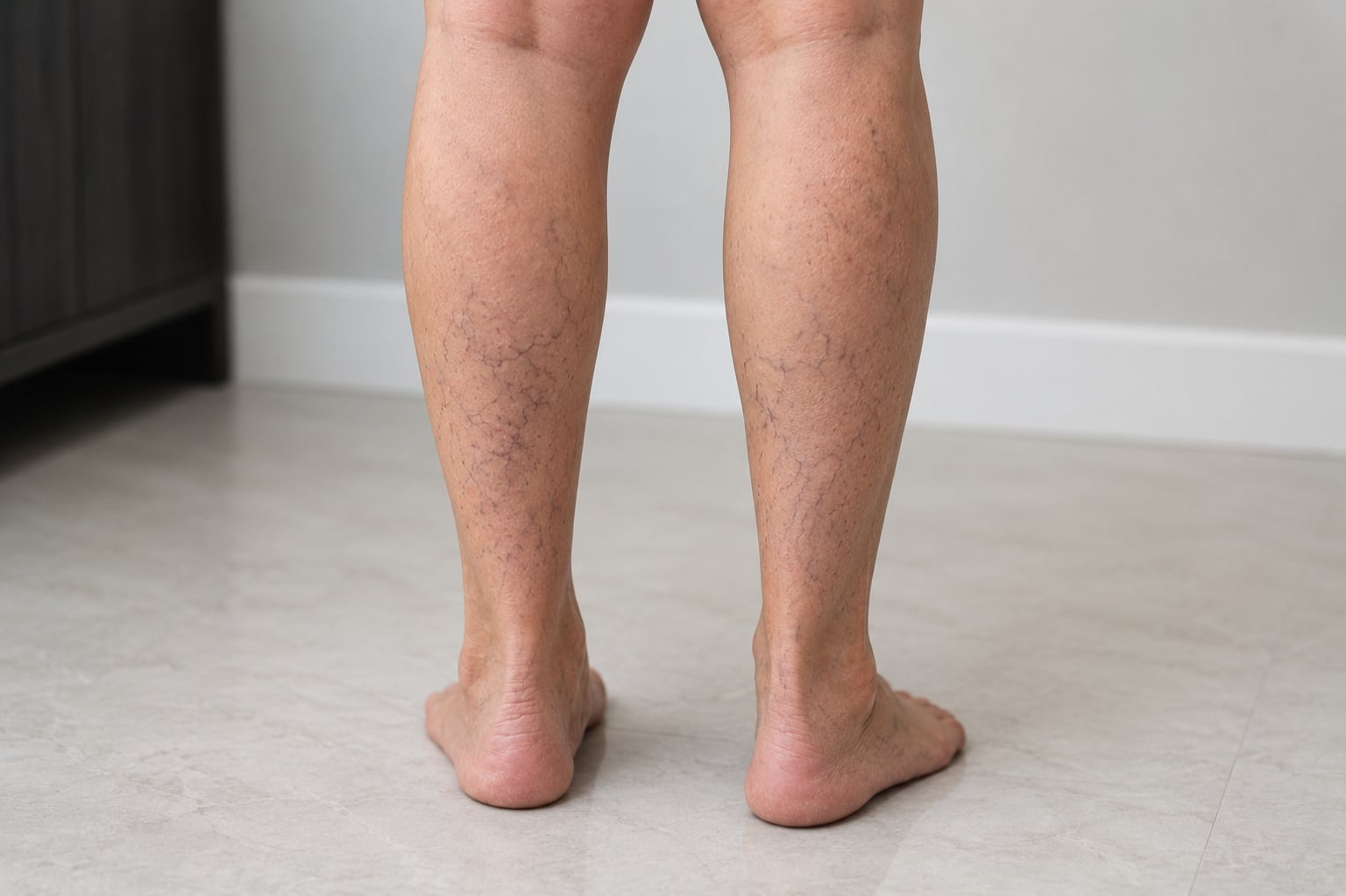
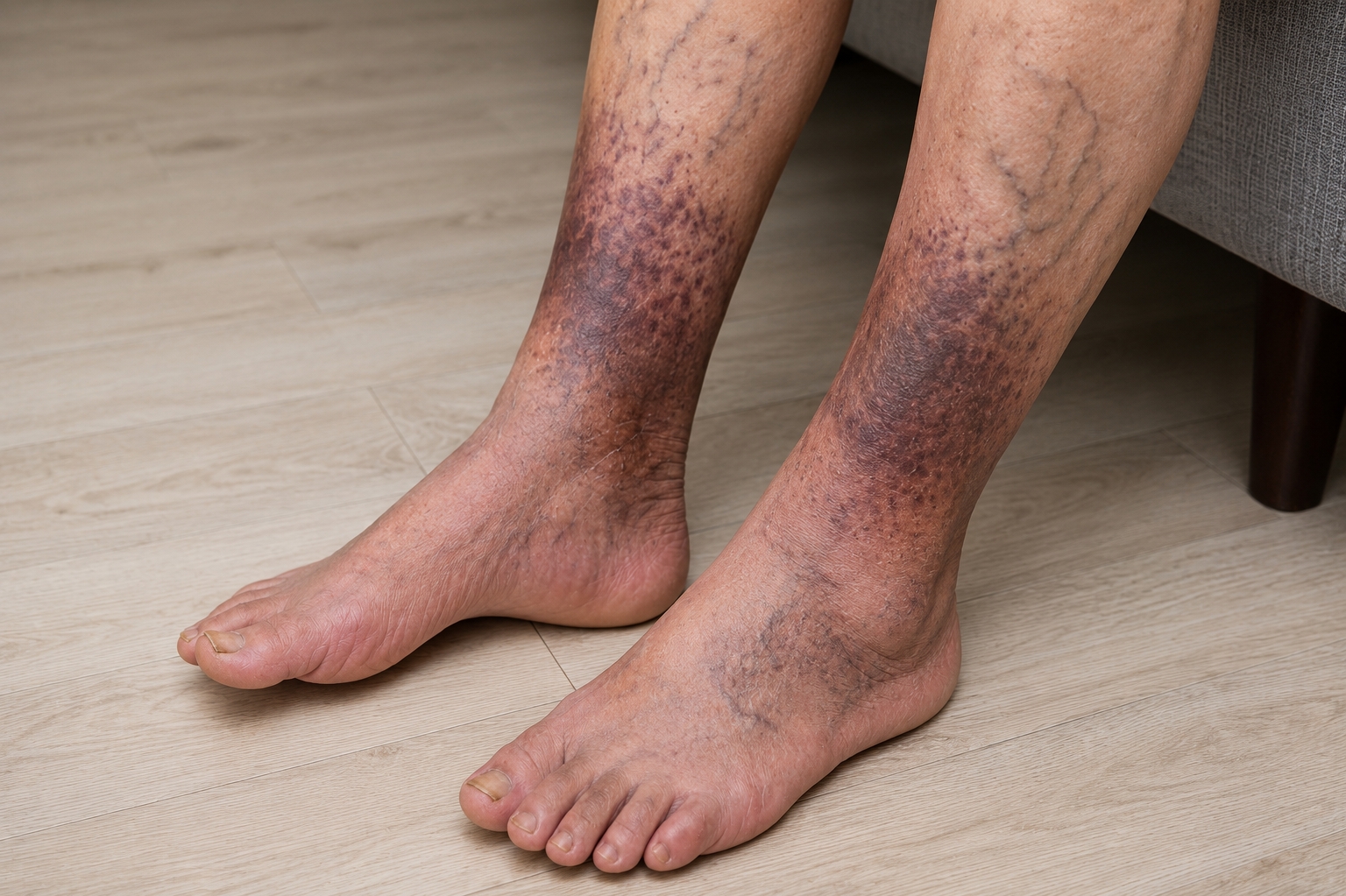
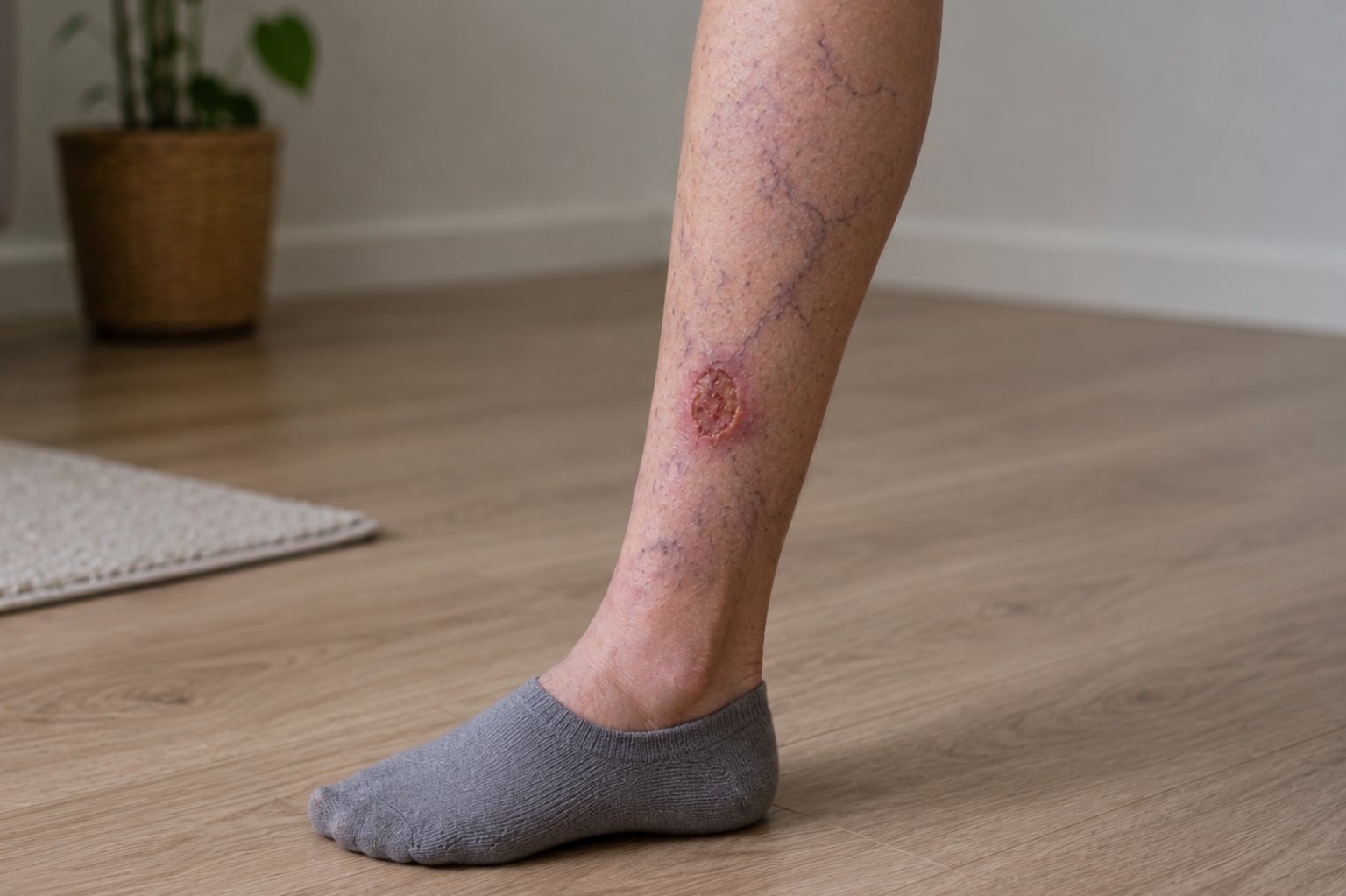
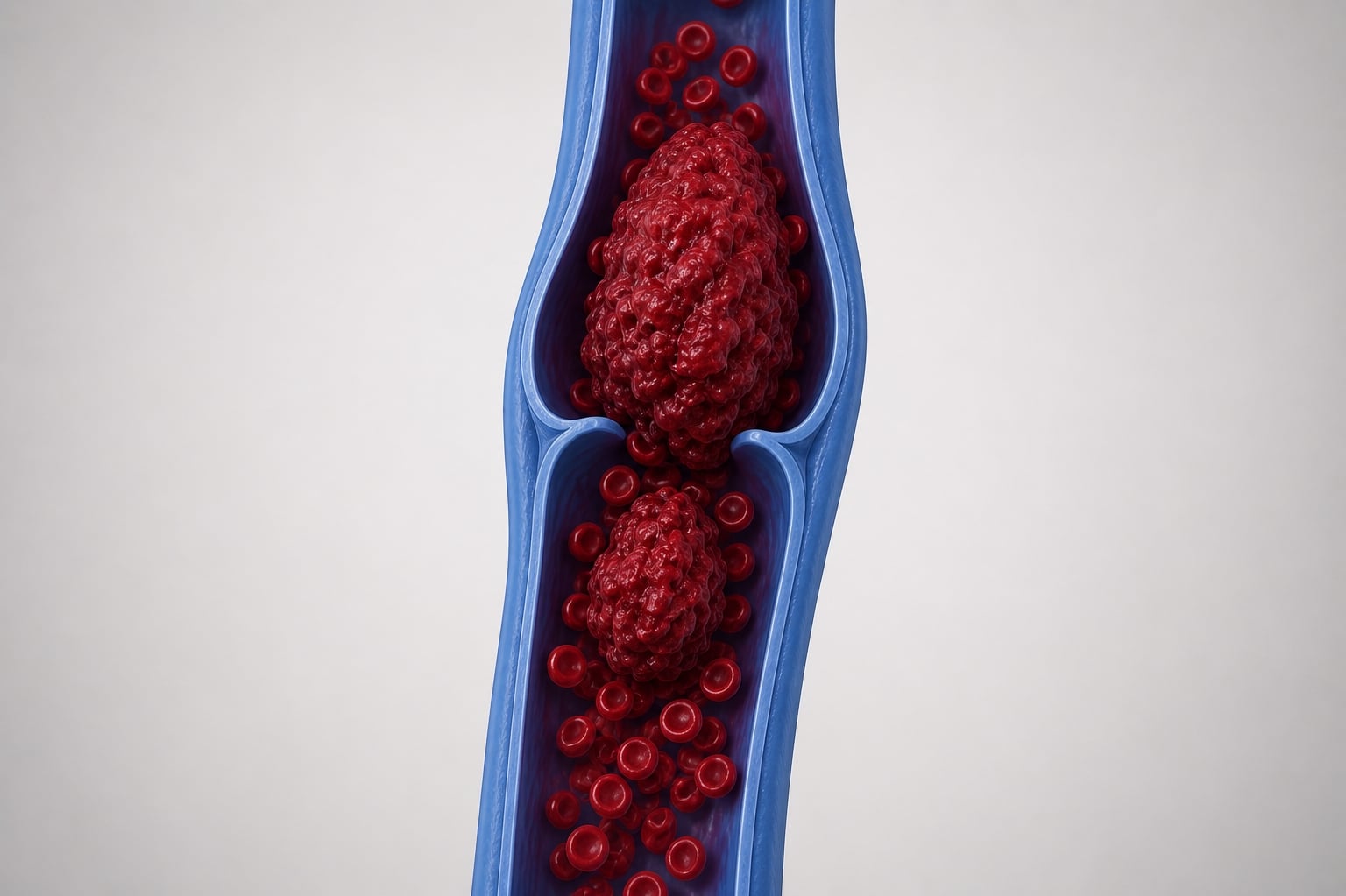
Vein diseases, such as varicose veins, can contribute to the development or worsening of restless leg syndrome symptoms. Veins carry deoxygenated blood back to the heart, relying on one-way valves to prevent blood from flowing backward. When these valves become weak or damaged, blood can pool in the legs, leading to increased pressure and discomfort. This venous insufficiency can trigger or exacerbate RLS symptoms.
A journal published by Pubmed NCBI revealed that 63 patients suffering from restless leg syndrome were found to be suffering from chronic venous disorder (CVD).
Symptoms of restless legs syndrome
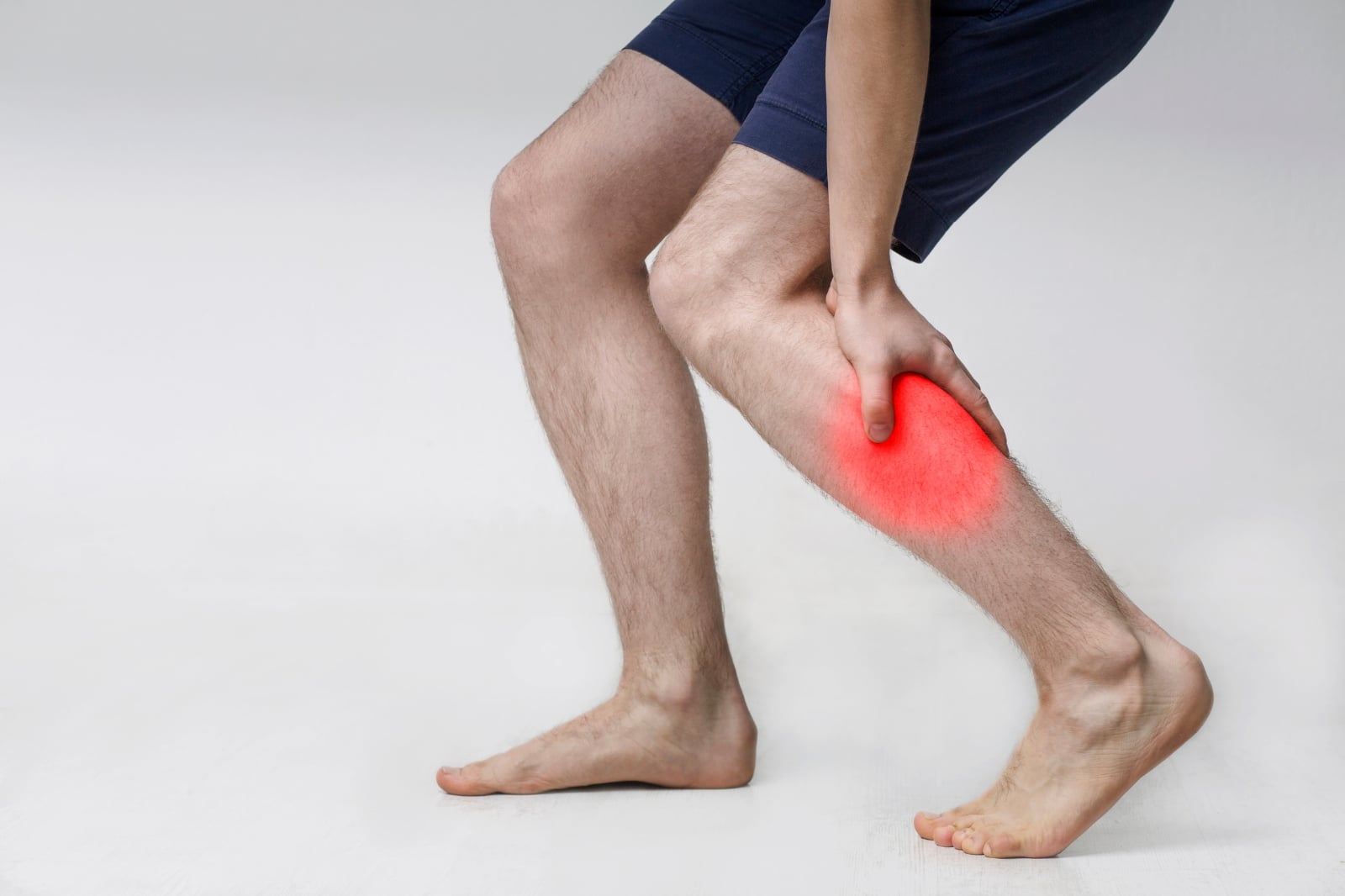
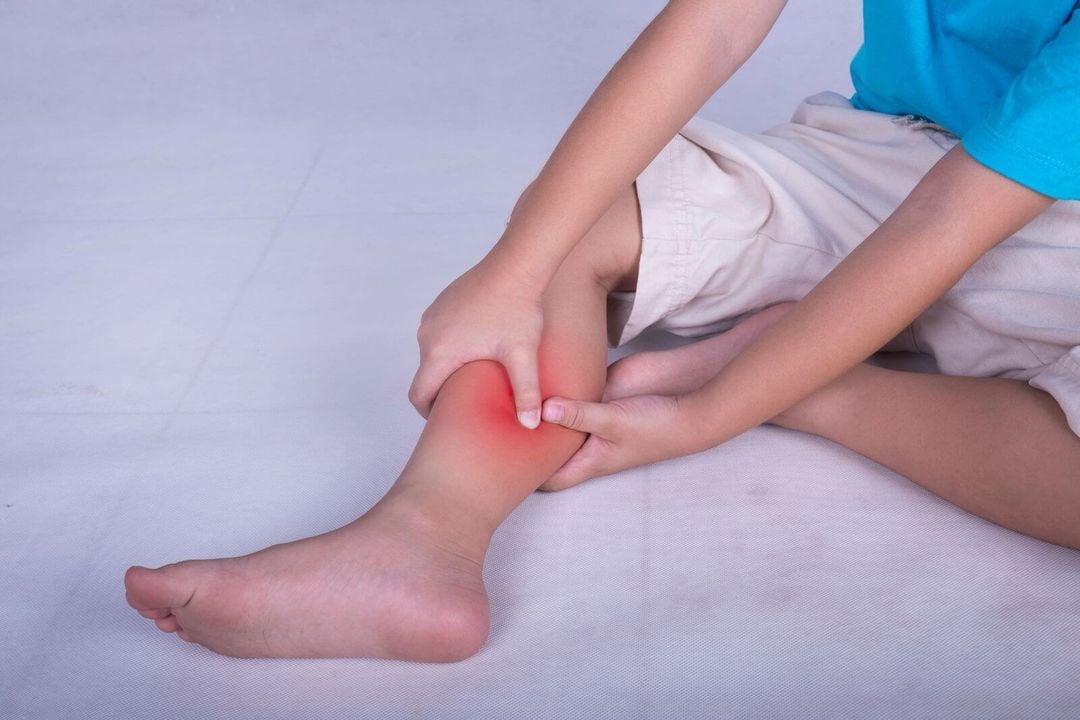
Restless leg syndrome is characterized by several symptoms that can significantly impact your quality of life. These symptoms include an irresistible urge to move your legs, typically accompanied by uncomfortable sensations such as burning, itching, pain, and palpitations. These symptoms are often worse in the evening and at night, making it difficult for you to fall asleep and maintain restful sleep.
What causes restless legs syndrome to get worse?
There are a number of possible factors that could contribute to restless leg syndrome (RLS) becoming worse over time. These several factors include:
- Age
- Lack of sleep
- Stress and anxiety
- Certain medications
- Alcohol and caffeine
- Iron deficiency
- Pregnancy
- Chronic diseases
- Inactivity or prolonged sitting
It’s important to note that everyone’s experience with RLS is unique, and triggers may vary from person to person. Identifying and avoiding these triggers can help individuals manage and minimize the worsening of RLS symptoms. Consulting with a healthcare professional is recommended for a proper diagnosis and personalized treatment plan.
How to diagnose restless legs syndrome?

Diagnosing RLS can be challenging as its symptoms are subjective and can vary in intensity. However, there are certain criteria and diagnostic tests that can help in identifying the condition. Here are the key steps involved in diagnosing RLS:
- Medical history: Your doctor will begin by asking about your symptoms, their frequency, duration, and any factors that may worsen or alleviate them. They will also inquire about your medical history, including any underlying conditions or medications that could contribute to RLS symptoms.
- Physical examination: A thorough physical examination will be conducted to rule out other potential causes of your symptoms. This may involve checking for signs of nerve damage, circulation problems, or muscle disorders.
- Diagnostic criteria: RLS is typically diagnosed based on specific criteria established by the International Restless Legs Syndrome Study Group. These criteria include a strong urge to move the legs, worsened by rest or inactivity, and relieved by movement.
- Sleep assessment: RLS often disrupts sleep, so your doctor may inquire about your sleep patterns and any associated difficulties. They may also recommend a sleep study (polysomnography) to assess your sleep quality and rule out other sleep disorders that could contribute to your symptoms.
- Blood tests: Although there is no specific blood test to diagnose RLS, your doctor may order blood tests to check for iron deficiency, kidney function, or other conditions that may contribute to RLS symptoms.
It is important to remember that self-diagnosis is not recommended, as RLS shares symptoms with other conditions. Seeking professional medical advice is crucial for an accurate diagnosis and appropriate treatment.
Treatment options for restless leg syndrome
If you’re dealing with RLS, finding the right treatment approach is crucial to managing your symptoms and improving your quality of life. Here are several options to consider:
Lifestyle changes

Making certain changes in your daily routine can significantly improve your RLS symptoms. Consider the following lifestyle modifications:
- Regular exercise: Engaging in regular physical activity, such as walking, swimming, or cycling, can help relieve symptoms and improve your overall well-being.
- Avoiding triggers: Identifying and avoiding triggers like caffeine, alcohol, and nicotine can minimize the frequency and intensity of your restless leg sensations.
- Establishing a sleep routine: Maintaining a consistent sleep schedule and creating a relaxing bedtime routine can help improve sleep quality and reduce RLS symptoms.
Medications
In severe cases of RLS, your doctor may recommend medication to manage your symptoms. Commonly prescribed medications include:
- Dopamine agonists
- Anticonvulsants
- Opioids
Iron supplements
Iron deficiency is often linked to RLS. If blood tests reveal low iron levels, your doctor may recommend iron supplements to alleviate symptoms. However, it’s essential to consult your healthcare provider before starting any supplementation, as excessive iron levels can be harmful.
Compression stockings
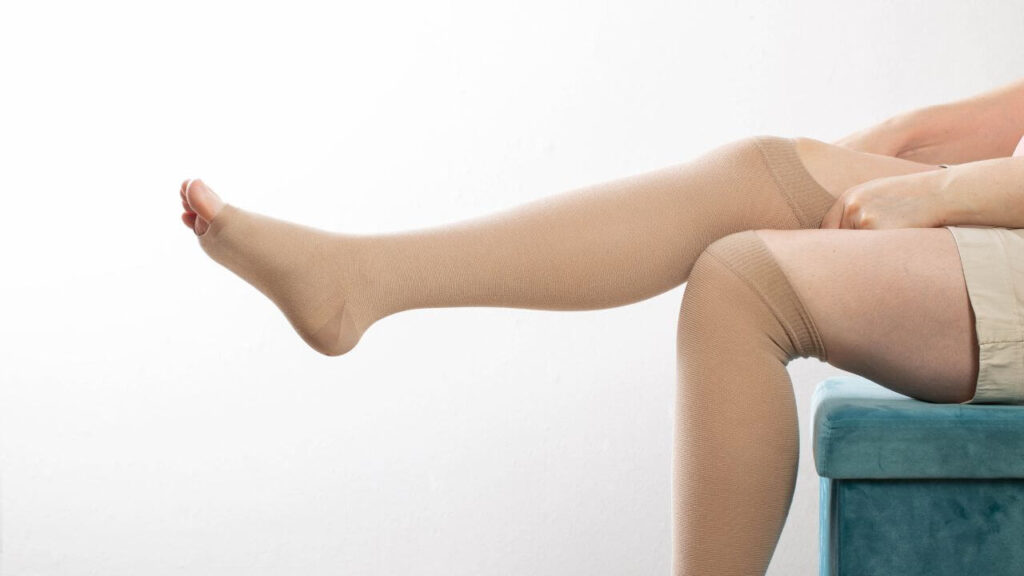
Wearing compression stockings or wraps can help improve blood circulation and reduce uncomfortable sensations in your legs. These specially designed garments apply pressure to your lower limbs, alleviating symptoms and promoting relaxation.
Alternative therapies
Several alternative therapies may provide relief for RLS. While more research is needed to establish their effectiveness, some individuals have reported positive outcomes with:
- Massage therapy
- Acupuncture
- Heat or cold therapy
Minimally invasive procedures
In cases where vein disease is contributing to RLS, minimally invasive procedures may be recommended. These procedures include:
- Sclerotherapy: Sclerotherapy, a medical procedure used to treat vein diseases like spider veins and small varicose veins, has shown promising results in reducing symptoms of restless leg syndrome (RLS). According to a study conducted on 113 patients who underwent sclerotherapy, an overwhelming majority of 98% reported a significant decrease in their RLS symptoms
- Endovenous laser ablation (EVLA): Based on a comprehensive research study, it has been revealed that an impressive 80% of patients with moderate to very severe restless leg syndrome (RLS) witnessed a remarkable decrease in their symptoms following the successful implementation of the innovative treatment known as Endovenous Laser Ablation (EVLA).
- Radiofrequency ablation (RFA): Radiofrequency ablation (RFA) has proven to be a highly effective treatment for reducing Restless Leg Syndrome (RLS) symptoms, as demonstrated in a recent study. In fact, the study found that RFA successfully alleviated severe RLS symptoms in the majority of participants.
Frequently asked questions
While restless leg syndrome and varicose veins may coexist in some individuals, they are separate conditions. However, vein disease, including chronic venous insufficiency, can contribute to the development or worsening of RLS symptoms. Treating the underlying vein disease can often provide relief from RLS symptoms.
Restless leg syndrome is a chronic condition that tends to persist over time. However, symptoms can vary in severity and may improve with appropriate management strategies.
Bottom line
Restless leg syndrome (RLS) is a neurological disorder that causes an irresistible urge to move the legs, which can have a significant impact on daily life. This condition can be aggravated by vein disease. Managing vein disease through appropriate treatment and lifestyle changes can help alleviate RLS symptoms and improve overall quality of life.
- PubMed Central. 2019. Treatment of Leg Veins for Restless Leg Syndrome.
- PubMed. 2008. The effect of endovenous laser ablation on restless legs syndrome.
- PubMed. 1995. The effect of sclerotherapy on restless legs syndrome.
- PubMed. 2007. Restless legs syndrome in patients with chronic venous disorders.
- PubMed. 1999. How to help patients with restless legs syndrome.
- National Institutes of Health. 2023. Restless Legs Syndrome.
- National Institute of Neurological Disorders and Stroke. 2026. Restless Legs Syndrome.
Editorial standards
All iThriveVeins content is medically reviewed by board-certified vein specialists and written following evidence-based guidelines. We source our information from peer-reviewed medical journals, clinical studies, and established medical organizations. Our editorial process ensures accuracy, objectivity, and relevance to patient needs.