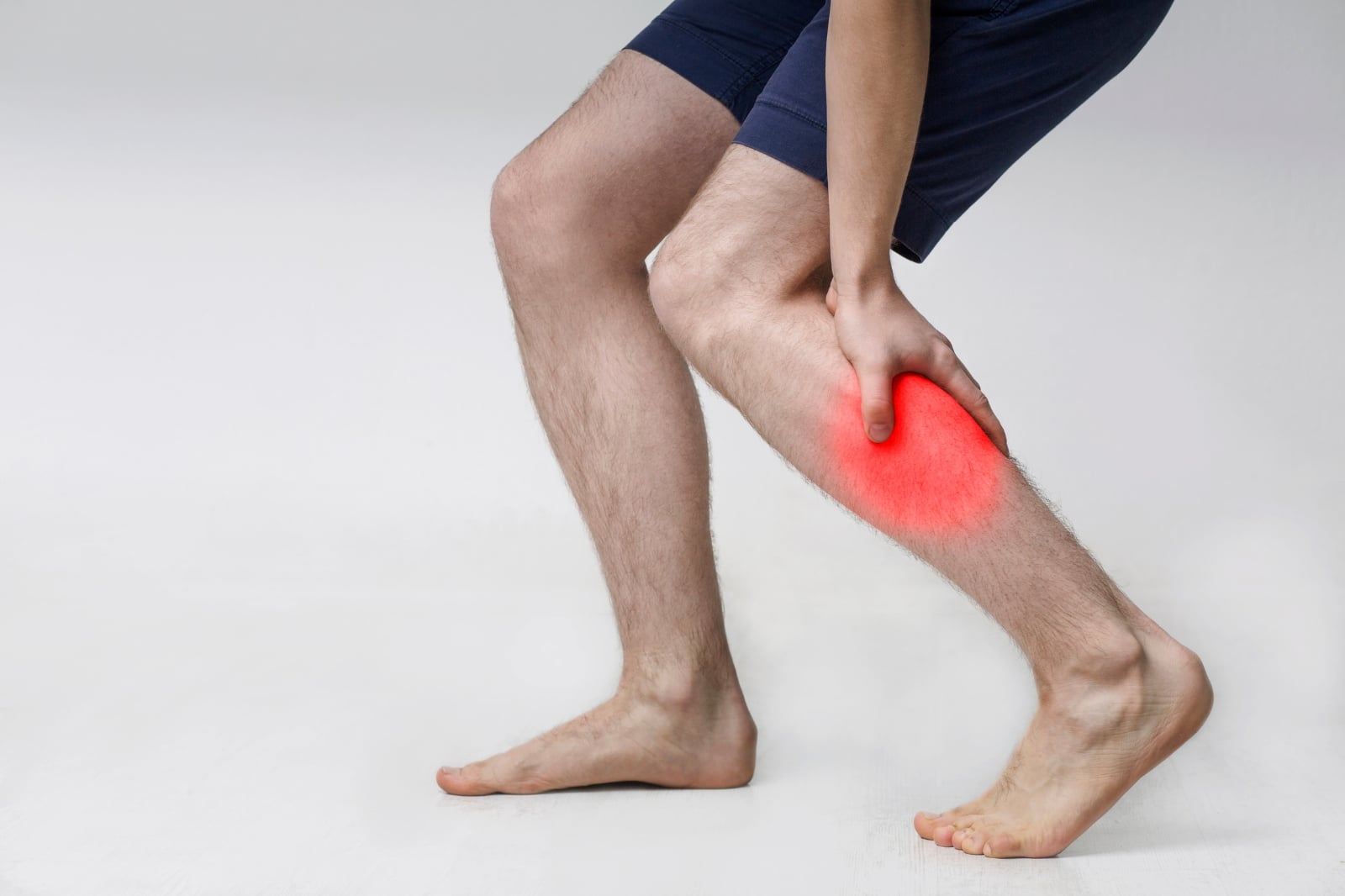
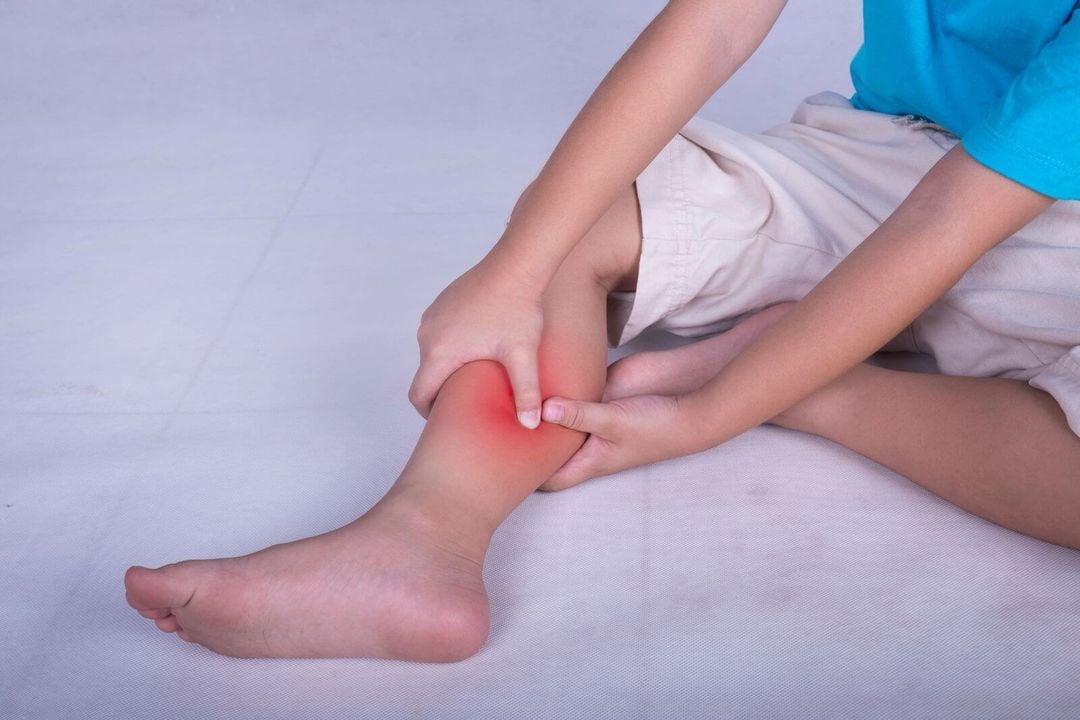
Leg pain can range from mild to severe and may result from various causes, including muscle strain, joint issues, or underlying vein conditions.
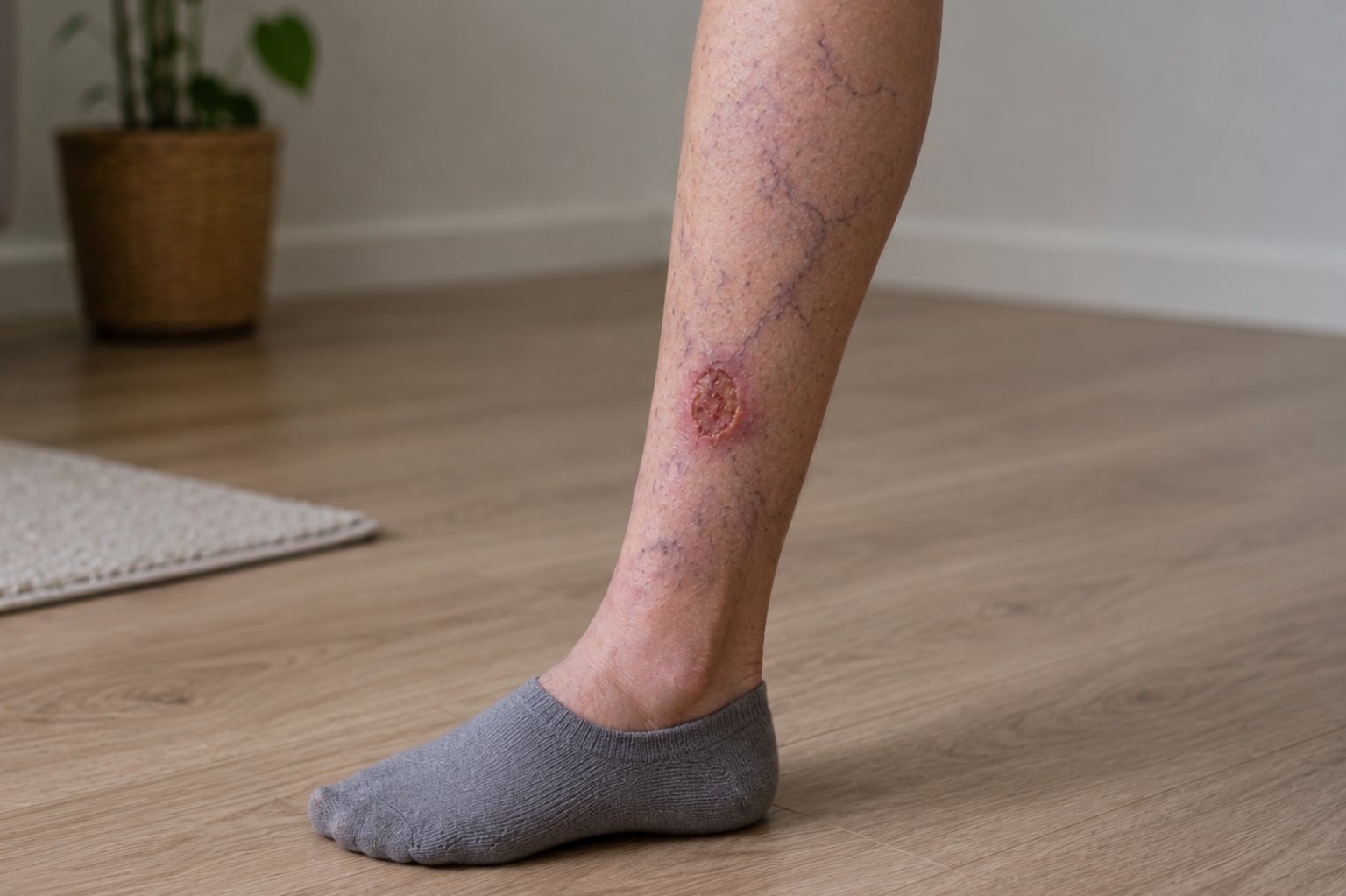
Chronic venous insufficiency (CVI) is a common vascular cause of leg pain, often leading to swelling, heaviness, and discomfort after prolonged standing.
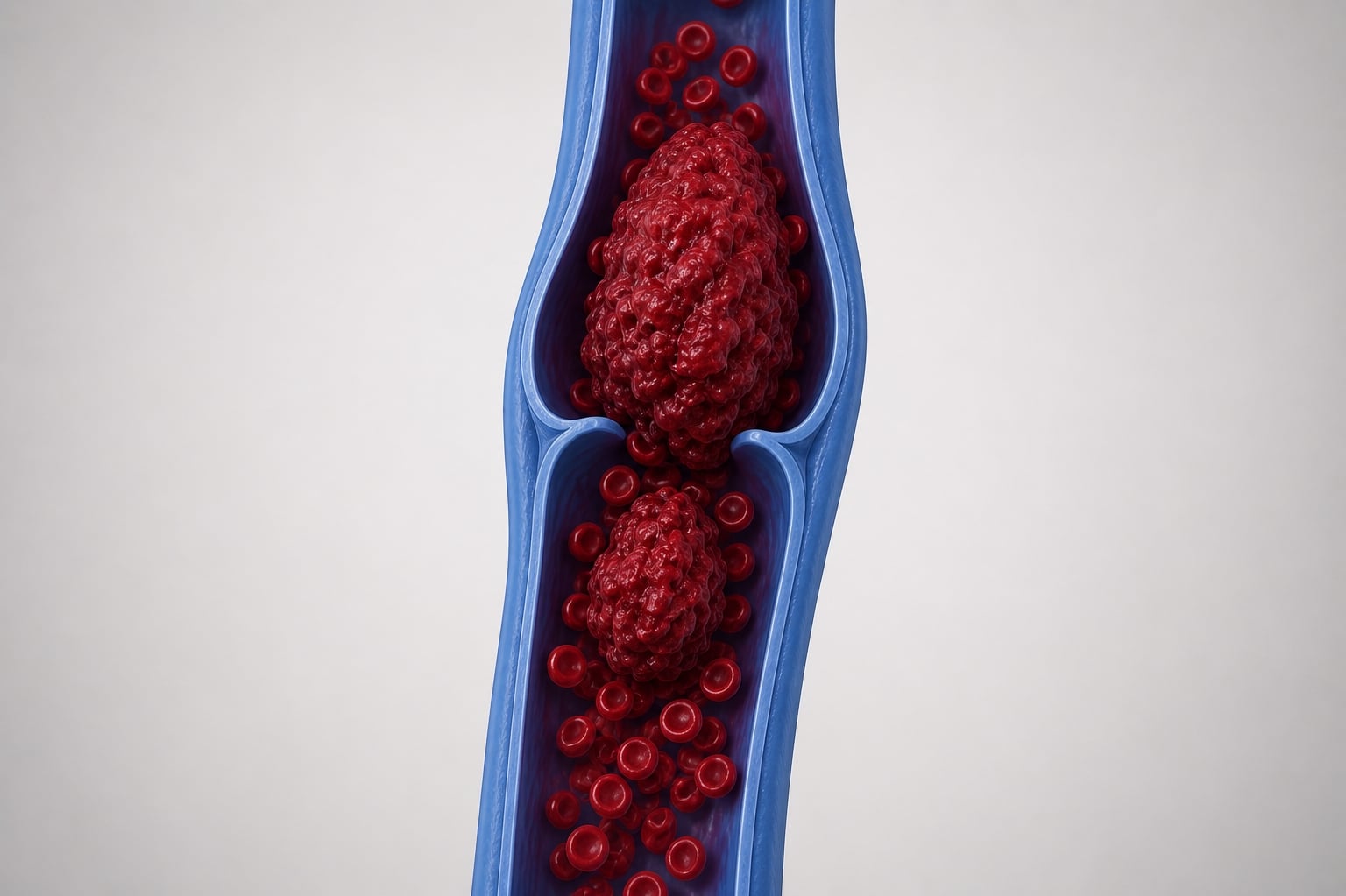
Other medical conditions, such as arthritis, nerve damage, blood clots, and peripheral arterial disease (PAD), can also contribute to leg pain.
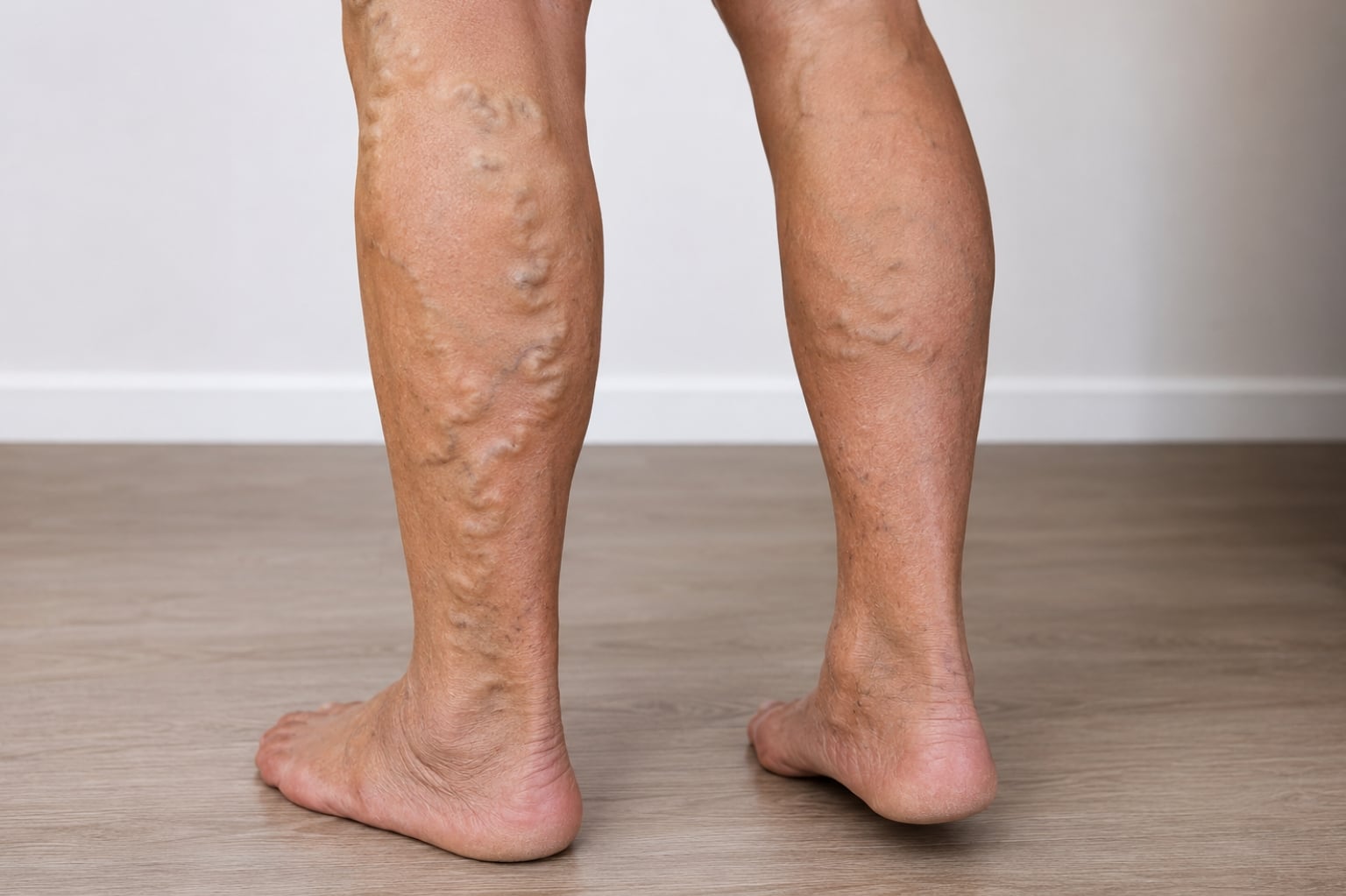
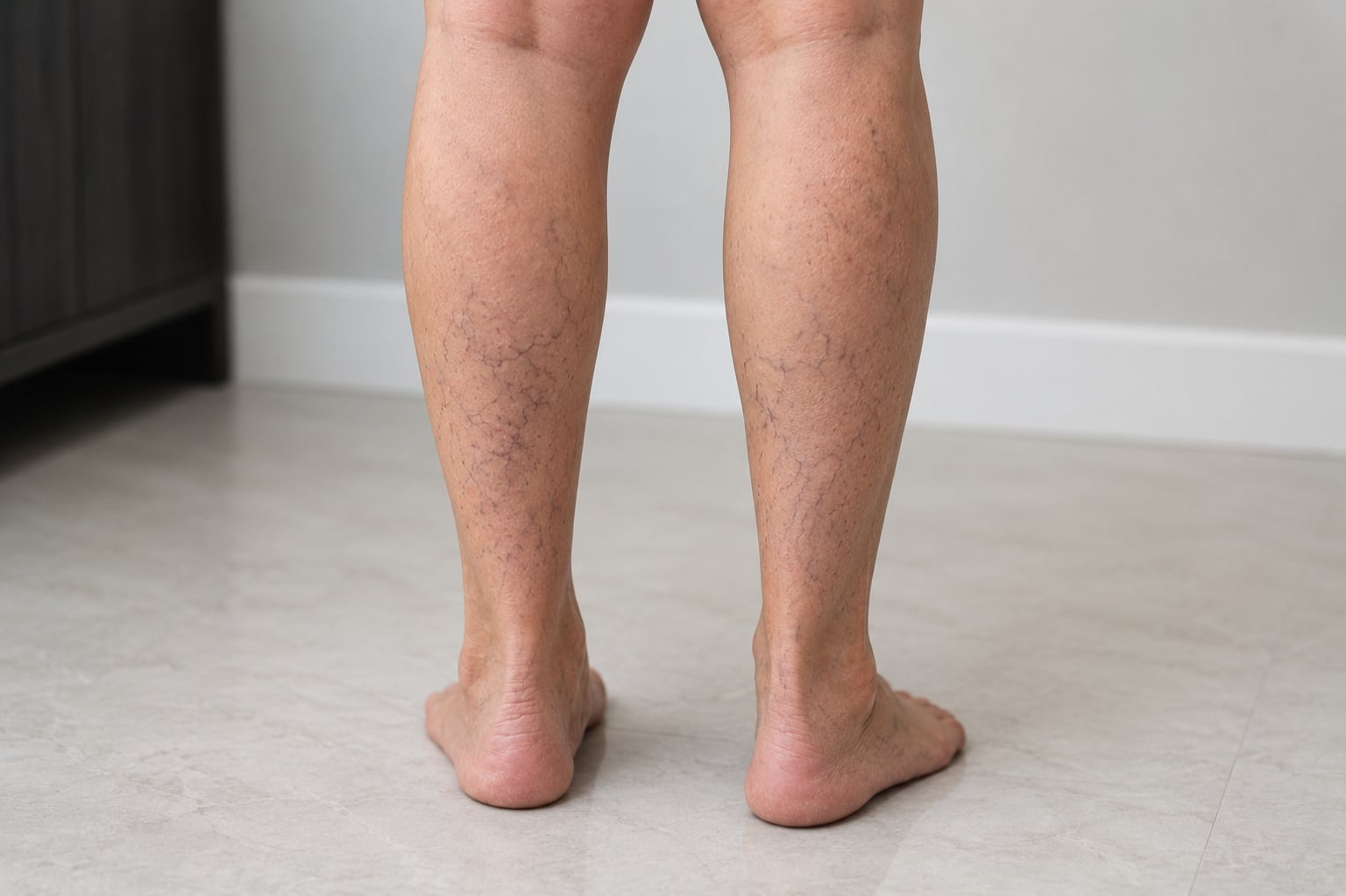
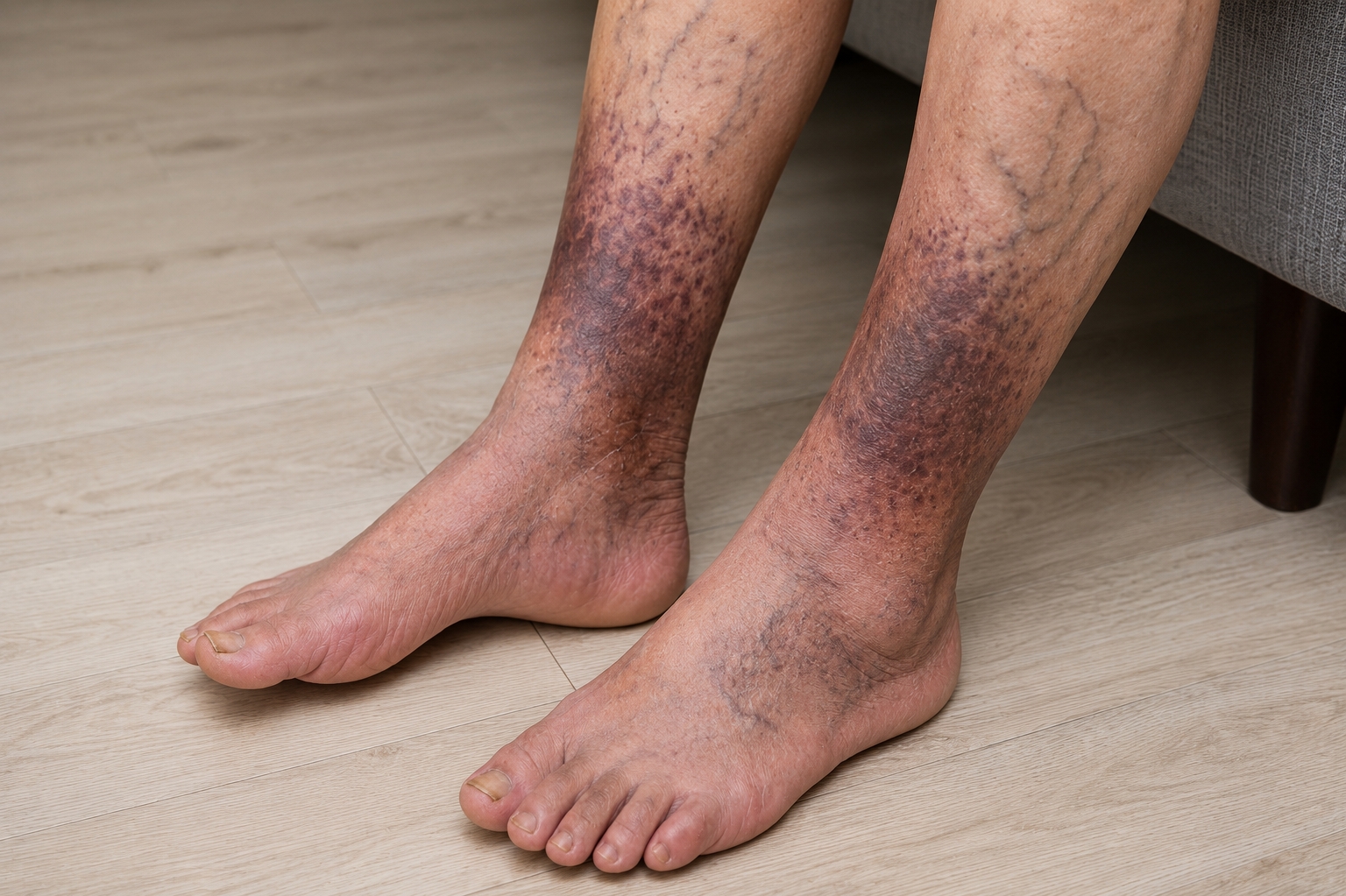
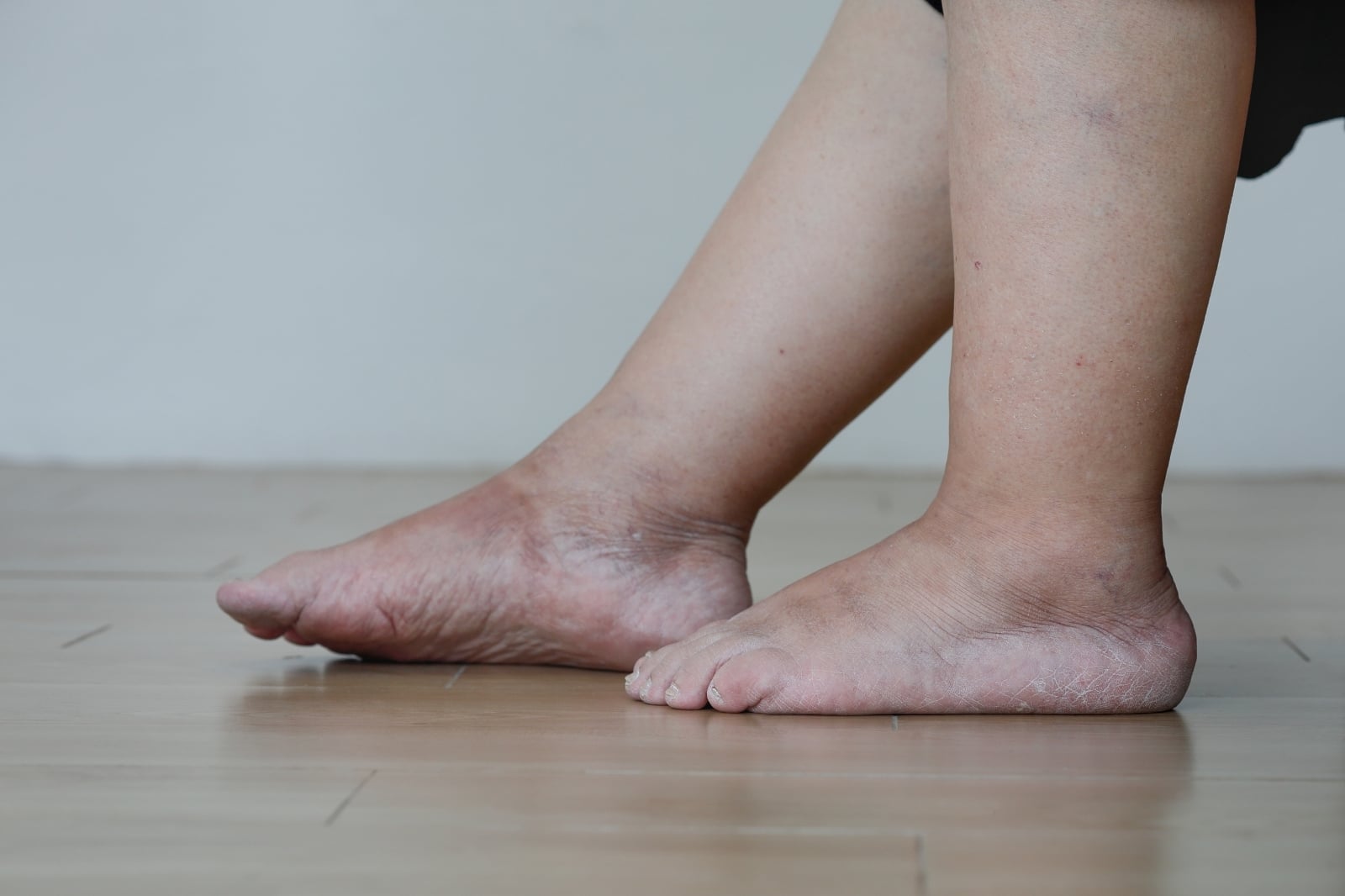
Identifying symptoms like swelling, varicose veins, skin discoloration, and leg fatigue can help determine if vein disease is involved.
Treatment options vary from conservative approaches like exercise, leg elevation, and compression stockings to advanced procedures for more severe cases.
Table Of Contents
Leg pain can stem from various factors, ranging from an active lifestyle to aging and potentially severe health concerns like vein disorders. Knowledge about leg pain’s causes, symptoms, and appropriate treatments is critical for well-being. Causes can be as minor as a muscle sprain or as severe as chronic venous insufficiency (CVI), which we can diagnose and treat at our facility.
Manifestations of leg pain
Leg pain can present itself in myriad ways, depending on its source. It may manifest as:
Consistent or intermittent: The pain could be a constant throbbing or come and go unexpectedly.
Localized or widespread: The pain could be concentrated in a specific area or spread across a larger leg area.
Shooting or radiating: Sometimes, the pain may be sudden and sharp or slowly radiate to other areas.
Mild or severe: The intensity of the pain could range from a mild annoyance to a debilitating discomfort.
Impacts on daily life
Leg pain doesn’t just hurt. It may significantly impact a person’s quality of life, interfering with daily activities and hampering overall well-being. Here’s how:
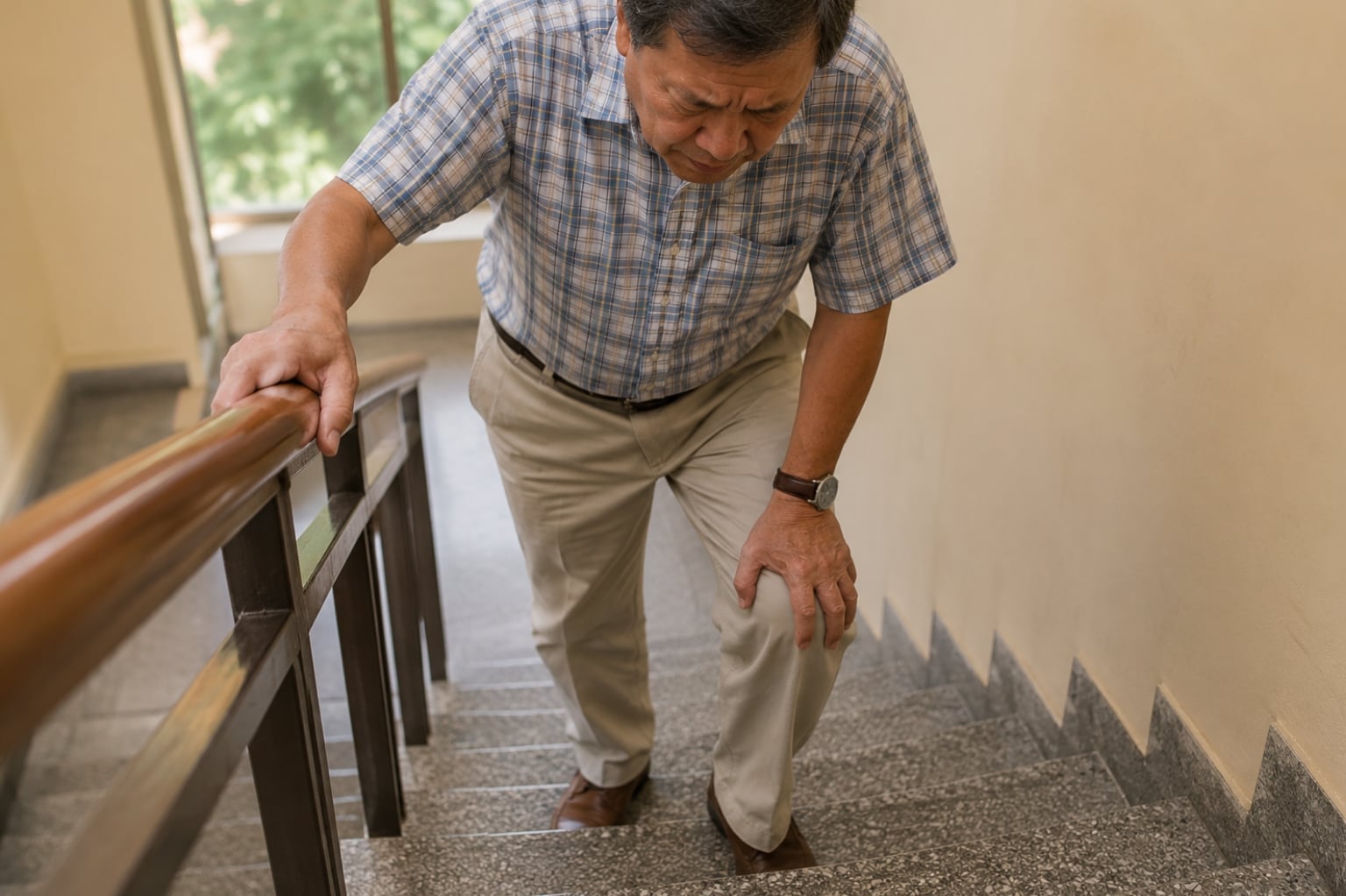
Mobility: Leg pain can make standing or walking difficult, limiting overall mobility.
Sleep: The constant discomfort can significantly affect your sleep patterns, leading to further health complications.
Daily routine: Activities such as climbing stairs or grocery shopping can become challenging.
Mental health: The chronic discomfort and limitation on activities can lead to feelings of frustration or depression.
What are the most common causes of leg pain?
Leg pain can result from various underlying causes, each with its own unique set of characteristics. Understanding the cause of your pain is the first step towards finding an effective treatment and managing your symptoms better.
Arthritis
Arthritis, specifically osteoarthritis and rheumatoid arthritis, often contributes to leg pain. Arthritis leads to inflammation and swelling of the joints, which can cause significant discomfort in the knees, ankles, and hips.
Chronic venous insufficiency (CVI)
Chronic Venous Insufficiency (CVI), a condition characterized by poor blood flow to the legs, often results in leg pain. It can lead to swelling, varicose veins, and pain that worsens with prolonged standing or sitting.
Bone conditions
Various bone conditions, such as fractures, bone tumors, or osteoporosis, can lead to leg pain. For instance, a break in the bone or a disease eating away at bone density can cause significant discomfort.
Injury
Injury from falls, accidents, or sports activities could bring about leg pain. Examples include sprained ankles, pulled muscles, and torn ligaments.
Nerve damage
Nerve damage, often brought on by conditions like sciatica or peripheral neuropathy, can lead to sharp, shooting, or burning leg pain.
Peripheral arterial disease (PAD)
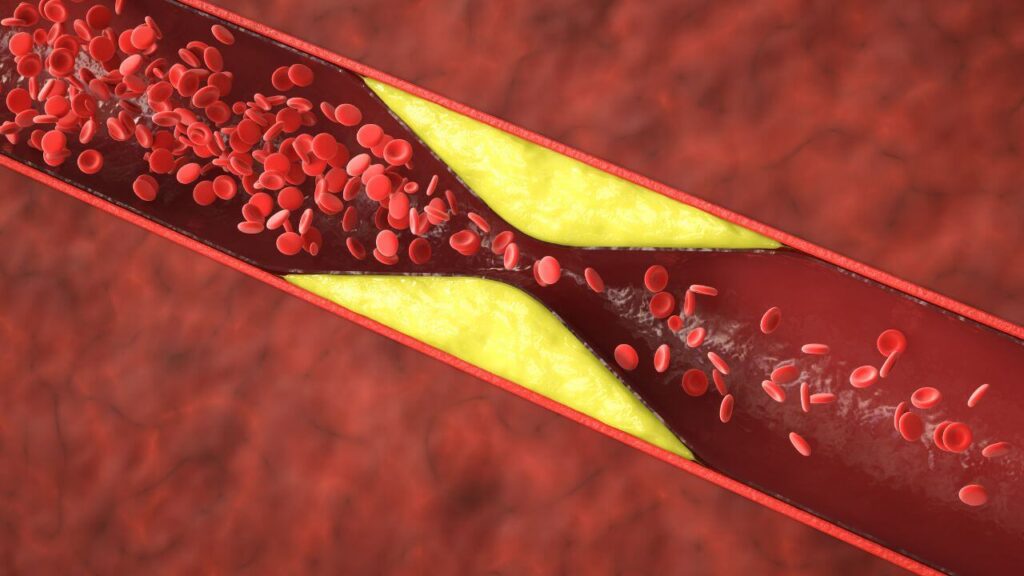
Peripheral Arterial Disease (PAD) is a common culprit when it comes to leg pain. This condition is primarily caused by atherosclerosis, a buildup of fatty deposits in the arteries, which impedes blood flow to the legs. Around 30% of individuals who have PAD experience leg pain.
Sciatica
An estimated 90% of people suffering from sciatica report leg pain as a predominant symptom. Sciatica, characterized by pain that radiates along the path of the sciatic nerve, is another common source of leg pain. This nerve branches from your lower back through your hips, buttocks, and each leg. Irritation or compression of this nerve can lead to discomfort that ranges from mild to severe.
Understanding chronic venous insufficiency (CVI) and leg pain
If you’re experiencing persistent leg pain, it could be related to a condition known as chronic venous insufficiency or CVI. This condition occurs when your leg veins struggle to send blood back to your heart.
Many might perceive leg pain as a standalone or attribute it to aging or fatigue. However, research shows a significant connection between leg pain and CVI.
Nearly 40% of individuals with chronic venous insufficiency (CVI) often grapple with leg pain and discomfort. – National Library of Medicine
How do you identify leg pain caused by vein disease?
Various health conditions can cause leg pain, but it’s important to note that it can also clearly indicate vein disease. Here are some of the most common symptoms;
In many cases, leg pain caused by vein disease may be managed with conservative approaches. These typically involve making lifestyle adjustments to help reduce symptoms and prevent the disease from worsening.
When conservative methods aren’t sufficient, your healthcare provider may suggest minimally invasive procedures. These are carried out under local anesthesia, have minimal downtime, and offer immediate symptom relief.
Leg pain can be a common experience, especially after intense physical activity. However, if you experience persistent, severe, or sudden onset leg pain, it may be a sign of a more serious underlying condition such as chronic venous insufficiency (CVI). It can be challenging to determine when to be concerned about leg pain.
More severe symptoms of leg pain
Persistent leg pain that isn’t relieved by rest or over-the-counter pain relievers.
Severe, throbbing, or sharp pain.
Pain that accompanies swelling or redness in your leg.
Leg pain that happens alongside shortness of breath or chest pain.
Bluish or discolored skin on your leg.
Sudden or severe leg pain following an injury.
You must consult a healthcare professional immediately if you notice any of the above symptoms. They can conduct a thorough medical evaluation, including blood tests, imaging studies, and other diagnostic tests, to pinpoint the cause of your leg pain and formulate the most effective treatment plan.
Frequently asked questions
Nighttime leg pain can majorly influence your rest. Here are several strategies you can employ to help relieve it:
Stretch before bed: Gentle leg stretches before lying down can help prevent the onset of nighttime leg pain.
Stay Hydrated: Adequate hydration may help to lessen muscle cramps, a common cause of leg pain.
Maintain a Healthy Weight: Excessive weight can place more pressure on your leg veins, leading to increased pain.
Visit a Vein Specialist: If your nighttime leg pain is a recurring problem, it might be due to a more serious condition like CVI, and a vein specialist should evaluate it.
Standing up and moving around regularly can help restore blood flow and reduce stiffness. Gentle stretching and short walks are effective. Elevating your legs may also relieve discomfort. Taking breaks every 30–60 minutes is recommended.
In some cases, stiffness can develop when muscles and joints are inactive for long periods. This can make pain more noticeable after resting. Circulation may also slow down during inactivity. Gentle movement can help ease this discomfort.
Bottom line
Leg pain should not be overlooked, especially when it persists or worsens over time. Understanding the underlying cause is essential for choosing the most effective treatment approach. Early evaluation can help prevent complications and improve overall quality of life. Seeking professional care ensures proper diagnosis and personalized management.
All iThriveVeins content is medically reviewed by board-certified vein specialists and written following evidence-based guidelines. We source our information from peer-reviewed medical journals, clinical studies, and established medical organizations. Our editorial process ensures accuracy, objectivity, and relevance to patient needs.
Explore More Symptoms
Related vein disease symptoms
Vein disease often presents visible cues before discomfort begins. Recognize the signs early for the most effective treatment options.
iThriveVeins has locations across San Diego County. Board-certified cardiologist Dr. Samir Damani and his team provide the same expert care at every clinic. Most procedures take less than an hour.