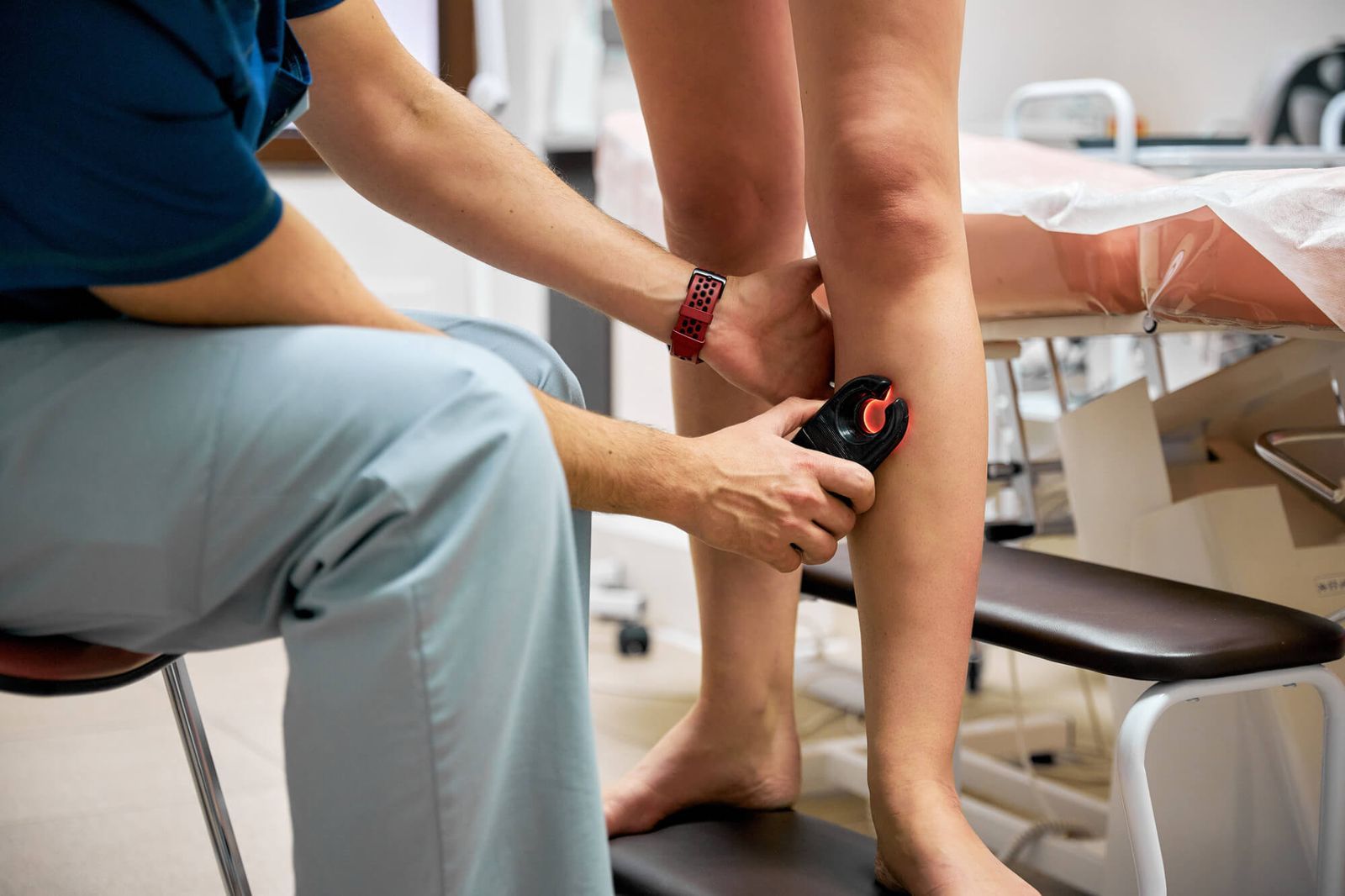
Varicose veins can develop at any stage, but are more common in the second and third trimesters. As the baby grows, pressure on the veins increases. Symptoms may gradually become more noticeable. Each pregnancy can be different.
3 Reasons Why Varicose Veins are Common During Pregnancy
Varicose veins during pregnancy are common. Learn 3 main reasons why they develop and practical tips to help prevent them during the pregnancy period.
Key takeaways
- Hormonal changes during pregnancy can weaken vein walls and contribute to the development of varicose veins.
- Increased blood volume puts additional pressure on veins, leading to their dilation and the appearance of varicose veins.
- The weight of the growing uterus can compress veins in the pelvic area, hindering blood flow and causing varicose veins.
Table Of Contents
Pregnancy delivers a host of new symptoms and side effects; one such symptom is the development of varicose veins.
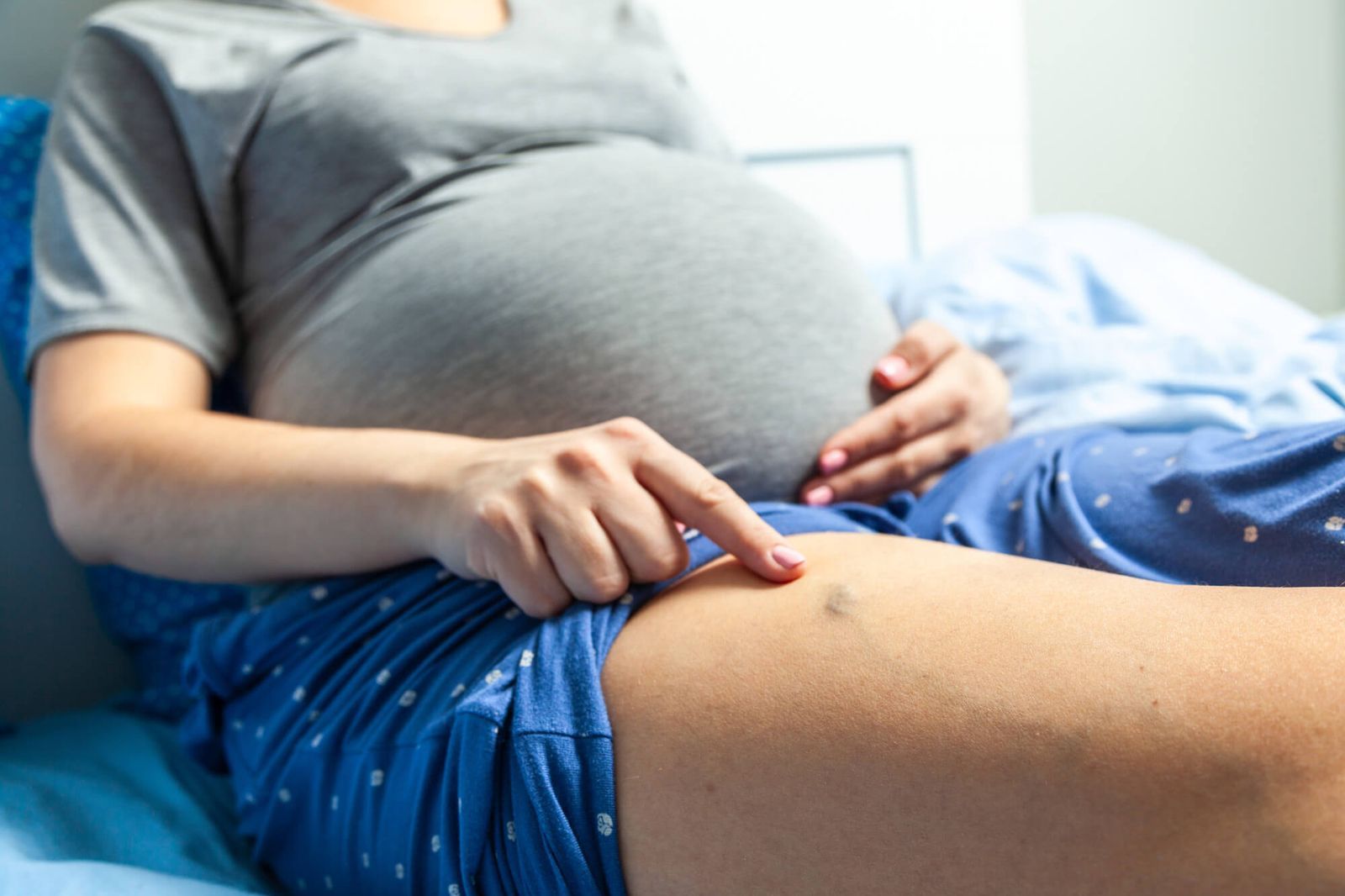
Varicose veins cause swelling in the legs, ankles, and feet, and appear as bulging, twisting veins just beneath the surface of the skin. Typically, all varicose veins will go away by the time the baby is 1 year old.
Often an unpleasant and uncomfortable side effect, there are ways to ease the discomfort.
Why are varicose veins more common during pregnancy?
There are 3 main reasons why pregnancy increases the odds of developing varicose veins.
- All throughout your pregnancy, your body produces more blood than usual to help your baby grow and develop. In fact, a mother’s blood volume increases by 50%. This extra blood puts more pressure on the blood vessels, particularly the veins in your legs, which work against gravity to push all the extra blood back up to the heart.
- Your uterus expands to accommodate the growing baby. As the uterus gets larger, it begins pressing on and partially blocking the veins that are responsible for returning blood flow from your legs back to your heart.
- During pregnancy, your hormones shift and change significantly. The hormone progesterone relaxes the blood vessels and softens the vein walls, making it harder for them to work efficiently.
These reasons cause swelling and pooling of blood in the legs and the creation of varicose veins.
Where do varicose veins appear during pregnancy?
Most women will develop varicose veins in their legs. However, it is also possible to have them in the vulva or rectum.
Should I be worried about varicose veins during pregnancy?

Varicose veins can be uncomfortable and cause aches and pains in your legs. Sensations of heaviness, restlessness, cramping, throbbing, and burning.
Also, it is common to feel symptoms worsen as the days goes or if you have been on your feet for extended periods. Lying down and elevating your feet will often help decrease the discomfort and the pressure on your veins.
Should I contact my doctor about varicose veins during pregnancy?
As a rule of thumb, you should let your doctor know when you begin to develop varicose veins during your pregnancy. There is a connecting between varicose veins and the risk of developing deep vein thrombosis (DVT), which are blood clot.
Contact your doctor immediately if the following symptoms occur in and around the vein:
- Swelling
- Warmth
- Hardening
- Tenderness
- Redness
- Bleeding
- A rash appears on the leg or ankle
- Skin discoloration or thickening on the leg
Can I prevent varicose veins while pregnant?
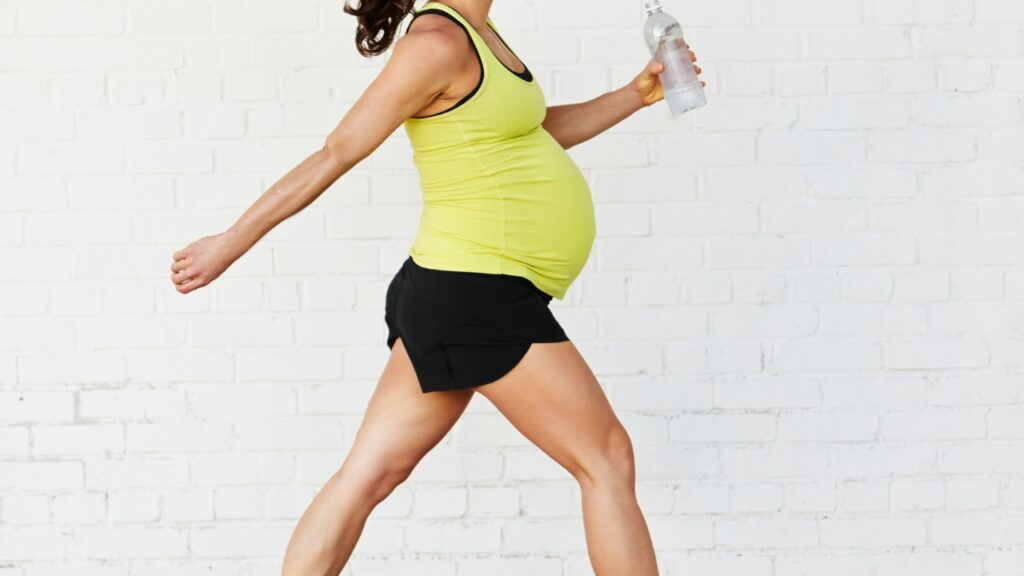
It is highly recommended to stay active throughout pregnancy. Walking or swimming are safe, low-impact activities that help your circulation while pregnant.
Unfortunately, you cannot prevent varicose veins entirely, but there are steps you can take that may help.
- Stay active throughout pregnancy and keep your body moving.
- Do not sit or stand for long periods. Try to take breaks, change your position, and avoid sitting with your legs crossed.
- Do not wear high heels during pregnancy.
- Elevate your legs when possible if you are at rest.
- Avoid tight clothing around the waist or pelvis, including underwear that should fit well and not bind around your waist or the tops of your legs.
- Wear support hose to help counteract the downward pressure of your pregnant belly. The support hose also gives the veins in your legs a push upward, increasing blood flow back up to your heart.
- Keep your weight gain during pregnancy down. Doctors typically suggest a safe and healthy weight gain of between 25 and 35 pounds when pregnant.
- Sleep on your left side to avoid putting pressure on the main blood vessel called the vena cava. The vena cava is the vein that carries blood from the legs and feet to the heart.
- Try to avoid heavy lifting or straining on the toilet as this can contribute to varicose veins in the rectum.
- Maintain a balanced diet that is low in sodium, rich in nutrients, and Vitamin C. Our bodies use Vitamin C to produce collagen and elastin (connective tissue responsible for repairing and maintaining blood vessels).
- Stay hydrated and eat foods rich in fiber to prevent constipation.
How can I get rid of varicose veins after pregnancy?
As noted above, varicose veins will typically go away on their own after the birth of your baby. They can disappear anywhere from 3 months to 1 year after your baby was born.
The use of compression stockings, medication, and massage may help lessen the severity of your symptoms but may not eliminate the varicose veins completely.
If you are contemplating surgery or treatment to remove the varicose veins, it is typically recommended that you wait for 1 year to allow the varicose veins to disappear on their own.
If after one year, the varicose veins are still present, there are several safe, effective treatments that can help get rid of them. Speak with your doctor today and find out what the best treatment plan is for you.
Frequently asked questions
In many cases, they improve or fade after delivery as pressure and hormone levels return to normal. However, some veins may remain visible. The likelihood can depend on genetics and severity.
Varicose veins typically do not affect the baby’s health. They mainly impact the mother’s circulation and comfort. However, symptoms like pain or swelling can still be significant. It’s important to manage them properly.
Bottom line
Varicose veins are a common occurrence during pregnancy due to hormonal changes, increased blood volume, and pressure on the veins. Understanding these factors can help pregnant women take proactive measures to manage and prevent varicose veins.
Editorial standards
All iThriveVeins content is medically reviewed by board-certified vein specialists and written following evidence-based guidelines. We source our information from peer-reviewed medical journals, clinical studies, and established medical organizations. Our editorial process ensures accuracy, objectivity, and relevance to patient needs.