Yes, fatigue related to vein disease is often localized in the legs and may be accompanied by swelling or discomfort. It tends to improve with rest or leg elevation. General fatigue usually affects the whole body.
Vein Disease and Fatigue. Is There a Connection?
Can vein disease and fatigue be related? Get clarity on the connection, diagnosis process, and treatments that may help improve energy levels.



Key takeaways
- Vein disease can cause a range of symptoms, including fatigue.
- Poor circulation and sleep disturbances can contribute to fatigue in people with vein disease.
- Effective diagnosis and treatment of vein disease can help alleviate fatigue and other symptoms.
- Lifestyle changes and medical procedures may be necessary to treat vein disease and improve overall well-being.
Table Of Contents
What is the connection between vein disease and fatigue?
Vein disease can lead to fatigue in several ways, particularly Chronic Venous Insufficiency (CVI). The most common cause is poor circulation. When the veins in the legs are not functioning properly, blood may pool in the legs, causing swelling and discomfort. This can make it difficult for the muscles to receive the oxygen and nutrients they need to function properly, leading to fatigue.
Another potential cause of fatigue in people with vein disease is sleep disturbances. People with vein disease may experience discomfort or pain in their legs, which can make it difficult to fall asleep or stay asleep. This can lead to a lack of restorative sleep, which can contribute to feelings of fatigue during the day.
What is chronic venous insufficiency?
Chronic venous insufficiency (CVI) is a progressive condition that occurs when the one-way valves in the leg veins no longer work correctly to return blood from the legs to the heart. In cases involving CVI, the valves are either weakened or no longer in place, allowing blood to flow backward and pool in the veins in the legs, ankles, and feet.
The blood that is left collecting or pooling in the lower extremities creates pressure inside the veins. Without treatment, the buildup of blood and pressure causes the breakdown of nearby small capillaries, allowing blood to leak out into adjacent tissues.
The longer this process continues without intervention, the symptoms progress and may lead to increased swelling, skin discoloration, blood clots, and leg ulcers.
Chronic venous insufficiency affects an estimated 10% to 35% of Americans. Women are more likely to develop the condition, as well as being over the age of 50.
What are the symptoms of CVI?
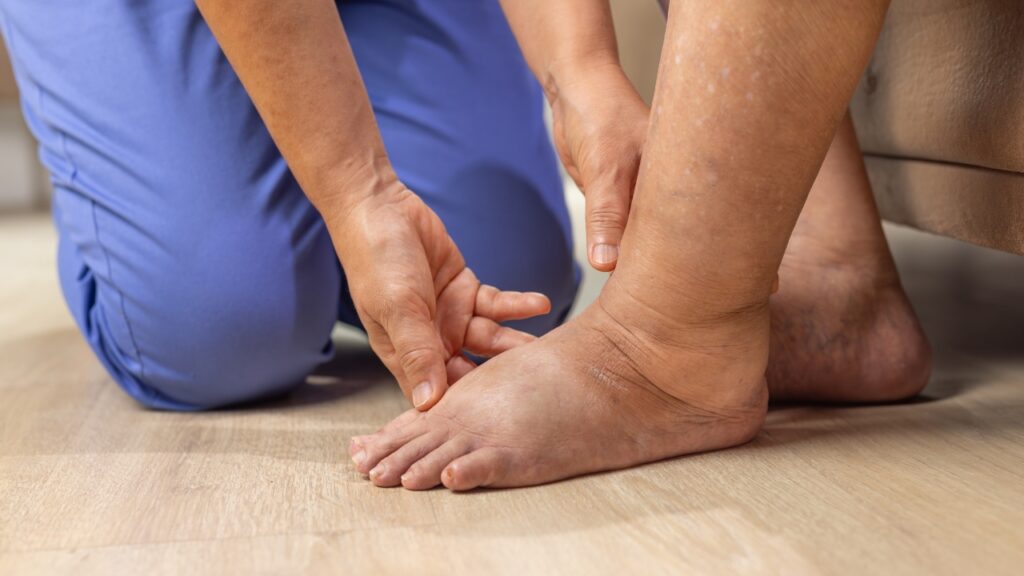
As noted above, CVI is a progressive condition; therefore, the more severe symptoms increase as the disease progresses into later stages. For this reason, it is essential to see a doctor when you first notice symptoms of CVI. The earlier you seek diagnosis and treatment, the more likely you are to prevent future health complications. Symptoms of CVI include:
- Swelling (edema) in the legs, ankles, and feet
- Legs feel heavy or weak
- Bulging veins
- Skin discoloration or changes in skin texture
- Itching, burning, or tingling on the skin of the legs and feet
- Leg ulcers or open sores
How is CVI diagnosed?
A physical exam and a medical history examination will be performed by a doctor. Your legs will be examined, and an ultrasound will most likely be ordered.
A vascular or duplex ultrasound will examine the blood flow in the veins of your legs and can locate any blockages or abnormalities that may be present.
How to treat CVI that causes fatigue?
Fortunately, there are several strategies to manage and treat fatigue associated with chronic venous insufficiency. Here are some options:
- Lifestyle modifications: Making certain lifestyle changes can help alleviate fatigue and improve overall vein health. These may include regular exercise, elevating the legs, weight management, and avoiding prolonged periods of sitting or standing, which can help improve blood flow.
- Compression therapy: Wearing compression stockings can promote better blood circulation and alleviate symptoms.
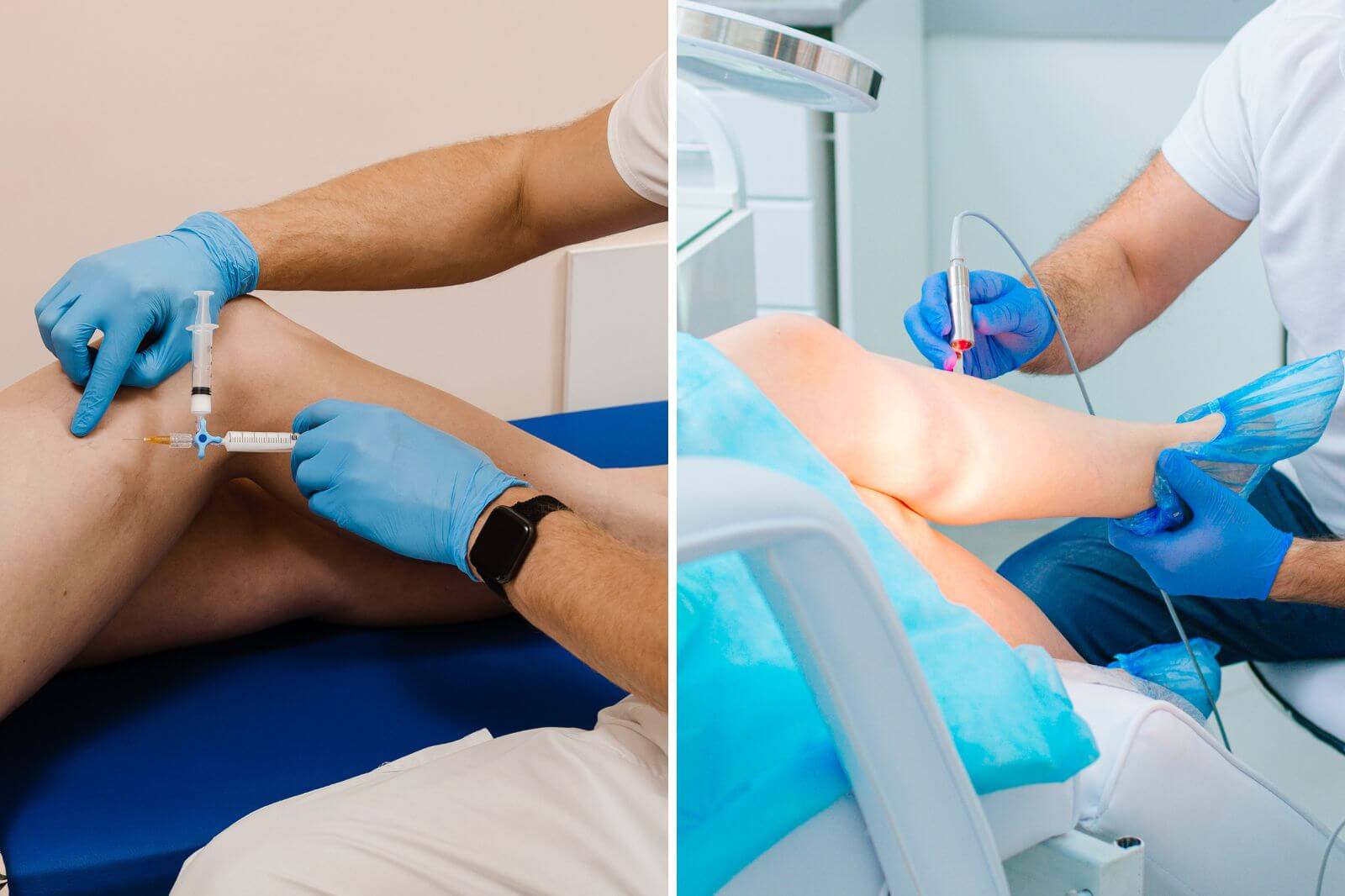
- Minimally invasive procedures: In cases where conservative treatments are ineffective, minimally invasive procedures such as radiofrequency ablation (RFA) or sclerotherapy injections may be recommended.
- Seeking professional advice: If you suspect that chronic venous insufficiency is causing your fatigue, it is crucial to seek professional advice from a healthcare provider specializing in vein disease.
Frequently asked questions
If fatigue is persistent, worsening, or paired with other symptoms like swelling or skin changes, medical evaluation is recommended. These may indicate more advanced vein issues.
In some cases, ongoing discomfort and poor circulation can contribute to overall fatigue. While symptoms are often localized in the legs, they may impact daily energy and activity levels. Disrupted sleep from discomfort can also play a role. This combination may lead to feeling more tired throughout the day.
Bottom line
The connection between vein disease and fatigue cannot be ignored. The symptoms of vein disease, such as swelling and pain, can lead to chronic fatigue, impacting daily life and overall well-being. If you are experiencing persistent fatigue and suspect it may be related to vein disease, it is crucial to seek professional help. Contact iThriveVeins today for a comprehensive evaluation and personalized treatment options.
- National Institutes of Health. 2026. Venous Insufficiency.
Editorial standards
All iThriveVeins content is medically reviewed by board-certified vein specialists and written following evidence-based guidelines. We source our information from peer-reviewed medical journals, clinical studies, and established medical organizations. Our editorial process ensures accuracy, objectivity, and relevance to patient needs.