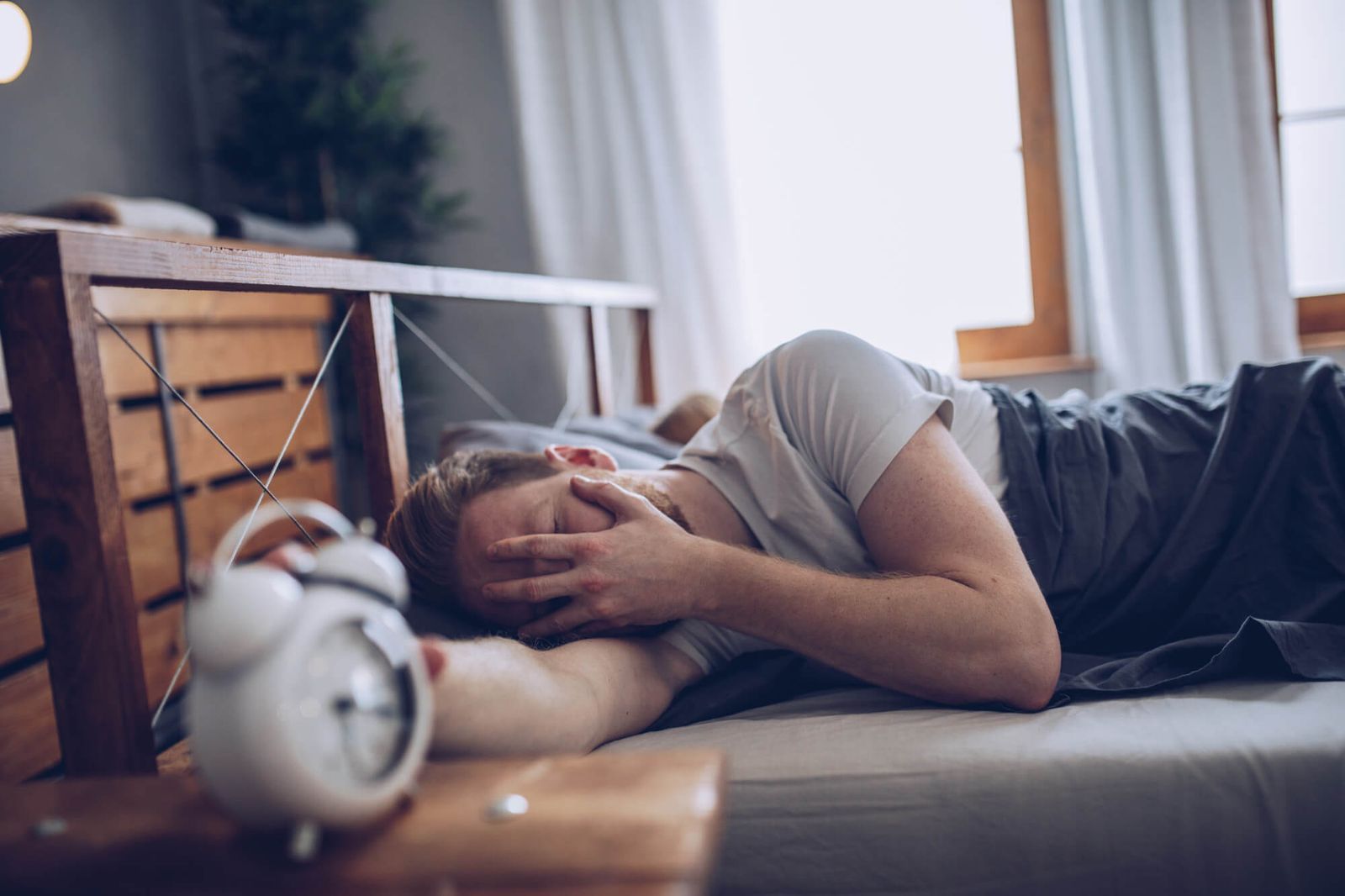
Yes, many people experience more intense cramps at night due to reduced movement and blood pooling in the legs. Muscles may tighten while resting, leading to sudden cramps. This can disrupt sleep and cause discomfort. Proper leg positioning may help reduce symptoms.
Top 9 Ways to Relieve Leg Cramps Caused by Varicose Veins
Can varicose veins cause leg cramps? Learn how they contribute and explore 9 effective methods to relieve discomfort and improve mobility.

Key takeaways
- Varicose veins can cause leg cramps, but there are ways to find relief.
- Regular exercise, compression stockings, and elevating your legs can help alleviate leg cramps.
- If leg cramps persist, it’s important to consult a healthcare professional for further evaluation and treatment options.
Table Of Contents
What are leg cramps?
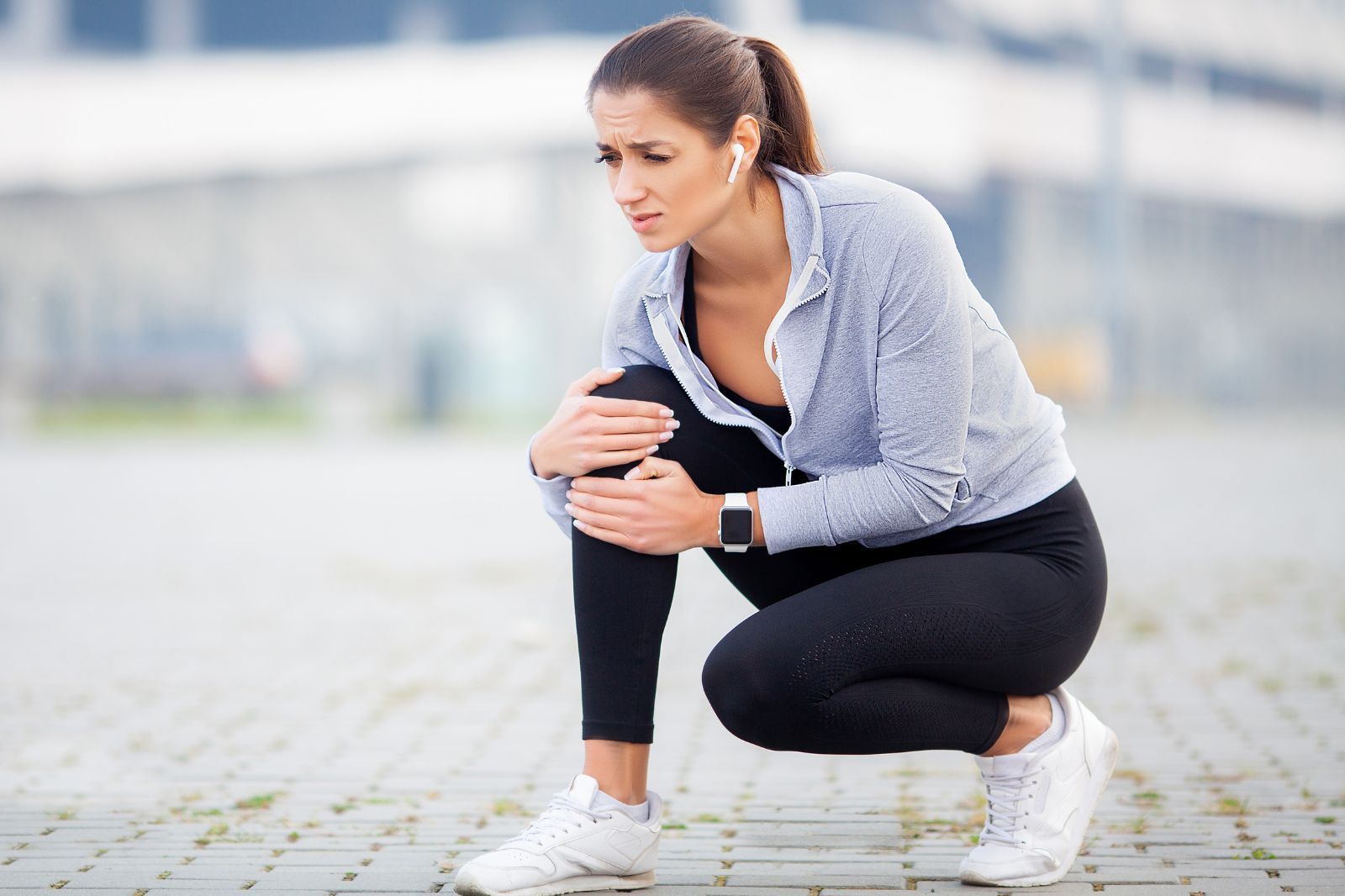
Most people have experienced the occasional leg cramp. That sudden, sharp pain that feels like your muscle is seized and will never let go. Leg cramps are pretty common and can affect people of all ages, including people with healthy veins. But what exactly are they?
Leg cramps are sudden, involuntary muscle contractions of one or more muscles. They usually occur in the legs but can also affect the feet, ankles, thighs, and even the torso or arms. Leg cramps can be painful and last for a few seconds to several minutes.
What is the connection between varicose veins and leg cramps?
Many possible explanations exist for the connection between varicose veins and leg cramps. However, leg cramps are common symptoms of varicose veins, which is why many people also experience leg cramps. In addition, the National Center for Biotechnology Information reports that muscle cramps, especially nocturnal calf cramps, are more common in patients with varicose veins than in the general population.
Why do varicose veins cause leg cramps?
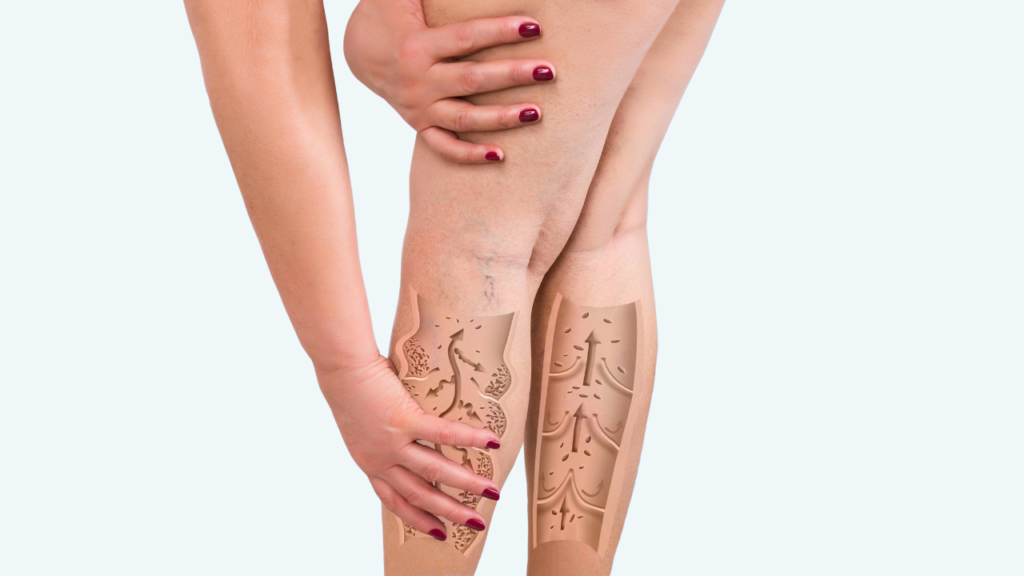
There are several reasons varicose veins cause leg cramping. One reason is that varicose veins occur when the valves inside the veins are not working correctly, allowing blood to pool in the leg, which causes the vein to become enlarged and twisted. When this happens, it puts pressure on the nerves and muscles in your legs, leading to inflammation, and swelling, which can lead to muscle cramping.
Another reason varicose veins can cause painful leg cramps is that when the vein walls are weak and stretched out, they can press on the surrounding muscles and nerves. This pressure can lead to cramping or spasms in the affected muscles.
How can you relieve leg cramping caused by varicose veins?
If you suffer from varicose veins, you know how painful and unsightly they can be. But did you know these troublesome veins often cause leg cramps? Luckily, you can do a few things to relieve leg cramps and help prevent varicose veins from developing. Here are 9 tips on how to find relief:
1. Elevate your legs
Elevating your legs helps reduce the pressure in your veins and allows blood to flow more freely into your blood vessels. This is especially helpful if you have been standing or sitting for long periods.
2. Avoid prolonged standing or sitting
Prolonged standing or sitting can put extra strain on your veins and cause them to become enlarged. If you must stand or sit for long periods of time, take a break every few minutes to walk around and stretch your legs.
3. Stretch the calf muscles
Stretching your calf muscles can help reduce the risk of leg cramps and improve blood flow in your legs. To stretch your calves, stand with your feet shoulder-width apart and place your hands on a wall in front of you. Slowly lean forward until you feel a stretch in your calves. Hold this position for 30 seconds before returning to the starting position. Repeat this stretch several times per day.
4. Strengthen your calves
Stronger calf muscles will help pump blood more efficiently and reduce the risk of leg cramps. To strengthen your calves, try doing calf raises:
- Start by standing with your feet shoulder-width apart and hold a sturdy chair or railing for support.
- Slowly raise on your toes, then lower back down.
- Repeat this exercise 15-20 times per day.
5. Exercise regularly
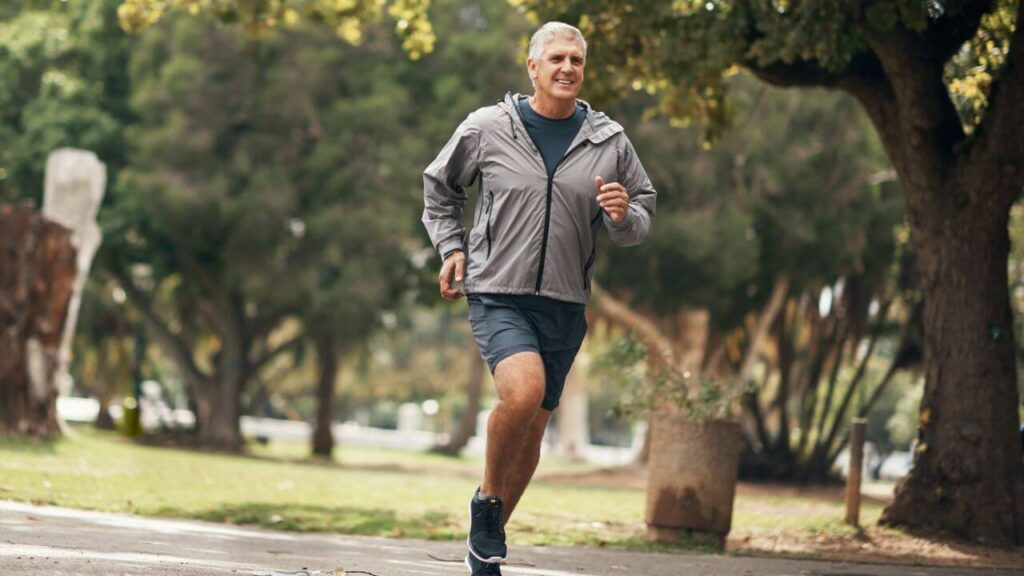
Exercise is one of the best things you can do for your overall health, and it’s also helpful in preventing leg cramps and varicose veins. In addition, regular aerobic exercise helps improve blood circulation and strengthens the muscles in your legs. Some great activities include swimming, cycling, walking, and yoga.
6. Apply moderate heat
Applying moderate heat to the affected area can help relieve pain and muscle spasms. Try using a heating pad or taking a warm bath before bedtime.
7. Stay hydrated
Drinking plenty of fluids helps prevent leg cramps by keeping your muscles and tissues adequately hydrated. Be sure to drink at least eight glasses, or 64 ounces, of water per day.
8. Eat a healthy diet

Eating a healthy diet rich in fruits, vegetables, and whole grains can help improve blood flow and reduce the risk of leg cramps and varicose veins. Also, limit salt intake, as excess salt can lead to fluid retention and worsen leg swelling.
9. Wear compression socks
Compression socks help reduce swelling in your legs, improve healthy circulation, and also help prevent blood clots from forming. They are beneficial if you have to stand or sit for long periods.
If you suffer from painful leg cramping or varicose veins, talk to your doctor about other treatment options that may be available to you. Many effective, minimally invasive treatments, such as Sclerotherapy and Radiofrequency Ablation, can help relieve the pain and improve the appearance of these troublesome veins.
Frequently asked questions
If cramps occur often, worsen over time, or are accompanied by swelling or skin changes, it’s important to seek medical advice. These may indicate more advanced vein issues. Early evaluation can help prevent complications. A healthcare provider can recommend appropriate treatment.
Some over-the-counter options and supplements may help relieve muscle cramps, but results can vary. Medications that improve circulation may also be considered in some cases. It’s important to consult a healthcare provider before starting any treatment. Proper guidance ensures safe and effective use.
Bottom line
Varicose veins and leg cramps are common problems that can cause varying levels of pain and discomfort. If you’re experiencing either of these issues, contact and schedule a consultation with iThriveVeins today. We are here to discuss your unique needs and determine the best treatment plan for you.
- National Institutes of Health. 2000. Prevalence and characteristics of muscle cramps in patients with varicose veins.
Editorial standards
All iThriveVeins content is medically reviewed by board-certified vein specialists and written following evidence-based guidelines. We source our information from peer-reviewed medical journals, clinical studies, and established medical organizations. Our editorial process ensures accuracy, objectivity, and relevance to patient needs.