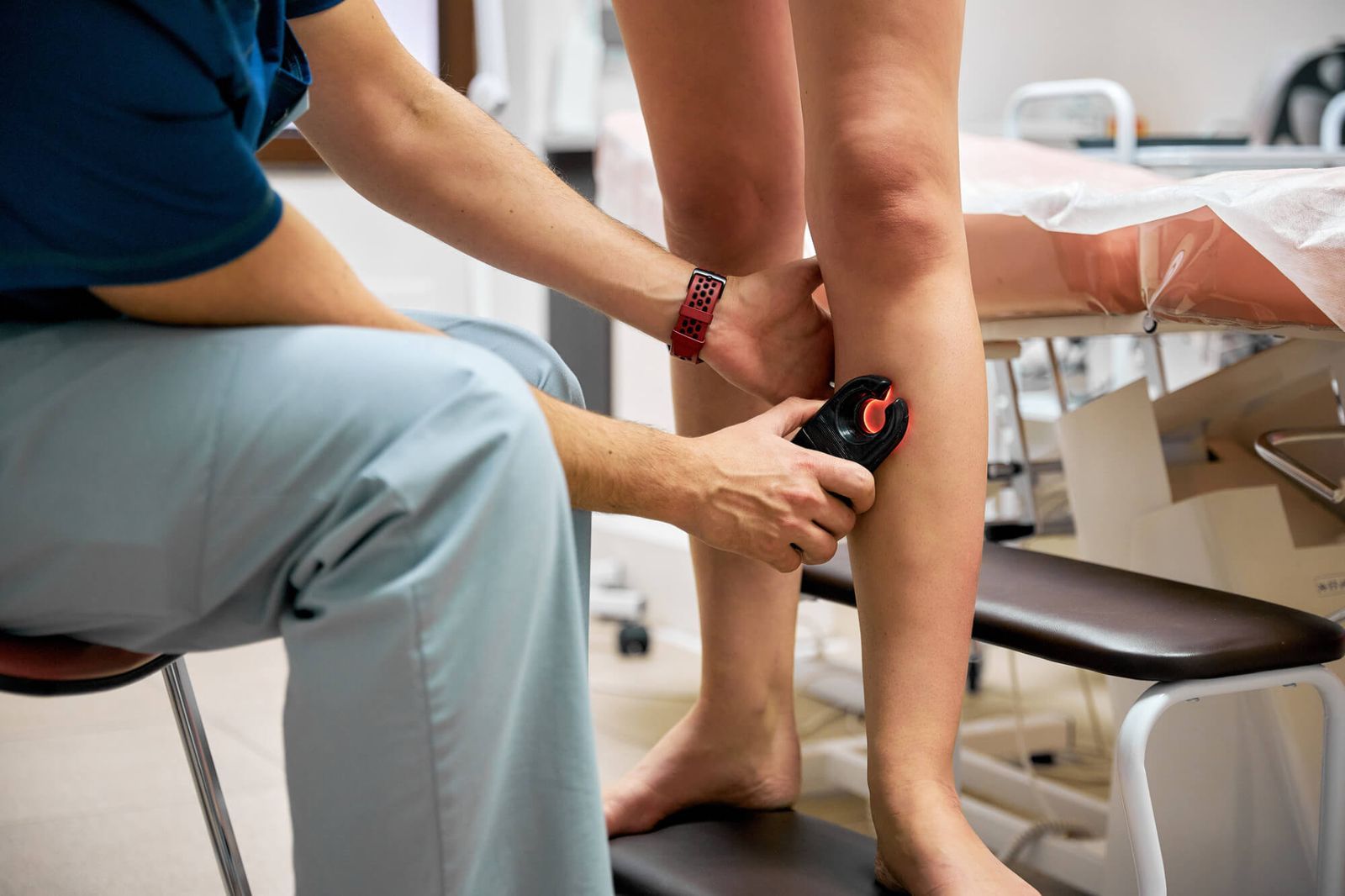
While both treatments can cause some discomfort, most patients find the sclerotherapy treatment less painful than laser therapy. The level of discomfort also largely depends on an individual’s pain threshold.
Sclerotherapy Vs Laser For Spider Veins On Legs
Discover the differences between sclerotherapy and laser treatments for spider veins on your legs. Learn which option may be the best for you.
Key takeaways
- Sclerotherapy and laser treatments are both effective options for treating spider veins on your legs.
- Sclerotherapy involves injecting a solution into the veins to close them off, while laser treatment uses targeted light energy to eliminate the veins.
- Consulting with a vein specialist is crucial to determine the most suitable treatment option for you.
Table Of Contents
The benefits of seeking treatment for spider veins on legs
Seeking treatment for spider veins on legs can enhance one’s aesthetic appearance and boost confidence. Additionally, addressing these veins can prevent potential complications and improve overall leg vein health.
What is sclerotherapy, and how does it work?
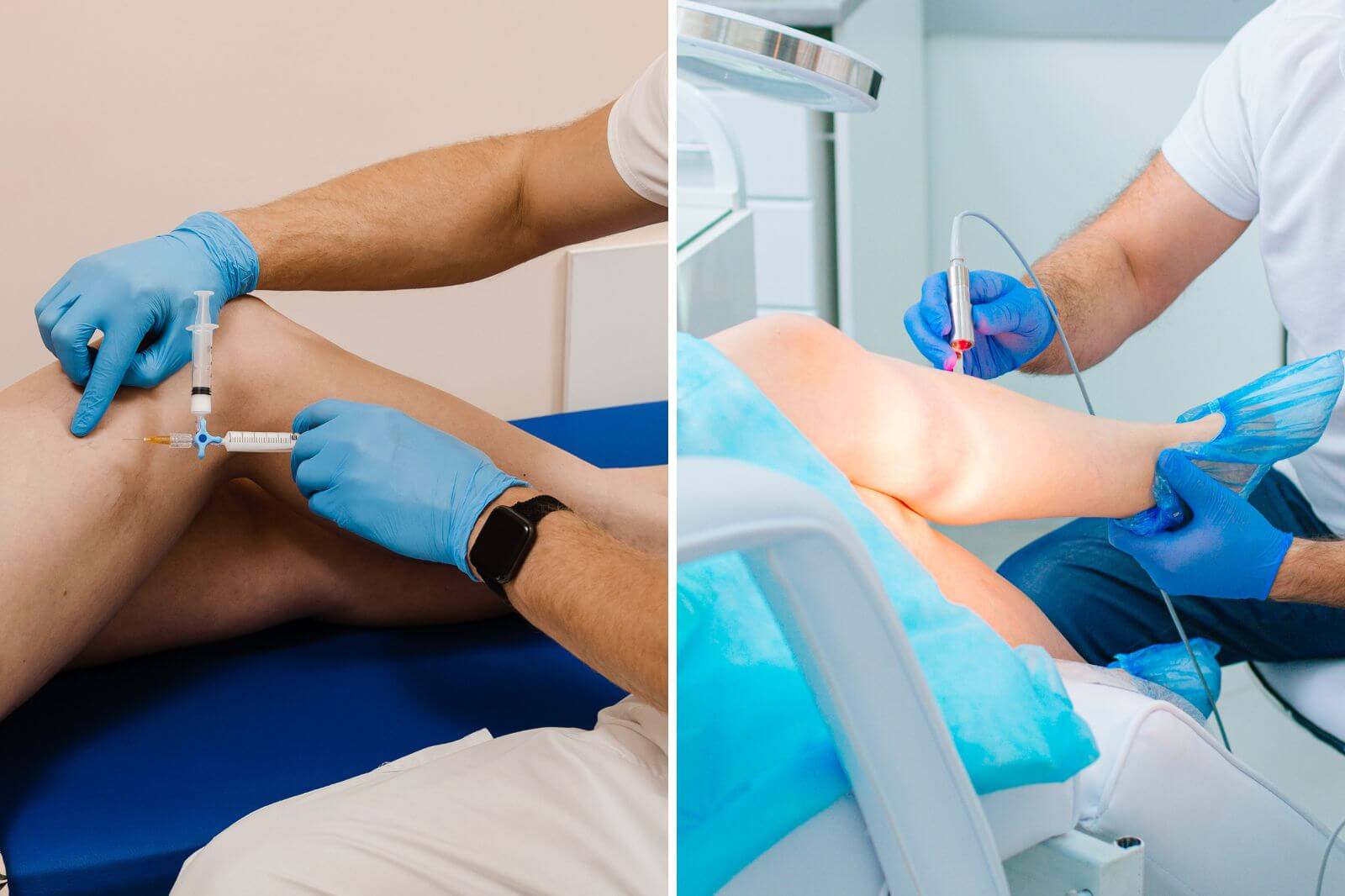
Sclerotherapy is a popular and effective treatment for visible spider veins. This method involves injecting a solution directly into the vein, causing it to collapse and eventually fade.
How does sclerotherapy work?
- A vein specialist uses a tiny needle to inject a sclerosant into the veins.
- The solution irritates the vein’s lining, causing it to swell and the blood within it to clot.
- Over time, the clotted vein turns into scar tissue and fades from view as the body absorbs.
It may be necessary to repeat this process a few times. Still, most patients notice significant improvements after the initial few treatments.
Pros and cons of sclerotherapy for treating spider veins
Sclerotherapy has been a go-to treatment for spider veins for many years. However, like any medical procedure, it has its benefits and drawbacks.
Pros of sclerotherapy
- Effectiveness: Sclerotherapy has a success rate of about 80% for eliminating spider veins.
- Quick procedure: Each sclerotherapy session is short, typically lasting only 15 to 30 minutes.
- Minimal downtime: Most people can resume their usual activities immediately after the procedure.
Cons of sclerotherapy
- Multiple treatments: It may be necessary to have multiple sessions depending on the severity of the veins.
- Temporary side effects: Some may experience mild side effects like itching, swelling, and skin color changes in the treated area.
- Not suitable for everyone: Those allergic to the sclerosing agent or with certain medical conditions may not be eligible for this treatment.
What is laser vein treatment, and how does it work?
Laser therapy is also a popular treatment option for spider veins. Laser therapy involves using a strong, direct beam of light that precisely targets problem areas and unsightly veins.
But how does laser vein therapy treatment work?
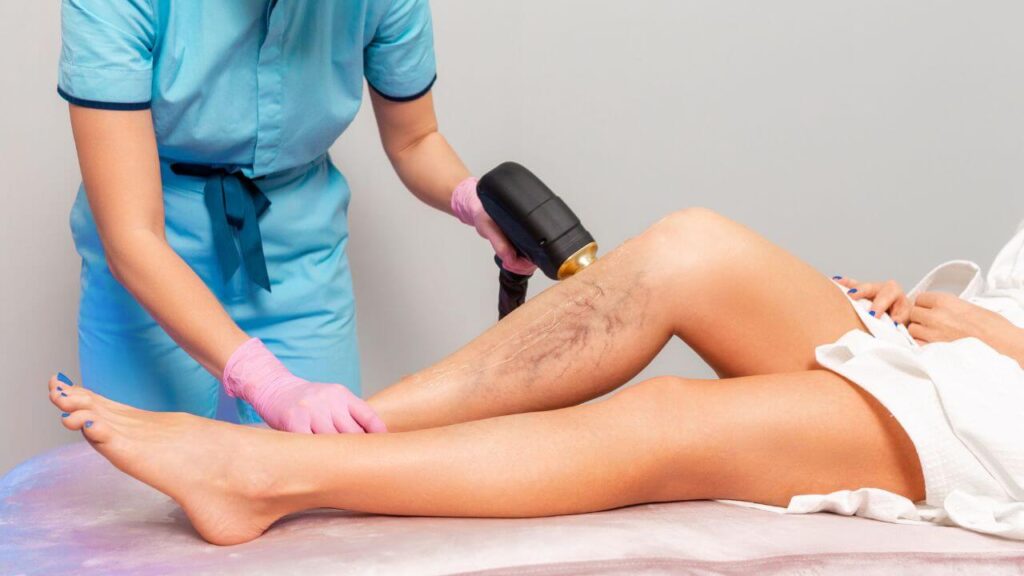
Laser therapy for spider veins is performed using a hand-held device that emits pulses of light to the diseased veins. The skin above the veins absorbs the light, which then gets converted to heat. The heat damages the vein, causing the vein to fade and disappear over time!
Pros and cons of laser therapy for spider veins on legs
Laser therapy, also known as endovenous laser treatment (EVLT), is a popular and successful choice for treating spider veins. This non-invasive method uses targeted light energy to cause the spider vein to fade and disappear over time.
Pros of laser therapy for spider veins:
- Non-invasive: Unlike sclerotherapy, laser therapy doesn’t involve injections or incisions. This makes it a less scary option for those fearing needles.
- No downtime: Patients can typically return to normal activities immediately after the procedure.
- Quick procedure: Each session usually takes less than an hour, making it convenient for busy individuals.
Cons of laser therapy for spider veins:
- Multiple sessions: It often takes several treatment sessions to fully remove spider veins with laser therapy. This can make the total process time-consuming and more costly.
- Pain and discomfort: Some patients report experiencing minor pain and discomfort during and after the procedure. This is typically managed with over-the-counter pain medication.
- Temporary skin discoloration: Laser treatments may cause temporary skin discoloration or bruising in the treated area.
Factors to consider when choosing between sclerotherapy and laser therapy

When deciding between sclerotherapy and laser therapy for spider veins, it’s essential to weigh your options carefully, taking into account your unique circumstances and needs. Here are some key factors to consider:
- The severity of your spider veins: The severity and extent of your spider veins may sway your decision. Sclerotherapy is often recommended for more extensive spider veins, while laser therapy can be effective for smaller, surface-level veins.
- Tolerance for pain: Some people find sclerotherapy less painful than laser therapy. However, this is highly subjective and can vary from person to person.
- Recovery time: Laser therapy generally requires a shorter recovery time than sclerotherapy.
- Cost and insurance coverage: Not all insurance plans cover these treatments, so you’ll need to consider the cost and your budget.
- Medical history: Your overall health and medical history can impact the safety and effectiveness of the treatment. Be sure to discuss this with your healthcare provider.
As always, when deciding on what treatment to choose, it’s important to consult with your healthcare provider or vein specialists. They can provide personalized advice based on your medical history and health status.
Aftercare tips for spider vein treatment

Aftercare is crucial for optimal results and to prevent any complications after sclerotherapy or laser vein treatment.
Here are some tips to ensure a smooth post-treatment phase:
- Get moving: Try to maintain light physical activity, such as walking, to promote blood flow.
- Avoid heat exposure: Avoid hot baths, saunas, and direct sun exposure for a couple of weeks.
- Compression is key: Wear compression stockings if advised by your doctor to support healing.
- Stay hydrated: Staying hydrated helps improve blood circulation and speed up the healing process.
- Attend follow-ups: Return for all follow-up visits to ensure the treatment is working as planned and address any potential concerns early.
Remember, every individual’s healing journey is unique. It’s okay to have questions or concerns. When in doubt, always consult your healthcare provider for personalized advice.
Frequently asked questions
Laser therapy tends to be slightly more expensive. However, the exact cost can vary greatly depending on the severity of the veins, the location, and the number of sessions required.
The number of treatments necessary for spider veins varies based on the severity and size of the veins. Typically, sclerotherapy requires 2-3 sessions, while laser treatment for larger veins may require 3-4 sessions, although this can fluctuate depending on individual circumstances.
While both sclerotherapy and laser therapy are effective treatments for spider veins, laser therapy is often considered the best for facial veins. This is due to its precise nature and the absence of needle usage, which makes it more comfortable and suitable for the sensitive face area.
Generally, both sclerotherapy and laser treatment for superficial spider veins are considered cosmetic treatments, and therefore, are not typically covered by most insurance policies. However, if these veins are causing physical discomfort or are a symptom of a more serious health condition, insurance coverage might be possible.
It’s possible for new spider veins to come back after a treatment session, particularly if the root cause of the condition – such as standing for extended periods or hormonal changes – continues to be present. However, adopting a healthy lifestyle can greatly reduce the chances of them returning.
Yes, both sclerotherapy and laser therapy for spider veins carry potential risks, albeit minimal. It’s crucial to note that these risks are vastly lessened when treatments are performed by an experienced vein doctor.
Bottom line
Deciding between sclerotherapy and laser therapy for spider veins can feel confusing. However, with the right information, you can make an informed decision that suits your unique circumstances and needs.
In conclusion, the choice between sclerotherapy and laser therapy for spider veins ultimately depends on your personal preferences and health status. Regardless of which option you choose, the goal is improving your quality of life, and that’s a step in the right direction!
- RxList. How do sclerosing agents work?
- WebMD. 2025. Sclerotherapy for Varicose and Spider Veins.
- MayoClinic. 2025. Sclerotherapy.
- National Institutes of Health. 2024. Spider Veins.
Editorial standards
All iThriveVeins content is medically reviewed by board-certified vein specialists and written following evidence-based guidelines. We source our information from peer-reviewed medical journals, clinical studies, and established medical organizations. Our editorial process ensures accuracy, objectivity, and relevance to patient needs.