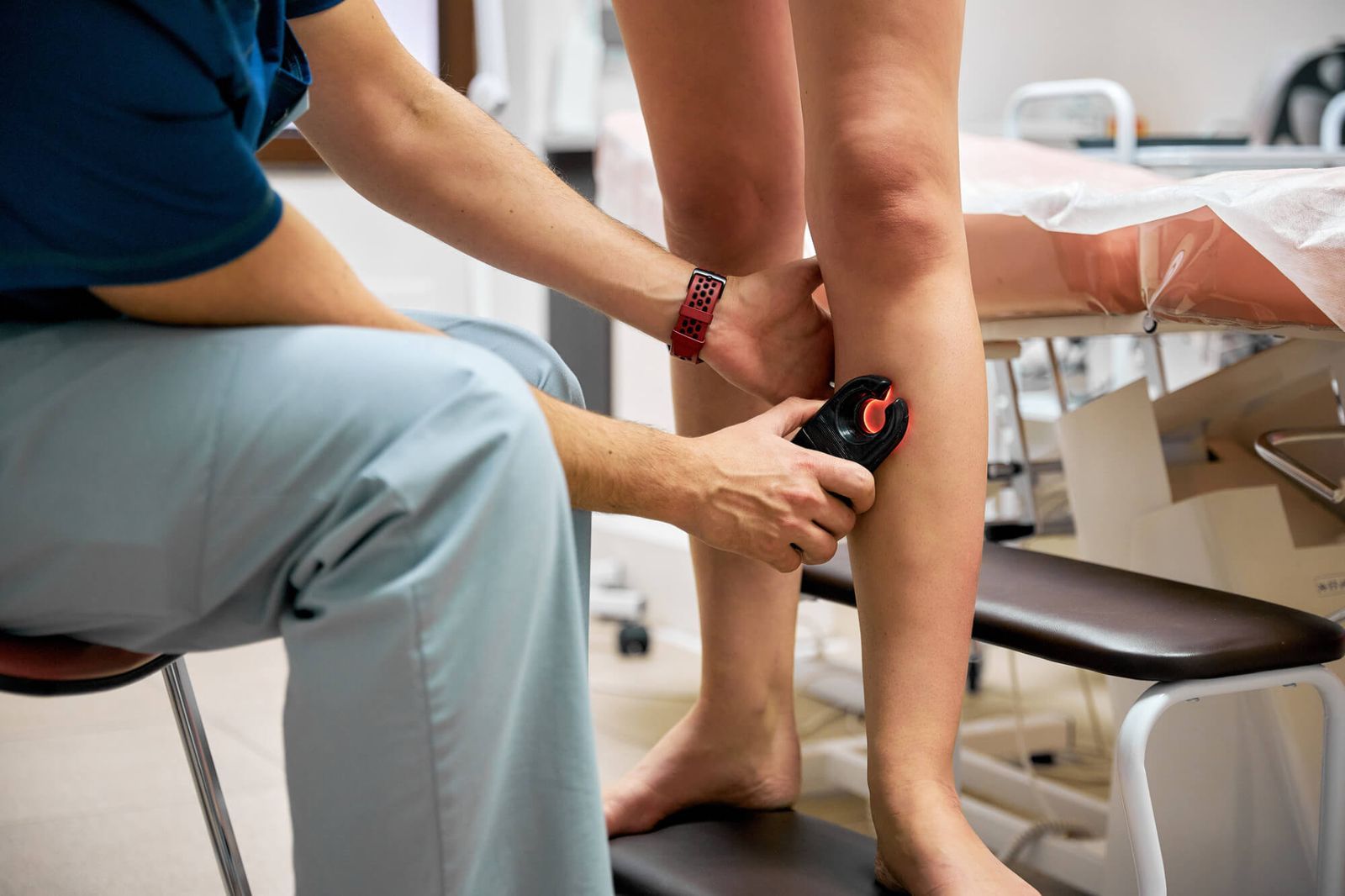
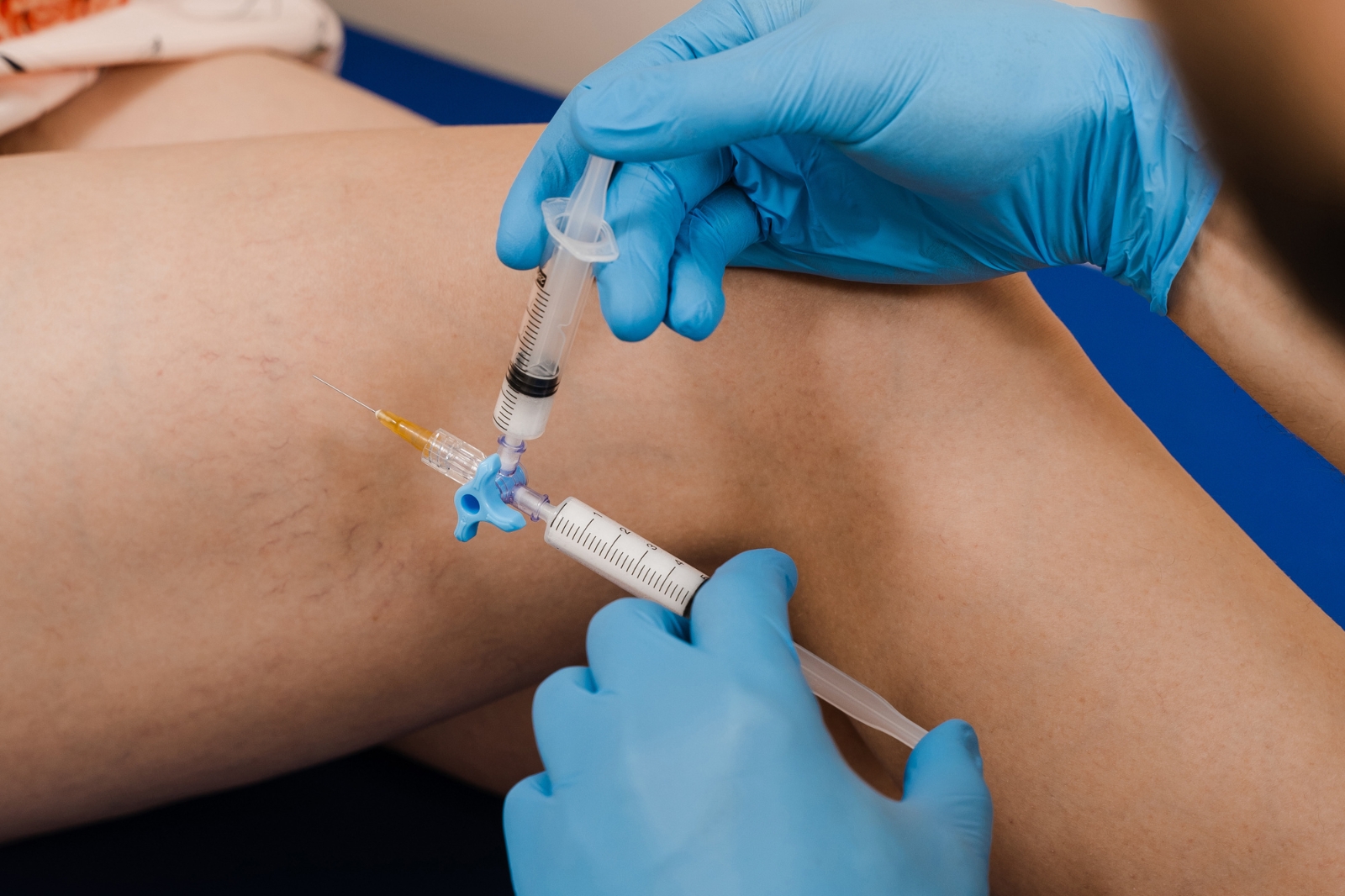
The number of Sclerotherapy treatments will depend on the condition and nature of the treated vein. If the affected veins are minimal, shallow, and unrelated to underlying medical issues, only 2 to 3 sessions may be needed. Results of vein treatments will typically be seen between 3-6 weeks.
The Cost of Sclerotherapy for Spider Vein Removal
Find out how much you can expect to pay for sclerotherapy for spider veins and learn what factors influence pricing and overall treatment costs.

Key takeaways
- Sclerotherapy is a widely used treatment for spider veins, but its cost can vary depending on factors such as the number of veins, the location, and the expertise of the healthcare provider.
- It’s essential to consult with a qualified healthcare professional to determine the cost and potential outcomes of sclerotherapy tailored to your specific needs.
Table Of Contents
If you are considering sclerotherapy treatments for spider vein removal in San Diego, one of the first questions you may have is, how much do sclerotherapy treatments cost?
This post will cover spider vein treatment costs, whether insurance covers these costs, alternatives to Sclerotherapy, and what may be your best treatment options if spider veins are caused by vein disease.
On average, the total cost of a single Sclerotherapy treatment session in San Diego is approximately $370.
How much does Sclerotherapy cost for the removal of spider veins in the legs?

In San Diego, Sclerotherapy is a very popular treatment option for spider veins. On average, a single Sclerotherapy treatment session in San Diego costs approximately $370. However, the overall cost of Sclerotherapy for spider veins can vary depending on the number of treatment areas (typically, one treatment area is the palm of your hand)
While the potential cost of spider vein treatment may seem overwhelming, always speak with your spider vein treatment specialist about any potential discounts, special offers, or financing options available.
What affects the overall cost of Sclerotherapy?
Numerous factors affect Sclerotherapy cost, including the most common factors:
1. The actual cost of the sclerotherapy treatment session
Spider vein treatment costs will depend upon the individual practitioner, the vein clinic’s location, the practitioner’s experience and expertise level, the type of sclerosing agent and tools used, as well as the overall treatment protocol.
2. The time of the provider
The time required to achieve the desired aesthetic will vary depending on the individual, the severity of the leg veins, and whether or not multiple sessions are required, including the number of Sclerotherapy injections needed.
3. The condition of your spider veins

The overall condition and nature of the treated vein are important factors in determining the Sclerotherapy cost. If the spider veins are shallow and not widespread, fewer treatments will be required.
On the other hand, if leg veins are caused by damaged veins, unhealthy blood vessels, or vein disease, more sessions may be required to address the underlying condition causing spider veins.
4. Your geographic location
A vein clinic’s physical location plays a significant role in determining Sclerotherapy costs. For example, the average cost of a single session in San Diego will cost approximately $370. However, the average cost can vary anywhere from $100 to $500 per session and depends on the location’s cost of living.
5. Any medical supplies used during the session
The price of a Sclerotherapy session also depends upon the type of medical supplies needed. For example, medical supply costs can include:
- The tools and supplies can include gloves, gauze, and the type of sclerosant used.
- The number of medical staff or assistants needed for the procedure.
- Post-care items such as bandaging and compression stockings.
Does insurance cover Sclerotherapy for spider veins or varicose veins?

Determining what treatments are covered by insurance or your insurance company depends on whether the treatment is considered medically necessary. In other words, if the presence of spider veins is not connected to any existing underlying medical or venous conditions, insurance providers will not cover the cost of a cosmetic procedure to treat them.
However, if spider vein symptoms signal a potential abnormality, your vein doctor will likely perform an ultrasound to look for damaged veins and compromised blood flow, gaining a closer view of the healthy veins located deep within the leg.
Should the ultrasound reveal abnormalities, such as varicose veins or chronic venous insufficiency (CVI), insurance carriers will cover a portion or all of the cost of the spider veins and varicose vein treatment due to this being a diagnosed medical condition that requires medically necessary treatment.
Is it worth treating spider veins?
Many may wonder if spider veins require treatment at all. For most, they are unsightly cosmetic nuisances presenting little to no physical symptoms.
When should spider veins be a cause for concern?
When spider veins are accompanied by symptoms such as aching, burning, and itching, it is a signal to contact a healthcare provider or vein specialist.
Additional concerning symptoms that may require medical evaluation include:
- Leg and ankle swelling
- Heavy/tired legs
- Restless leg syndrome
- Skin changes or discoloration
- venous leg ulcers
Early treatment and intervention are essential not only for aesthetics but also for your overall health.
How effective is Sclerotherapy for treating spider veins?
Often referred to as the “gold standard” in spider vein treatment, most patients opt for Sclerotherapy for its many benefits, including:
- Typically painless and minimally invasive.
- High success rate with potential for complete resolution.
- Treatment session ranges between 30 and 45 minutes.
- Little to no downtime after treatment.
- Less need for multiple treatments.
Studies have shown that up to 50% to 70% of patients experience improvement. Therefore, due to most patients having such positive results, sclerotherapy remains one of the most popular spider vein treatments in San Diego.
Are there other treatments for spider veins besides Sclerotherapy?
In addition to Sclerotherapy, lifestyle changes, as well as multiple treatments such as minimally invasive laser treatment, are available options.
Laser therapy
Some patients may opt for laser therapy as it does not require needles, injections, or incisions on the skin. Laser therapy utilizes concentrated light energy that converts to intense thermal heat that destroys the spider vein. Over time, the damaged vein will collapse, fade, and disappear. On average, between 3 and 5 laser treatment sessions are needed for optimal results.
Frequently asked questions
On average, results are noticeable between 3 and 6 weeks, especially if they were small, shallow veins. Slightly larger veins will likely require more treatments, with results showing between 3 and 4 months.
Some patients with lower pain thresholds may prefer sclerotherapy, as many find this minimally invasive treatment to be typically painless with no need for local anesthesia. On the other hand, some patients with an aversion to needles or injections may prefer laser therapy.
Keep in mind that the best treatment option will depend upon the size, location, and nature of the treated vein. Your vein doctor will work with you to determine the best treatment protocol.
After a Sclerotherapy treatment plan is completed, spider veins will generally not come back. Remember that new veins can appear, and some individuals are genetically predisposed to developing them.
Under the guidance of an experienced, board-certified medical professional, Sclerotherapy injections can offer a faster, more comprehensive, and complete resolution.
Implementing lifestyle changes is one of the most important steps in decreasing the development of spider veins and preventing them from worsening. Regular exercise, the use of compression socks, and maintaining a healthy weight are just a few of the many ways to prevent them from coming back.
If new veins appear or treated veins have not fully resolved, contact your vein practitioner to determine the best course of action.
Bottom line
The cost of sclerotherapy for spider vein removal can vary based on several factors, including the size of the treatment area and the number of sessions required. While pricing is an important consideration, the experience of the provider and quality of care also play a key role in outcomes.
Understanding what influences cost can help you plan and set realistic expectations. A professional consultation is essential to receive an accurate estimate and personalized treatment plan.
- National Institutes of Health. 2024. Spider Veins.
Editorial standards
All iThriveVeins content is medically reviewed by board-certified vein specialists and written following evidence-based guidelines. We source our information from peer-reviewed medical journals, clinical studies, and established medical organizations. Our editorial process ensures accuracy, objectivity, and relevance to patient needs.