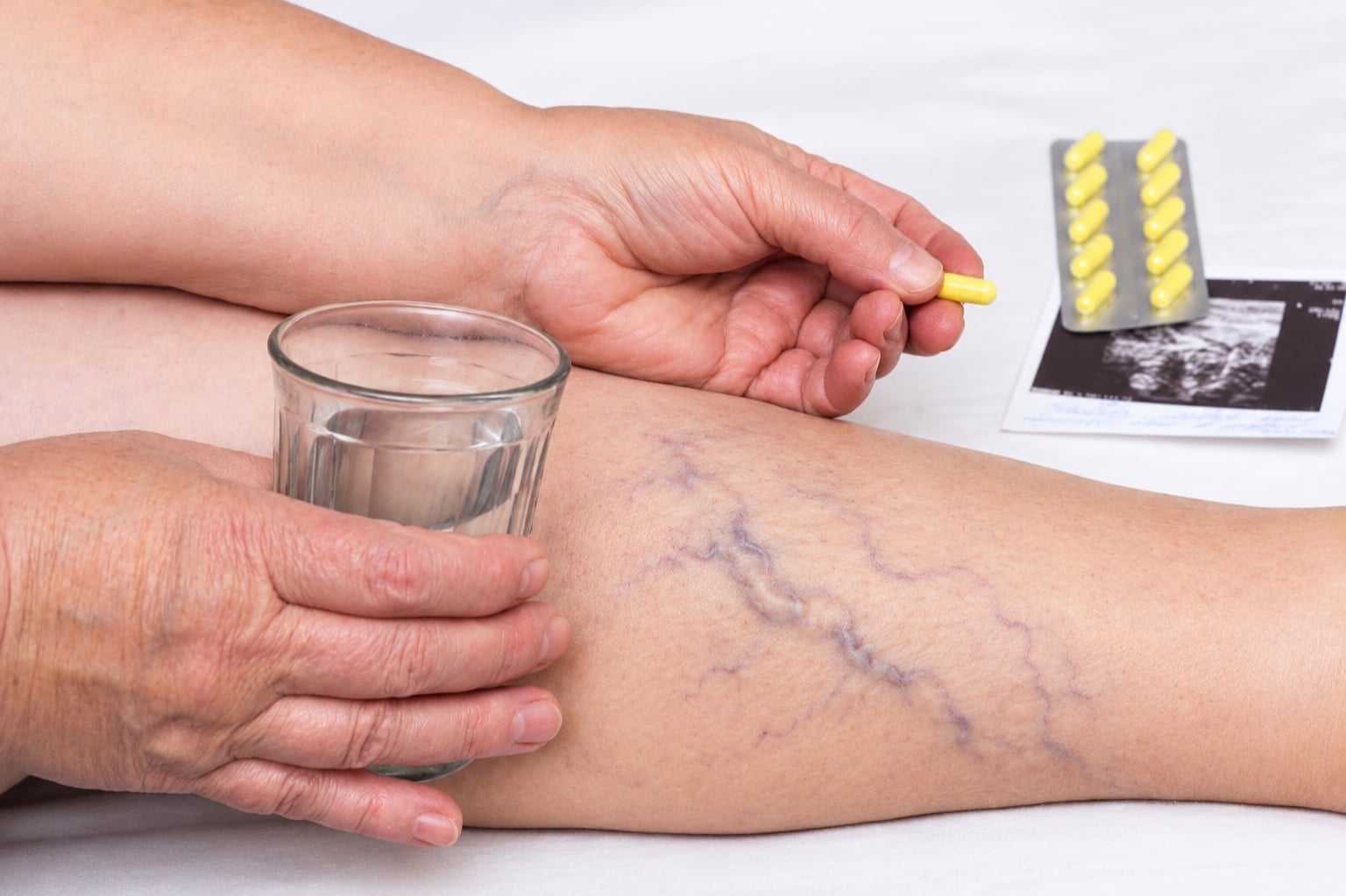
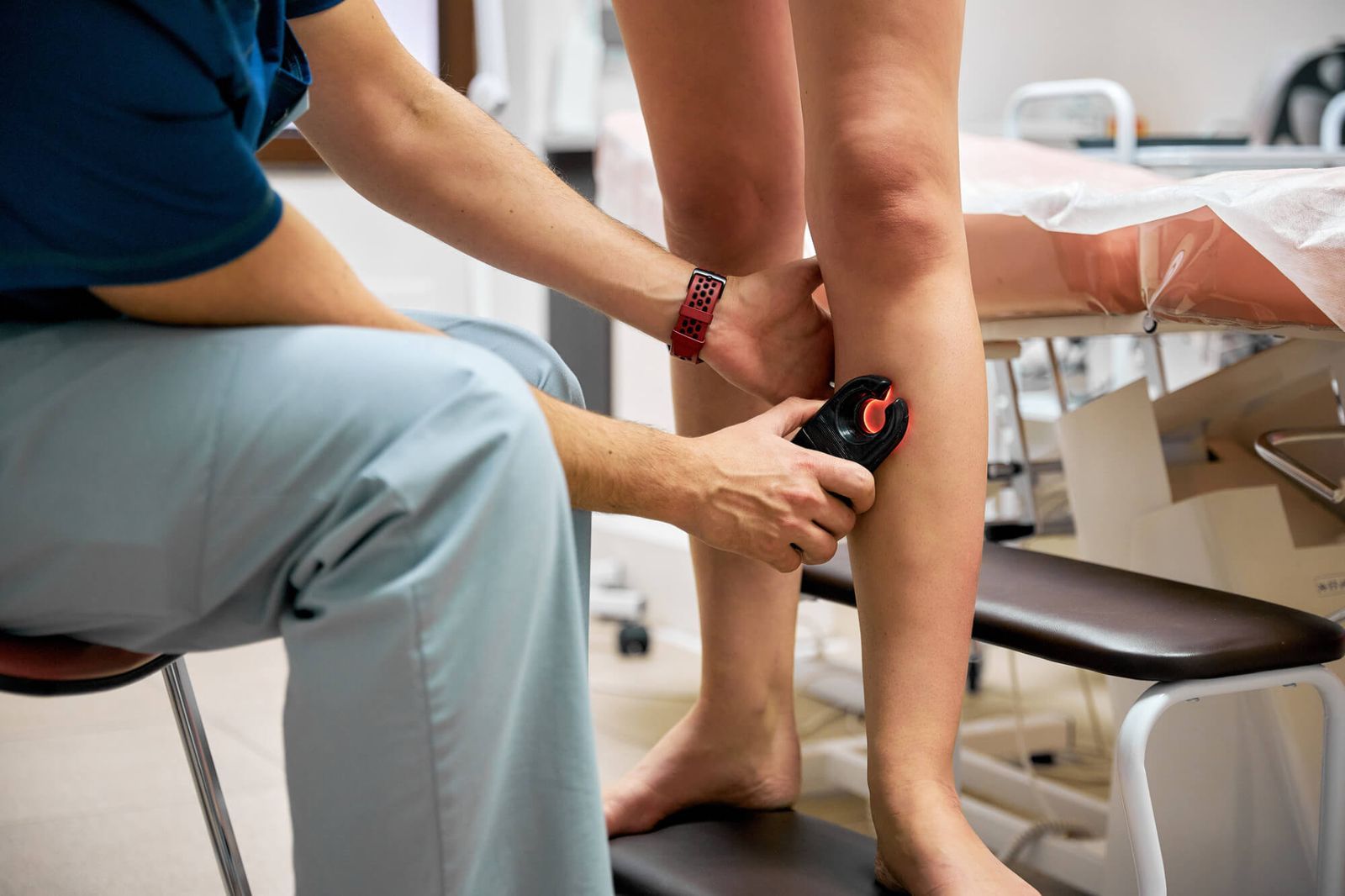
Varicose veins can cause pain and discomfort, but there are painkillers available to provide relief.
Painkillers for varicose veins can help improve your quality of life by reducing discomfort and allowing you to engage in daily activities more comfortably.
It is important to consult with a healthcare professional to determine the best painkiller for you, as they can consider your specific condition and medical history for personalized recommendations.
Table Of Contents
If you’re grappling with the discomfort associated with varicose veins, this detailed article explores the most effective painkillers for varicose veins and methods to alleviate the associated pain.
The importance of pain management for varicose veins
Swollen or twisted varicose veins can be more than just a cosmetic issue. For many, varicose veins can lead to discomfort, pain, and a significant decrease in quality of life.
By paying attention to varicose vein pain, you’re one step closer to preventing possible underline health complications that cause varicose vein pain.
Overall, effective pain management may improve your physical and mental well-being. It can allow you to maintain your daily routine, participate in activities you enjoy, and lead to a more comfortable life.
Different types of painkillers for varicose veins
Living with varicose veins can be a literal pain, but it doesn’t have to be! There are various pain medications available that may alleviate the discomfort associated with this common condition.
Over-the-counter painkillers you can buy
For mild to moderate pain, over-the-counter (OTC) medications are usually the first and most accessible option, including:
Non-prescription pain relievers like ibuprofen and acetaminophen are viable options for easing the discomfort associated with varicose veins.
Acetaminophen: Known by many as Tylenol, acetaminophen can be an effective first line of defense against varicose vein pain. It doesn’t reduce inflammation, but it can help take the edge off your discomfort.
Ibuprofen: This OTC medication not only relieves pain but also reduces inflammation. Ibuprofen, often sold under brand names such as Advil or Motrin, is a nonsteroidal anti-inflammatory drug (NSAID) and can offer dual benefits for varicose vein sufferers.
Aspirin: Also an OTC pain reliever that combines anti-inflammatory properties that work wonders in reducing swelling, while its blood-thinning abilities aid in preventing blood clots, a common concern with this condition.
Prescription painkillers are recommended for varicose veins
If OTC medications aren’t sufficient, your health provider might prescribe stronger painkillers in more severe cases, including:
Naproxen: Another NSAID, naproxen, is prescribed for more severe pain and inflammation. This medication, often known by the brand name Aleve, can offer longer-lasting relief than OTC options
Topical Analgesics: These are creams or gels that are applied directly to the skin over the painful veins. They typically contain medications like lidocaine that numb the area and provide temporary pain relief, and may be used in conjunction with oral pain relievers.
How long does it take for painkillers to work for varicose veins?
The onset of relief from varicose vein discomfort after taking painkillers and medication can vary and typically ranges from 20 minutes to an hour. However, it’s crucial to remember that this timing can be influenced by multiple factors, including the type of medication, the dosage, and your body’s response.
Natural and herbal painkillers for varicose veins
For those who prefer a more natural approach, there are several options to consider:
Horse chestnut extract: This herb has been shown to reduce the symptoms of varicose veins, including pain. It can be taken in capsule form or applied topically.
Witch hazel: Witch hazel is a plant with anti-inflammatory properties. Applying witch hazel topically may soothe varicose veins and reduce discomfort.
HCSE showed overall improvement in CVI-related signs and symptoms compared to placebo. Leg pain was significantly reduced in six out of seven placebo-controlled trials, with one trial showing improvement compared to baseline.
Remember, it’s important to consult with a healthcare provider before starting any new treatment. They can guide you to the best painkillers for your situation and ensure you’re using them safely.
Combination therapy: Painkillers and other treatments for varicose veins
While managing varicose veins can be a complex task, the best relief often comes from a combination of treatment options. These can include lifestyle changes, use of compression stockings, medical procedures, along with over-the-counter or prescribed painkillers.
It’s worth noting that varicose veins affect up to 35% of the population in the United States.
If you are struggling with pain from varicose veins, you might be grappling with a condition known as chronic venous insufficiency, acondition that is usually managed under the expert care of a board-certified medical professional.
You might not be aware, but this discomfort could hint at a health concern that your insurance could potentially cover, allowing for more comprehensive varicose vein treatments and care, including:
Sclerotherapy: A medical procedure that involves injecting a solution into the vein to cause it to collapse and fade from view, increasing blood flow.
Radiofrequency ablation: This is a minimally invasive procedure that uses radiofrequency energy to heat and damage the wall of the vein, resulting in the vein’s collapse and subsequent disappearance, as well as restoring healthy blood circulation.
Frequently asked questions
As with any medication, there are risks that your healthcare provider can review with you prior to starting a treatment plan. Some of the most common risks may include:
Over-reliance: Painkillers are not a cure; they simply mask the pain. Regular use can lead to dependency, delaying the need for effective treatment.
Gastrointestinal issues: Common painkillers, like NSAIDs, can cause stomach issues like ulcers and acid reflux, especially when taken on an empty stomach.
Cardiovascular risks: Some painkillers have been linked to an increased risk of heart attack and stroke.
Interactions with other medications: Painkillers can interact with other drugs, potentially leading to harmful side effects. Always discuss your full medication list with your doctor.
Remember, it’s essential to balance the potential relief from discomfort with the possible risks. Always consult with your healthcare provider before starting any new medication.
No, painkillers cannot cure varicose veins. They can, however, provide temporary relief from discomfort and pain associated with this condition. For a permanent solution, medical procedures or lifestyle changes are typically required.
Like any medication, painkillers are not without their potential downsides. The severity of these side effects can vary greatly depending on the type of painkiller, dosage, and individual health factors. The most common symptoms may include:
Stomach problems
Constipation
Liver damage
Kidney problems
Cardiovascular issues
“Keep in mind, this is not a complete list, and side effects can vary from person to person. Always consult your healthcare provider about the risks and benefits of any medication.”
The safety of taking painkillers for varicose veins during pregnancy varies based on the specific medication and the stage of pregnancy, so it’s important to consult with your healthcare provider before using medication during pregnancy.
Relieving pain from varicose veins at night can be accomplished through a combination of methods. These include elevating your legs while sleeping, wearing compression stockings, maintaining a healthy weight, and engaging in regular physical activity. For personalized guidance, it’s always a good idea to consult with a healthcare professional.
Bottom line
As we conclude, it’s clear that managing pain from varicose veins requires a multifaceted approach. While over-the-counter painkillers like Acetaminophen and Ibuprofen can provide temporary relief, they do not address the root cause of varicose veins. Therefore, seeking expert advice and getting a proper diagnosis is essential to effectively manage and treat varicose veins in the long run.
All iThriveVeins content is medically reviewed by board-certified vein specialists and written following evidence-based guidelines. We source our information from peer-reviewed medical journals, clinical studies, and established medical organizations. Our editorial process ensures accuracy, objectivity, and relevance to patient needs.