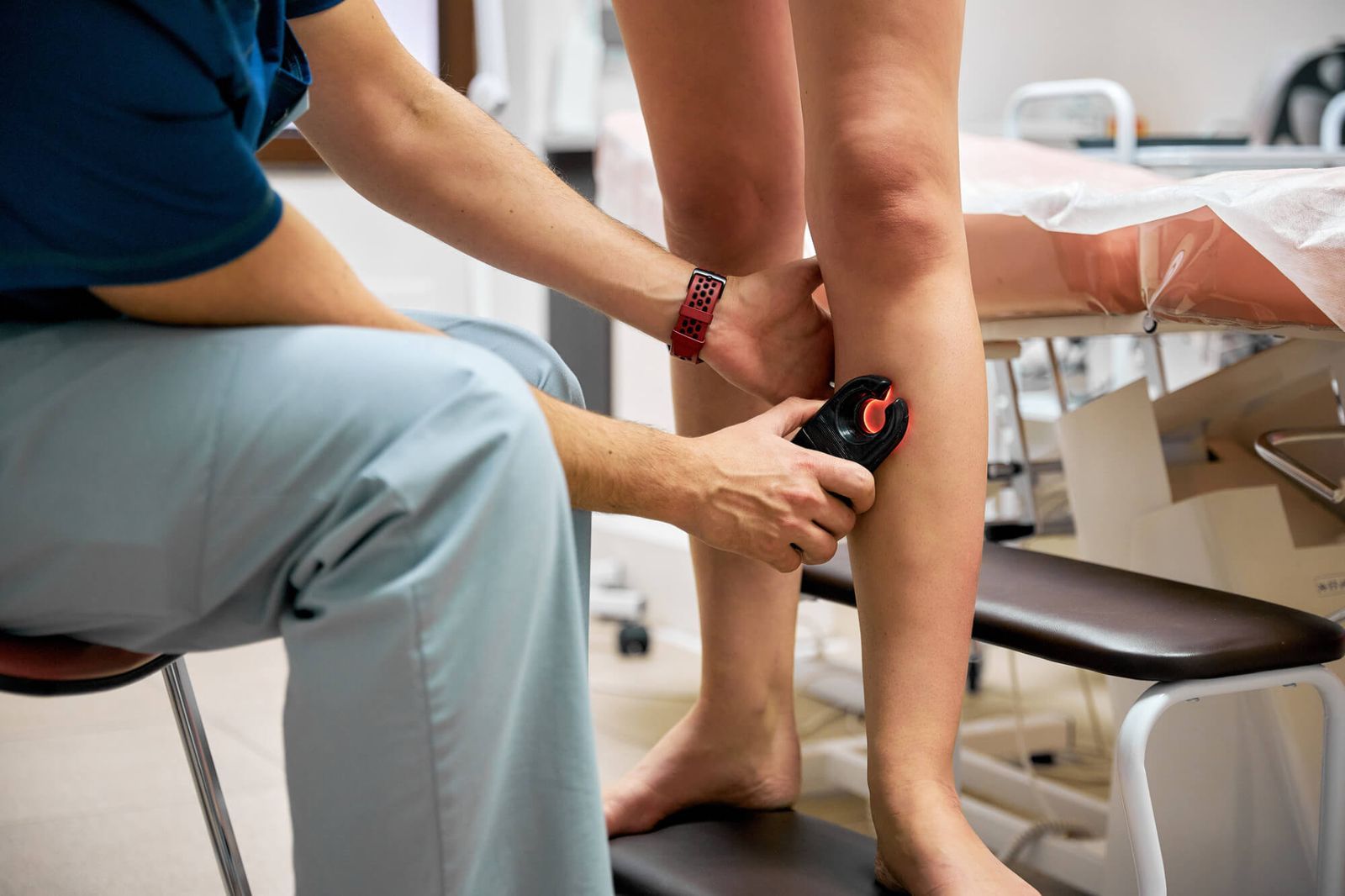
Spider veins may come back after laser treatment, but this is individual to each patient. In general, laser therapy can significantly reduce spider veins. However, the treatment cannot prevent new spider veins from forming in the future.
Laser For Spider Veins On Legs: How It Works And Results
Laser treatment is a popular non-invasive procedure for getting rid of spider veins. Learn how it works, expected results, & what to consider before care.
Key takeaways
- Laser treatment is a popular and effective method for reducing spider veins on the legs.
- Multiple sessions may be required to achieve optimal results.
- It’s important to consult with a qualified dermatologist or medical professional to determine if laser treatment is suitable for you.
Table Of Contents
Say goodbye to spider veins with laser treatment – an increasingly popular and highly successful method for reducing these bothersome blemishes.
Continue reading to learn more about how it works and what results you can expect!
What is laser treatment for spider veins on the legs?
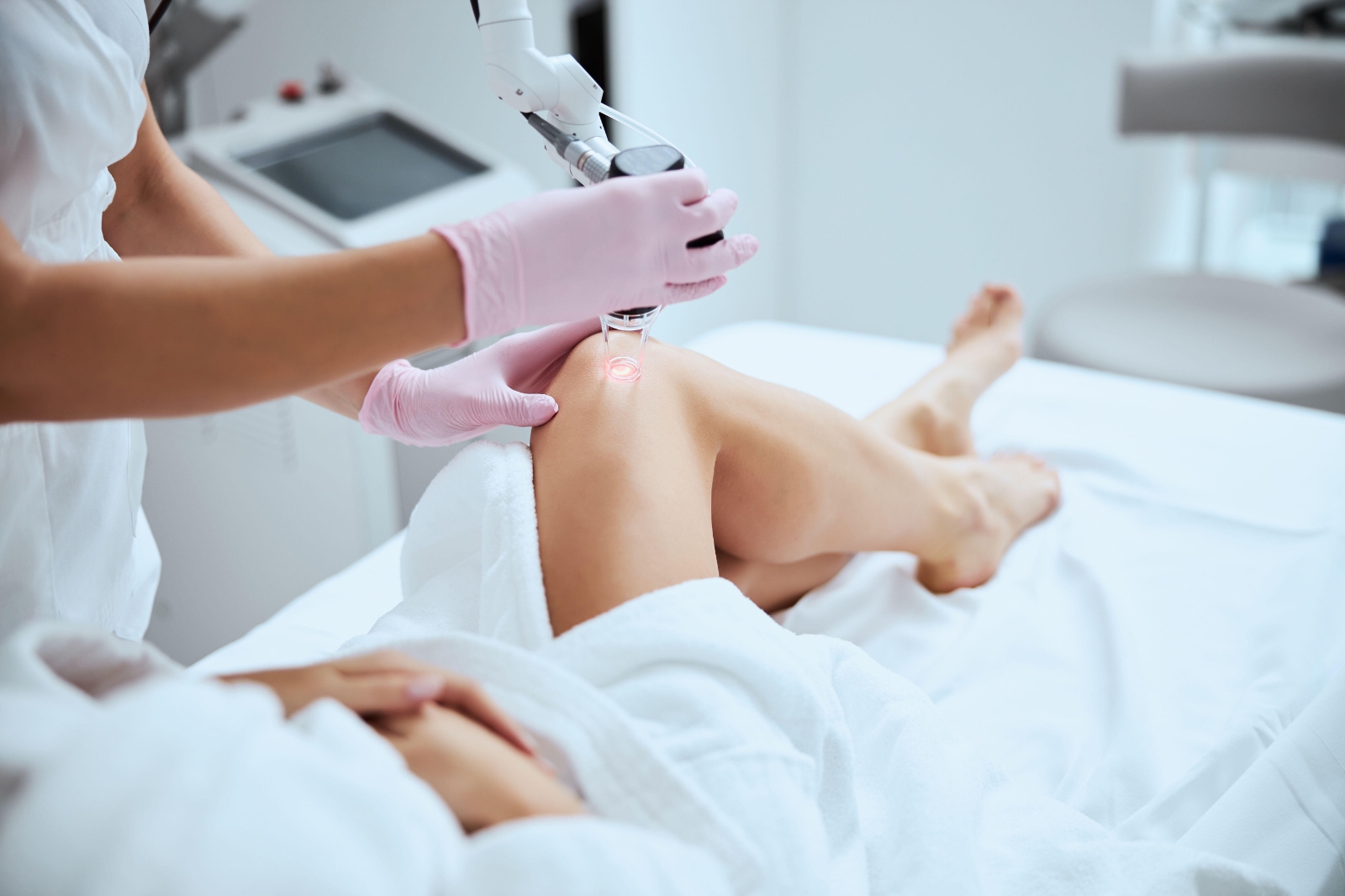
Laser treatments for spider veins on the legs are a non-invasive medical procedure that uses a concentrated beam of laser light to selectively target and eliminate spider veins. This treatment is considered safe and effective treatment option for spider veins, particularly leg veins or facial spider veins.
How does laser treatment work?
During the procedure, a dermatologist or other qualified healthcare professional will use a handheld laser device to deliver pulses of light to the visible leg veins. The laser light is absorbed by the spider veins, causing the vein walls to heat up and eventually collapse.
Over time, the collapsed veins are then gradually reabsorbed by the body, and blood flow is restored to nearby veins and surrounding tissues.
How long does laser treatment take?

In general, the treatment session typically takes between 15-30 minutes, and most patients will require anywhere from 1 to 3 treatment sessions. The duration of laser treatment for spider veins can vary depending on the size of the treated area and the number of veins being treated.
Is laser treatment for vein removal painful?
Laser therapy is typically not a painful procedure, but patients may feel a slight stinging or warming sensation as the laser is applied, but the discomfort is usually minimal and well-tolerated.
During the procedure, the healthcare professional will apply a cooling gel to the skin’s surface and then use a handheld laser device to deliver pulses of light to the damaged veins.
How effective is laser treatment for spider veins?
Laser treatment is considered to be a safe and effective way to treat spider veins.
Effectiveness will depend on the size and severity of the veins being treated, as well as the skill and experience of the practitioner performing the procedure. In general, smaller veins tend to respond better to laser treatment than enlarged veins or larger varicose veins.
Do spider veins go away with laser treatments?
Spider veins can be significantly reduced or eliminated with laser treatments. It is also important to note that while laser therapy can remove existing spider veins, it cannot prevent new ones from forming in the future.
Patients should take steps to minimize their risk of developing new spider veins, such as maintaining a healthy weight, exercising regularly, avoiding prolonged periods of standing or sitting, and wearing compression stockings if recommended by their healthcare provider.
How long does it take for spider veins to disappear after laser treatments?
While laser therapy for spider veins is generally effective, results can vary from patient to patient. Some patients may see significant improvement in the appearance of their spider veins after just one treatment, while others may require multiple sessions to achieve optimal results.
How much do laser treatments for spider veins on the legs cost?
On average, laser treatments for spider veins on the legs can range from $200 to $600 per session in San Diego. However, most patients require more than one treatment to achieve desired results, which can increase the total cost.
As a helpful measure, sclerotherapy can cost $370 on average in San Diego. To determine what’s best for you, speak with your vein specialist.
Is the cost of laser treatments for spider veins covered by insurance?
The cost of laser treatments for spider veins may or may not be covered by insurance, depending on the patient’s insurance plan and the reason for the treatment. In general, laser treatments for spider veins are considered a cosmetic procedure and are not typically covered by insurance.
However, if the spider veins are causing symptoms such as pain, cramps, swelling, fatigue, or discomfort, or if they are related to an underlying medical condition, such as a varicose vein or venous insufficiency, insurance may cover the cost of the treatment.
What are the side effects of laser treatment for spider veins?
Patients may experience some redness, swelling, or bruising in the treated area and surrounding tissue. These side effects are usually mild and resolve on their own within a few days. Overall, laser therapy for spider vein removal is considered a safe and well-tolerated procedure.
What to do after laser treatment for spider veins on legs?
Post-treatment care instructions ensure proper healing and help reduce the risk of complications, and will likely include:
- Avoid direct sun exposure
- Wear compression stockings
- Avoid strenuous exercise
- Avoid hot baths or showers
- Follow post-treatment instructions
Frequently asked questions
Laser treatment uses a concentrated beam of light, whereas Sclerotherapy involves injecting a solution, known as a sclerosant, directly into the affected veins. Over time, both procedures cause the collapsed, damaged vein to be absorbed by the body and redirect blood flow to nearby veins.
Whether laser treatment or sclerotherapy is better for spider veins depends on the individual case, size, and location of the problem veins. Both treatments are safe and effective options for spider vein removal, but they work in slightly different ways and may be better suited for different types of spider veins.
After spider vein treatment, here are some tips to help keep your legs looking beautiful after spider vein treatment:
- Stay active with regular exercise
- Wear compression stockings
- Avoid long periods of standing or sitting
- Maintain a healthy weight
- Protect your skin
- Follow up with your healthcare provider’s recommendations
By following these tips and taking good care of your legs, you can help maintain the results and keep your legs looking beautiful.
While some natural remedies may improve the appearance of spider veins for some, they may not be as effective as laser treatment and sclerotherapy.
Natural remedies may include:
- Consume anti-inflammatory foods
- Apply apple cider vinegar topically
- Apply witch hazel topically
- Use of essential oils to improve circulation
- Elevating your legs reduces swelling and improves circulation
Bottom line
Laser treatment for spider veins on the legs offers a minimally invasive option to reduce visible veins and improve skin appearance. Results can vary based on vein size, skin type, and the number of sessions required. While generally well tolerated, a professional evaluation helps determine if this approach is appropriate for your condition. Understanding the process and expected outcomes can support informed treatment decisions.
- National Institutes of Health. 2015. A Novel Approach for the Treatment of Spider Veins.
Editorial standards
All iThriveVeins content is medically reviewed by board-certified vein specialists and written following evidence-based guidelines. We source our information from peer-reviewed medical journals, clinical studies, and established medical organizations. Our editorial process ensures accuracy, objectivity, and relevance to patient needs.