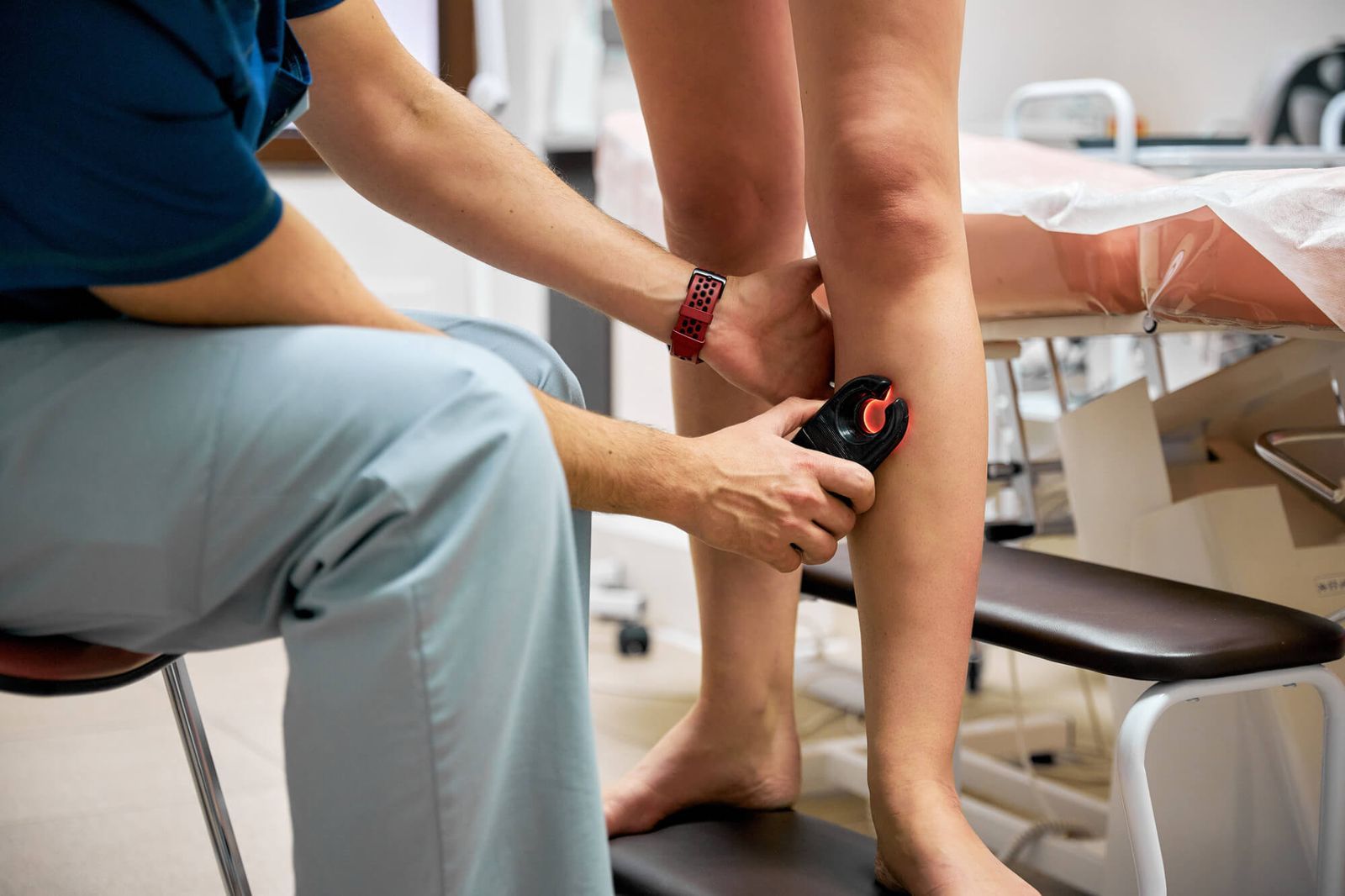
Recovery from vein ablation may involve some discomfort. However, most patients describe it as minimal and manageable, not outrightly painful.
Vein Ablation Recovery: Top 8 Tips to Manage Pain and Discomfort
Learn how to manage pain and discomfort during vein ablation recovery with these top 8 tips. Get back to your daily routine quickly and comfortably.

Key takeaways
- Follow your doctor’s instructions for follow-up appointments and care.
- Don’t hesitate to reach out to your doctor if you have any concerns or questions during your recovery.
Table Of Contents
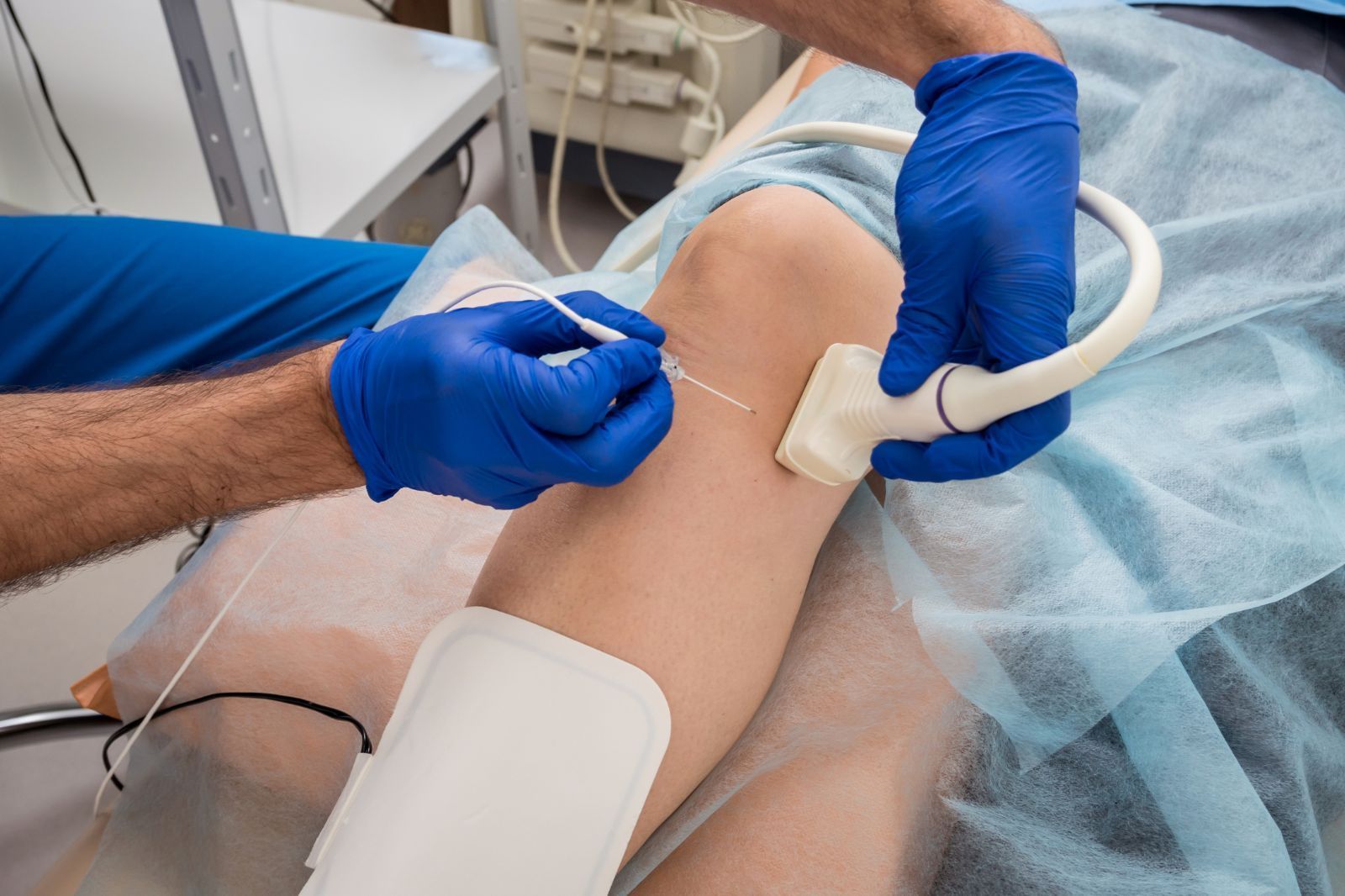
Vein ablation is a highly effective procedure to alleviate the symptoms of varicose veins and similar venous disorders. However, the key to maximizing the benefits of this procedure lies in an effective and dedicated recovery process.
The journey to full recovery after a vein ablation procedure is just as crucial as the operation itself.
Let’s delve into what it takes to maximize your vein ablation recovery, minimize downtime, and prevent venous diseases from reappearing.
What are the top 8 tips to maximize vein ablation recovery?
1. Engage in gentle physical activity

The importance of engaging in gentle physical activity after your vein ablation procedure cannot be overstressed, as these activities are vital in stimulating blood flow, preventing blood clot formation, and speeding up healing.
Some great activities to engage in may include:
- Walking
- Gentle cycling
- Yoga
- Swimming
How long should you walk after vein ablation?
Light walking for at least 30 minutes daily is generally recommended for optimal recovery after venous ablation and to combat fatigue after vein ablation, beginning the day after surgery.
What physical activities should be avoided during vein ablation recovery?
Understanding activity restrictions is critical to progressing during your varicose vein ablation recovery time. This involves consciously avoiding strenuous, high-impact exercise that might jeopardize the healing process, including:
- Running
- Heavy lifting
- Squatting
- High-intensity interval training (HIIT) exercises
2. Elevate legs to manage discomfort and pain during vein ablation recovery
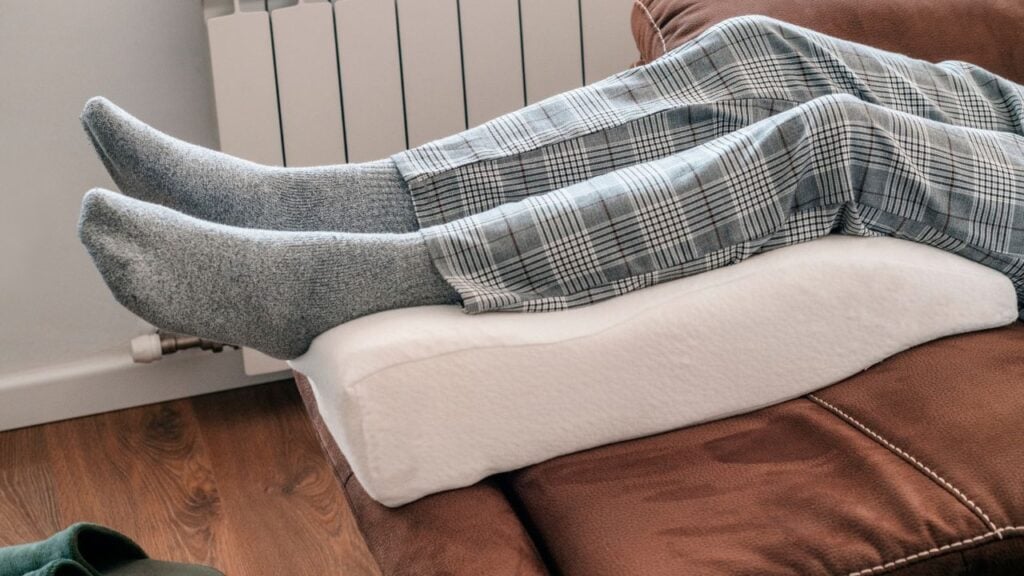
After your vein ablation surgery, it’s natural to experience discomfort. One of the best ways to minimize uncomfortable symptoms is to elevate your legs above the level of your heart, to help reduce swelling by encouraging excess fluid to drain away from the area.
Also, it’s common to experience swelling and bruising after vein ablation surgery, as the body needs time to heal and resume normal blood flow. Along with elevating your legs, you can take these additional steps to manage these symptoms and expedite your recovery:
- Utilize cold therapy: Use a cold pack on the affected area for 15 minutes. Remember to wrap the cold pack in a towel or a piece of cloth to avoid direct contact with the skin and prevent cold burn.
- Take anti-inflammatories: Using over-the-counter anti-inflammatory agents such as Ibuprofen, Motrin/Advil, Naproxen, or Aleve is typically safe to utilize unless your healthcare provider specifically advises against it.
3. Wear compression stockings

Compression stockings are often highly recommended while recovering from vein ablation surgery. With their supportive grip, they should be a mainstay in your healing journey.
How long should you wear compression stockings after laser ablation?
After laser ablation, it is important to maintain the use of compression stockings for a period of approximately one to two weeks to aid in recovery. However, the duration can vary depending on your doctor’s specific recommendations and the nature of your recovery process.
What happens if you don’t wear compression stockings after vein ablation?
Failure to wear compression stockings post-vein ablation can exacerbate swelling and discomfort, potentially causing complications. In fact, these stockings are integral in promoting optimal blood flow, speeding up recovery, and preventing the recurrence of venous disease.
4. Avoid excessive sun and heat exposure

After undergoing vein ablation surgery, avoiding excessive sun exposure and heat is pivotal. High temperatures can cause your blood vessels to expand, potentially affecting the treated veins and hindering your recovery process.
Here are some common heat exposure activities that you should avoid after vein ablation:
- Beach outings
- Sunbathing
- Hot tubs and saunas
- Intense physical activities outdoors
- Long drives in hot vehicles
5. Implement proper wound care
Proper wound care after vein ablation surgery is essential to prevent complications such as infections and speed up recovery to maximize results.
Crucial steps to take in caring for your incision sites after vein ablation
- Keep the treated area dry for at least 24-48 hours after the procedure to prevent bacterial growth.
- Inspect daily to spot-check for any signs of infection, such as redness, swelling, or pus.
- Cleanse carefully around the incision for the first few days with mild soap and water as directed by your healthcare provider.
- Avoid irritants like lotions, perfumes, or powders near the incision site.
6. Maintain a healthy diet

Following a healthy diet can aid in the vein ablation recovery process by boosting your body’s healing capabilities, reducing inflammation, and preventing the recurrence of venous disease.
Below are the top diet recommendations after vein leg surgery:
- Eat nutrient-rich foods
- Limit sodium
- Avoid processed foods
- Sufficient fiber intake
7. Stay hydrated
Staying hydrated can help reduce inflammation and speed up healing. Aim to consume at least eight glasses of water daily, reducing the intake of sugary drinks and alcohol.
8. Follow post-operative instructions
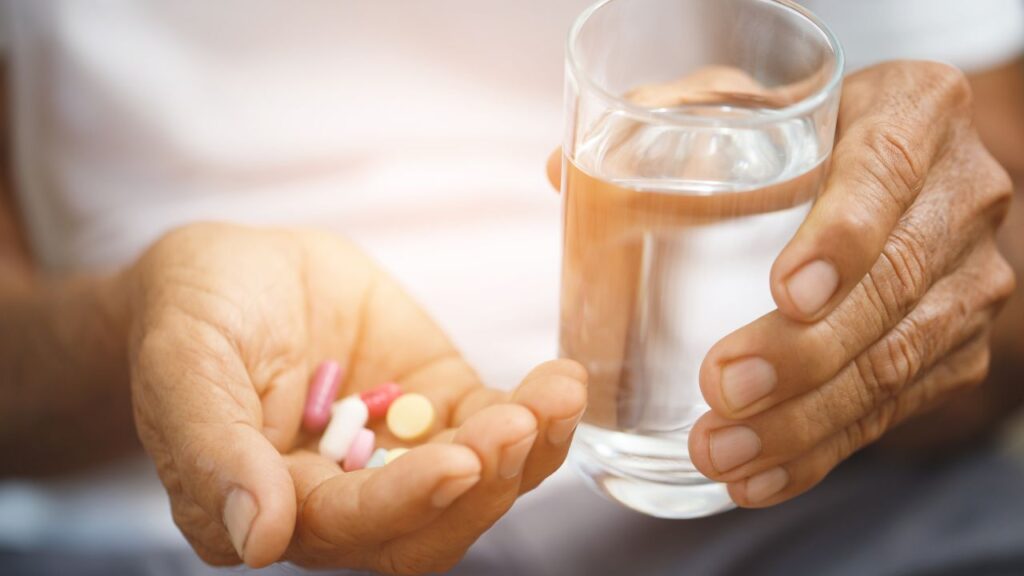
Your medical provider will give post-operative instructions following the vein ablation procedure, which are crucial for two reasons.
Firstly, they guide you through the specific actions you must take during your recovery. Secondly, they are a preventative measure against complications and the recurrence of varicose veins and venous diseases.
You can expect your post-operative instructions to include these key points:
- Take medication as prescribed: Medications are typically prescribed to manage pain, prevent infection, and treat underlying venous diseases.
- Attend follow-up appointment: Follow-up visits play a large role in monitoring your progress, making necessary adjustments to your treatment plan, and providing timely interventions when required. Regular attendance assures your treatment is progressing as expected and that you’re healing properly.
- Monitor for potential complications: While generally safe and a minimally invasive procedure with a high success rate, it is imperative to remain vigilant about potential complications, including infection, blood clots, nerve damage, deep vein thrombosis, and pulmonary embolism.
Understanding the recovery timeline after vein ablation
It’s important to grasp the expected recovery timeline after undergoing venous ablation work. Following the 8 tips above will allow you to streamline your healing process better, manage expectations, and prevent potential complications.
How long does it take to heal from vein ablation?
The full healing process from vein leg surgery can take anywhere from one to two weeks for many patients. However, individual recovery time will depend on several factors, including the person’s overall health, the severity of their chronic venous insufficiency, and their body’s natural healing speed.
Frequently asked questions
Usually, there might be on-and-off discomfort, bruising, or swelling within the first two weeks. However, enduring pain three weeks after the procedure could be unusual and indicate potential complications.
For peace of mind and to ensure optimal health, it’s essential to consult with your healthcare professional about any persistent pain or other potential signs of complications.
While endovenous ablation is a general term for procedures that use heat to destroy problematic varicose veins, radiofrequency ablation is a specific form of endovenous ablation that utilizes radiofrequency energy.
After undergoing vein ablation treatment, patients typically observe significant symptom improvements within one to two weeks. However, the total healing process may extend up to a few months.
Bottom line
Vein ablation recovery is integral to treatment, requiring careful attention and dedicated self-care. Understanding and adhering to optimal recovery strategies bolsters the likelihood of excellent outcomes and prevents the recurrence of venous disease.
- Johns Hopkins. After Surgery: Discomforts and Complications.
- National Health Service. 2024. Varicose Veins.
- National Institutes of Health. 2005. Endovenous Thermal Ablation of the Saphenous Vein.
Editorial standards
All iThriveVeins content is medically reviewed by board-certified vein specialists and written following evidence-based guidelines. We source our information from peer-reviewed medical journals, clinical studies, and established medical organizations. Our editorial process ensures accuracy, objectivity, and relevance to patient needs.